 EN
EN

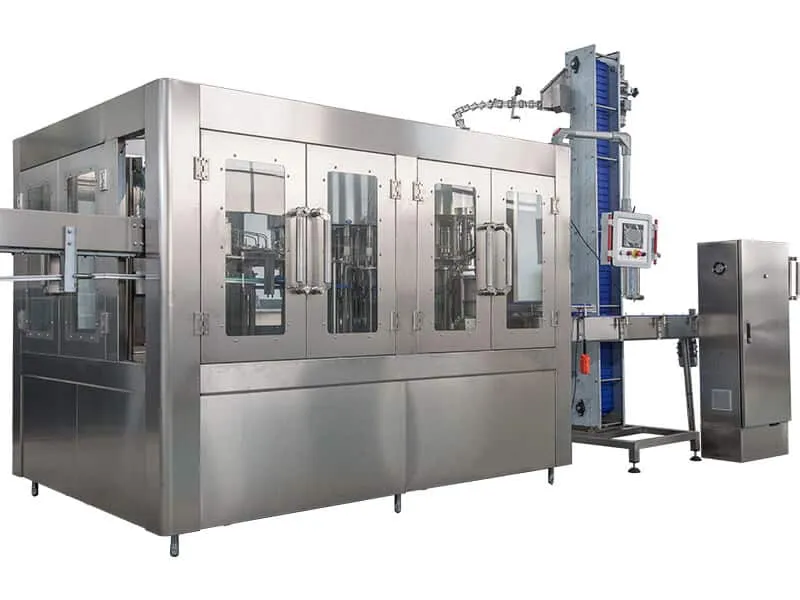
Praestatio Productionis: Capacitas Productiva et Efficiencia Cycli
Numerus Butyriorum per Horam et Incrementum Effectivum Productivitatis in Praxi
Semi-automaticae machinae pro inflando butyriis PET saepissime 1 000–3 000 butyria per horam producunt, manualem praecaricaturam praeformarum et manualem remotionem butyriorum postulantes. Systemata plene automatica per operationem continuam 5 000–30 000+ butyria per horam efficiunt. Tamen productivitas realis semper infra maxima theorica manet: data industriae ostendunt mediam productivitatem esse circiter 15 % infra capacitatem nominalem propter varietatem praeformarum (pondus, crassitudinem parietis), complexitatem formae butyriorum et frequentiam mutationis formarum. Exempli gratia, machina quae 20 000 butyria per horam nominat, sub condicionibus normalibus operationis circa 17 000 butyria efficit, inspectionibus qualitatis et fluctuationibus materiae ratione habita. Incrementum productivitatis efficax minus pendet a velocitate nominale quam ab integris systematibus praecaricandarum praeformarum et technologia formarum facile mutabilium, quae tempus inter mutationes ad minimum reducunt.
Effectus Temporis Cyclicae in Integrationem Lineae et Constantiam Temporis Operis
Constantia temporis cyclicae necessaria est ad integrationem lineae synchronizatam. Machinae semiautomaticae variant tempus cyclicae inter 8 et 12 secunda propter gradus dependentes ab operatore, creantes angustias cum celerioribus machinis implendi aut apponendi titulos. Systemata plene automatica servent stabilem tempus cyclicae inter 3 et 6 secunda per mechanismos actos servo—permittentes synchronizationem perfectam convectorum et minuentes tempus operationis non praevisi per 18% comparato ad alternativas semiautomaticas, secundum indices efficaciae imballationis. Haec constantia etiam profectus calefactionis constantes certificat, quod est critica pro integritate PET in applicationibus potuum carbonatis ubi fracturae tensionis possunt perficiant functionem sigilli. Controlus optimus temporis cyclicae ulterius favet mutationibus rapidis formarum—minus quam 15 minuta—sine perturbatione operationum praecedentium alimentationis praeformarum vel subsequentium operum operculorum.
Pretium Totius Proprietatis: Investitio, Labor, et Manutentio
Praeputialis Capitalis Impensae et Occulti Impulsus Causae (p. ex., Praeformarum Alimentatores, PLC Integratio)
Pretium emptionis tantum initialem impensam repraesentat. Occulti impensarum impulsores—inter quos praefomarum alimentatores, PLC integratio, loci paratio, operatorum institutio, et matricum fabricatio—praepositas impensas 20–30 % augere possunt. Machinae plene automaticae saepe alimentatores integratos, PLC-basica gremium gubernationis, et systemata inspectionis in linea ut norma includunt, ita ut onerosae accessiones post venditionem evitantur. Contra, machinae semiautomaticae saepius alimentatores externos, stationes sortitionis manuales, et interfaces PLC ad usum specialem separatim emere exigunt. Rigorosa analysis Totius Possessionis Pretii (TCO)—quae has expensas indirectas complectitur—essentialis est ad accuratam finaniciam comparationem, non solum ad pretium primum.
Exigentiae Laboris et Tempus Ad Rationem Inversionis (ROI) Aequilibrandi
Labor est maxima variabilis operativa expensa per omnes gradus automationis. Lineae semiautomaticae saepe duos ad tres operatores per vicem postulant ad praeformas ondendas, ad extrahendas butyros, et ad manuales inspectiones qualitatis. Systemata plene automatica cum uno perito custode per vicem operantur—qui potest administrare interfacies hominis et machinae (HMI), dia gnosticos servomotorum, et adaptationes processus. Haec differentiae directe formant tempora reditus super investitum (ROI): productores parvorum voluminum saepe aequilibrii punctum attingunt intra 12–18 menses cum instrumentis semiautomaticis propter minorem capitalem introitum, dum operationes alti output saepe sub-12-mensium remunerationem consequuntur cum automatione plena—motae per multo minorem pretium laboris per butyrum et per minorem expositionem salarium longo tempore. Accurata modellatio requirit incorporationem localium pretiorum laboris, ordinatarum schematum viciarum, et expectatorum annuorum horarum operationis.
Maturitas Automationis: Systemata Controlis, Praecisio, et Constantia Qualitatis
Gradus automationis fundamento determinat praecisionem, repetibilitatem et inspectionem qualitatis in productione butylarum PET. Systemata semiautomatica in iudicio operatoris innituntur ad temperanda processum in tempore reali — quae variabilitatem inducunt in profili calefactionis et temporibus cycli, quae accuratiam dimensionalem et constantiam crassitudinis parietis afficiunt. Machinae plene automaticae pro inflatione butylarum PET integrant Interfaciem Homini-Machinae (HMI) et Plataformas Supervisionis, Controlli et Acquisitionis Data (SCADA), quae permittunt inspectionem centralizatam et regulam clausam omnium parametrorum criticorum — a calefactione praeformarum per infrarubrum usque ad sequentiam inflationis sub alta pressione. Haec supervisio digitalis erroribus manu factis obstat et executionem uniformem per turnos et series productionis confirmat.
Integratio HMI/SCADA, Actuatio Servo contra Pneumaticam, et Repetibilitas Processus
Systemata automata moderna actuatores servo-electricos utuntur ad claudendum formam, ad ponendum baculum extensionis, et ad regendum vim constringentem—praebentia praecisionem positionis intra ±0,1 mm et praestantiam dynamicam superiorem systematibus pneumaticis. Haec praecisio permittit strictiorem regulam distributionis crassitudinis parietis et constantiae ponderis phialarum. Integratio SCADA augent stabilitatem diuturnam per annotationem datorum processualium historicae et per subsidium compensationis praedictivae pro mutationibus temperaturae ambientis aut pro varietatibus inter singulas praeformarum partus. Studia recensita a peritis confirmant lineas automatizatas servo-contrullatas praestare repetibilitatem processus >99 %—eliminantes moras recalibrationis manuales post mutationem operationis.
Ratio Residui, Uniformitas Calefactionis, et Flexibilitas Mutationis Formae
Systemata calefactionis infrarubrae automatizata zonas thermicas multiplices habent cum retroactione pyrometrorum in tempore reali, quae aequabilem praeformarum calefactionem adfirmant, quae ad minimizandos puncta stress localia dum distenduntur necessaria est. Cum systematibus automatis rejectionis basibus visionis, quae deviationes dimensionales ante eiectionem detegunt, haec praecisio thermica et sensoria rates reiectuum ad minus quam 2% minuit — emendatio notabilis super dispositiones semiautomaticas. Praeterea, systemata mutandi formam programmabilia — coniuncta cum profiliis parametrorum servatis et probatis — conversiones fideles in minus quam 15 minutis permittunt, quae tam flexibilitatem quam continuitatem qualitatis per varia SKU servant.
Adaptatio ad Applicationem: Accommodatio Potentiarum Machinae Sufflandi Bottellarum PET ad Magnitudinem Negotii et Ad Obiectiva
Electio inter machinas semiautomaticas et plene automaticas ad flacones PET efflandos pendet ex congruentia facultatum technicarum cum magnitudine operationis et prioritatibus strategicis. Parvi ad mediocres imbottolatores, qui modicos numeros producunt et saepe mutationes in SKU faciunt, fruuntur minore impensa initiali et commutationibus simplicioribus formarum in systematibus semiautomaticis—quae sunt optima ad novorum flaconum designorum experimenta sine magno periculo pecuniario. Magni productores—praesertim qui contractus exigui marginis et magni voluminis implent—veram utilitatem consequuntur ex continuo proventu, qualitate repetibili, et integratione controlus lineae in systematibus plene automaticis. Ut una societas mediorum dimensionum de potu ostendit, progressus ad systema automatizatum tempus productionis dimidiatum est et vestigium carbonis 30 % minuitur, praecipue per inefficiencias in transportando flacones vacuos eliminatas et per optimizatam usum energiae in toto ciclo efflandi et formandi. Optima electio denique reflectit tuas praesentes necessitates proventus, complexitatem mixturae productorum, et cursum augendi—nota tantum specificata in titulis.
FAQ
1. Quot fias per horam machinae semiautomaticae et plene automaticae producere possunt?
Machinae semiautomaticae inter 1 000 et 3 000 fias per horam producere possunt, dum systemata plene automatica in condicionibus optimis inter 5 000 et 30 000+ fias per horam attingunt.
2. Quae causae efficiunt ut effluxus in rebus veris infra capacitem nominalem cadat?
Effluxus in rebus veris a variabilitate praeformarum, a complexitate formae fiarum, a frequentia mutationis formarum, et a processibus inspectionis qualitatis afficitur.
3. Quomodo tempus cycli efficaciam productionis afficit?
Tempora cycli stabilia integrationem lineae synchronam adiuvant et temporaria intermissiones minuunt. Systemata plene automatica constantes cycli 3–6 secundorum servare possunt, contra variationes 8–12 secundorum in machinis semiautomaticis.
4. Quae sunt impensae occultae quae ad machinas pro inflatione fiarum PET pertinent?
Impensae occultae includunt alimentatores praeformarum, integrationem PLC, parationem loci, ferramenta formarum, et instructionem operatorum, quae impensas initiales capitalis 20–30 % augere possunt.
5. Quam cito negotia exspectare possunt reditum super investitum (ROI) pro machinis semiautomaticis comparatis ad machinas plene automaticas?
Machinae semiautomaticae habent tempus ad reditum super investitum (ROI) duodecim ad octodecim menses pro produceris parvis, dum systemata plene automatica reditum super investitum (ROI) consequi possunt infra duodecim menses pro operationibus magnae productionis.
6. Quid constantiam qualitatis in systematibus automaticis confirmat?
Systemata automatica integrant platformas HMI/SCADA, actuatores servo-electricos et systemata calefacientia infrarubra ad praecisionem, constantiam qualitatis et minuendos indices rei abiciendae.
7. Quando negotium debet optare pro solutionibus semiautomaticis potius quam pro plene automaticis?
Machinae semiautomaticae sunt ideales pro parvis ad medium magnitudinem bottlatoribus qui saepe mutationes SKU experiuntur, dum systemata plene automatica aptiora sunt pro produceris magnae scalae quibus magnae quantitates exiguntur et angustae margines.
Index Contentorum
- Praestatio Productionis: Capacitas Productiva et Efficiencia Cycli
- Pretium Totius Proprietatis: Investitio, Labor, et Manutentio
- Maturitas Automationis: Systemata Controlis, Praecisio, et Constantia Qualitatis
- Adaptatio ad Applicationem: Accommodatio Potentiarum Machinae Sufflandi Bottellarum PET ad Magnitudinem Negotii et Ad Obiectiva
- FAQ