 EN
EN

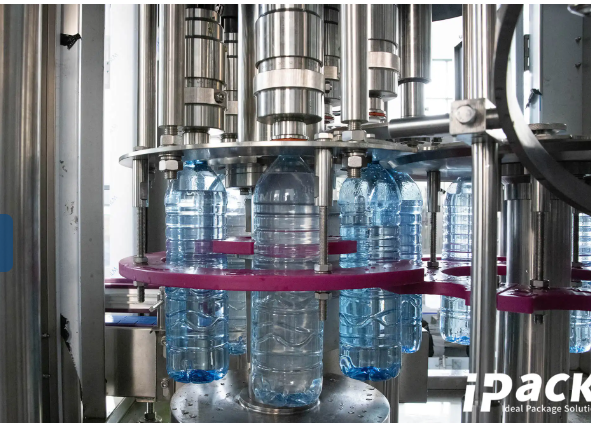
Inconsistent Fill Levels: Causes and Calibration Fixes for Oil Filling Machines
Why fill volume drifts despite recent calibration
Even after calibration, oil filling machines can experience volume drift. Temperature shifts alter oil viscosity—changing flow dynamics—and air bubbles trapped in lines disrupt consistent dosing. Mechanical wear in valves or pistons introduces gradual deviation over time. Regular verification—not just initial calibration—catches these issues early and maintains compliance with ISO 8504-2 and ASTM D1298 standards for volumetric accuracy.
How sensor drift, pump wear, and oil viscosity changes degrade dosing accuracy
Three primary factors undermine precision:
- Sensor drift: Level detectors lose ±0.3% accuracy monthly without recalibration
- Pump wear: Unmaintained pumps show up to 5% deviation after 500 operating hours
- Viscosity shifts: A 10°C temperature change can alter flow rates by 15% in heavy oils
| Factor | Impact on Accuracy | Mitigation Frequency |
|---|---|---|
| Sensor Calibration | ±2% variance | Monthly verification |
| Pump Maintenance | Up to 5% deviation | 500-hour inspection |
| Viscosity Monitoring | 15% flow rate change | Per-batch adjustment |
These values reflect field data from the National Institute of Standards and Technology (NIST) traceable flow validation protocols used by Tier-1 lubricant manufacturers.
Case study: Flow meter validation + recalibration reduced variance by 92%
A lubricant producer faced 7% fill inconsistency. Technicians implemented weekly flow meter validation against master gauges, viscosity-based adjustment protocols, and piston seal replacement every 400 hours. This reduced variance to 0.5% within eight weeks, cutting annual product loss by $92k. Proactive calibration prevents costly deviations—and aligns with FDA 21 CFR Part 11 requirements for audit-ready process documentation.
Leakage and Dripping Nozzles: Seal Integrity and Valve Timing Solutions
Post-fill dripping and spills during high-speed oil filling
Post-fill dripping plagues 18% of high-speed oil filling operations, causing product waste and contamination risks. It most commonly occurs during rapid container transitions, when residual oil escapes before nozzle closure completes. Worn seals cause 43% of leakage incidents; residual line pressure contributes to 23%. High-viscosity oils worsen the issue due to delayed separation from nozzle tips—especially above 200 cSt.
Root causes: O-ring degradation, valve timing lag, and vacuum backflow
Three primary factors drive nozzle leakage:
- O-ring degradation: Constant friction and chemical exposure to petroleum-based oils accelerate seal breakdown, creating micro-gaps
- Valve timing lag: Shut-off valves exceeding 0.3 seconds cannot keep pace with high-cycle production lines
- Vacuum backflow: Improper pressure regulation creates suction that pulls oil backward post-filling
Advanced systems now incorporate real-time viscosity compensation to dynamically adjust sealing force—reducing drip incidence by up to 76%, per a 2023 Machinery Safety Council benchmark report.
Electrical Failures: Diagnosing Power Loss and Control Anomalies in Oil Filling Machines
Intermittent startup, sudden stops, and delayed reset response
Intermittent electrical issues are among the most disruptive yet elusive faults in oil filling machines—symptoms often vanish during manual inspection. Operators frequently report unexpected mid-cycle stops (spoiling batches), long delays between reset commands and startup, and inconsistent control panel response. These interruptions not only disrupt production schedules but also increase product waste and introduce avoidable safety hazards. For high-volume lines, even brief downtime events cost up to $50,000 per hour in lost output (IndustryWeek, 2022), making fast, accurate diagnosis critical.
Voltage instability, relay erosion, and PLC signal noise troubleshooting
Begin troubleshooting by logging input voltage across a full production cycle to uncover hidden fluctuations that trigger intermittent failures. Next, inspect all power relays for contact erosion: repeated cycling causes pitting that blocks consistent current flow—worn relays are low-cost, high-impact replacements. For PLC signal anomalies, loose wiring or proximity to high-voltage equipment introduces noise that corrupts control logic. Routing control cables away from high-power lines and tightening all terminal connections resolves roughly 60% of signal-related issues (Automation Industry Association, 2023). All diagnostics should follow NFPA 79 electrical safety standards for industrial machinery.
Pump Performance Issues: Jamming, Overpumping, and Flow Instability with Viscous Oils
Viscous oils pose unique challenges for pumps in oil filling machines, often leading to jamming, overpumping, and erratic flow. Thicker fluids increase internal friction, causing components to work harder and overheat—accelerating wear on seals and bearings, especially with oils exceeding 500 cSt. Particulate buildup in valves or discharge lines can cause mechanical jamming, halting production entirely. Overpumping typically stems from viscosity fluctuations or pump oversizing, forcing operation beyond its Best Efficiency Point (BEP). Flow instability manifests as surging or cavitation—particularly when viscosity changes abruptly during batch processing. A 20% viscosity increase can reduce flow rates by 15%, demanding recalibration. Preventive measures include selecting hardened-steel pump components, implementing viscosity-based speed controls, and scheduling monthly seal inspections. For oils above 300 cSt, progressive cavity or gear pumps provide more stable dosing than centrifugal designs—per ASME B73.1-2022 pump selection guidelines.
FAQ Section
Why does my oil filling machine show inconsistent fill levels?
Inconsistent fill levels can result from temperature shifts altering oil viscosity, trapped air bubbles, mechanical wear, or inadequate calibration procedures. Regular verification is recommended to prevent deviations.
What causes nozzle leakage post-filling?
Nozzle leakage often stems from degraded O-rings, delayed valve closures, or vacuum backflow. High-viscosity oils can exacerbate the issue by delaying the separation from nozzle tips.
How can electrical failures affect oil filling operations?
Electrical failures lead to intermittent stops, startup delays, and control panel malfunctions. Causes include voltage instability, relay erosion, and PLC signal noise.
What are common issues with pumps used for viscous oils?
Pumps dealing with viscous oils can experience jamming, overpumping, and flow instability due to increased internal friction and particulate buildup.
What preventive maintenance is recommended for oil filling machines?
Recommended maintenance includes monthly sensor calibration, 500-hour pump inspections, per-batch viscosity monitoring, and implementing hardened-steel components for pumps handling highly viscous oils.
Table of Contents
- Inconsistent Fill Levels: Causes and Calibration Fixes for Oil Filling Machines
- Leakage and Dripping Nozzles: Seal Integrity and Valve Timing Solutions
- Electrical Failures: Diagnosing Power Loss and Control Anomalies in Oil Filling Machines
- Pump Performance Issues: Jamming, Overpumping, and Flow Instability with Viscous Oils
- FAQ Section