 EN
EN

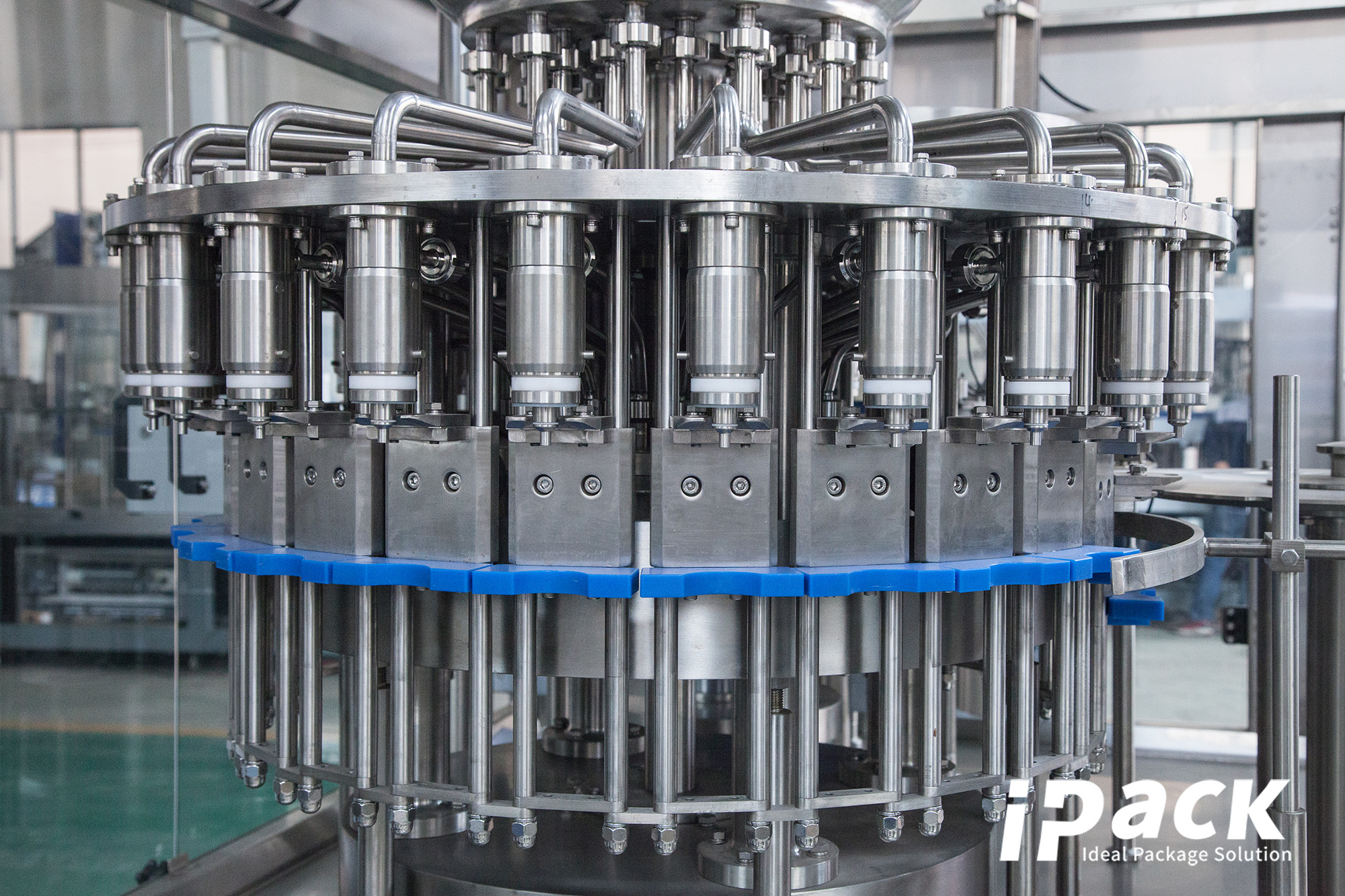
जूस उत्पादन में जीवाणु संदूषण और बायोफिल्म के निर्माण का उच्च जोखिम होता है। चूँकि जूस अम्लीय होता है और इसमें शुगर अवशेष होते हैं, सामान्य भरण उपकरण आसानी से शेष द्रव छोड़ देते हैं और सूक्ष्मजीवों के प्रजनन के लिए उपयुक्त वातावरण बना देते हैं। अच्छा स्वच्छता-अनुकूल डिज़ाइन इस समस्या का मौलिक समाधान प्रदान करता है और कारखानों को अंतर्राष्ट्रीय खाद्य सुरक्षा निरीक्षण पास करने में सहायता करता है।
तीन मुख्य डिज़ाइन कारक स्वच्छता प्रदर्शन को निर्धारित करते हैं: संरचनात्मक ज्यामिति, सतह की खुरदुरापन और खाद्य-ग्रेड सामग्री का चयन। ये तीनों मिलकर जीवाणुओं के असंगत क्षेत्रों को समाप्त करते हैं, CIP सफाई को सरल बनाते हैं और एसेप्टिक भरण लाइनों के लिए दीर्घकालिक विनियामक अनुपालन को बनाए रखते हैं।
अनुकूलित संरचना: स्वतः ड्रेनिंग डिज़ाइन सैनिटरी डेड कॉर्नर्स को समाप्त करता है खड़ा पानी और शेष रस सूक्ष्मजीवों के विकास के मुख्य कारण हैं। सभी उत्पाद-संपर्क सतहों पर समतल क्षेत्रों, समकोण जोड़ों और अंधे मृत अंतों से बचा जाना आवश्यक है।
पेशेवर रस भरने वाले उपकरण इन विशेषताओं के साथ निर्मित किए जाते हैं। पूर्ण गुरुत्वाकर्षण ड्रेनेज के लिए न्यूनतम ढलान 1 डिग्री होना आवश्यक है। सफाई के बाद कोई द्रव शेष नहीं रहता, इसलिए बायोफिल्म का निर्माण नहीं हो सकता। सभी वेल्डिंग सीमाएँ फ्लश-पॉलिश की गई हैं, और प्रत्येक कोने पर वृत्ताकार चाप संक्रमण का उपयोग किया गया है। वाल्व और पाइप फिटिंग्स को बिना असेंबली को अलग किए दृश्य निरीक्षण की अनुमति देते हैं, इसलिए सीआईपी सफाई द्रव प्रत्येक स्थान तक पहुँच सकता है।
यह संरचना कुल सफाई समय को लगभग 30% कम कर देती है, जिससे अवधि में कमी आती है और छिपे हुए दूषण को रोका जा सकता है।
सतह उपचार Ra ≤ 0.4 μm अनिवार्य है खुरदुरी धातु की सतहें रस के रेशे, चीनी और जीवाणुओं को फँसा लेती हैं। बार-बार की सीआईपी सैनिटाइजेशन भी इन अवशेषों को पूरी तरह से हटा नहीं सकती, जो लगातार द्वितीयक प्रदूषण का कारण बनेगा।
ईएचईडीजी और 3-ए स्वच्छता मानकों को पूरा करने के लिए, सभी रस-संपर्क सतहों को Ra ≤ 0.4 μm प्राप्त करने के लिए इलेक्ट्रोपॉलिश किया जाना आवश्यक है। यह चिकनी सतह अवशेषों के चिपकने को रोकती है और अम्ल तथा क्षारीय सफाई रसायनों के प्रति प्रतिरोध क्षमता में सुधार करती है। यह जूस HACCP नियमों के तहत FDA की 5-लॉग रोगाणु कमी की आवश्यकता को पूरा करने के लिए एक आवश्यक शर्त है।
खाद्य-ग्रेड सामग्री 316L स्टेनलेस स्टील + FDA अनुमोदित सील्स जूस और उच्च-शक्ति के सैनिटाइजिंग एजेंट लंबे समय तक उपयोग के दौरान सामान्य स्टील को क्षरित कर देंगे। 316L स्टेनलेस स्टील तरल के संपर्क वाले सभी भागों के लिए मानक सामग्री बन जाती है। इसकी कम कार्बन सामग्री और मॉलिब्डेनम घटक अम्ल, क्लोराइड और तापीय क्षरण के प्रति मजबूत प्रतिरोध प्रदान करते हैं।
सभी गैस्केट्स और सीलिंग भागों में खाद्य-ग्रेड EPDM या सिलिकॉन रबर का उपयोग किया जाता है जो FDA की आवश्यकताओं को पूरा करता है। ये इलास्टोमर्स कोई रासायनिक पदार्थ नहीं छोड़ते और न ही जीवाणुओं को पनपने देते हैं। पूरी सामग्री विन्यास मशीन को वर्षों तक EHEDG, 3-A सैनिटरी मानकों और ISO 22000 के अंतर्गत प्रमाणित रखता है।
जूस भरण मशीनों के लिए वैश्विक नियामक आवश्यकताएँ ईएचईडीजी, 3-ए और आईएसओ 22000 पेय उपकरणों के लिए प्रमुख अंतर्राष्ट्रीय प्रमाणन प्रणाली बनाते हैं। ईएचईडीजी उपकरण की संरचना, निकास प्रदर्शन और सफाई योग्यता पर केंद्रित है। 3-ए प्रसंस्करण और सतह समाप्ति के लिए कठोर मानक निर्धारित करता है। आईएसओ 22000 जोखिम आकलन और सफाई सत्यापन सहित पूरी खाद्य सुरक्षा प्रबंधन प्रक्रिया को शामिल करता है। त्रिगुणित प्रमाणन विदेशी व्यापार बाधाओं को दूर करता है और वैश्विक खरीदारों के साथ विश्वास का निर्माण करता है।
एफडीए जूस एचएसीसीपी आवश्यकता है कि जूस निर्माता सैल्मोनेला और ई. कोलाई ओ157:एच7 जैसे हानिकारक जीवाणुओं के विरुद्ध 5-लॉग रोगाणु उन्मूलन प्राप्त करें। भरण स्टेशन पास्चुराइज़ेशन के बाद एक महत्वपूर्ण नियंत्रण बिंदु है। आधुनिक स्वच्छ रस भरण मशीनों में स्टेराइल वायु अतिदाब, पूर्णतः सील किए गए एसेप्टिक वाल्व तथा स्वचालित सीआईपी (CIP) और एसआईपी (SIP) संचारण प्रणाली को अपनाया जाता है। तापमान और दबाव के आंकड़ों की वास्तविक समय में निगरानी की जाती है, और यदि कोई विचलन दिखाई देता है तो प्रणाली स्वतः ही पैरामीटर्स को समायोजित कर देती है। ये यांत्रिक अवरोध पुनः संदूषण को प्रभावी ढंग से रोकते हैं और एचएसीसीपी (HACCP) नियंत्रण को लागू करने को बहुत आसान बनाते हैं।
डिज़ाइन द्वारा सफाई योग्यता: सीआईपी (CIP) दक्षता और रखरखाव की पहुँच विश्वसनीय सैनिटेशन सदैव संरचनात्मक डिज़ाइन से शुरू होता है, न कि मैनुअल संचालन से। 1 डिग्री का स्वचालित ड्रेनिंग ढलान पाइपलाइनों के अंदर तरल के जमा होने को रोकता है। प्रत्येक आंतरिक फिटिंग इतनी स्पष्ट दृश्य रेखा बनाए रखती है कि कर्मचारी मशीन को अलग किए बिना ही सफाई के परिणामों की जाँच कर सकें। ऐसे कोई छुपे हुए अंधे क्षेत्र नहीं हैं जहाँ कार्बनिक अपशिष्ट जमा हो सकता है।
यह डिज़ाइन विघटन कार्य को कम करती है, निरीक्षण चक्रों को छोटा करती है और लंबे समय तक निरंतर उत्पादन के दौरान सैनिटाइज़िंग प्रभाव को स्थिर बनाए रखती है। उच्च-मात्रा में जूस निर्माताओं को उपकरण के अधिक उपयोग के समय और स्थिर उत्पाद सुरक्षा दोनों का लाभ प्राप्त होता है।
अक्सर पूछे जाने वाले प्रश्न
जूस भरने की मशीनों के लिए स्वच्छता इंजीनियरिंग इतनी महत्वपूर्ण क्यों है? स्वच्छता-अनुकूल डिज़ाइन जीवाणुओं के अस्तित्व के अंधे क्षेत्रों और बायोफिल्म के विकास को समाप्त करती है, गहन सफाई सुनिश्चित करती है, और जूस निर्माताओं को वैश्विक खाद्य सुरक्षा विनियमों का पालन करने में सहायता प्रदान करती है, जिससे क्रॉस-संदूषण और उत्पाद गुणवत्ता से संबंधित जोखिमों से बचा जा सकता है।
जूस भरने की मशीनों में सतह के फिनिश का क्या महत्व है? Ra ≤ 0.4μm की अत्यंत चिकनी सतह रस के रेशे, चीनी के अवशेषों और सूक्ष्मजीवों के उपकरण की सतहों पर चिपकने को रोकती है। यह सीआईपी (CIP) चक्रों के दौरान पूर्ण सैनिटाइज़ेशन की गारंटी देती है, द्वितीयक संदूषण को प्रभावी ढंग से रोकती है और कड़े अंतर्राष्ट्रीय स्वच्छता मानकों को पूरा करती है।
स्वच्छता-अनुकूल जूस भरने के उपकरणों के लिए कौन-से सामग्री मानक हैं? जूस भरण मशीनों में उत्पाद-संपर्क वाले सभी घटकों के लिए 316L खाद्य-ग्रेड स्टेनलेस स्टील का उपयोग किया जाता है, जिसके साथ गैस्केट्स और सील्स के लिए FDA द्वारा अनुमोदित EPDM या सिलिकॉन इलास्टोमर्स का उपयोग किया जाता है। ये सामग्रियाँ अम्लीय क्षरण और उच्च-तापमान स्टरीलाइज़ेशन के प्रति प्रतिरोधी होती हैं और रासायनिक लीचिंग के बिना रहती हैं।
जूस भरण मशीनों को कौन-कौन से वैश्विक प्रमाणनों की आवश्यकता होती है? योग्य निर्यात-ग्रेड जूस भरण मशीनों के लिए तीन मुख्य प्रमाणनों—EHEDG, 3-A Sanitary Standards और ISO 22000—की आवश्यकता होती है, जो उपकरण के डिज़ाइन, निर्माण गुणवत्ता और पूर्ण खाद्य सुरक्षा प्रबंधन प्रणालियों को कवर करते हैं।
जूस भरण मशीनें FDA HACCP आवश्यकताओं को कैसे पूरा करती हैं? आधुनिक स्वच्छता-अनुकूल भरण मशीनों में स्टेराइल वायु ओवरप्रेशर, पेशेवर एसेप्टिक वाल्व और पूर्ण रूप से सत्यापित CIP/SIP स्टरीलाइज़ेशन प्रणालियाँ शामिल होती हैं। वास्तविक समय में पैरामीटर निगरानी 5-लॉग रोगाणु कमी सुनिश्चित करती है, जो पोस्ट-पास्चराइज़ेशन द्वितीयक दूषण को समाप्त कर देती है और FDA जूस HACCP प्रोटोकॉल के पूर्ण अनुपालन को सुनिश्चित करती है।