 EN
EN

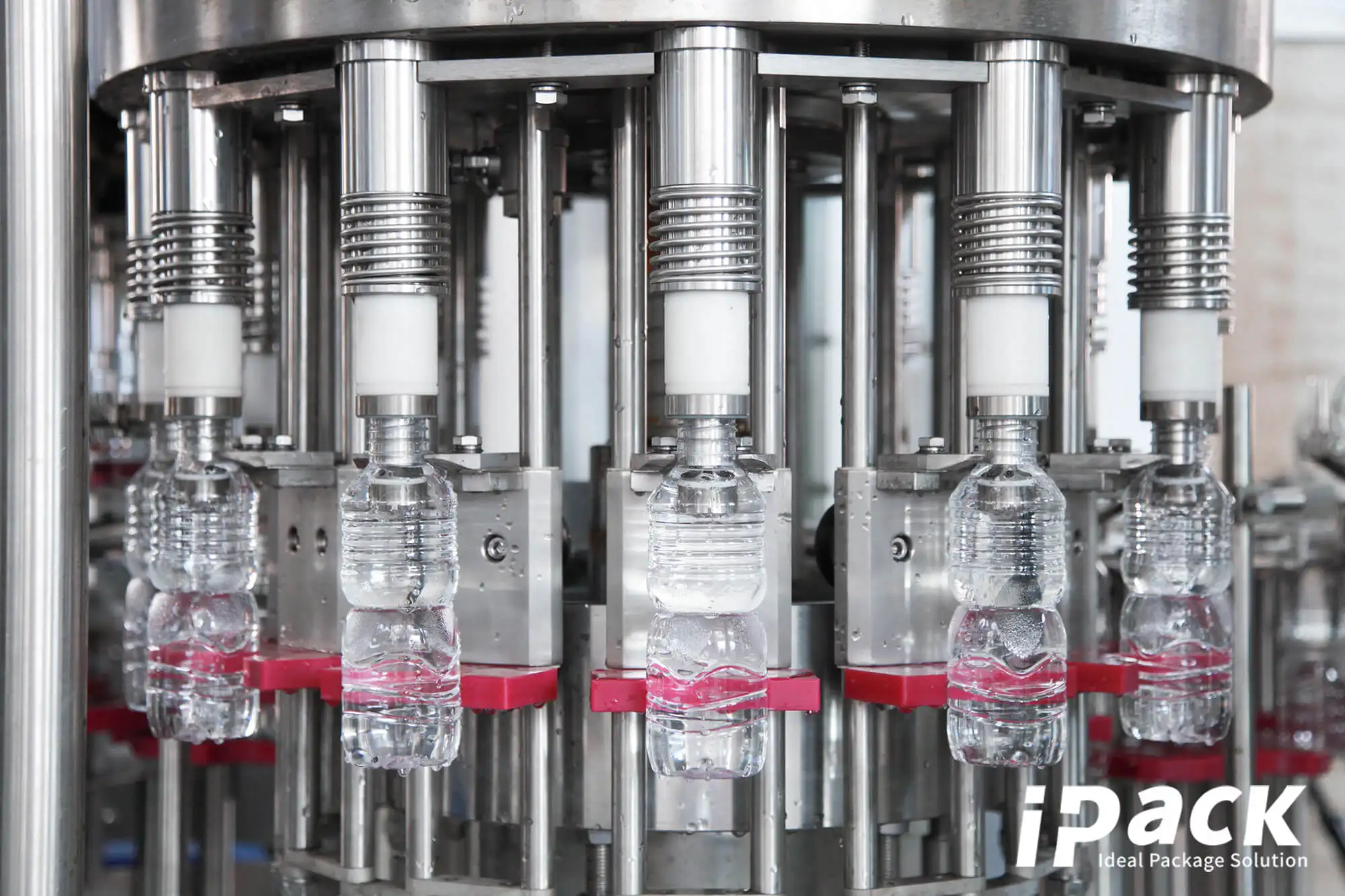
Máy dán nhãn: Các yếu tố cốt lõi thúc đẩy nhận diện thương hiệu nhất quán
Việc áp dụng chính xác củng cố niềm tin vào thương hiệu thông qua tính đồng nhất về mặt hình ảnh
Mỗi sản phẩm xuất hiện trên kệ hàng đều phản ánh thương hiệu đứng sau nó. Các máy dán nhãn áp dụng nhãn với độ chính xác ở cấp micromet—đảm bảo vị trí, độ căn chỉnh và lực căng chính xác trên từng đơn vị sản phẩm. Khác với phương pháp dán nhãn thủ công—thường gây ra sự biến thiên về góc độ, khoảng cách hoặc lực ép—tự động hóa loại bỏ hoàn toàn các nhãn bị lệch, nhăn hoặc nổi bong bóng, vốn làm suy giảm tính chuyên nghiệp và làm giảm niềm tin của người tiêu dùng. Sự đồng nhất về mặt thị giác này thể hiện quy trình kiểm soát chất lượng nghiêm ngặt và tinh thần chú trọng đến từng chi tiết—những đặc điểm mà khách hàng trực tiếp liên hệ với độ tin cậy của thương hiệu. Trong các ngành chịu sự quản lý chặt chẽ như thực phẩm, dược phẩm và mỹ phẩm, việc định vị nhãn một cách nhất quán còn hỗ trợ tuân thủ các yêu cầu của FDA, Quy định Thiết bị Y tế EU (EU MDR) và tiêu chuẩn ISO 22000, từ đó giảm thiểu rủi ro trong quá trình thanh tra và khả năng thu hồi sản phẩm. Khi người mua nhìn thấy các nhãn rõ nét, đồng nhất qua từng đợt sản xuất, sự quen thuộc dần được xây dựng—and sự quen thuộc thúc đẩy hành vi mua lại. Một máy dán nhãn hiệu suất cao giúp mở rộng quy mô mức độ nhất quán này, biến độ chính xác thành lợi thế cạnh tranh có thể đo lường được.
Tích hợp liền mạch giữa kiểu chữ, màu sắc và bố cục trên các đợt in nhãn
Các máy dán nhãn hiện đại bảo toàn toàn vẹn các yếu tố thiết kế then chốt đối với thương hiệu—không chỉ về vị trí dán, mà còn về độ trung thực. Chúng duy trì kiểu chữ sắc nét, độ chính xác trong việc căn chỉnh màu sắc và sự căn chỉnh bố cục chính xác trên hàng nghìn sản phẩm, ngay cả khi vận hành ở tốc độ vượt quá 400 nhãn mỗi phút. Các hệ thống cấp liệu điều khiển bằng động cơ servo tiên tiến cùng hệ thống kiểm tra thị giác vòng kín giúp ngăn ngừa những sai lệch tinh vi trong việc căn chỉnh có thể làm mờ logo, lệch vị trí các chú thích hoặc bóp méo mã vạch. Việc hiệu chuẩn ổn định quy trình in chuyển nhiệt hoặc in kỹ thuật số đảm bảo màu sắc khớp chuẩn Pantone luôn nhất quán giữa các lô sản xuất—một yếu tố then chốt, bởi các nghiên cứu cho thấy tới 80% người tiêu dùng dựa vào màu sắc như yếu tố nhận diện thương hiệu chủ đạo (Viện Màu Pantone, 2023). Bằng cách loại bỏ hoàn toàn sự trôi lệch cơ học và sai sót do con người, những hệ thống này bảo vệ khoản đầu tư hoàn vốn (ROI) đã được dành cho thiết kế đồ họa và phát triển bao bì. Kết quả là một hình ảnh thương hiệu đồng nhất trên kệ trưng bày—dù ở trung tâm xử lý đơn hàng thương mại điện tử, cửa hàng chuyên biệt hay các lối đi bán lẻ quy mô lớn—củng cố mạnh mẽ bản sắc thương hiệu mà không hề giảm sút.
Tăng Cường Tính Thẩm Mỹ Khi Trưng Bày Sản Phẩm Trên Kệ Nhờ Khả Năng Dán Nhãn Của Máy Dán Nhãn
Vị Trí, Độ Căn Chỉnh Và Hướng Đặt Nhãn Tối Ưu Để Nhận Diện Ngay Lập Tức
Người tiêu dùng dành trung bình chỉ 2,6 giây để quét nhanh một sản phẩm trước khi quyết định có tương tác sâu hơn hay không (Point of Purchase Advertising International, 2022). Trong khoảng thời gian ngắn ngủi đó, vị trí dán nhãn là một tín hiệu thị giác mang tính quyết định. Một máy dán nhãn được hiệu chuẩn để đạt hướng đặt tối ưu đảm bảo rằng logo luôn xuất hiện thẳng đứng và cân đối, bảng thành phần nằm ở độ cao ngang tầm mắt, đồng thời mã vạch luôn hiển thị đầy đủ và có thể quét được—mọi lúc, mọi nơi. Đối với các bao bì hình trụ, việc căn chỉnh liên tục bao quanh thân sản phẩm giúp duy trì sự liền mạch từ mép nối này sang mép nối khác; còn đối với các bề mặt phẳng, việc định hướng góc nhất quán ngăn ngừa hiện tượng “nghiêng” về mặt thị giác—điều mà người tiêu dùng vô thức cảm nhận như dấu hiệu của chất lượng thấp. Mức độ lặp lại chính xác này không chỉ hỗ trợ yếu tố thẩm mỹ—mà còn nâng cao khả năng sử dụng thực tế và sẵn sàng đáp ứng quy định pháp lý. Khi mỗi nhãn đều được dán đúng vị trí như nhau, thương hiệu sẽ truyền tải hình ảnh chuyên nghiệp, thống nhất và kiểm soát chặt chẽ—những phẩm chất thúc đẩy nhận diện nhanh chóng và xây dựng niềm tin vô thức trong quá trình lựa chọn sản phẩm trên kệ hàng với tốc độ cao.
Sự kết hợp giữa vật liệu và keo dán: Cách nhãn cảm ứng áp lực nâng cao hiệu quả xúc giác và thị giác
Nhãn cảm ứng áp lực đóng vai trò là giao diện xúc giác cuối cùng giữa thương hiệu và người tiêu dùng—và máy dán nhãn chính là thiết bị chính xác khai phá tối đa tiềm năng biểu đạt của chúng. Sự kết hợp hài hòa giữa lớp mặt (bóng, mờ, có kết cấu hoặc kim loại), thành phần keo dán (vĩnh viễn, có thể tháo rời hoặc dành riêng cho tủ đông) và cơ chế dán không chỉ quyết định đến hiệu quả thị giác mà còn ảnh hưởng đến cảm nhận xúc giác. Bề mặt bóng cao giúp tối đa hóa khả năng phản xạ ánh sáng nhằm thu hút sự chú ý; lớp phủ mềm mượt tạo cảm giác cao cấp thông qua phản hồi xúc giác; còn các màng siêu mỏng, linh hoạt đảm bảo độ bám dính hoàn hảo trên bao bì có hình dáng cong hoặc dễ uốn. Các máy dán nhãn hiện đại áp dụng lực ép đồng đều, thời gian tiếp xúc ổn định và góc bóc chính xác—ngăn ngừa hiện tượng bong mép, giãn dài hoặc bẫy bọt khí làm giảm tính thẩm mỹ hay độ bền. Khi nhãn dán phẳng tuyệt đối trên bề mặt sản phẩm, toàn bộ bao bì đều truyền tải thông điệp về sự tinh xảo trong chế tác. Chính sự đảm bảo về mặt xúc giác này trực tiếp nâng cao giá trị cảm nhận của sản phẩm: nghiên cứu đăng trên Tạp chí Tâm lý học Người tiêu dùng chỉ ra rằng bao bì kích thích khả năng chạm vào có thể làm tăng ý định mua hàng lên tới 27%. Ở đây, máy dán nhãn không đơn thuần chỉ đang gắn keo—mà còn đang mang đến trải nghiệm thương hiệu.
Mở rộng sự khác biệt thương hiệu thông qua tự động hóa máy dán nhãn thông minh
Chuyển đổi nhanh và in dữ liệu biến đổi để tùy chỉnh theo thị trường ngách
Ngày nay, các máy dán nhãn thông minh hỗ trợ tính linh hoạt chiến lược—không chỉ hiệu quả vận hành. Các hệ thống chuyển đổi nhanh giúp giảm thời gian điều chỉnh định dạng từ hàng giờ xuống dưới năm phút, cho phép các thương hiệu tung ra các phiên bản giới hạn, biến thể theo mùa hoặc mã SKU đặc thù theo khu vực mà không gây gián đoạn sản xuất. Công nghệ in dữ liệu biến đổi (VDP) tích hợp mở rộng tính linh hoạt này bằng cách nhúng trực tiếp lên nhãn các nội dung độc nhất và cập nhật theo thời gian thực: mã QR dẫn đến các chương trình khuyến mãi địa phương, dữ liệu truy xuất nguồn gốc cụ thể theo lô sản xuất hoặc thông điệp cá nhân hóa được xác thực dựa trên luồng dữ liệu từ hệ thống CRM. Điều này biến bao bì tĩnh thành phương tiện truyền thông thương hiệu phản ứng nhanh—giúp các nhà sản xuất chuyên biệt có thể:
- Cung cấp hình ảnh phù hợp về mặt văn hóa cho các thị trường nhỏ lẻ mà không cần thiết kế lại toàn bộ tài nguyên nhãn
- Nhúng các ưu đãi theo thời điểm (ví dụ: “Quét để xem video công thức hôm nay”) nhằm thúc đẩy mức độ tương tác
- Duy trì hình ảnh cao cấp thông qua những chi tiết đặc biệt như phông chữ mô phỏng chữ viết tay hoặc đánh số seri động
Khác với các hệ thống truyền thống yêu cầu cuộn nhãn đã in sẵn, các nền tảng dán nhãn có khả năng in biến đổi (VDP) cho phép các thương hiệu xem bao bì như một kênh tương tác linh hoạt—mở rộng quy mô cá nhân hóa mà không làm giảm tốc độ hay tính nhất quán.
Từ Lô Thử nghiệm đến Bán lẻ Quy mô Lớn: Duy trì Tính toàn vẹn Thương hiệu ở Mọi Cấp Độ Khối lượng
Tính toàn vẹn thương hiệu không nên suy giảm khi mở rộng quy mô—và các máy dán nhãn hiện đại đảm bảo điều đó sẽ không xảy ra. Kiểm soát lực căng lập trình được, cơ chế cuộn băng tự động đồng bộ với động cơ servo và hệ thống định vị bằng thị giác có hỗ trợ trí tuệ nhân tạo (AI) giúp việc dán nhãn đạt độ chính xác như nhau, bất kể bạn đang chạy thử nghiệm 500 đơn vị hay sản xuất hàng loạt 500.000 đơn vị để phân phối trên toàn quốc. Các hệ thống tiên tiến tự động bù trừ cho hiện tượng giãn nở của vật liệu nền, sự thay đổi độ nhớt của keo dán hoặc biến động độ ẩm môi trường—loại bỏ hoàn toàn tình trạng "suy giảm chất lượng" từng thường thấy trong giai đoạn tăng tốc sản xuất. Đặc biệt quan trọng là các hệ thống này duy trì trọn vẹn các đặc trưng nhận diện thương hiệu then chốt ở mọi quy mô: máy in kỹ thuật số được hiệu chuẩn theo chuẩn Pantone đảm bảo độ trung thực màu sắc trong giới hạn ΔE < 1,5; các module cắt khuôn chính xác đảm bảo độ rõ nét và nhất quán ở đường viền; và các cảm biến đo độ bóng thời gian thực xác minh tính đồng đều của độ hoàn thiện bề mặt. Bằng cách loại bỏ các yếu tố biến động do thao tác thủ công và chuẩn hóa các thông số vật lý trong quá trình dán nhãn, hệ thống tự động hóa thông minh giúp duy trì hình ảnh trình bày ở mức độ tinh xảo như một thương hiệu cao cấp—ngay cả khi vận hành ở năng suất công nghiệp. Chính sự nhất quán này cho phép các thương hiệu mới nổi mở rộng quy mô một cách chân thực, giữ nguyên giọng điệu đặc trưng và quyền lực thị giác đã giúp họ ban đầu giành được niềm tin từ người tiêu dùng.
Câu hỏi thường gặp
Tại sao máy dán nhãn lại quan trọng đối với tính nhất quán thương hiệu?
Máy dán nhãn cung cấp việc dán nhãn chính xác và đồng đều, nâng cao tính chuyên nghiệp của thương hiệu và duy trì niềm tin của người tiêu dùng. Chúng loại bỏ sự khác biệt về mặt thị giác và đảm bảo tuân thủ các tiêu chuẩn quy định.
Máy dán nhãn bảo vệ tính nguyên vẹn của thiết kế như thế nào?
Các máy dán nhãn hiện đại duy trì tính nhất quán về kiểu chữ, độ trung thực màu sắc và bố cục nhờ sử dụng hệ thống servo tiên tiến và cơ chế kiểm tra bằng thị giác, đảm bảo các thiết kế then chốt của thương hiệu luôn được giữ nguyên trong quy mô sản xuất lớn.
Máy dán nhãn có thể cải thiện khả năng thu hút sản phẩm trên kệ không?
Có, máy dán nhãn đảm bảo vị trí và độ căn chỉnh nhãn tối ưu, giúp sản phẩm trở nên bắt mắt và dễ nhận diện ngay lập tức trên kệ, đồng thời thể hiện năng lực và chất lượng.
Vai trò của nhãn cảm ứng áp lực đối với nhận thức của người tiêu dùng là gì?
Nhãn cảm ứng áp lực làm tăng hiệu quả thị giác và trải nghiệm xúc giác. Máy dán nhãn tối ưu hóa việc áp dụng chúng, đảm bảo độ bám dính hoàn hảo và trình bày sản phẩm như một sản phẩm cao cấp, từ đó nâng cao giá trị cảm nhận.
Máy dán nhãn thông minh giúp thương hiệu tạo sự khác biệt như thế nào?
Máy dán nhãn thông minh hỗ trợ thay đổi nhanh chóng và tích hợp in dữ liệu biến đổi, cho phép doanh nghiệp tùy chỉnh nhãn dành riêng cho các phân khúc thị trường ngách, các phiên bản giới hạn hoặc các chương trình khuyến mãi cá nhân hóa mà không ảnh hưởng đến hiệu suất hay tính nhất quán.
Mục lục
- Máy dán nhãn: Các yếu tố cốt lõi thúc đẩy nhận diện thương hiệu nhất quán
- Tăng Cường Tính Thẩm Mỹ Khi Trưng Bày Sản Phẩm Trên Kệ Nhờ Khả Năng Dán Nhãn Của Máy Dán Nhãn
- Mở rộng sự khác biệt thương hiệu thông qua tự động hóa máy dán nhãn thông minh
-
Câu hỏi thường gặp
- Tại sao máy dán nhãn lại quan trọng đối với tính nhất quán thương hiệu?
- Máy dán nhãn bảo vệ tính nguyên vẹn của thiết kế như thế nào?
- Máy dán nhãn có thể cải thiện khả năng thu hút sản phẩm trên kệ không?
- Vai trò của nhãn cảm ứng áp lực đối với nhận thức của người tiêu dùng là gì?
- Máy dán nhãn thông minh giúp thương hiệu tạo sự khác biệt như thế nào?