 EN
EN

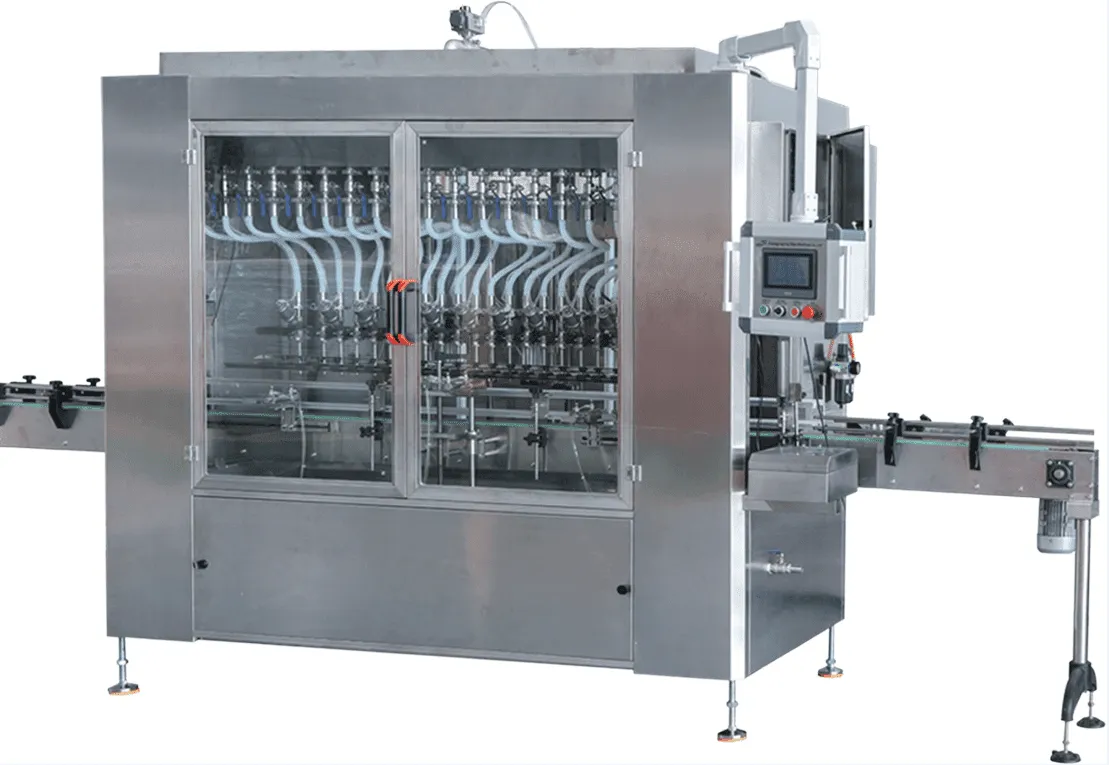
Oil viscosity is the single most important factor in selecting an industrial oil filling machine. Thin oils, such as refined sunflower, soybean, or light essential oils, flow freely under gravity and generate minimal backpressure. For these low-viscosity products ranging from 1 to 100 cP, gravity or overflow fillers deliver highly accurate, high-speed results without mechanical complexity. In contrast, thick oils like cold-pressed olive oil, heavy crude derivatives, or industrial lubricants behave more like semi-solids. They actively resist flow, trap air bubbles, and require positive displacement force to move through the line. Attempting to use a standard gravity system on such thick fluids leads to chronic underfills, persistent nozzle dripping, and severe foaming issues. Matching the oil’s specific viscosity behavior to the correct physical filling principle is a technical necessity to ensure consistent fill weights and reliable packaging line operation.
How gravity, piston, gear pump, and vacuum systems handle different viscosity ranges
Achieving reliable packaging throughput requires a clear understanding of how different mechanical designs interface with liquid product characteristics. Selecting the wrong pump or valve assembly can result in product shearing, inaccurate indexing, or premature component wear.
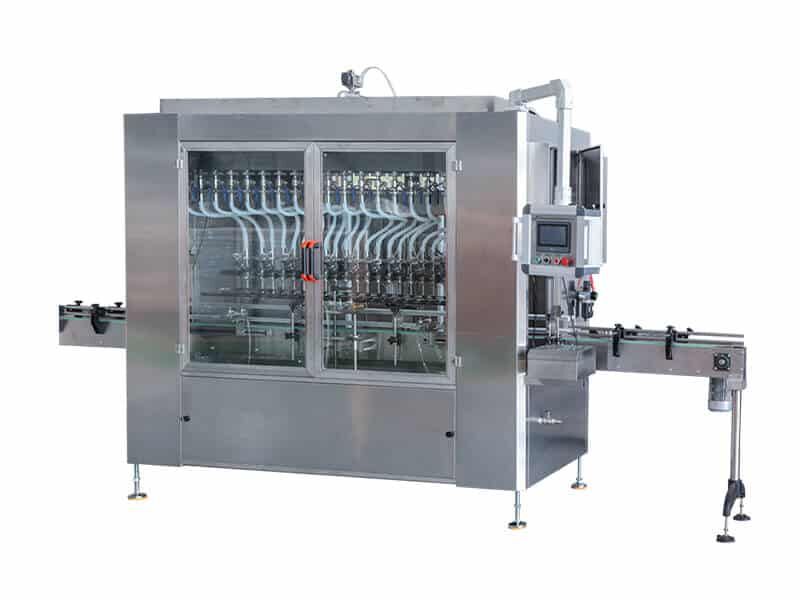
To help production engineers choose the ideal setup for their specific fluid profiles, the core processing parameters are detailed below:
| Filling Technology | Suitable Viscosity Range | How It Works | Typical Application |
| Gravity Systems | Low (1–100 cP) | Liquid flows from tank to container by gravity; simple and low-cost | Sunflower, soybean, light oils |
| Piston Mechanism | Medium to High (100–100,000+ cP) | Mechanical piston draws and pushes a fixed volume; excellent precision | Lubricants, greases, heavy edible oils |
| Gear Pump | Low to Medium (1–1,000 cP) | Positive displacement gears move oil steadily; handles shear-thinning fluids | Industrial oils, biodiesel blends |
| Vacuum Technology | Low (1–50 cP) | Creates a vacuum inside the container to draw liquid; minimizes foaming | High-quality cooking oils, wine |
Each mechanical approach carries distinct trade-offs regarding cleaning complexity, changeover speed, and product waste. For instance, piston fillers offer unmatched accuracy for thick oils but require more frequent seal replacement due to friction. Gear pumps excel at continuous, pulseless flow but may degrade highly viscous or sticky fluids over extended runs. Aligning the machinery mechanism with the oil’s actual viscosity behavior prevents costly line downtime, product rework, and excessive product giveaway.
Aligning cpm targets and fill tolerance with oil filling machine capabilities
Production speed, measured in containers per minute (CPM), must align perfectly with your broader facility throughput goals while preserving a strict ±0.5% fill accuracy tolerance. Although many global machinery suppliers advertise this specific tolerance, real-world performance depends heavily on metering technology and product consistency. Edible and industrial oils change viscosity rapidly with minor temperature fluctuations, which can shift total fill volumes if the machine lacks adaptive control systems. Piston fillers maintain repeatable volumetric precision with thick oils, whereas gear pump systems handle thin oils reliably with minimal nozzle drip. Crucially, verify that the chosen filler sustains its rated accuracy across the entire target speed range. Running a physical test batch using your exact container geometries at the intended CPM is an essential step before finalizing any equipment purchase.
Avoiding bottlenecks via nozzle design and container geometry fit
Even a high-speed automation filler creates immediate production bottlenecks if container interface details are overlooked during the engineering phase. Nozzle design must match the oil’s flow behavior precisely: anti-drip tips reduce product waste on the container shoulder, and bottom-up filling assemblies minimize aeration and internal splashing. Proper neck clearance ensures clean nozzle seating without damaging the container finish, while unusual bottle shapes, narrow openings, or off-center necks demand custom neck guides, specialized diving nozzles, or synchronized container grippers. Addressing these physical handling constraints early in the layout design eliminates costly retrofits and keeps the packaging line running smoothly at full design speed.
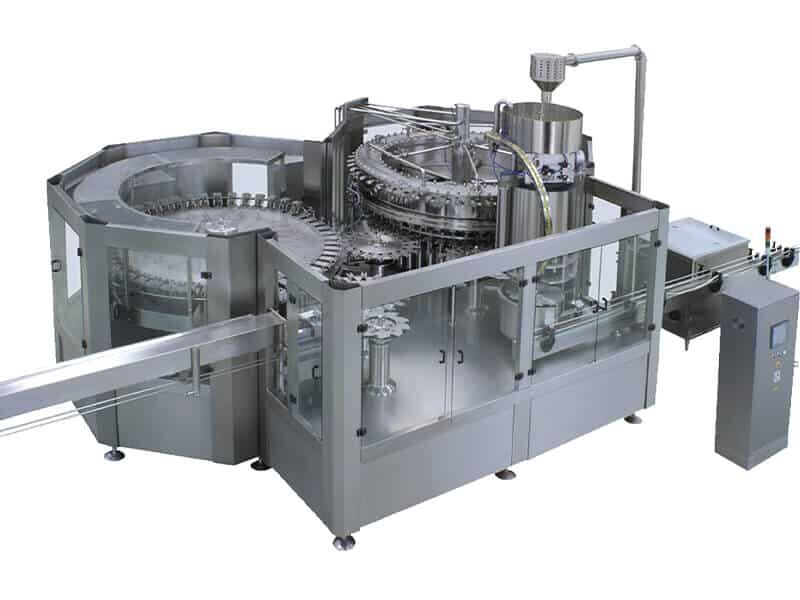
Practical trade-offs across major fluid dispensing mechanisms
Selecting the optimal industrial setup requires balancing pure speed performance against long-term maintenance demands and specific application compatibility. While one system might deliver unparalleled velocity, its cleanup time might cancel out those production gains during product changeovers.
The baseline performance trade-offs across common commercial platforms are outlined below:
| Filling Method | Speed Capability | Accuracy Level | Maintenance Level | Oil Viscosity Suitability |
| Piston Filler | Moderate | High (±0.5%) | Moderate | Medium (e.g., cooking oils) |
| Gear Pump | High | Good (±1%) | High | Wide (thin to thick oils) |
| Overflow System | Moderate | High (level-based) | Low | Low-medium (e.g., vegetable oils) |
| Rotary Lobe | High | Good (±1%) | High | High (e.g., greases, heavy oils) |
High-speed systems like gear pumps and rotary lobes typically incur 15% to 20% higher annual maintenance costs than simpler overflow alternatives, reflecting their complex internal mechanics and tight tolerances. For highly abrasive industrial fluids, the extreme durability of a rotary lobe system offsets these upkeep demands. Conversely, for high-purity edible oil applications, overflow fillers minimize sanitation downtime. Matching these operational profiles to your actual oil properties and daily output targets optimizes long-term packaging line efficiency.
Evaluating long-term total cost of ownership and automation upgrades
The tipping point for upgrading from manual or semi-automatic operations to fully integrated oil filling machine systems arrives when production targets consistently exceed 30 to 40 units per minute. At that volume, manual intervention introduces human error, physical fatigue, and noticeable quality variation. A thorough total cost of ownership (TCO) analysis should include direct labor reduction, maintenance frequency, and spare parts inventory tracking. Transitioning to a fully automatic line typically reduces operator requirements by 60% to 70%. If your facility current runs fewer than 10,000 units monthly, a semi-automatic filler with modular upgrade paths may deliver a better near-term return on investment. However, for stable, high-volume production, a fully integrated system featuring PLC controls and servo-driven nozzles cuts per-unit processing costs by up to 30% over a five-year period. Base your upgrade decision on a multi-year TCO projection rather than the initial equipment purchase price alone.