 EN
EN

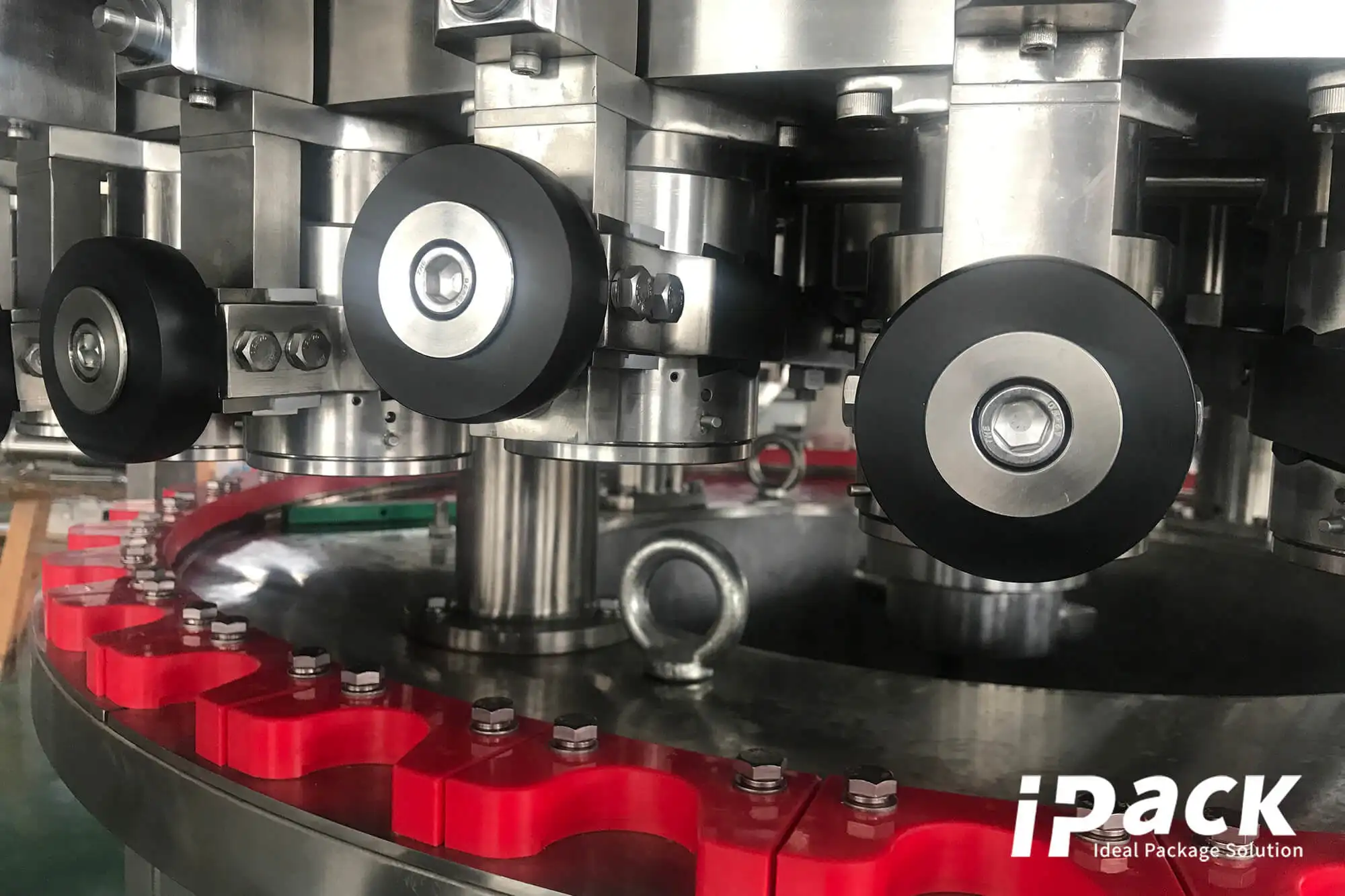
PET bottle blowing machines are the backbone of modern beverage, personal care, and pharmaceutical packaging, transforming small plastic preforms into the lightweight, durable bottles we use daily. [Contact our technical team] for expert guidance on selecting the right PET bottle blowing machine for your specific production requirements. Understanding how these machines work is essential for anyone involved in packaging procurement, production management, or factory investment.
Stretch Blow Molding Explained – From Preform to Finished PET Bottle
Stretch blow molding transforms a small, thick-walled PET preform into a lightweight, durable bottle through precise coordination of heat, mechanical stretching, and high-pressure air. The process begins with injection-molded preforms—typically 8–42 grams depending on final bottle volume—whose neck finish is already fully formed and remains cool during subsequent stages to preserve dimensional accuracy. The preform body is uniformly heated in an infrared oven to approximately 110°C, softening the PET without melting it. A stretch rod then extends vertically to axially stretch the material, while compressed air at 25–40 bar expands it radially against the mold walls. This biaxial orientation strengthens the bottle, enhances clarity, and improves barrier properties. Once solidified, the mold opens and the finished bottle is ejected. Modern machines complete this cycle in seconds, delivering consistent, high-clarity containers for beverages, personal care, and pharmaceutical applications.
Injection vs. Stretch Blow Molding – Key Differences for PET Production
Injection molding and stretch blow molding serve complementary, non-interchangeable roles in PET bottle manufacturing. Injection molding produces the preform by injecting molten PET into a test-tube-shaped mold; the neck is finalized here, while the body remains amorphous. Stretch blow molding reheats that preform and applies biaxial orientation—axial stretch via rod and radial expansion via air—to form the final bottle. This two-step sequence underpins two-stage systems, which separate preform production from blowing. In contrast, single-stage systems integrate both processes in one machine, transferring preforms directly after cooling to the blowing station—eliminating reheating and saving energy and floor space, though limiting design flexibility.
| Feature | Injection Molding (Preform) | Stretch Blow Molding (Bottle) |
|---|---|---|
| Primary function | Produce preforms | Convert preforms into bottles |
| Material state | Molten PET | Heated solid preform |
| Orientation | None (amorphous) | Biaxial (strength, clarity) |
| Typical cycle time | 15–30 seconds | 3–8 seconds per cavity |
| Part produced | Thick preform (neck ready) | Thin-walled, lightweight bottle |
The choice between configurations hinges on production volume, bottle complexity, and whether in-house preform production is required.
The 5‑Stage Operational Workflow of a Modern PET Bottle Blowing Machine
A typical automatic PET bottle blowing machine executes a tightly synchronized, continuous loop across five sequential stages. Preform feeding and orientation involves loading preforms via magazine or conveyor, then aligning and indexing them into the heating section with the neck engaged in a transfer ring to ensure positional accuracy. Heating uses infrared lamps to raise the preform body to approximately 110°C while preserving neck integrity—uniformity is critical to prevent thin spots or haze. Stretching and blowing employs a servo-controlled stretch rod that descends to axially elongate the material, followed by high-pressure air at 25–40 bar inflating it radially into the mold cavity. This biaxial orientation delivers optimal strength-to-weight ratio and optical clarity. Cooling—typically water-based—solidifies the bottle shape in 1–2 seconds, directly influencing cycle efficiency. Finally, ejection releases the finished bottle for downstream filling, labeling, or packing. Output varies by architecture: linear machines achieve 1,500–12,000 bottles per hour, while rotary systems exceed 80,000 bottles per hour—scaling with cavitation count and automation level.
PET Bottle Blowing Machine Types – Matching Configuration to Production Needs
Selecting the right PET bottle blowing machine requires aligning its mechanical configuration with throughput targets, available floor space, and operational flexibility. Linear machines move preforms stepwise along a straight-line path through discrete heating and blowing stations, typically producing 2,000–12,000 bottles per hour. They feature a compact footprint, simpler maintenance, and moderate upfront investment, making them ideal for startups and medium-volume lines. Rotary machines mount molds on a continuously rotating carousel, enabling parallel processing with outputs of 6,000–80,000+ bottles per hour. They deliver unmatched throughput and uptime for large-scale beverage plants but require more floor space and specialized technicians. Single-stage systems combine injection and blow molding in one integrated unit, eliminating reheating and cutting total energy use by up to 25%—ideal for short runs and frequent design changes. Two-stage systems decouple these functions, offering greater production independence and supporting high-volume standardized production.
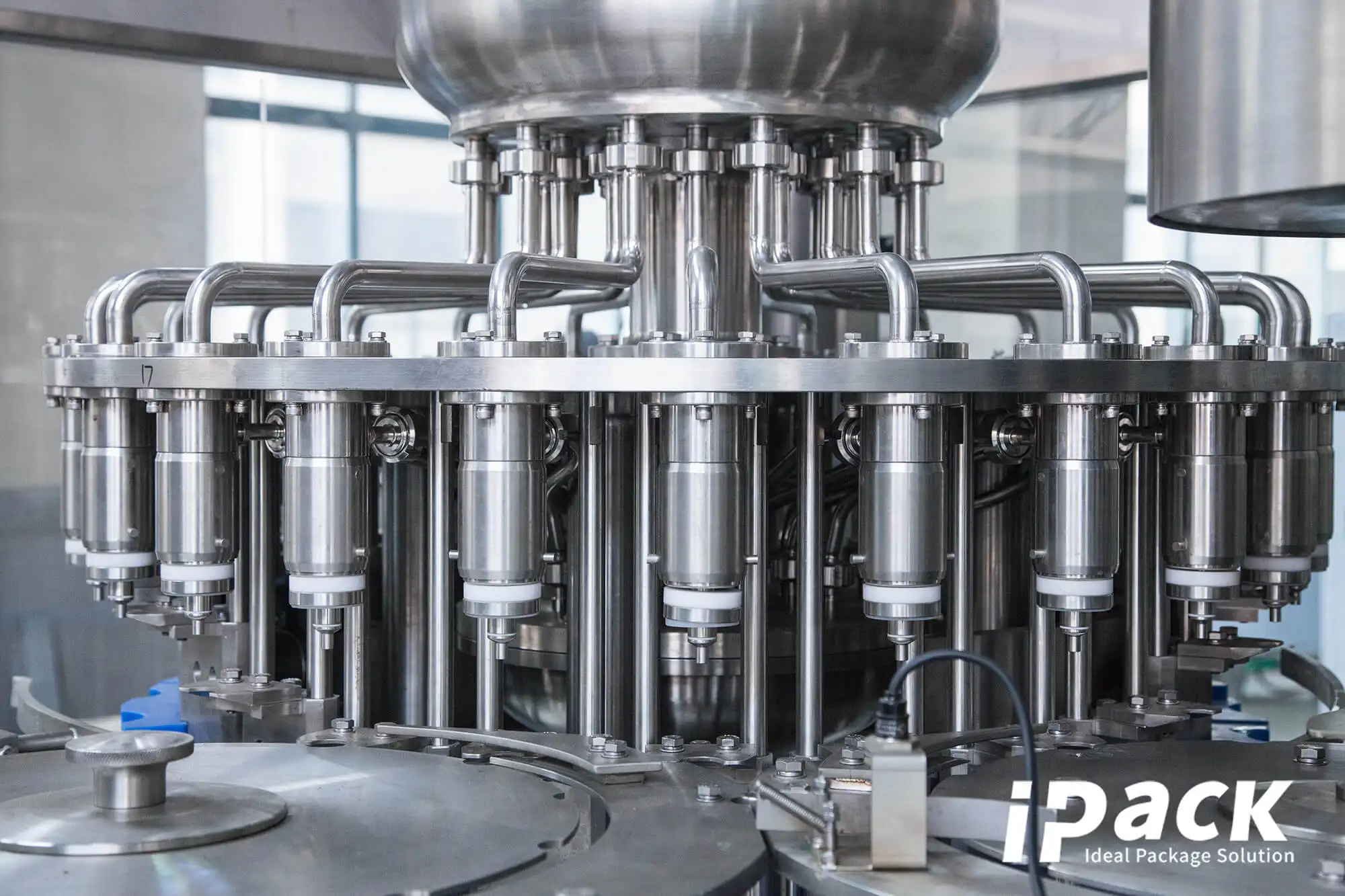
Critical Selection Criteria for Your PET Bottle Blowing Machine Investment
When investing in a PET bottle blowing machine, focus on three core criteria. Output capacity must match your annual volume targets and growth trajectory—a 6,000–8,000 bottles per hour machine reliably supports approximately 50 million 500ml bottles annually under 24/7 operation. Always verify rated output at your target bottle size and neck finish, as complex shapes reduce effective capacity. Automation level dictates labor intensity and scrap rates; fully automatic systems cut direct labor by 60–70% versus semi-automatic alternatives, with payback often occurring within 24 months through lower scrap (<2%), reduced energy use (approximately 0.35 kWh per bottle), and lights-out operation capability. Bottle customization capabilities enable precise wall-thickness distribution, supporting lightweighting strategies that cut PET resin use by 10–15% per bottle—translating to significant annual material savings for mid-sized lines. Advanced servo-driven stretch rods and electronic valve control deliver repeatable thickness profiles and maintain structural integrity across complex contours.
Evaluating Manufacturer Reliability – Beyond Hardware Specifications
When investing in a PET bottle blowing machine, hardware specs matter—but the manufacturer's support ecosystem determines long-term performance and total cost of ownership. OEM/ODM support and R&D capabilities mean collaborative engineering, not just equipment supply. Leading manufacturers co-develop distinctive bottle shapes, optimize recycled PET compatibility, and validate lightweighting strategies using proprietary simulation tools. Quality assurance standards like ISO 9001 and CE certification confirm baseline compliance, but field-proven reliability metrics such as Mean Time Between Failures carry more weight. Machines built with hardened molds, precision heating mandrels, and industrial-grade servo drives consistently achieve >95% uptime in 24/7 operations. After-sales service—including guaranteed on-site response times, a global spare parts network, and remote diagnostic platforms—determines how quickly you recover from critical failures. Remote diagnostics resolve roughly 30% of service issues without an on-site visit, minimizing costly production interruptions.
Frequently Asked Questions
What is the main function of PET bottle blowing machines? PET bottle blowing machines transform preforms into lightweight, durable bottles using heat, mechanical stretching, and high-pressure air.
What is the difference between single-stage and two-stage PET bottle blowing systems? Single-stage systems combine injection and blow molding in one machine, while two-stage systems separate the processes for greater flexibility and efficiency in high-volume production.
How does biaxial orientation improve PET bottles? Biaxial orientation strengthens the bottle, enhances optical clarity, and improves barrier properties by stretching the material both axially and radially.
What factors should I consider when selecting a PET bottle blowing machine? Consider output capacity, automation level, customization capabilities, and the manufacturer's reliability, after-sales service, and global support network.
What are the advantages of rotary PET bottle blowing machines? Rotary machines offer higher throughput, scalability, and parallel processing capabilities, making them ideal for large-scale production.