 EN
EN

Preserving Freshness: The Science of Juice Flavor Retention in Filling Systems
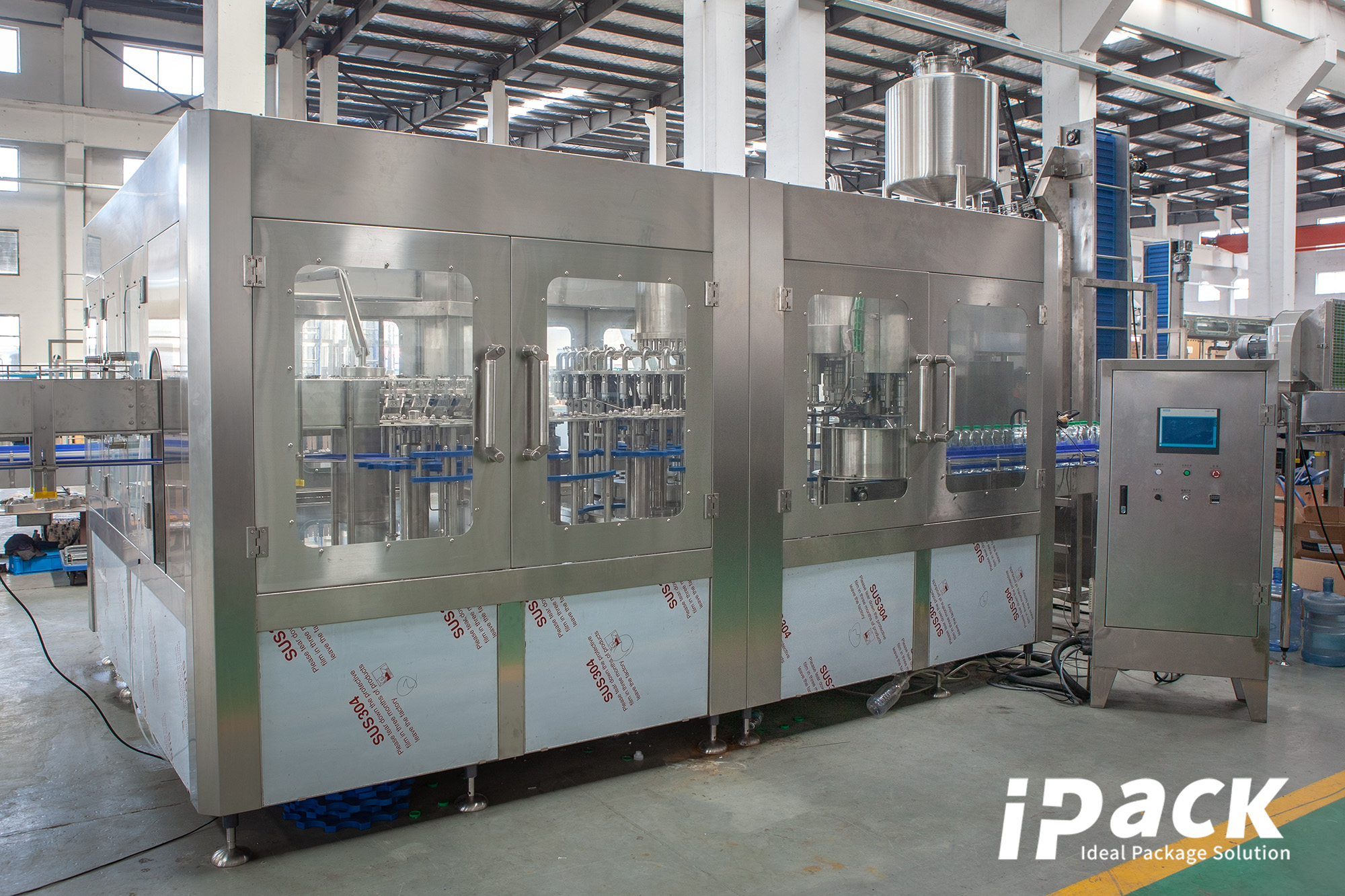
For beverage engineers and production managers, the journey of juice from the fruit to the bottle is a race against time. The moment fruit is crushed, the delicate chemical compounds that define its fresh flavor begin to degrade. Oxidation and enzymatic reactions can dismantle the aromatic profile within minutes, leading to a dull, flat taste that consumers reject. The filling process, which is the final step before packaging, is a critical control point in this battle. The design of the juice filling machine determines whether the product retains its orchard-fresh character or succumbs to flavor fatigue. Understanding the science of flavor degradation, the trade-offs between hot-fill and cold-fill technologies, and the engineering principles that protect taste is essential for producing a premium, consistent product.
The Two Primary Pathways of Flavor Degradation
The loss of fresh flavor in juice is driven by two primary mechanisms: oxidation and enzymatic breakdown. When fruit is crushed, the cells are ruptured, exposing the contents to oxygen. Dissolved oxygen rapidly degrades vitamin C and the volatile compounds that are responsible for the juice's bright aroma. This reaction introduces dullness and off-notes within minutes. Simultaneously, native enzymes, such as polyphenol oxidase, are activated. These enzymes drive browning reactions that not only discolor the juice but also erode its fresh, fruity character. To counter these threats, a well-designed juice filling machine must minimize the ingress of oxygen and control enzymatic activity. This is typically achieved through vacuum degassing or inert gas blanketing. Without these safeguards, the sensory quality of the juice declines rapidly, and the nutritional value is compromised.
The Flavor Costs of Hot-Fill Processing
Hot-fill processing is a common method for achieving shelf stability without preservatives. The juice is heated to a high temperature to sterilize it before it is filled into the bottle. While this process is effective for food safety, it exacts a steep sensory cost. The high thermal load strips away delicate volatile compounds. These volatiles, which are responsible for the floral and tropical notes of fresh fruit, are either evaporated or chemically transformed. The result is a cooked, jammy flavor profile that is noticeably different from fresh juice. Heat also degrades sugars and organic acids, shifting the natural balance between sweetness and acidity. This often necessitates the addition of sweeteners to restore palatability. While hot-fill delivers long shelf life, its flavor trade-off makes it poorly suited for premium juices where authentic taste is the primary selling point.
The Cold-Fill Advantage for Flavor Retention
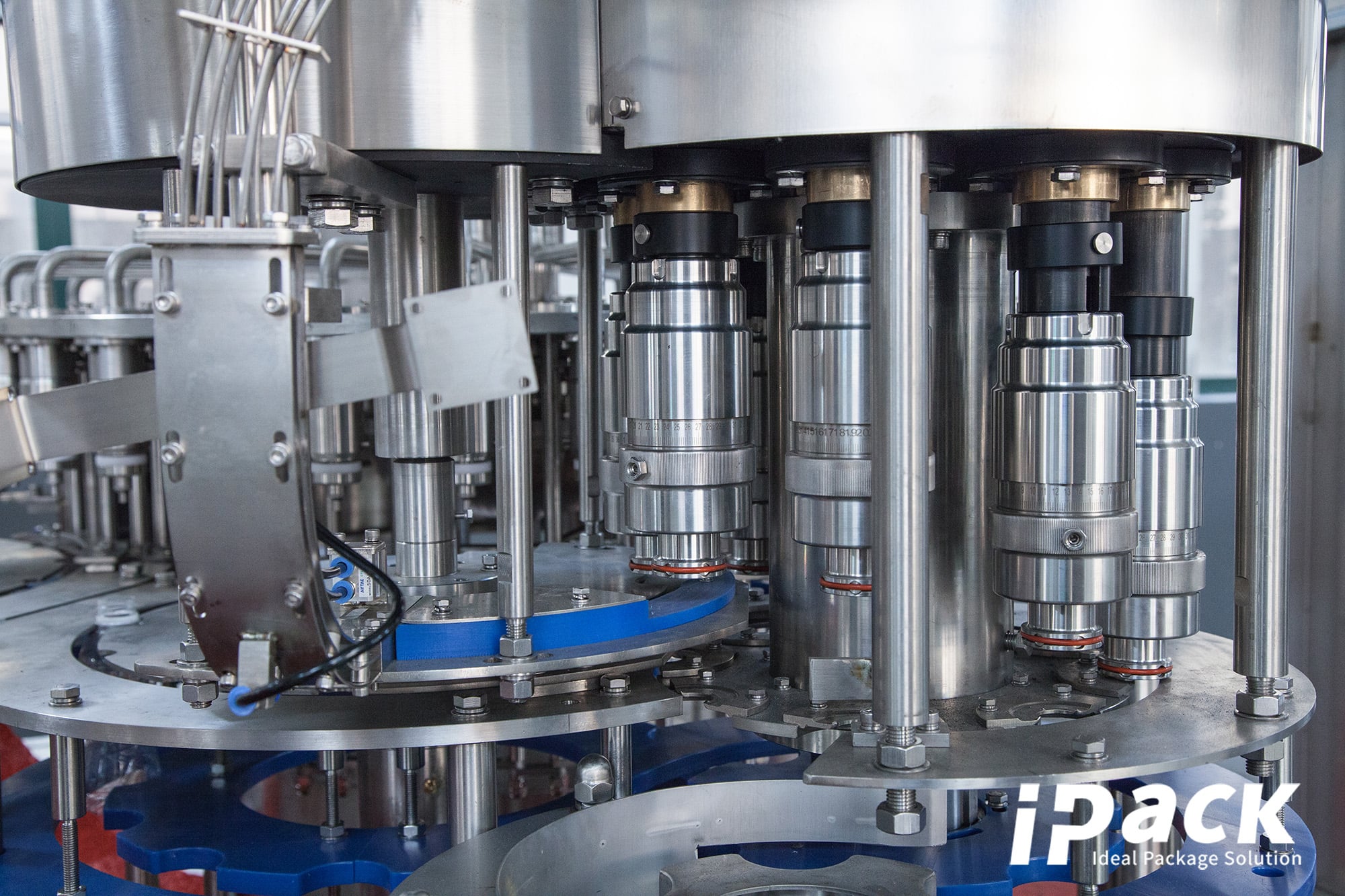
Cold-fill technology offers a compelling alternative for preserving the fresh taste of juice. The fundamental principle is to eliminate the two main enemies of flavor: heat and oxygen. Cold-fill systems use nitrogen flushing to displace oxygen from the container headspace immediately before sealing. This creates an anoxic environment that halts oxidative reactions. By eliminating thermal pasteurization, cold-fill also protects the volatile compounds from the destructive effects of heat. The result is a juice that retains its fresh, natural character without the use of preservatives.
Quantifying the Flavor Advantage of Cold-Fill
The flavor superiority of cold-fill technology has been validated through rigorous scientific studies. A prominent study in a leading food science journal analyzed the chemical composition of orange juice processed with different filling methods. The study focused on limonene, the volatile compound that is primarily responsible for the zesty, fresh-citrus aroma. The results were striking. The cold-filled juice retained a very high percentage of its original limonene content. In contrast, hot-filled samples lost a significant portion of this key aroma compound due to thermal stripping. A sensory panel of trained tasters consistently rated the cold-filled juice as fresher and more natural. Because limonene is a reliable proxy for the overall volatile integrity of the juice, this high retention rate signifies that the entire aromatic spectrum is being preserved.
The Role of Precision Filling in Taste Consistency
Uniform flavor across thousands of bottles requires precise filling accuracy. The taste of juice is a delicate balance of sugars, acids, and volatile compounds. Even a minor deviation in the fill volume can alter this balance. A slight underfill shifts the ratio of juice to dissolved solids, changing the perceived sweetness and acidity. A slight overfill may dilute the aromatic concentration. To ensure batch-to-batch consistency, modern juice filling machines achieve a tight fill tolerance. This precision is achieved through closed-loop feedback control, where sensors continuously monitor the volume being dispensed. This level of accuracy ensures that every bottle delivers the exact same taste experience, building consumer trust and protecting the brand's reputation.
Gentle Handling for Pulp and Volatiles
The physical handling of the juice during the filling process also affects its final flavor. High shear forces can rupture pulp cells, releasing bitter or astringent compounds. To protect the delicate cell structure, many modern systems use peristaltic pumps. These pumps isolate the juice within flexible tubing, eliminating contact with mechanical parts. This low-shear approach preserves the mouthfeel and texture of the juice. Servo-driven fillers synchronize the pump action with a precise, programmable motion, dispensing the juice at a controlled rate to prevent turbulence. By treating the juice gently, these systems ensure that every bottle delivers the same velvety texture and bright, natural taste.
Hygienic Design as a Flavor Protector
The hygiene of the filling environment is directly linked to the flavor of the juice. Microbial contamination can introduce off-tastes and spoilage organisms that ruin the product. Modern juice filling machines are designed with hygiene as a primary consideration. The construction is typically of crevice-free AISI 316L stainless steel, which is corrosion-resistant and easy to clean. Sloped surfaces ensure complete drainage, preventing the pooling of liquid that could harbor bacteria. Clean-in-place systems automate the sanitation process, reducing downtime while maintaining sterility. These hygienic design principles ensure that the juice remains clean and fresh from the first bottle to the last.
How Quality Engineering Protects Flavor
The long-term ability of a juice filling machine to preserve flavor depends on the quality of its engineering. The precision of the servo drives, the integrity of the seals, and the effectiveness of the CIP system all contribute to the machine's performance. Manufacturers who adhere to recognized quality standards, such as ISO 9001, subject their equipment to rigorous testing to ensure it performs under demanding conditions. For a beverage company that is investing in a new filling line, partnering with a disciplined, quality-focused manufacturer provides the ultimate confidence that the equipment will protect the flavor and quality of their product.