 EN
EN

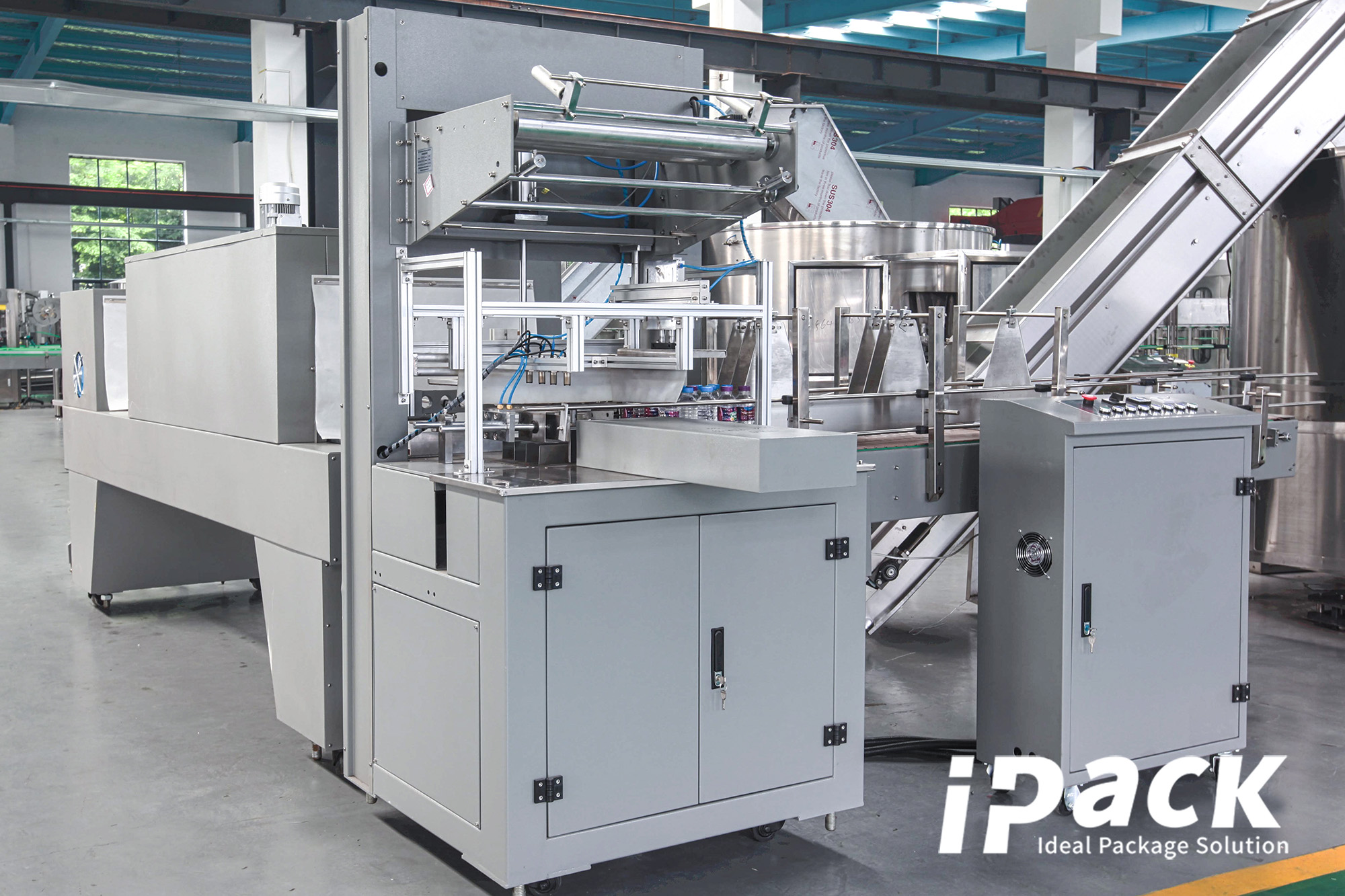
Core Types of Shrink Wrapping Machines and Their Operational Impact
Choosing the right shrink wrapping machine relies heavily on knowing the main technologies and the operational effects that follow. If the machine type and the production type do not match, it can lead to a loss of efficiency by up to 40% and a film waste increase of up to 25% (Packaging Digest 2023).
I-Bar vs L-Bar Sealers: Sealing, Film Use, and Efficiency
I-Bar sealers allow manual film cutting and sealing by using heated sealing bars; therefore, they are the least efficient at 10 packs/min and best when sealing in small numbers. Contrarily, the L-Bar sealers use a sealing method that allows the machine to continuously feed and seal the film, overlap sealing, and control the sealing film tension, resulting in 30+ packs/min and a 15% reduction in film waste. In high-humidity sealing, the L-Bar sealing method is three times more effective at sealing when compared to the I-Bar method.
Chamber vs. Conveyor Machines: Batch Processing Meets Continuous Flow
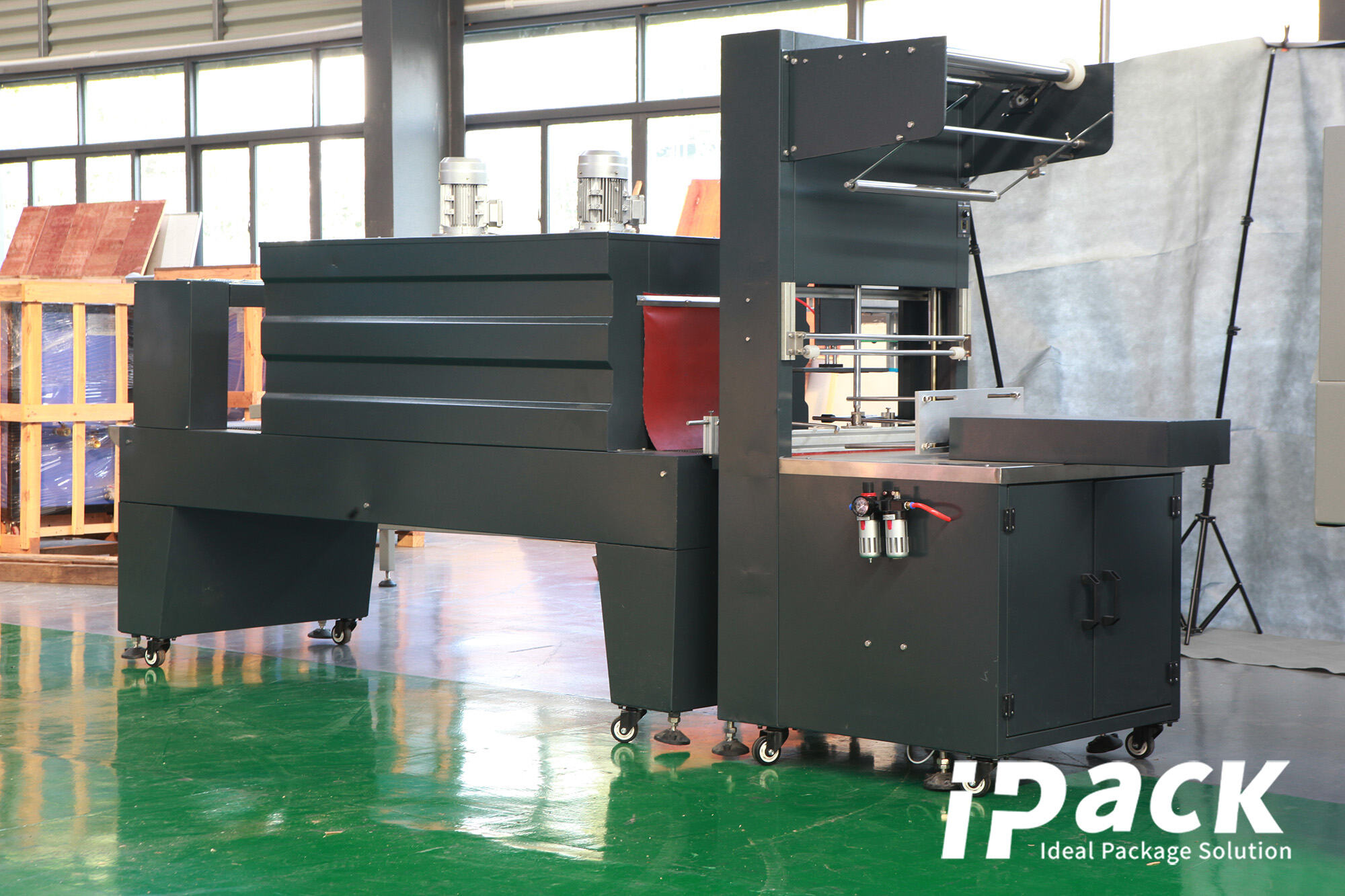
Chamber machines enclose the product completely and allow delicate control of heat in order to accommodate heat sensitive product (such as electronics and pharmaceuticals). However, these features come at a cost of low batch capacity of 15 cycles/min. In high-volume packaging (50+ packs/min), conveyor machines are more suited. These use infrared tunnels to allow a continuous flow of packaging, but require product uniformity.
Operational Factor Chamber Machines Conveyor Machines
Throughput Capacity 5–15 cycles/min 20–50+ packs/min
Heat Control Precision ±2°C (ideal for labile goods) ±5°C (suits stable items)
Product Flexibility High (any shape/size) Limited (uniform sizing)
Conveyor machines are better suited for sectors that require fast operations, like glass and beverage multipack operations, whereas chamber machines are better suited for craft based operations on small scales (like artisanal foods). Over spec’ing the speed requirements of a conveyor for small batch operations can increase energy use by 30% (Sustainable Packaging Coalition 2023).
Matching Shrink Wrapping Machine Capability to Production Volume
Semi-Automatic vs. Fully Automatic: Output and Workforce Balancing
In a shrink wrapping machine, a semi-automatic machine involves a semi-automated load shelf with a fully automated seal and shrink process, designed to meet the needs of a medium overall packaging throughput of 5–20 packs/minutes. It will cut staffing needs by 30-50% over a manual wrapping machine and can adjust for different product pack dimensions. A fully automatic wrapping machine will do the entire end-to-end process and reduce labor involvement/requirement to under 5%, with a packaging throughput over 60 packs/minute. Such machines are ideal for very large operations with a limited number of SKU. In this application, the higher capital investment of the machine will be recovered by a labor cost savings and a reduction in packaging film. For operations below 5,000 units per day, a semi-automatic machine is a better fit in terms of cost balance and efficiency. For operations above 10,000 units, a fully automatic wrapping machine is a better fit and more productive.
Scalability: Planning for Growth while Maintaining Efficient Investment
Shrink wrapping machines can be a scaling system to meet future needs and are a better long-term investment than very rigid systems. For instance, a more flexible shrink wrapping machine will reduce costs, and each upgrade will cost less than a complete replacement of the system, versus a fully automatic machine. For operations up to 8,000 units per day, a semi-automatic shrink wrapping machine will suffice, and for operations up to 15,000 units per day, a fully automatic machine with feeding integration is a better system. Shrink wrapping machines should be able to work with large bulk packaging film of PVC or polyolefin (but not thinner) to seal at higher rates than normal. An over-sized machine can lead to an 18% to 25% increase in packaging costs, and an under-sized machine will result in additional replacement costs. Required capacity can be determined by the following formula:
(Daily Output Goal ÷ Operational Minutes) × 1.2 (to account for capacity)
Essential Characteristics and Specifications for Reliable Operations
Material Compatibility in shrinking systems: Uniform Quality in Shrink Performance
Inconsistent quality of shrink performance can be caused by installing incompatible films or materials. For control of heat regulation to avoid issues with shrink films and shrink seals, including dimensional films, polyolefins, PVC, and polyester, and for control of failing seals, polyolefins should be set between the ranges of 120 to 150 degrees centigrade, whereas PVC is between 140 to 180 degrees centigrade. The result of exposing PVC to temperatures of 180 degrees centigrade will result in brittleness of the film and a failing seal in 23% of the cases (Packaging Digest, 2024). Others can maintain the heating of the zone +/5 degrees centigrade. For control of films between 5%, and the degree of shrink control for your primary film’s shrink control and the melting point should allow heating, as the control of the wrap will allow the product to be shielded during shipment.
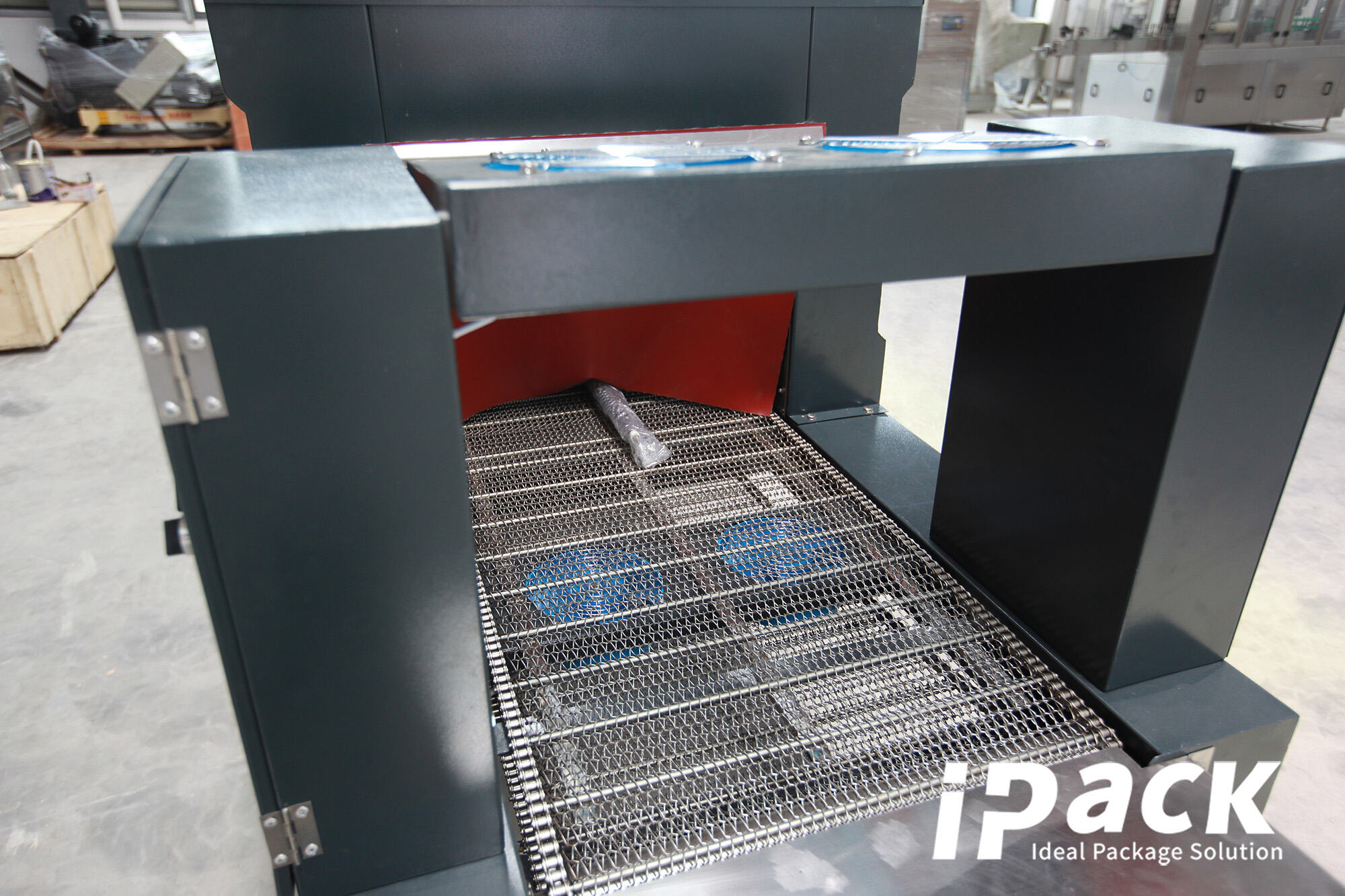
Construction and Design for Sanitation: Cross-compliance of FDA, USDA, and GMP
For food, pharmaceutical, or cosmetic applications, shrink wrapping machines must use FDA-approved stainless steel (Grade 304/316) with seamless welds that eliminate points for bacterial harbor. These include IP65-rated electrical components and smooth, rounded corners to allow for more efficient cleansing between production runs. USDA standards add bases with drainage and antimicrobial coatings when they are appropriate. The average cost of a single contamination-related recall at a food production facility is $740,000 (Ponemon Institute, 2023). To maintain audit-ready hygiene without losing time for cleaning, choose machines that have removable panels for quick, tool-free access to critical areas.
Concisely Evaluating Premier Shrink-Wrapping Machines
Incorporating your specifications means evaluating shrink-wrapping machines to fulfill your throughput requirements, rather than opting for the first one you see. For operations that process over 10,000 units a day, fully automated machines with built-in conveyors are a must. For smaller operations, a semi-automated machine that allows you to control the wrapping process will suffice. Look for machines with precise control over the sealing temperature and the ability to support a variety of wrapping films. Wrapping films that are ruined or rejected waste over $740,000 a year in lost film and labor costs. Don't forget to consider the total cost of ownership.
Modularity in a design allows:
Reduce downtime 40 percent for maintenance, as parts are easier to remove
Additional automation as your operation grows through removable robotic components
FDA and USDA approval on additional products, as the machine is stainless steel with protected electronics
Determine if the company is responsible by verifying their claims, finding reliability data and reviewing their Utility Reports. The best overall cost is the machine you can trust, not the cheapest one.
When possible, partner with a manufacturer that offers on-site support.
FAQ
What are the primary differences between I-Bar and L-Bar sealers?
A low-volume operation will want an I-Bar sealer, which is a manual film scoring and sealing machine, whereas an L-Bar sealer does the scoring and sealing automatically, has a much higher output capacity, and creates much less film waste.
A chamber machine is the best shrink wrapping machine for fragile products, as it has the utmost control over the application of heat.
Q: What should I weigh when choosing between semi auto and full auto?
A: Think about your daily targets, your head count, and costs. Medium volume runs are best with a semi-automatic. Full automation works best for high volume production.
Q: Considering the goal of efficiency, what’s the best way of committing to an adjustable system of shrink wrapping?
A: Expect to upgrade by adding conveyor belts or robotic systems and choose machines with a modular design.
Q: To do shrink wrapping for food or pharma, what materials should the machines do shrink wrapping be made of?
A: For these use cases, make sure these have IP65, sterile design elements, and do use stainless steel compliant with food and drug health codes.