 EN
EN

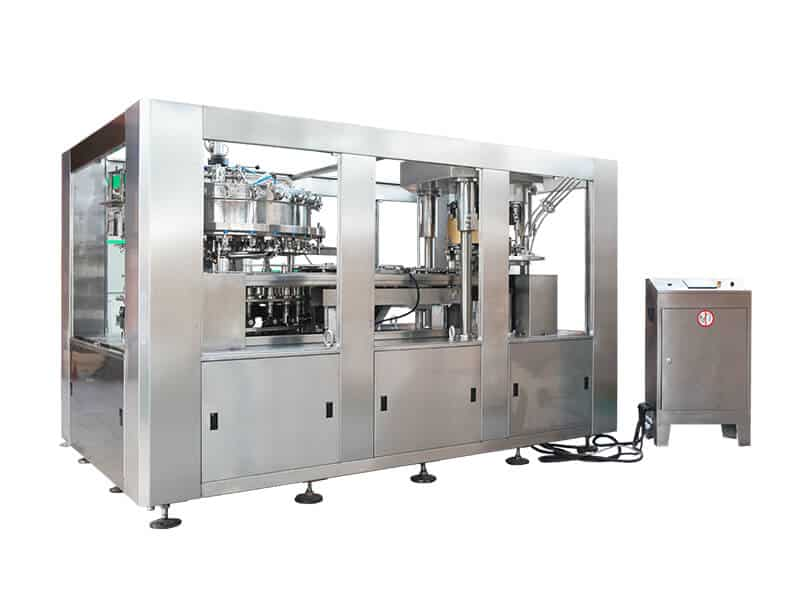
Canning Machines: Revolutionizing with Each New Layer of Automation
Mechanical → PLC → Vision-guided → AI-driven
The progression of can filling technologies can be categorized into four periods. Mechanical systems filled containers roughly using gears and levers. A major breakthrough came with the adoption of the Platinum Logic Controller, marking the introduction of the highly programmable and optimizable digital control mechanism. Vision-guided automation is even more advanced, employing rapid and advanced camera systems to assess each container in real time, dynamically facilitating adjustments to the nozzle and the filling containers. Now, can filling automation systems rely heavily on AI. By utilizing historical system data, process parameters, and data from sensors, the AI is capable of optimizing the process, determining the optimal flow, and adjusting viscosity and pressure during the filling. This growth has upped the line speeds by 400% since the 1990s and decreased the filling variation from nearly 3% to 0.5%.
How AI Enhances Real-Time Decision-Making for Varied Line Conditions
AI enhances responsiveness by consistently interpreting data from integrated sensors, like temperature, pressure, vibration, vision, and flow sensors, for sub-second decisions. Neural networks analyze over 200 data points every second for immediate adjustments, such as viscosity changes or variation of containers from specifications. Pump pressure and valve timing changes are made in real-time to keep fill variation at a coefficient of variation (CV) of 0.15%. Predictive algorithms can forecast maintenance, including up to 72 hours prior, by evaluating motor harmonics and thermal signatures. This change forecasting unplanned downtime resulting in the 32% decline, and product changeovers (with no prior planning, intervention, or delay during the manual intervention or delay to the process) define the new level of agility for the situation of high variety production.
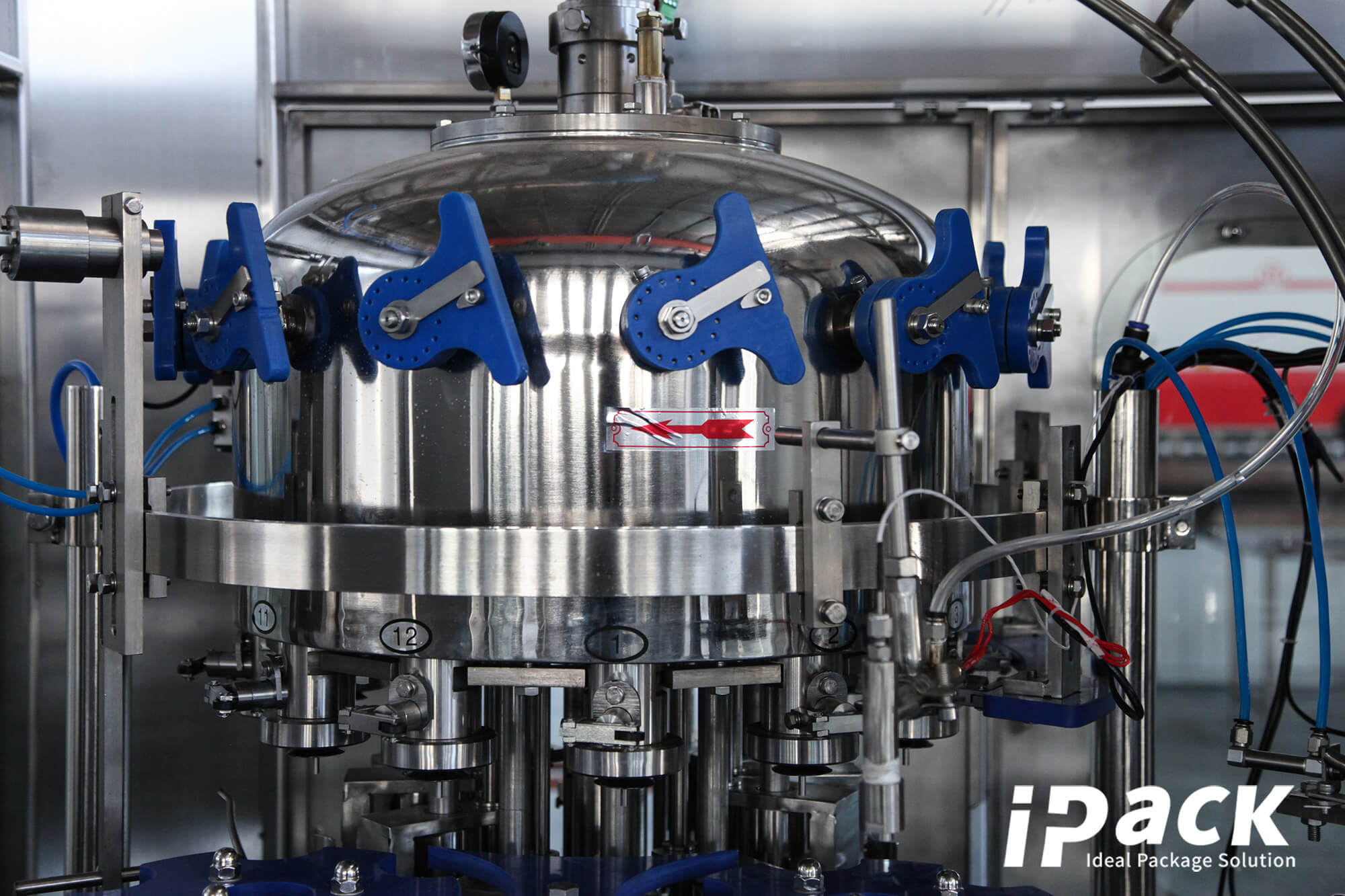
Filling Accuracy in Today’s Can Filling Machines
High precision sub-0.15% CV consistency and high-fidelity sensors and feedback control
The average can filling machine can displace volume (with precision in the sub 0.15% CV) through tightly integrated sensor networks and feedback control. The real-time monitoring of liquids by high-resolution mass flow meters, load cells, and feedback control is complemented by the ability to fill the void by control over the servo valves and control of the fill and vent cycles. Continuous modifications to stroke length and fill-and-dwell time are adapted to viscosity, ambient temperature, and available pressure in the filling line to keep the average variation of the fill at ±0.1% over extended fill cycles. Correction and deviation detection are done in less than 50ms to prevent underfills and overfills to remain “in-fill compliance” (estimated by the Ponemon Institute to be contributing $740K in fill loss during 2023). The system is self-sustaining; every fill informs the next.
Autonomous calibration and drift compensation with IoT integration
With Industrial IoT, calibration routines are fully automated with the elimination of manual confirmation and errors associated with human calibration. Internal sensors are able to detect and track thermal expansion, nozzle erosion, seal compression, and other absorption issues. They initiate the recalibration and compensation of drift, as set parameters over a 0.03% threshold. Preventing the drift of such parameters ensures the degradation of output accuracy doesn’t occur and saves up to 65% of downtime. Machine learning models predict the best time to recalibrate during scheduled breaks to eliminate output interruptions. Each of the automated adjustments are documented in a tamper-resistant audit trail to ensure FDA 21 CFR Part 11 compliance and provide the basis for a fully realized precision digital twin of the machine.
Maximizing throughput sustainably
Synchronization of robotics, motion control, and accelerated changeover help achieve peak throughput
Synchronized robotics, motion control, and actuation all help to maximize throughput quickly, accurately, and sustainably. With servo-driven robotics, filling heads and capping stations are able to communicate with conveyors in real time, therefore avoiding bottlenecks. Changeovers are completed accurately and conveniently in under three minutes due to pre-loaded tooling programs and the use of RFID-tagged components and tools. With the use of closed-loop feedback, continuous operation of the line and sealing integrity are ensured, even with increased throughput.
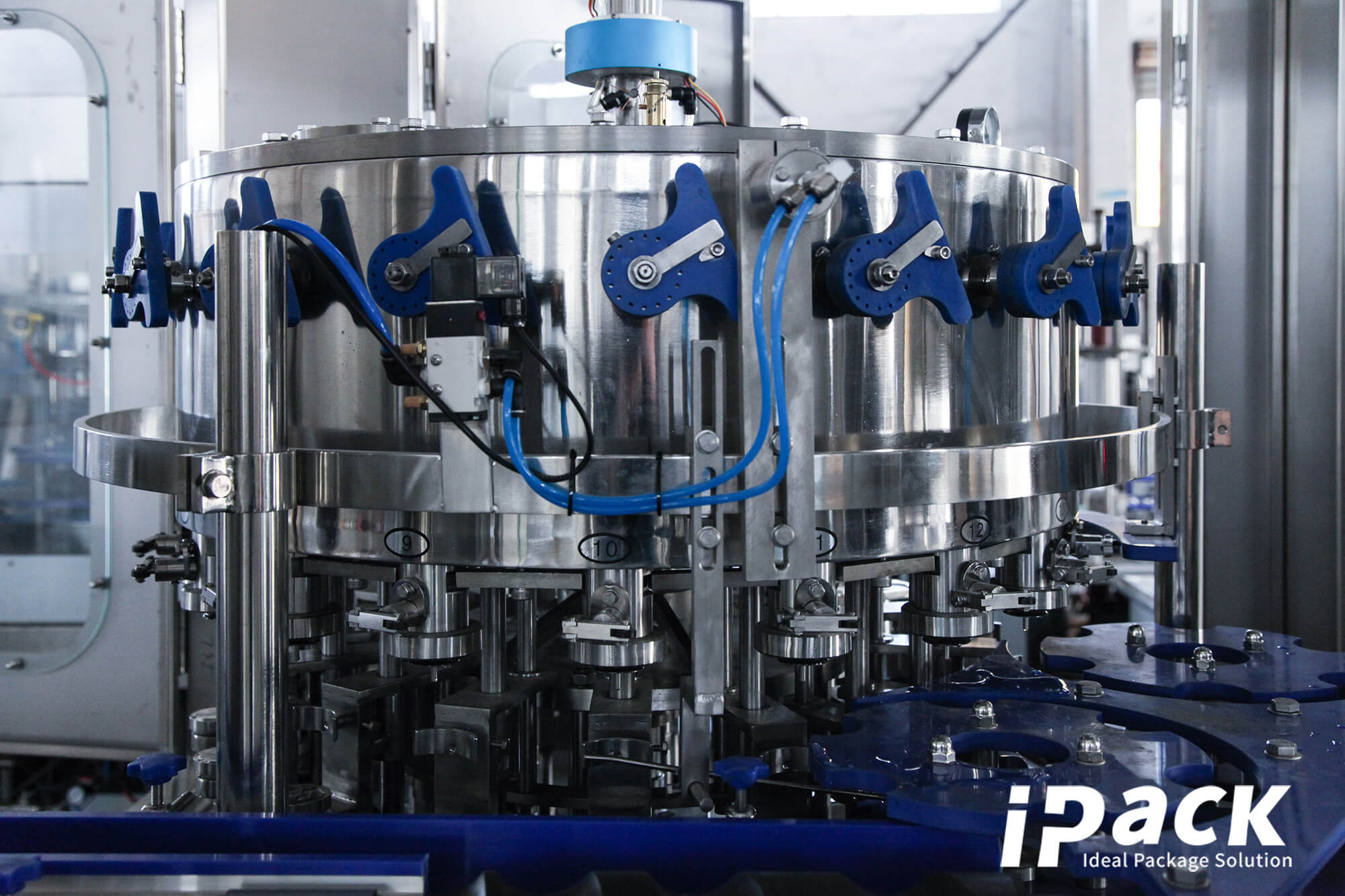
Case Study: Predictive Maintenance Increases Throughput by 32% on a High Speed Can Filling Machine
A global beverage company used vibration analysis and thermal imaging across the filling line and used can speeds of 600 can/min. Machine learning analyzed runtime data and provided predictions of failure for replacement of 70% of the machines. By implementing a failing by design policy they replaced the failing components without pauses. Through an advancement for the line can filling nozzles to proactively adjust can be made. The multiple features of the system provided an overall increase in throughput of 32% and a monthly drop in the wastage of the products of 19 tons. The line achieved a can filling stability of sub-0.15% Coefficient of Variance and continues to fill faster. Intelligent line automation and the many features supports the wotech automated can filling line.
Frequently Asked Questions - (FAQ)
What is the general history of can filling line automation?
A history of the can filling line automation is a Block-based automation systems, programmable logic controllers, and guide automated vision systems to artificial intelligence autonomous systems. Each generation has caused systems to become better in each iteration.
How do artificial intelligence can filling machines achieve peak performance?
Artificial intelligence filling multiple objectives as it uses runtime analytics and can make changes to the level of the system.
What systems provide filling can line automation?
The precision throughout the can filling line is closed to 0.15% or less and alteration of systems to provide automation and to provide system stability and optimal performance to provide a level of thermal expansion to be well controlled.
What advantages do automated changeovers provide?
Automated changeovers utilize pre-loaded tooling programs and RFID-tagged components, allowing for changes in configuration in under 3 minutes. This significantly minimizes downtime and allows quick changes for different can sizes and formats.