 EN
EN

Foam, Pulp, and Viscosity: How Juice-Specific Fluid Dynamics Challenge Filling Accuracy in Juice Filling Machines
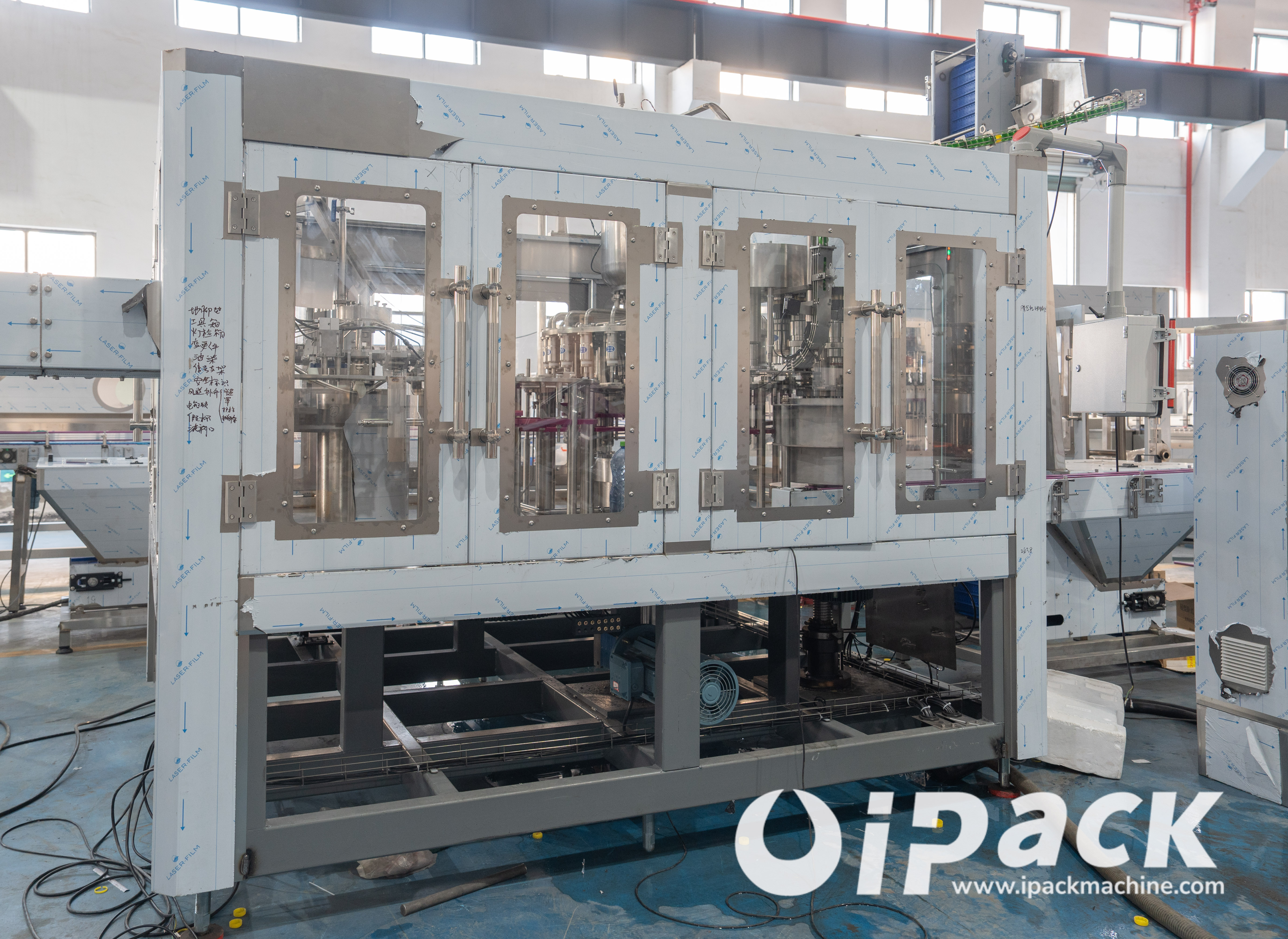
Why foam and pulp destabilize fill volume consistency in juice filling machines
Foam and pulp continue to be major headaches when it comes to juice filling operations. When air gets trapped during the blending process or while pumping, it creates those pesky bubbles that just keep expanding as the juice moves through the system. This leads to all sorts of problems at fill stations where overflow becomes a real issue, or worse yet, underfill situations after the foam finally collapses. For pulpy drinks like orange juice, mango blends, or even carrot ginger mixtures, the suspended solids tend to settle in unpredictable ways. They end up clogging those precision nozzles and messing with the smooth flow patterns that manufacturers rely on. All these issues mean operators have to constantly adjust settings by hand because flow rates just won't stay consistent. According to recent industry reports from Food Processing in 2023, volume variations often exceed 5% throughout production runs. Standard filling equipment simply doesn't come equipped with the kind of smart sensors or real time adjustments needed to handle these changing conditions, which makes traditional machinery somewhat ill-suited for dealing with how juice actually behaves physically.
Viscosity variability across juice SKUs exposes limitations in standard juice filling machine settings
The thickness of juice varies quite a bit actually ranging from almost water like apple or cranberry juice which is around 1.2 to 2.5 centipoise all the way up to really thick smoothies or those yogurt based drinks that can get as thick as 50 plus centipoise. Most factories still use old school methods with fixed pressure settings, set times, or just measure volume. The problem comes when dealing with different consistencies. Lighter juices tend to splash everywhere and overflow containers if there's no super fast valve control. Thicker blends just don't fill properly unless they get some help from positive pressure systems or heated pipes. Switching between different products without adjusting for their specific thickness often leads to filling errors that can be as high as 8%. And here's something interesting only about 15% of the juice filling machines out there have built in sensors that measure viscosity in real time. That means workers have to constantly tweak settings themselves, which isn't great for either accuracy or how many units they can process per hour.
CIP Efficiency and Maintenance Realities: The Unseen Cost of Juice Filling Machine Downtime
CIP cycle length and residue detection gaps in juice filling machines increase sanitation risk
The cleaning cycles for juice filling machines tend to drag on far too long most of the time. It's not really about how dirty things are, but rather because we can't trust our current ways of checking if everything is clean enough. About 4 out of 10 plant workers still look at stuff or do swab tests to see if there's residue left behind. What happens? Pulp builds up in those tricky spots like valve manifolds and fill heads without anyone noticing. Then comes another round of cleaning just to be safe, which eats up an extra 15 to 30 minutes every time they switch products. When dealing with citrus or other acidic juices, this becomes a real problem for contamination risks. And let's face it, when production stops unexpectedly, factories lose around $30k each hour according to SIGMA research from last year. The good news? Newer equipment actually has built-in sensors that check for cleanliness automatically. These optical and conductivity sensors sit right inside the cleaning system, making the whole process much faster than old fashioned methods. Plants using them report cutting down verification times almost entirely compared to what used to take hours of manual work.
Predictive maintenance adoption remains low—how reliability gaps impact OEE for juice filling machines
Just twelve percent of juice processing facilities actually implement predictive maintenance for their filling lines, even though there's solid data showing that tracking vibrations, temperatures, and pressure changes can catch equipment problems long before they fail completely. The abrasive nature of fruit pulp really wears down seals, gaskets, and those little metering pistons over time. Most plants stick to reactive maintenance routines that only check these parts when something starts leaking or acting funny. A small pilot operation installed real time monitoring systems last year and saw emergency service calls drop by almost two thirds. They also managed to salvage around 1.2 million extra liters worth of product each year that would have otherwise been lost. When viscosity issues aren't properly addressed, it leads to inconsistent fill weights across batches, affecting approximately one out of every five containers produced. All these maintenance shortcomings combined can knock as much as 18% off overall equipment effectiveness rates. Worse still, the juice quality itself suffers from inconsistent aseptic conditions and uneven heat treatment throughout the production process.
HMI Usability and Operator Training: Bridging the Gap Between Juice Filling Machine Capability and Human Execution
What limits how well juice filling machines perform isn't just about the hardware itself but also depends heavily on how people actually work with these systems day to day. Good Human-Machine Interfaces make all the difference, cutting down mistakes and speeding things up during product changes thanks to features like context sensitive alerts, easy recipe transfers, and language options that match what different shifts need. Unfortunately most existing HMIs still have problems with complicated menus, unclear status messages, and no specific help for juice processing tasks which slows down things like adjusting viscosity settings or restarting cleaning cycles. Facilities often lose around 15% productivity because of these issues. Training sessions don't help much either since they focus too much on theory instead of teaching workers what happens when sensors get blocked by pulp buildup or there's an unexpected pressure spike. Better HMIs include visuals showing the whole process flow, warnings about pulp levels changing suddenly, and simple guides for cleaning procedures. These improvements can cut new operator learning time by about 40% and reduce fill volume inconsistencies by over half. To really close the gap between what machines can do and what gets done in practice, manufacturers need to design interfaces that understand juice behavior patterns like how long foam takes to settle or when pulp starts settling out. Training should involve realistic scenarios too, not just memorizing button presses but dealing with actual problems like fluctuating pressures, clogged nozzles, and switching between products quickly.
FAQ
Why does foam affect juice filling accuracy?
Foam can lead to overflow or underfill situations due to trapped air bubbles. As foam collapses, it changes the volume, causing discrepancies in fill levels.
How do juice pulp and fiber impact filling machines?
Pulp and fiber can clog nozzles in filling machines, disrupting flow patterns and leading to filling inconsistencies.
What role does viscosity play in juice filling processes?
Viscosity affects the flow rate and fill accuracy. Light juices may overflow without fast valve controls, while thick juices require positive pressure systems for accurate filling.
How can cleaning cycles impact productivity in juice filling operations?
Extended cleaning cycles due to residue build-up can lower productivity. Modern sensors can expedite verification, minimizing downtime.
Why is predictive maintenance beneficial for juice filling machines?
Predictive maintenance helps identify equipment issues before they lead to failures, improving overall equipment effectiveness and minimizing emergency breakdowns.
How do HMIs affect juice filling machine operations?
Good HMIs improve usability by offering visual cues and context-sensitive alerts, reducing errors and improving operator efficiency.
Table of Contents
- Foam, Pulp, and Viscosity: How Juice-Specific Fluid Dynamics Challenge Filling Accuracy in Juice Filling Machines
- CIP Efficiency and Maintenance Realities: The Unseen Cost of Juice Filling Machine Downtime
- HMI Usability and Operator Training: Bridging the Gap Between Juice Filling Machine Capability and Human Execution
-
FAQ
- Why does foam affect juice filling accuracy?
- How do juice pulp and fiber impact filling machines?
- What role does viscosity play in juice filling processes?
- How can cleaning cycles impact productivity in juice filling operations?
- Why is predictive maintenance beneficial for juice filling machines?
- How do HMIs affect juice filling machine operations?