 EN
EN

The Fill Accuracy of Juice Filling Machine: How Precision Drives Juice Product Consistency
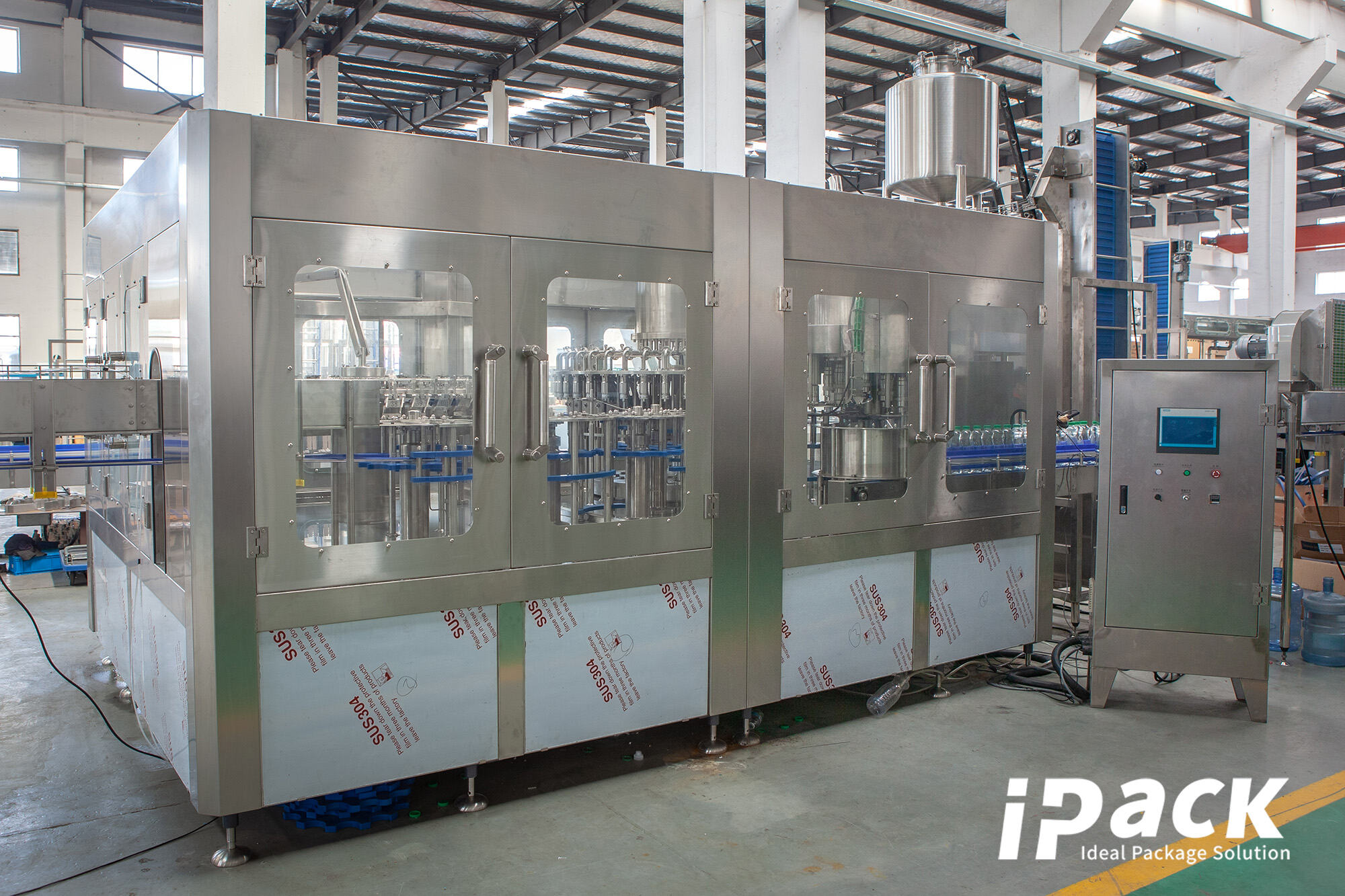
Why ±0.5 mL deviation triggers batch rejection in premium juice lines
When juice producers go over the ±0.5 mL tolerance mark, they face automatic rejection of entire batches for premium products. According to FDA regulations at 21 CFR 101.105, these kinds of volume variations count as misbranding issues. And let's just say the financial consequences can get pretty serious - the latest FSMA rules from 2023 allow penalties upwards of $50k for each occurrence. Looking at industry numbers, most quality problems actually start with incorrect measurements. A study by Ponemon Institute back in 2023 found that roughly 9 out of 10 quality failures come down to volume errors, costing companies about $740k on average when recalls happen. Getting fill volumes right isn't just about running machines properly. It really protects bottom lines, keeps companies compliant with all those regulations, and maintains what makes a brand trustworthy in the eyes of consumers.
Viscosity variability: How pulp content and temperature shift flow dynamics mid-fill
Even small changes in pulp concentration can have big effects on juice processing. When pulp levels shift by around 15%, juice viscosity actually goes up by as much as 40%. And temperature matters too - a mere 5 degree Celsius change will tweak flow rates by approximately 8 milliliters per second according to research from Food Engineering Journal last year. Because these factors keep changing during production, manufacturers need systems that compensate on the fly. That means installing thermal sensors right at the nozzles, using pressure control for dosing, plus smart algorithms that tweak filling settings while the process is running. If companies skip these measures, they'll run into problems with pulp separation which leads to inconsistent batches throughout production runs. This issue becomes particularly problematic when dealing with high acid content juices, where such inconsistencies can push rejection rates upwards by nearly a third.
Container geometry effects: Why fill error amplifies differently in glass vs. PET bottles
When it comes to how different containers handle filling levels, glass and PET bottles definitely act differently. With glass containers, there's this thing called meniscus formation where even when filled to 95%, people tend to think it looks underfilled. Studies from the Global Packaging Standards Council back this up, showing these visual errors can actually make volumes seem off by around 22%. On the other hand, PET bottles have some give because they're elastic, so small overfills of about 3% aren't as noticeable to the eye. However, PET has stricter sealing needs which means manufacturers need to stick to much tighter tolerances of plus or minus 0.3 mL compared to what works for glass. So when setting up filling equipment, companies can't just follow regulations blindly. They really need to consider both how consumers perceive fullness visually and the actual physical properties of each container type.
Regulatory Compliance: How Juice Filling Machine Precision Meets FDA and ISO Standards
FDA 21 CFR Part 117: Fill accuracy as a critical control point in hazard analysis
The FDA's 21 CFR Part 117 regulation makes fill accuracy one of those critical control points required in HACCP plans when producing juice products. Keeping within that tight ±0.5 mL range matters a lot because going below means breaking net content laws on packaging, while going above just wastes money. Some estimates put this waste at around $740 thousand each year according to Food Safety Magazine from last year. Juice producers know this well since pulp content and temperature changes affect how viscous the product becomes during filling operations. That's why today's juice filling equipment needs built-in real time adjustments for these variables instead of treating them as optional features. When companies fail to meet these standards, they face all sorts of problems ranging from regulatory fines to loss of customer confidence and even possible shutdowns by authorities enforcing current good manufacturing practices.
ISO 22000 Clause 8.5.2: Real-time monitoring as a preventive control for juice filling machines
Clause 8.5.2 of ISO 22000 demands that companies monitor key process parameters in real time through automation, especially when it comes to something as important as fill volume for quality control purposes. The regulation basically says manufacturers need sensors like load cells or Coriolis meters that can check every single fill operation within just 50 milliseconds. When these systems are constantly watching what's happening on the production line, they catch problems early before bad products make their way further down the assembly line. According to research published in the Journal of Food Engineering back in 2023, this approach reduces the chance of product recalls by about two thirds compared to old fashioned manual checks. And here's another thing the standard insists on: complete data records throughout the entire manufacturing cycle. These detailed logs with timestamps act as solid evidence showing everything worked properly, which is absolutely necessary if a company wants its products certified internationally.
Sensing Technology Deep Dive: Choosing the Right Precision System for Your Juice Filling Machine
Load-cell, Coriolis, and Ultrasonic Sensors Compared: Accuracy, Speed (120 BPM), and Juice-Specific Reliability
Achieving ±0.1% fill accuracy—the benchmark for FDA net-content compliance—requires matching sensing technology to juice characteristics and line speed.
- Load-cell systems measure weight change with ±0.25% accuracy and handle moderate viscosity shifts well—but are susceptible to conveyor vibration drift at high speeds (e.g., 120 BPM). Best suited for clear juices under 100 BPM where cost-efficiency matters most.
- Coriolis mass flow meters deliver ±0.1% precision independent of pulp content or temperature (5–40°C range), making them ideal for NFC and high-pulp juices. Though initial investment is 40% higher, they reduce product giveaway by 0.8% versus load cells in pulp-heavy applications.
- Ultrasonic sensors, while non-contact and BPM-compatible, suffer signal scattering from pulp particles—introducing up to 1.5% variance in tropical blends—and lose reliability with temperature-induced density shifts.
Technology selection must balance juice composition, throughput, and long-term ROI—not just headline accuracy specs.
Business Impact: How Juice Filling Machine Precision Reduces Waste, Cost, and Recall Risk
Zhangjiagang Ipack case study: 2.3% fill overage reduction — $418K/year saved
One major juice equipment company recently made some serious improvements to their tetra-pack lines by implementing these fancy servo-controlled volumetric fillers that adjust for viscosity changes as they go. The results were pretty impressive actually. They cut down the average fill overage from 3.1% all the way down to just 0.8%. That might not sound like much at first glance, but when you think about it, this 2.3% difference meant getting rid of around 92,000 liters of wasted juice each year. And guess what? That translated into nearly half a million dollars saved on ingredients alone. Plus, the consistent filling process helped them stay compliant with those strict FDA regulations (specifically 21 CFR Part 117), which obviously reduces the risk of recalls. Even better, they kept up the same 110 bottles per minute production speed while still avoiding any underfill issues that customers usually complain about. Looking at the bigger picture, this case shows something important for other manufacturers too. For every tiny 0.1% reduction in overfill across production lines, companies can expect to save approximately $18,000 annually. Small adjustments really do add up over time.
FAQ
Why is fill accuracy important in juice manufacturing?
Fill accuracy is crucial in juice manufacturing because it ensures compliance with regulations, minimizes waste, and maintains product consistency, which is vital for consumer trust and financial stability.
What are the consequences of exceeding fill accuracy tolerances?
Exceeding fill accuracy tolerances can lead to batch rejection, regulatory fines, and a loss of consumer confidence. Additionally, it can result in significant financial losses due to recalls and wasted resources.
How do pulp content and temperature affect fill accuracy?
Pulp content and temperature can significantly impact juice viscosity, altering flow dynamics during the filling process. Such changes require real-time adjustments to filling systems to ensure consistency.
What role do sensing technologies play in fill accuracy?
Sensing technologies like load-cell systems, Coriolis meters, and ultrasonic sensors are pivotal for maintaining fill accuracy by monitoring and adjusting filling operations to align with machine and product specifications.
Can precision filling reduce production costs?
Yes, precision filling significantly reduces production costs by minimizing overfill, which translates to savings on materials and ingredients. It also helps in avoiding costs associated with recalls and regulatory non-compliance.
Table of Contents
- The Fill Accuracy of Juice Filling Machine: How Precision Drives Juice Product Consistency
- Regulatory Compliance: How Juice Filling Machine Precision Meets FDA and ISO Standards
- Sensing Technology Deep Dive: Choosing the Right Precision System for Your Juice Filling Machine
- Business Impact: How Juice Filling Machine Precision Reduces Waste, Cost, and Recall Risk