 EN
EN

The Isobaric Filling Principle: Why Carbonated Drink Filling Machines Rely on Counter-Pressure
Why CO₂ Pressure Matching Is Essential to Prevent Foaming and Carbonation Loss
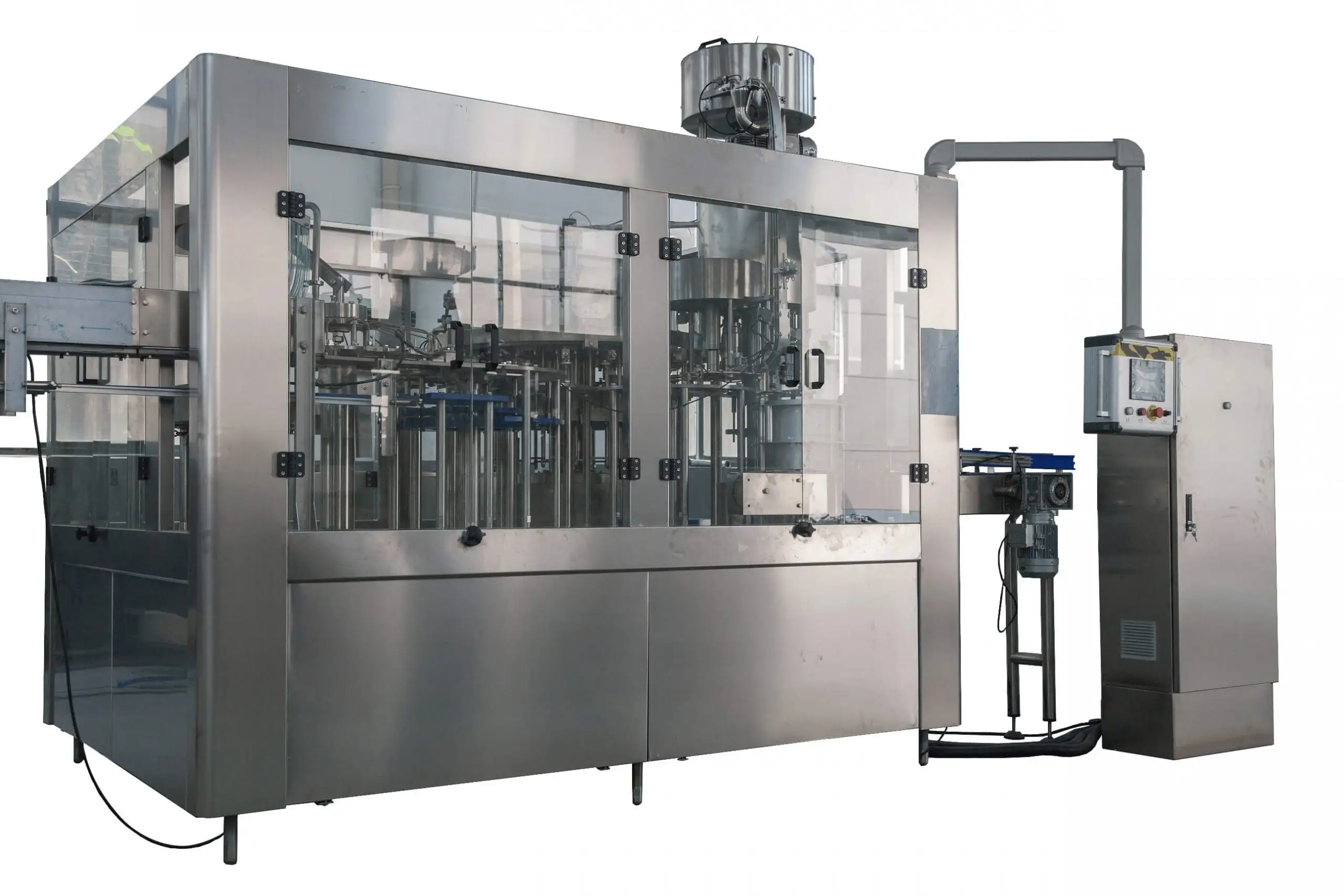
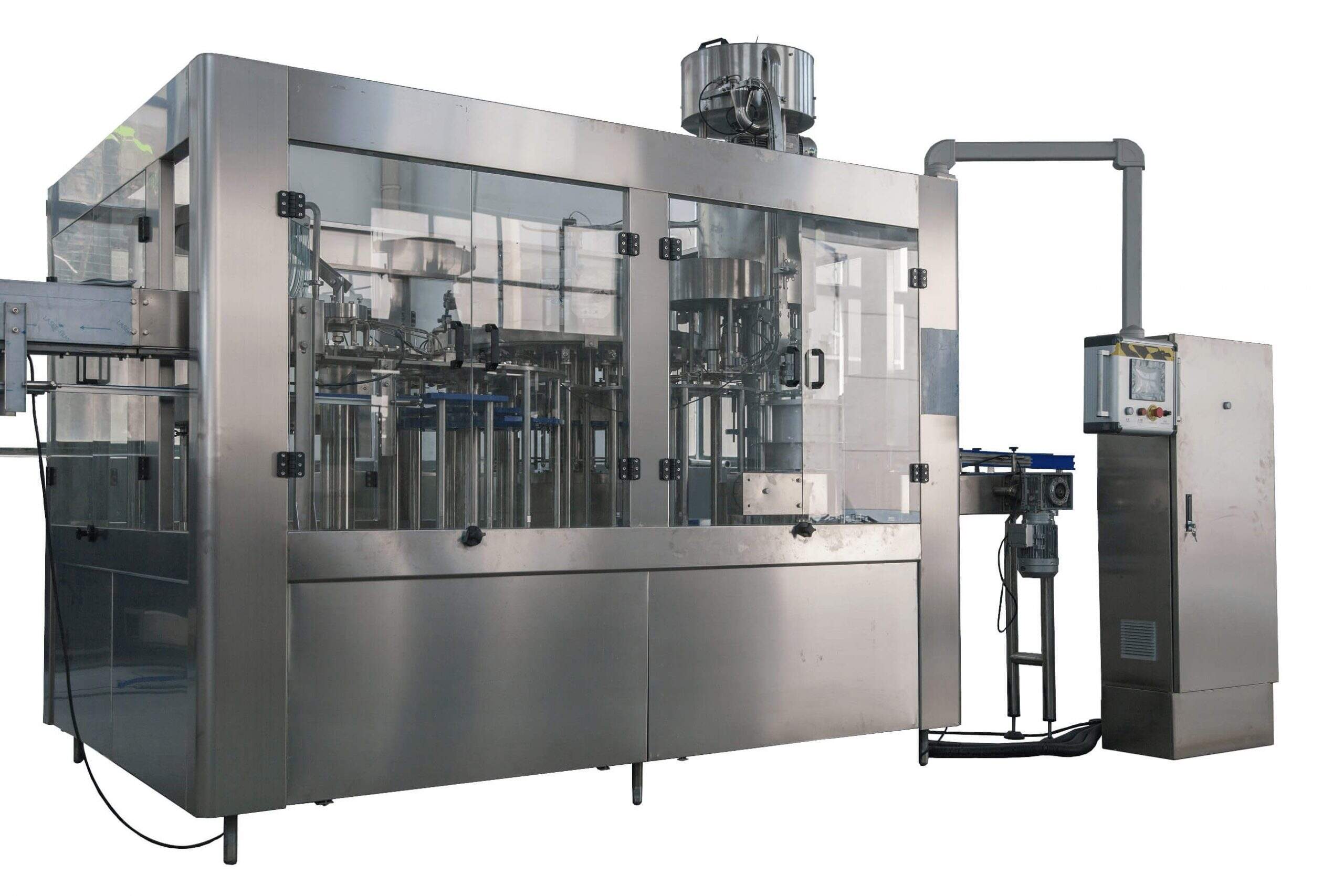
Filling machines for carbonated drinks rely on counter-pressure techniques to balance the space inside bottles with the CO₂ levels in the actual beverage. This prevents those explosive gas bursts we all know when opening a freshly filled container. When there's even a small pressure difference of more than 0.2 bar, things go wrong fast. Foam starts forming rapidly, causing messy overflows and losing around 15% of the precious carbonation. Real world testing shows that getting these pressures right cuts down wasted product by about 22%, plus keeps those bubbles looking just right. Most plants follow what's called an isobaric process which basically has three main parts. First they pressurize each bottle so it matches whatever's coming out of the storage tanks. Then comes the tricky part where liquid gets poured in without messing up this delicate balance. Finally, pressure is let out slowly only once everything is sealed properly. Top notch producers manage to stay within ±0.05 bar accuracy thanks to their fancy real time pressure sensors. These little devices make sure each bottle ends up with exactly the right amount of fizz without going overboard on fill levels.
Physics of Gas Solubility: How Temperature, Pressure, and Time Govern Fill Accuracy
Keeping things cool really boosts how fast stuff dissolves, which is why most systems keep liquids around 4 degrees Celsius where carbon dioxide just loves to mix in. Maintaining steady pressure during processing is absolutely critical too. Even tiny dips or spikes in pressure can make all that dissolved CO2 bubble out before it should. That's why newer filling equipment has gotten so good at switching pressures quickly, usually within less than a tenth of a second. This rapid response helps maintain the balance between gas and liquid, ensuring that finished products end up with carbonation levels that stay pretty much exactly where they need to be, typically varying by less than half a volume unit from what's specified.
Carbonated Drink Filling Machine Workflow: Synchronized Stages from Entry to Exit
Stage 1: Bottle Preconditioning — Cleaning, Rinsing, and CO₂ Purging
Before any filling takes place, bottles go through a three step cleaning process. First comes high pressure water jets that wash away dirt and leftover bits from previous contents. Then there's an air knife system that dries off all remaining moisture from the surfaces. Finally, carbon dioxide gas gets pumped in to push out oxygen, creating what's called an inert space at the top of the bottle. These steps are really important because they stop flavors from breaking down over time due to oxidation. They also help keep carbonation levels stable when the product is actually filled. A recent study published in Beverage Packaging Journal found something interesting too. Bottles that had gone through this full cleaning routine saw about 27 percent less bubble collapse than ones that skipped these steps. That means drinks stay fizzy longer on store shelves, which is obviously good news for both manufacturers and customers who want their beverages to taste fresh no matter when they buy them.
Stage 2: Isobaric Filling — Precision Valve Control and Pressure Transition Logic
In the isobaric filling process, as bottles move into position on the carousel they get filled with CO2 until their internal pressure matches what's needed for the drink itself. The special valves that control this aren't just spring loaded but also servo controlled, so they only start opening when everything has balanced out properly. This helps keep things flowing smoothly without any foaming issues during transfer. We actually use conductive probes to check how full each bottle is getting, along with pressure sensors running continuously throughout the line. These work together through three main stages first we pressurize the bottles, then we add the liquid while keeping pressure steady, and finally we recover whatever CO2 wasn't used after filling completes. The whole system works pretty well too, giving us around half a percent accuracy in volume measurements even at top speeds, all while making sure the carbonation stays just right for quality drinks.
Stage 3: Capping and Post-Fill Integrity Verification
Right after the bottles get filled, special capping machines called torque-controlled heads press down with just the right amount of force while keeping internal pressure steady. This helps stop carbon dioxide from escaping when the seal forms. Next comes laser checking for tiny leaks in every bottle. These lasers can spot holes as small as 5 micrometers across. Any bottle that doesn't hold enough CO2 (less than 2.6 volumes) will fail the test and gets thrown out automatically. The whole system works so well that drinks stay properly carbonated for over a year on store shelves. Most beverage companies around the world require this kind of long shelf life for their fizzy products, which makes sense given how popular sparkling drinks remain globally.
Critical Subsystems of a Carbonated Drink Filling Machine
CO₂ Supply & Pressure Regulation System: Ensuring Consistent Carbonation Before and During Fill
The CO2 supply system keeps gas pressure around 5 to 6 bar, which matches what's normally used for carbonating drinks, so that there isn't too much foam or gas escaping when moving things around. The system uses precision regulators along with quick acting control valves to manage the flow based on what those inline pressure sensors tell them in real time. According to a study published last year in Beverage Production Journal, if the pressure goes outside of plus or minus 0.2 bar range, then foaming problems jump up about 34%. Getting those bottles to the right pressure level before putting liquid inside is really important though. Without doing this step properly, companies end up wasting product and their filling operations just aren't accurate enough.
Chiller and Carbonator Integration: Maintaining Saturation Equilibrium for Stable Fills
The temperature plays a big role in how much CO2 can dissolve in liquids. For instance, cold water at around 4 degrees Celsius holds about 30% more carbon dioxide compared to when it's warmer at 20 degrees. That's why most facilities install chillers that keep temperatures tightly controlled between 1 and 4 degrees Celsius. Then there are these carbonator units further down the line that work their magic by gently mixing the liquid under pressure to capture any CO2 that might have escaped during processing. This two step approach pretty much gets rid of those annoying flat spots where bubbles just disappear. According to factory reports, systems that manage to stay within half a degree Celsius of target temperature typically retain about 99.2% of their carbonation after filling. This means better tasting products for consumers and longer lasting shelf life for manufacturers too.
Performance Optimization: Balancing Speed, Quality, and Carbonation Retention
Getting carbonated drink filling machines to work at their best requires balancing three main factors: speed, product quality, and keeping that precious CO₂ inside the bottle. Temperature matters a lot here. Keeping drinks around 4 degrees Celsius helps stop carbon dioxide from escaping because cold liquids hold gas better. At the same time, maintaining consistent pressure all the way from the carbonation tank to those filling valves is crucial. Without this, we get unwanted foam and our fill levels might drift off target by more than 1%. The seals on these bottles are just as important too. Testing for leaks right after capping catches tiny problems before they become big ones. We've seen cases where undetected leaks can lead to losing about 15 to 20% of carbonation in just two days. Today's advanced equipment has built-in sensors that watch temperature, pressure readings, and how full each container gets. These systems automatically tweak conveyor belt speeds and adjust when valves open and close, all while making sure bubbles stay suspended, oxygen doesn't get into the product, and everything stays within legal requirements.
FAQ Section
What is the isobaric filling process?
The isobaric filling process is a technique used in carbonated drink filling machines where the pressure inside the bottle is matched with the pressure of the beverage being filled to prevent foaming and carbonation loss.
Why is temperature important in carbonated drink filling?
Temperature plays a crucial role in carbonating drinks because cold liquids hold carbon dioxide better, reducing the chances of gas escaping during the filling process.
How do carbonated drink filling machines prevent leaks?
After bottles are filled, capping machines use torque-controlled heads to seal the bottles while maintaining internal pressure. Post-fill integrity is verified using laser checks to detect microscopic leaks.
Table of Contents
- The Isobaric Filling Principle: Why Carbonated Drink Filling Machines Rely on Counter-Pressure
- Carbonated Drink Filling Machine Workflow: Synchronized Stages from Entry to Exit
- Critical Subsystems of a Carbonated Drink Filling Machine
- Performance Optimization: Balancing Speed, Quality, and Carbonation Retention
- FAQ Section