 EN
EN

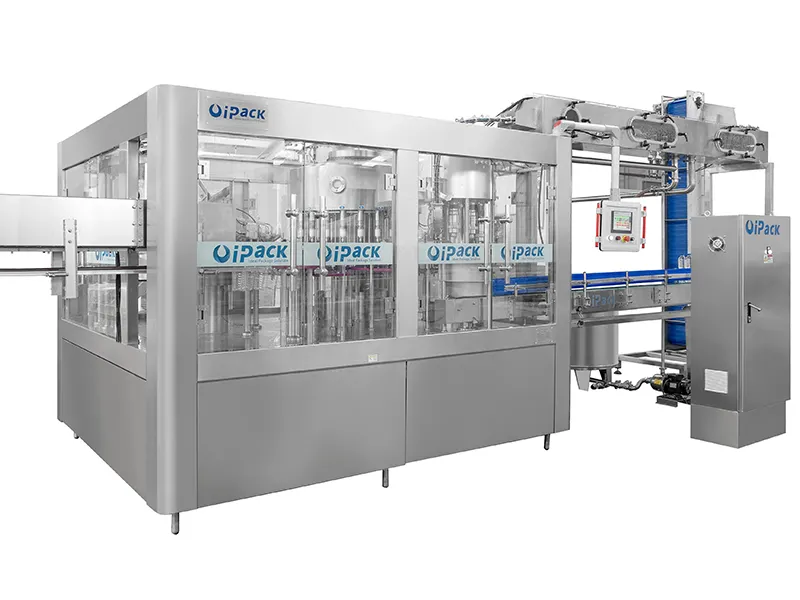
Precision, Speed, and Hygiene: Core Advancements in Modern Water Filling Machines
High-Speed, Low-Downtime Water Filling Machines Driving Adoption in Emerging Markets
Emerging markets now prioritize water filling machines capable of over 20,000 bottles/hour with under 1% downtime. This operational efficiency reduces production costs by up to 30% while meeting surging demand. Automated jam detection and self-cleaning nozzles maintain continuous throughput—enabling manufacturers to scale without costly infrastructure investments.
Vacuum and Pressure-Based Multi-Head Filling for ±0.2% Volumetric Accuracy
Modern 48-head rotary fillers use vacuum/pressure hybrid technology to achieve ±0.2% volumetric accuracy—even at speeds of 600 bottles/minute. Real-time sensors monitor viscosity and temperature, automatically adjusting flow rates to eliminate overfilling waste and ensure consistency across PET, glass, and aluminum containers.
Aseptic Water Filling Machines: Case Study on 92% Microbial Load Reduction
The latest closed system aseptic fillers come equipped with HEPA filters, UV lights for sterilizing surfaces, plus nitrogen flushing technology which cuts down on microbes by almost 92% when compared to older equipment, as found in research from the beverage sector back in 2023. What makes these systems stand out? They've got those three layer antimicrobial conveyor belts running through them, chambers that maintain negative pressure during filling operations, and they automatically run their Clean-in-Place cycles regularly. All this tech meets both FDA requirements and ISO 22000 guidelines while still keeping production speeds high enough to meet demand.
Smart Automation: How IoT and AI Are Transforming Water Filling Machine Operations
IoT-Enabled Water Filling Machines — 78% YoY Growth and Real-Time Monitoring Capabilities
The Internet of Things is changing how water filling machines work these days, thanks to those little sensors built right into the equipment that keep tabs on things like flow rate, pressure levels, and temperature changes. What makes this so valuable? Well, all that live data means operators can watch what's happening from afar, get warnings when something goes off track, and even predict when parts might fail before there's actually a breakdown. According to the latest numbers from Industry Automation Report 2024, smart filling systems saw nearly 78% growth last year alone. And beyond just preventing downtime, these connected systems are helping manufacturers cut down on energy waste throughout entire bottling operations.
AI-Powered Quality Control in Water Filling Machines: Cutting False Rejects by 41%
Computer vision systems powered by artificial intelligence can check bottles faster than most people can count, often going beyond 800 units per minute. They spot tiny problems that would escape even the sharpest human eye, like microscopic leaks, inconsistent filling levels, and caps that aren't properly aligned. The deep learning behind these systems gets better with practice as they analyze all sorts of production runs. According to Packaging Tech Review from last year, this kind of continuous learning cuts down on wrong rejections by around 41%. What makes these systems really stand out is their ability to handle different bottle types without needing constant adjustments. Whether dealing with glass, plastic, square containers or round ones, the machines tweak things like nozzle pressure and how long each bottle stays under the filler automatically, no human intervention required.
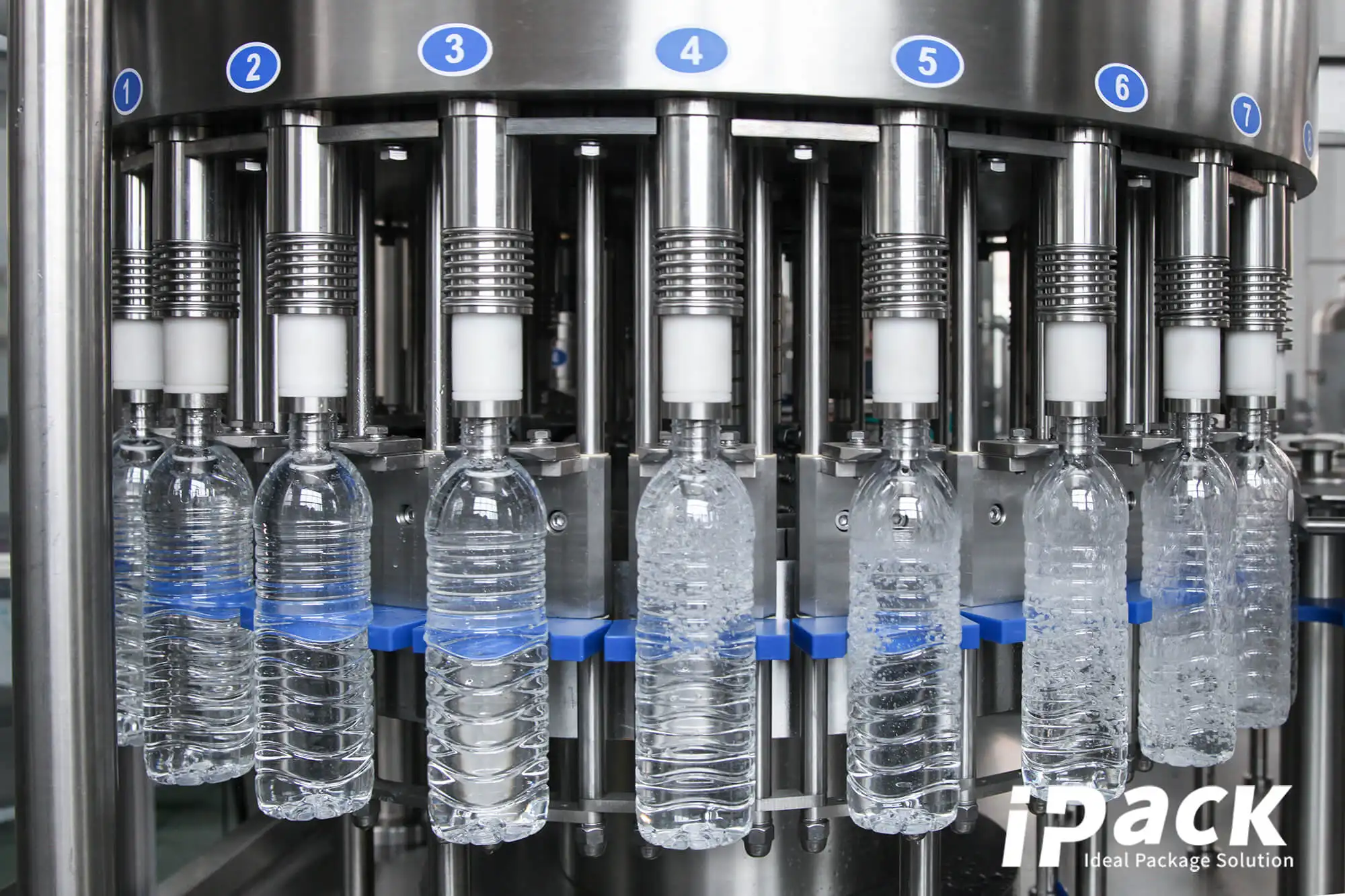
Sustainable Flexibility: Modular Water Filling Machines for Eco-Efficient Production
Sub-Second Changeovers Across PET, Glass, and Aluminum — Without Energy Trade-Offs
Modern modular water filling systems can switch containers in less than a second thanks to their standardized quick release connections and electric motor drives. These machines cut down on energy consumption by about 38% compared to older pneumatic models according to industry data from 2024. The tooling works equally well with different materials like PET plastic, glass bottles, and aluminum cans. Manufacturers can scale production up or down easily since the system uses plug and play components that handle anywhere from 30 to over 300 bottles per minute. Plus there are built in energy recovery features that capture around 92% of the power used during format changes. This kind of adaptability lets producers move quickly between making still water, carbonated drinks, and specialty beverages all on the same production line while keeping volume measurements accurate within plus or minus 0.1%, which is really important when dealing with those lightweight eco friendly bottles that are becoming so popular these days.
Water-Saving Rinse Modules and Ultra-Lightweight Bottle Compatibility in Modern Water Filling Machines
New rinse module technology cuts water usage down by around 45%, thanks to those clever targeted spray nozzles paired with closed loop filtration systems. This matters a lot when dealing with those super light bottles we see everywhere now, especially the ones weighing less than 8 grams for standard 500ml PET containers. Before these advances, inconsistent pressure would often warp the delicate structures. Now manufacturers can rely on precision airflow management combined with vacuum sealed filling chambers to keep those thin walled containers stable even at top speeds. Wall thicknesses under half a millimeter? No problem anymore. What's really impressive is how this approach delivers two major sustainability wins at once saving resources while also cutting down on materials used. And best of all, there's no drop in hygiene standards either since tests show microbial contamination stays well within safe limits after rinsing, typically below 2 colony forming units per milliliter.
FAQ Section
What are the benefits of modern water filling machines for emerging markets?
Modern water filling machines offer high-speed operation with minimal downtime, leading to reduced production costs and the ability to meet increased demands efficiently.
How do vacuum and pressure-based filling systems ensure precision?
They use hybrid technology and real-time sensors to adjust flow rates and maintain volumetric accuracy, minimizing waste and ensuring consistent fill levels.
What technologies help reduce microbial load in aseptic fillers?
Technologies like HEPA filters, UV lights, nitrogen flushing, and antimicrobial conveyor belts significantly reduce microbial contamination.
How does IoT improve water filling machine operations?
IoT enables real-time monitoring, predictive maintenance, and reduced downtime through data-driven insights, optimizing energy use and operational efficiency.
How do modular systems enhance sustainability in water filling processes?
Modular systems allow for quick container changes without significant energy costs, supporting flexibility and sustainability without compromising production speed or accuracy.
What role does AI play in quality control for water filling machines?
AI-powered systems, including computer vision, enhance quality control by detecting defects swiftly and accurately, reducing false rejects.
Table of Contents
- Precision, Speed, and Hygiene: Core Advancements in Modern Water Filling Machines
- Smart Automation: How IoT and AI Are Transforming Water Filling Machine Operations
- Sustainable Flexibility: Modular Water Filling Machines for Eco-Efficient Production
-
FAQ Section
- What are the benefits of modern water filling machines for emerging markets?
- How do vacuum and pressure-based filling systems ensure precision?
- What technologies help reduce microbial load in aseptic fillers?
- How does IoT improve water filling machine operations?
- How do modular systems enhance sustainability in water filling processes?
- What role does AI play in quality control for water filling machines?