 EN
EN

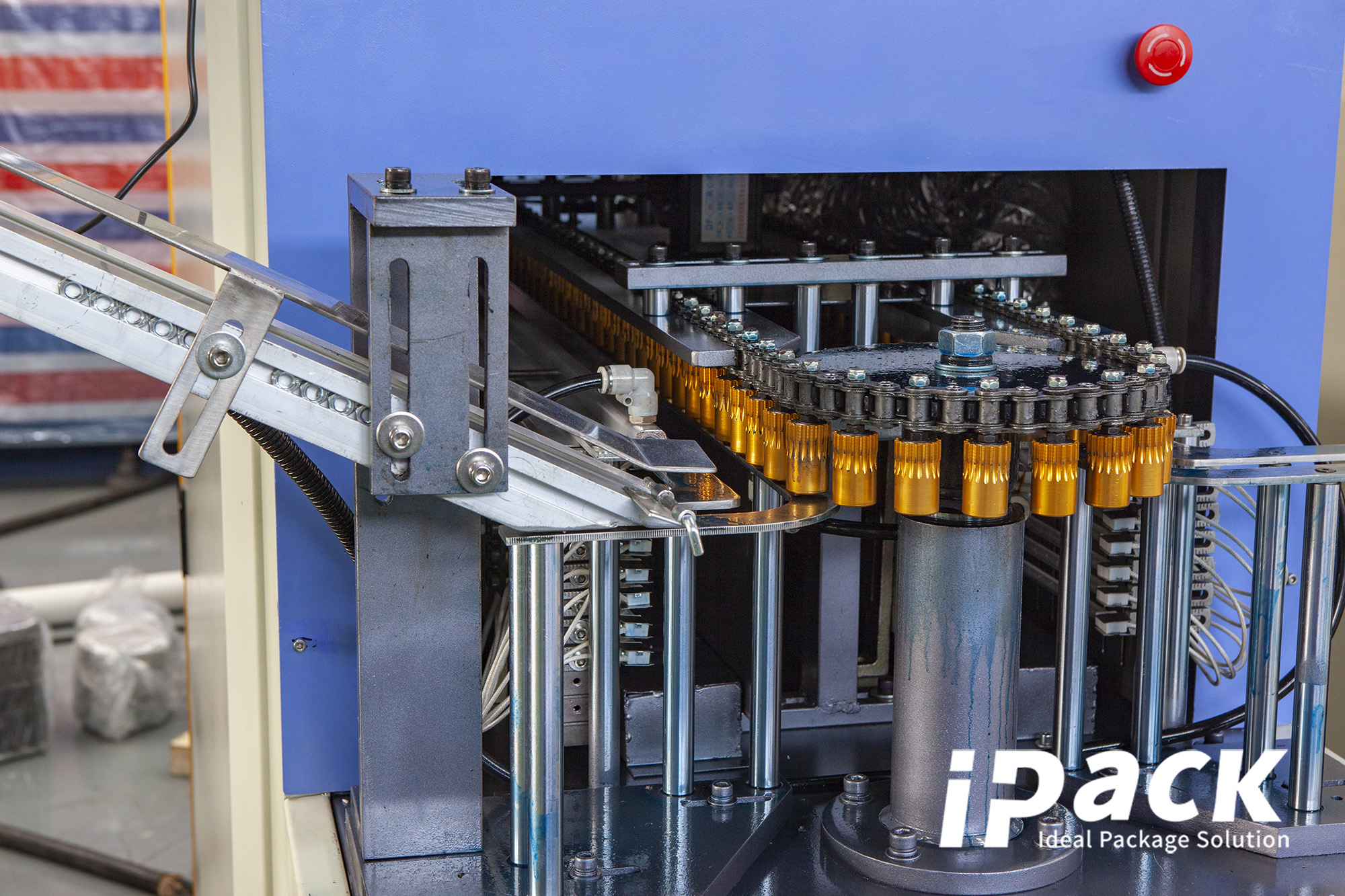
अप्रत्याशित उपकरण बंद होने से हमेशा उत्पादन आउटपुट और लाभ प्रभावित होते हैं। स्मार्ट पीईटी ब्लो मोल्डिंग मशीनें अंतर्निर्मित सेंसर के माध्यम से कंपन, तापमान और संचालन चक्र सहित वास्तविक समय के डेटा को एकत्र करती हैं।
भविष्यवाणी आधारित रखरखाव तकनीक के साथ, प्रणाली तापन उपकरण के जूनून और वाल्व के क्षरण जैसी प्रारंभिक खराबियों का पता खराबी होने से सप्ताह पूर्व ही लगा सकती है। सर्वो इलेक्ट्रिक एक्चुएटर्स पुराने वायुचालित भागों को प्रतिस्थापित करते हैं, जो माइक्रोन-स्तर की सटीक गति प्रदान करते हैं। कम यांत्रिक घर्षण सेवा जीवन को बढ़ाता है और रखरखाव की आवृत्ति को कम करता है।
सभी डेटा को क्लाउड डैशबोर्ड पर प्रदर्शित किया जाता है। इस बुद्धिमान प्रणाली का उपयोग करने वाले कारखानों में अनियोजित अवरोध 20% से 30% तक कम हो जाते हैं और कुल उपकरण दक्षता (OEE) में काफी सुधार होता है।
कृत्रिम बुद्धि बंद-लूप नियंत्रण: दोष दर 0.5% से कम बनाए रखें
असमान दीवार की मोटाई, दरारें और आयामी त्रुटियाँ मुख्य रूप से प्रीफॉर्म के तापमान, ब्लोइंग दबाव और स्ट्रेच गति में सूक्ष्म परिवर्तनों के कारण होती हैं। निश्चित पैरामीटर वाली पारंपरिक मशीनें स्वचालित रूप से समायोजित नहीं कर सकतीं, जिससे गुणवत्ता अस्थिर हो जाती है।
कृत्रिम बुद्धि प्रक्रिया नियंत्रण सभी मुख्य संकेतकों की निगरानी करता है और मिलीसेकंड के भीतर सेटिंग्स को संशोधित करता है। मशीन लर्निंग मानव निरीक्षकों द्वारा पकड़ी न जा सकने वाली सूक्ष्म विसंगतियों को पहचान लेती है। जब इसे दृश्य कैमरों से जोड़ा जाता है, तो मशीन ढालने के दौरान ही दोषपूर्ण बोतलों को तुरंत अस्वीकार कर देती है।
यह पूर्ण-चक्र बंद-लूप निरीक्षण लंबी उच्च-गति उत्पादन चलाने के दौरान भी अस्वीकृति दर को 0.5% से कम बनाए रखता है और बाद में होने वाले अपव्यय और पुनर्कार्य को रोकता है।
स्मार्ट नेटवर्क निर्माण: दूरस्थ निगरानी और औद्योगिक साइबर सुरक्षा के बीच संतुलन बनाए रखें
ब्लो मोल्डिंग मशीनों को कारखाने के नेटवर्क से जोड़ने से दूरस्थ दृश्यावलोकन, ऑनलाइन फर्मवेयर अपडेट और एकीकृत डेटा विश्लेषण संभव हो जाता है। हालाँकि, इंटरनेट पहुँच साइबर सुरक्षा जोखिम भी लेकर आती है।
आधुनिक स्मार्ट उत्पादन लाइनें बहु-स्तरीय सुरक्षा प्रणाली का निर्माण करती हैं: TLS 1.3 डेटा एन्क्रिप्शन, उपयोगकर्ता अधिकारों का ग्रेडेड प्रबंधन और नियमित दुर्बलता स्कैनिंग। मुख्य उत्पादन उपकरणों में भौतिक नेटवर्क अलगाव अपनाया जाता है, जिससे OT उत्पादन नेटवर्क और IT कार्यालय नेटवर्क को अलग किया जाता है ताकि बाहरी हस्तक्षेप को रोका जा सके।
प्रणाली पैरामीटर्स को स्थानीय रूप से संग्रहीत करती है। यदि नेटवर्क विफल हो जाता है, तो उत्पादन को बार-बार डिबगिंग के बिना पुनः आरंभ किया जा सकता है। यह स्थिर उत्पादन और मुख्य प्रक्रिया प्रौद्योगिकी दोनों की सुरक्षा सुनिश्चित करता है।
सतत अपग्रेड: उच्च rPET संगतता एवं सटीक हल्कापन
रीसाइकिल्ड PET कच्चे माल के लिए स्थिर उत्पादन
रीसाइकिल्ड rPET की श्यानता कम होती है और इसकी गर्म करने की सीमा कम होती है, जो सामान्य मशीनों पर असमान बोतल की दीवारें और क्रिस्टलीकरण दोष उत्पन्न करने की संभावना बढ़ा देती है।
स्मार्ट ब्लोअर्स समायोज्य अवरक्त तापन और सर्वो स्ट्रेच रॉड का उपयोग करते हैं। यह प्रणाली स्वचालित रूप से गलित प्रवाह के अनुसार तापन वक्रों और खींचने की गति को सुधारती है, और 50% से अधिक rPET सामग्री के साथ भी चिकनी तरीके से काम करती है। अनुकूलित तापमान नियंत्रण द्वारा अपव्यय दर में अधिकतम 15% की कमी की जा सकती है, जो बड़े पैमाने पर कम कार्बन वाले पैकेजिंग उत्पादन का समर्थन करता है।
सटीक हल्के डिज़ाइन: बिना शक्ति कम किए 5~10% कच्चा माल बचाएं
बोतल के वजन को कम करना प्लास्टिक की लागत और कार्बन उत्सर्जन को कम करने की कुंजी है। लेकिन दीवार को अंधाधुंध पतला करने से दबाव प्रतिरोध और बाधा प्रदर्शन कमजोर हो जाएगा।
FEA सिमुलेशन और बंद-लूप दबाव नियंत्रण को जोड़कर, सर्वो मशीनें चरणबद्ध तरीके से वायु दबाव और खींचने की गति को समायोजित करती हैं। दीवार की मोटाई में त्रुटि ±0.02 मिमी के भीतर नियंत्रित की जा सकती है। निर्माता 5% से 10% तक कच्चे माल का उपयोग कम कर सकते हैं, जबकि फिर भी बर्स्ट परीक्षण और ड्रॉप परीक्षण पास कर सकते हैं। इससे लागत बचत और पर्यावरण के अनुकूल उत्पादन दोनों प्राप्त होते हैं।
एक-चरण बनाम दो-चरण के ब्लो मोल्डिंग उपकरण
दो-चरणीय मशीनें: खाद्य एवं पेय उद्योग के लिए उच्च-गति सामूहिक उत्पादन
दो-चरणीय उपकरण पूर्व-आकृति (प्रीफॉर्म) इंजेक्शन और ब्लो मोल्डिंग को दो स्वतंत्र प्रक्रियाओं में विभाजित करते हैं। ये उच्च स्थिरता के साथ तीव्र गति से कार्य करते हैं तथा प्रति घंटा उच्च उत्पादन क्षमता प्रदान करते हैं। ये पीने के पानी, सोडा और खाद्य तेल की बोतलों के सामूहिक उत्पादन के लिए मुख्यधारा का विकल्प हैं।
एकल-चरणीय मशीनें: फार्मास्यूटिकल पैकेजिंग के लिए कम प्रदूषण
एकल-चरणीय मशीनें इंजेक्शन और ब्लोइंग को एक ही इकाई के भीतर पूरा करती हैं। सामग्री के स्थानांतरण के कम कड़ियों से संदूषण के जोखिम कम हो जाते हैं। ये छोटे बैचों और ड्रॉपर बोतलों तथा बच्चों के लिए सुरक्षित कंटेनर जैसे विशिष्ट बोतल आकृतियों के लिए उपयुक्त हैं।
एफडीए 21 सीएफआर भाग 211 और यूरोपीय संघ के जीएमपी अनुलग्नक 1 के अनुपालन के लिए, एकल-चरणीय लाइनें बैच ट्रेसेबिलिटी और गुणवत्ता रिकॉर्ड रखने को सरल बनाती हैं, जो फार्मास्यूटिकल उत्पादन प्रबंधन की आवश्यकताओं के सटीक रूप से अनुरूप है।
उच्च-कैविटी उच्च-गति उत्पादन: 72-कैविटी ब्लो मोल्डिंग प्रणालियाँ
24-कैविटी से 72-कैविटी मोल्ड्स पर अपग्रेड करने से क्षमता में काफी वृद्धि होती है। एक 72-कैविटी इकाई प्रति घंटे 100,000 से अधिक बोतलों का उत्पादन कर सकती है, जिससे प्रति इकाई ऊर्जा खपत और श्रम लागत कम हो जाती है।
उच्च-कैविटी उपकरणों के लिए निवेश के रिटर्न की गारंटी के लिए स्थिर दीर्घकालिक आदेशों की आवश्यकता होती है। कारखानों को बोतल के पूर्व-आकृति (प्रीफॉर्म) की आपूर्ति और निचले स्तर के पैकेजिंग के बीच समन्वय भी स्थापित करना आवश्यक है ताकि बोटलनेक (बोटल के गले) की समस्या से बचा जा सके। सबसे बड़ी तकनीकी कठिनाई सभी कैविटीज़ में समान तापन सुनिश्चित करना है, जिसे बहु-क्षेत्र सर्वो तापन और संतुलित वायु प्रवाह के माध्यम से हल किया जाता है।
उच्च स्थान उपयोग और कम कुल संचालन लागत के कारण, 72-कैविटी ब्लो मशीनें वैश्विक बड़े पेय पेय ब्रांडों के लिए प्रथम विकल्प बन गई हैं।
अक्सर पूछे जाने वाले प्रश्न
पीईटी ब्लो मोल्डिंग मशीनों पर भविष्यवाणी रखरखाव क्या है?
यह वास्तविक समय के सेंसर डेटा का उपयोग करके घटकों की विफलता की पूर्व-भविष्यवाणी करता है, अप्रत्याशित अवरोध को कम करता है और उपकरण की संचालन दक्षता में सुधार करता है।
कृत्रिम बुद्धिमत्ता बोतल की गुणवत्ता में कैसे सुधार करती है?
कृत्रिम बुद्धि (AI) तापमान, दाब और गति की निरंतर निगरानी करती है तथा विचलनों को स्वचालित रूप से सुधारती है। दृश्य निरीक्षण के साथ मिलकर, यह दोषपूर्ण उत्पादन दर को ०.५% से कम बनाए रखती है।
उच्च परिशुद्धता वाले हल्के डिज़ाइन के क्या लाभ हैं?
यह बोतल की संरचनात्मक मजबूती सुनिश्चित करते हुए प्लास्टिक की खपत को ५% से १०% तक कम कर देता है, जिससे कच्चे माल की लागत और कार्बन पदचिह्न दोनों कम हो जाते हैं।
एक-चरण और दो-चरण के ब्लोअर्स में क्या अंतर है?
दो-चरण के मॉडल बेवरेज पैकेजिंग के लिए उच्च-गति वाले बड़े पैमाने पर उत्पादन को सक्षम बनाते हैं। एक-चरण के मॉडल दूषण को कम करते हैं और सख्त ट्रेसैबिलिटी नियमों वाली छोटे बैच की फार्मास्यूटिकल बोतलों के लिए अधिक उपयुक्त हैं।
७२-कैविटी उच्च-गति ब्लो मोल्डिंग उपकरण क्यों चुनें?
७२-कैविटी प्रणालियाँ प्रति घंटा उत्पादन को काफी बढ़ा देती हैं, प्रति इकाई ऊर्जा लागत को कम करती हैं और बड़े पैमाने पर बड़े पैमाने पर उत्पादन के लिए कारखाने के फर्श के स्थान का पूर्ण उपयोग करती हैं।
विषय-सूची
- कृत्रिम बुद्धि बंद-लूप नियंत्रण: दोष दर 0.5% से कम बनाए रखें
- स्मार्ट नेटवर्क निर्माण: दूरस्थ निगरानी और औद्योगिक साइबर सुरक्षा के बीच संतुलन बनाए रखें
- सतत अपग्रेड: उच्च rPET संगतता एवं सटीक हल्कापन
- एक-चरण बनाम दो-चरण के ब्लो मोल्डिंग उपकरण
- उच्च-कैविटी उच्च-गति उत्पादन: 72-कैविटी ब्लो मोल्डिंग प्रणालियाँ
- अक्सर पूछे जाने वाले प्रश्न