 EN
EN

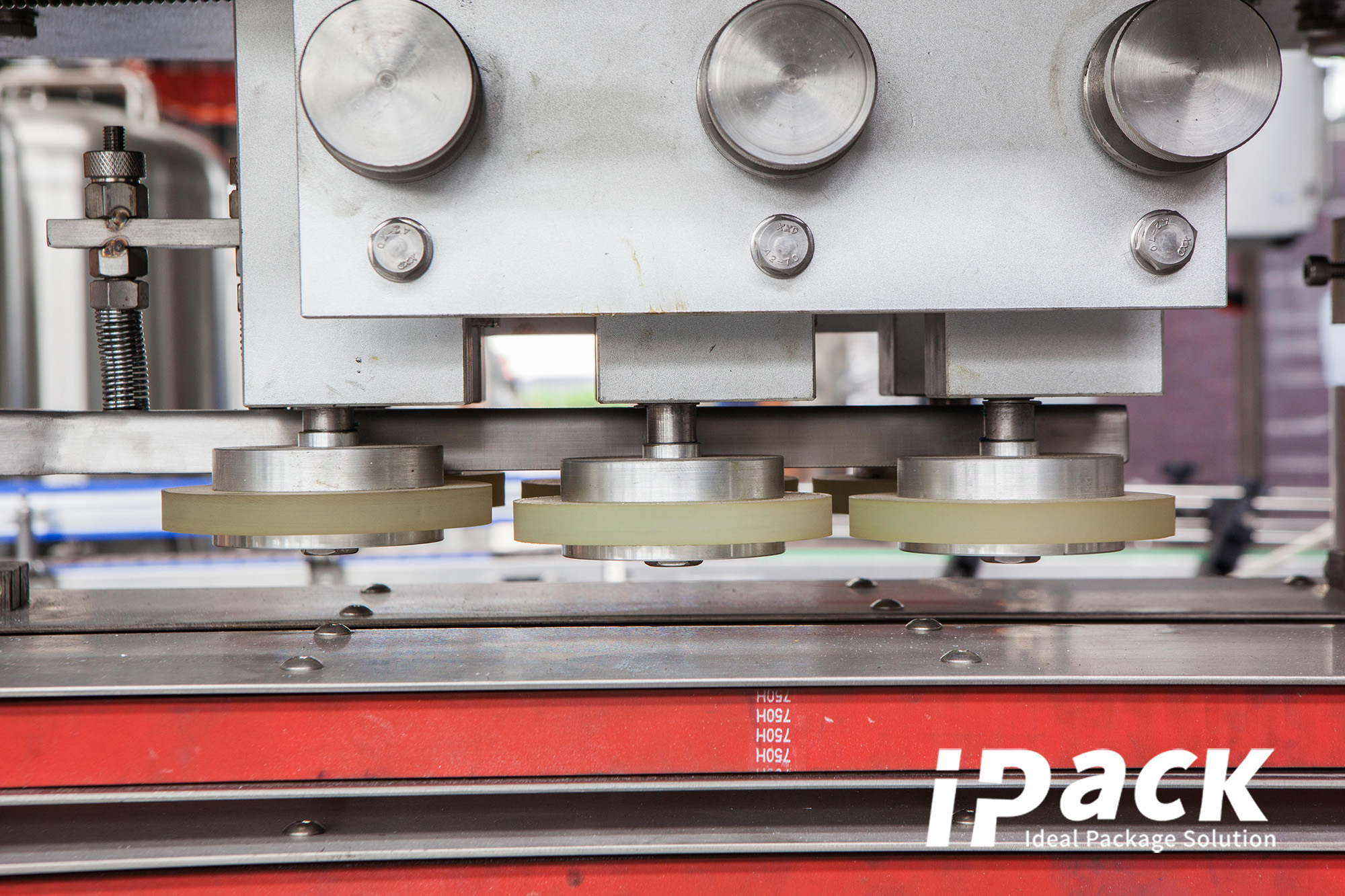
Filling accuracy is the core metric that determines production cost, product quality, and regulatory compliance for edible oil, motor oil, and cosmetic oil packaging lines. Traditional manual, semi-automatic and pneumatic filling equipment suffers from unstable stroke, mechanical wear and lack of real-time correction, resulting in large volume deviation.
To help manufacturers visualize the accuracy gap, here is the standard tolerance of mainstream filling methods:
- Manual Filling: ±3% ~ ±5%
- Semi-Automatic Filling: ±1% ~ ±2%
- Servo-Driven Automatic Filling: ±0.2% ~ ±0.5%
Servo-driven oil filling machines replace traditional mechanical cams and limit switches with full programmable closed-loop control. The filling volume remains highly consistent in every cycle, unaffected by operator experience, line speed changes or ambient temperature fluctuations. This precision eliminates costly overfilling and keeps all batches fully compliant with global packaging regulations.
Why Traditional Volumetric Fillers Cause Unavoidable Volume Errors
Conventional pneumatic and gear-driven oil fillers rely on fixed mechanical positioning. After long-term operation, mechanical drift, component wear, temperature changes and oil viscosity differences will continuously accumulate volume errors.
Production teams have to stop the line for frequent manual recalibration, causing unplanned downtime. More importantly, most factories choose overfilling to avoid underweight non-compliance. Long-term excess oil filling creates massive material waste and directly erodes profit margins.
Closed-Loop Servo + PLC Control: Stable ±0.2% Guaranteed Tolerance
Modern servo filling systems adopt high-precision servo motors matched with PLC real-time data processing. The system detects piston position and acceleration 1,000 times per second and automatically outputs correction signals to maintain standard stroke tracks.
The closed-loop design eliminates mechanical backlash and dynamically compensates viscosity changes during operation. Users can store independent digital recipes for different oil types, including acceleration, deceleration and dwell parameters.
Workers can switch SKUs without manual debugging, achieving stable ±0.2% filling accuracy. The system fully meets FDA 21 CFR Part 101.9 and EU 76/211/EEC weight labeling standards, realizing near-zero product giveaway and zero compliance risk.
Adaptive Viscosity Control: From Thin Motor Oil to Thick Coconut Oil
Oil products vary greatly in viscosity, from low-fluidity 5W-30 motor oil to high-density organic coconut oil. Traditional fixed-stroke fillers face two common failures: air entrapment and shear-thinning deviation.
Key Challenges in High-Viscosity Oil Filling
Thick oil flows slowly. Fast piston strokes trap air inside the cavity, causing foam and under-filling. In addition, oil viscosity drops instantly when passing through narrow nozzles (shear-thinning effect), leading to unstable filling volume. Traditional static pressure control can cause 3%–5% volume deviation for high-viscosity oil, seriously affecting batch consistency.
HMI Custom Stroke & Backpressure Management Ensure Stable Flow
Servo-driven machines solve viscosity mismatches through HMI one-click customized stroke profiles:
- Thin mineral oil: Fast short strokes to avoid splashing
- Thick coconut oil: Slow deceleration strokes to exhaust air and eliminate cavitation
Equipped with adjustable backpressure check valves and servo hold-back systems, the nozzle remains fully sealed before filling starts. It completely solves dripping and flow fluctuation. Even with frequent product switching, the system maintains ±0.2% repeatable accuracy, and each SKU changeover takes less than 30 seconds.
Operational Advantages: 30s Fast Switching + 37% Higher Line Uptime
No Mechanical Adjustment: Digital Recipe Switching Within 30 Seconds
Traditional filling machines require replacing cams and gears for bottle size or oil type changes, costing 15–45 minutes per adjustment.
Servo filling systems remove all mechanical limit structures. All parameters are stored in digital recipes on the HMI touchscreen. Operators can complete product switching in 30 seconds. It perfectly supports small-batch customization, seasonal products and co-packing production, saving massive labor and downtime costs.
Verified Industry Data: 37% Higher OEE and Output (PMMI 2024)
According to the 2024 PMMI Automation Trends Report, factories that upgrade traditional lines to servo-driven oil filling systems achieve an average 37% increase in uptime and effective output.
Reduced recalibration frequency and zero mechanical changeover downtime greatly improve equipment operation efficiency. Manufacturers obtain lower unit production costs, higher capacity utilization and scalable production without expanding workshop space or increasing staffing.
FAQ
What is the accuracy of servo-driven oil filling machines?
Servo oil filling machines deliver a stable filling tolerance of ±0.2%, far exceeding manual and semi-automatic filling precision.
How does servo control improve filling accuracy?
Servo + PLC closed-loop control monitors and corrects piston status in real time, eliminating mechanical errors and viscosity interference to ensure consistent volume per batch.
Can servo machines handle different oil viscosities?
Yes. Customizable HMI stroke profiles adapt to thin motor oil, medium edible oil and thick coconut oil, stabilizing flow and avoiding air entrapment and foam defects.
How fast is product changeover on servo filling lines?
All product switching relies on digital recipe selection, completed in under 30 seconds without mechanical modification.
What production benefits can servo upgrades bring?
PMMI 2024 data proves servo retrofits increase line uptime and output by 37% on average, reducing waste, labor cost and unplanned downtime.