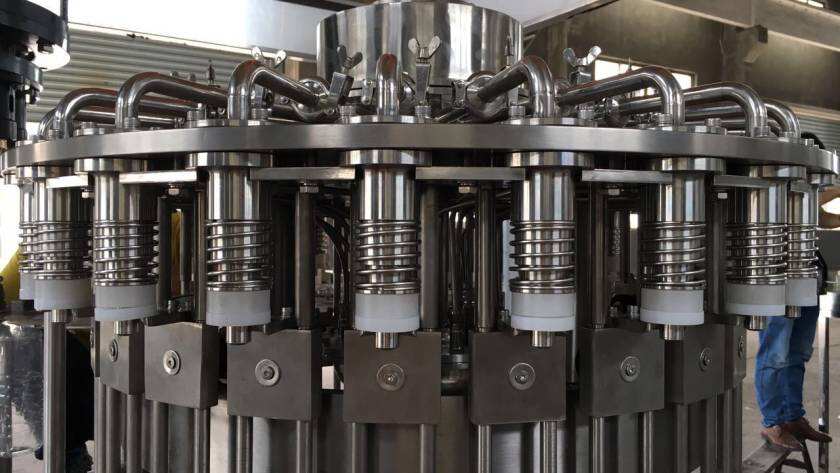
Juice Filling Machine: Core Application Areas for Juice Producers Worldwide
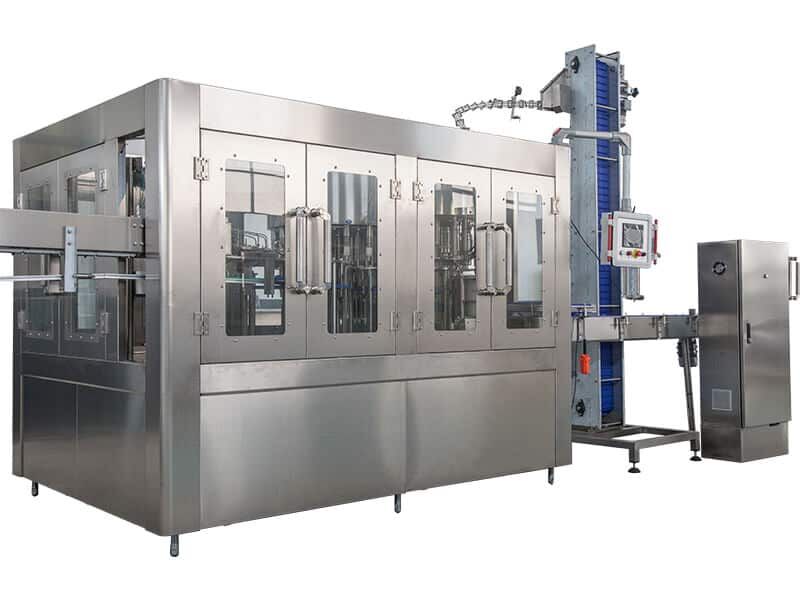
Small and medium-sized juice brands, local artisanal producers, and startup beverage businesses rely on versatile juice filling machines. These compact, user-friendly systems adapt to common packaging formats—glass/PET bottles, pouches, cartons, and single-serve cups—supporting small-batch production of fresh-squeezed, seasonal, or regional juices. They enable entry into neighborhood stores, farmers’ markets, online direct-to-consumer (DTC) platforms, and local café partnerships without heavy infrastructure investments, making them ideal for brands scaling from micro to mid-sized operations.
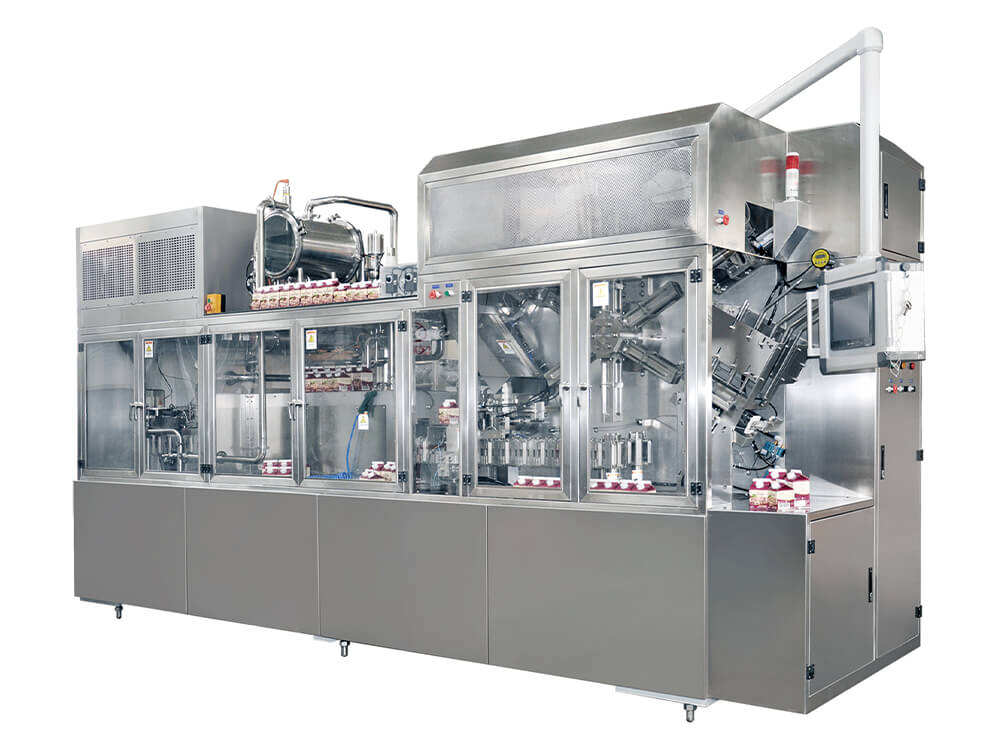
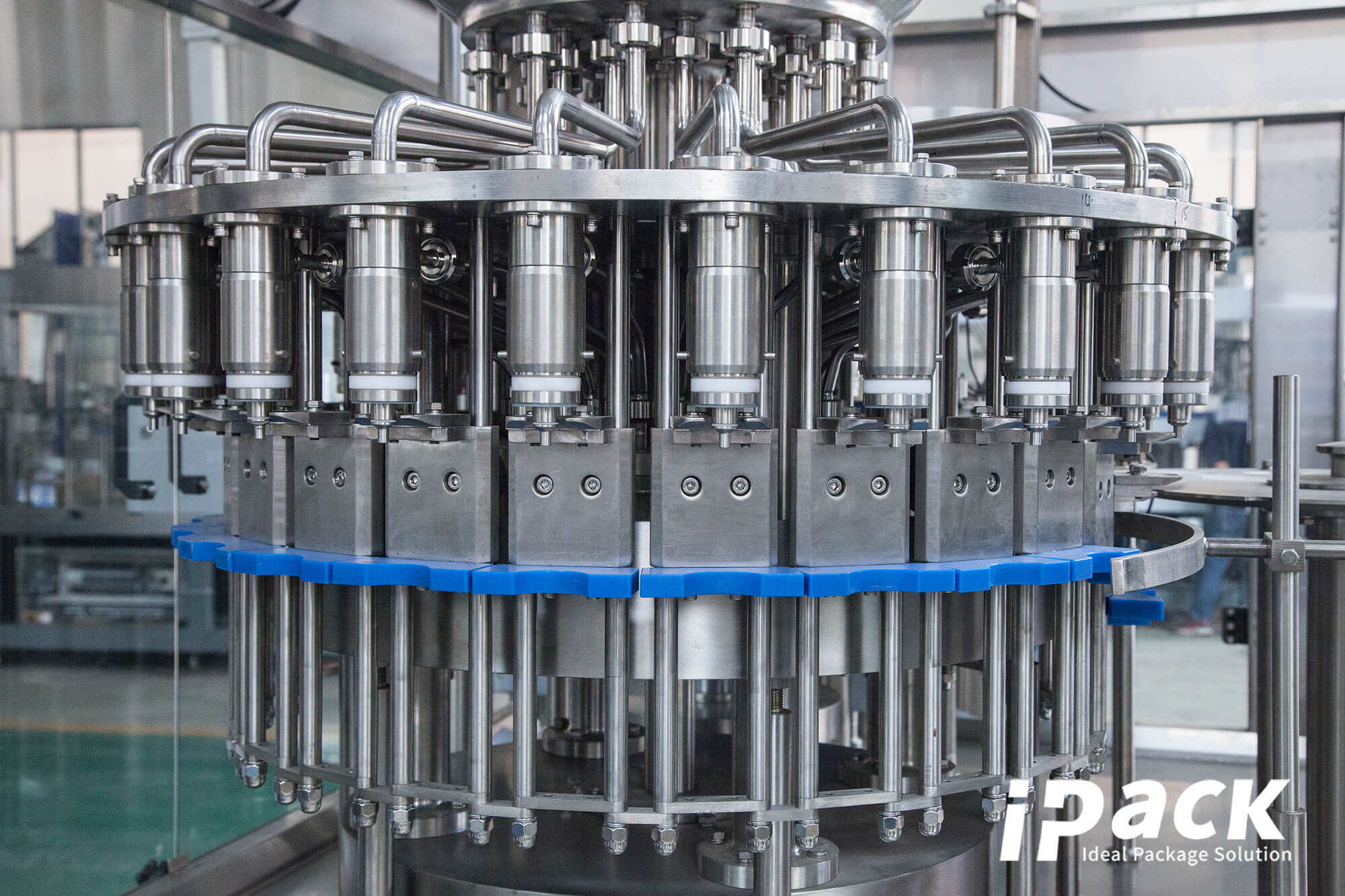
Premium and functional juice segments (organic, cold-pressed, NFC, and nutrient-fortified juices) depend on specialized juice filling machines. These devices feature aseptic filling technology, oxygen barrier sealing, and gentle product handling to preserve natural flavors, vitamins, and shelf life—critical for products prioritizing purity and nutrition. Compatible with eco-friendly packaging materials (recyclable plastics, biodegradable pouches), they cater to health-conscious consumers and align with sustainability trends, fitting seamlessly into specialty grocery stores, health food retailers, and wellness-focused channels.
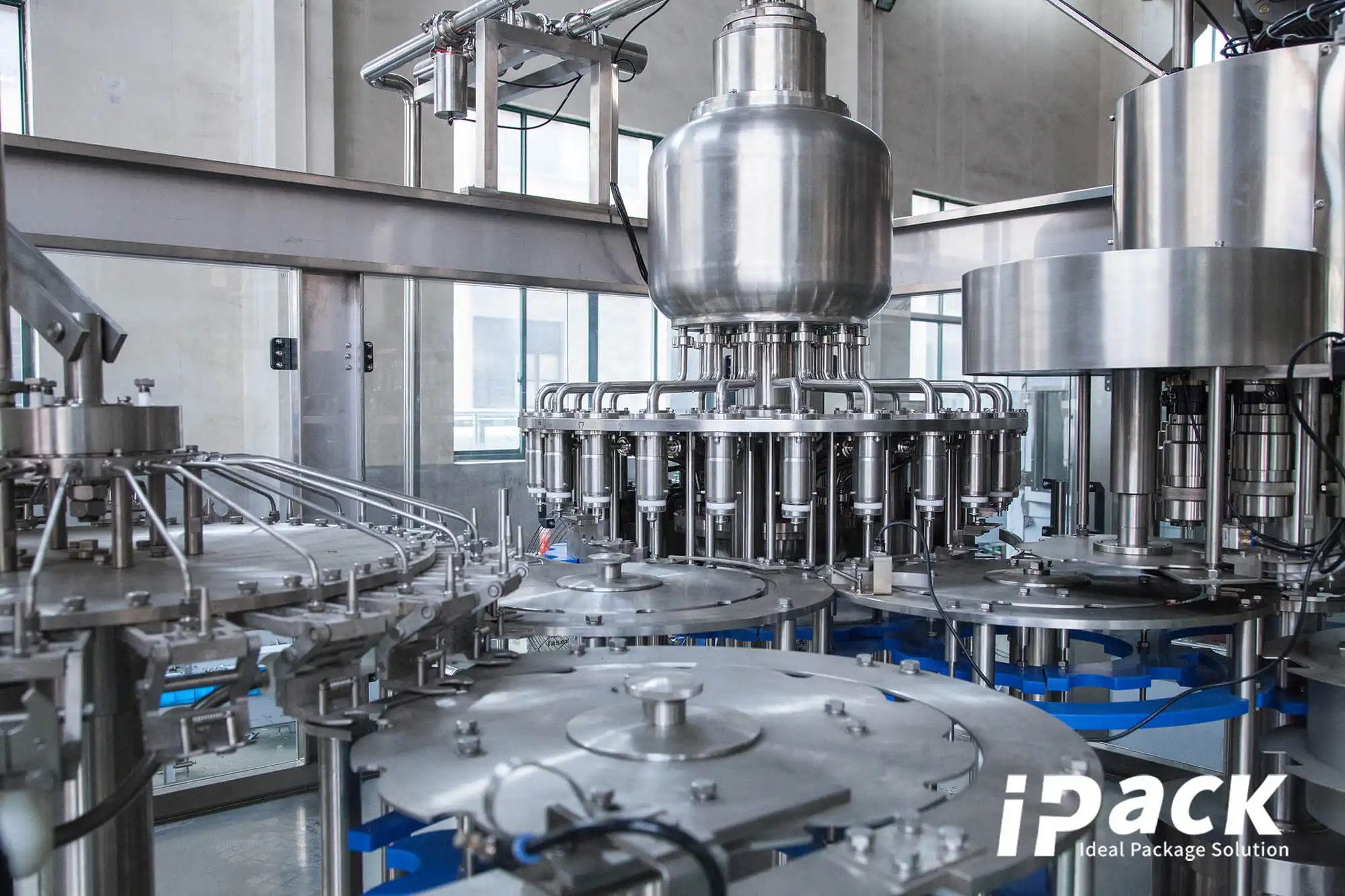
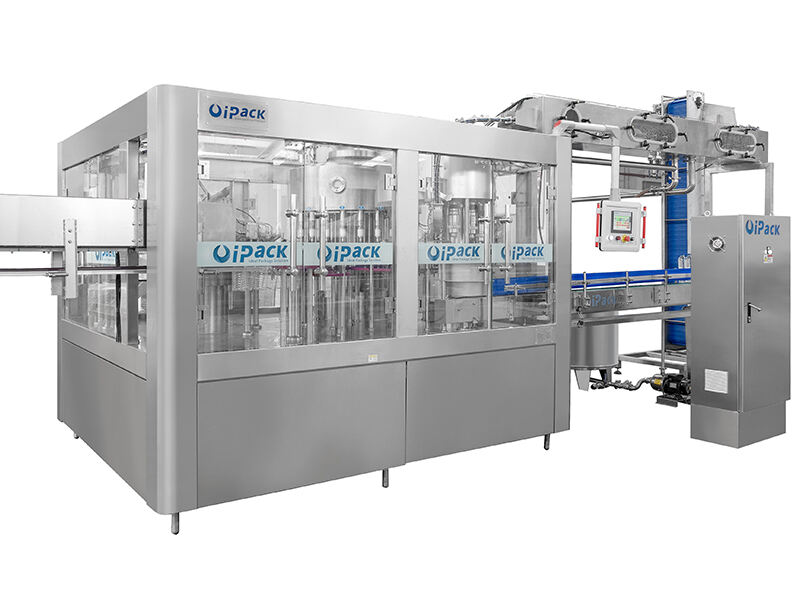
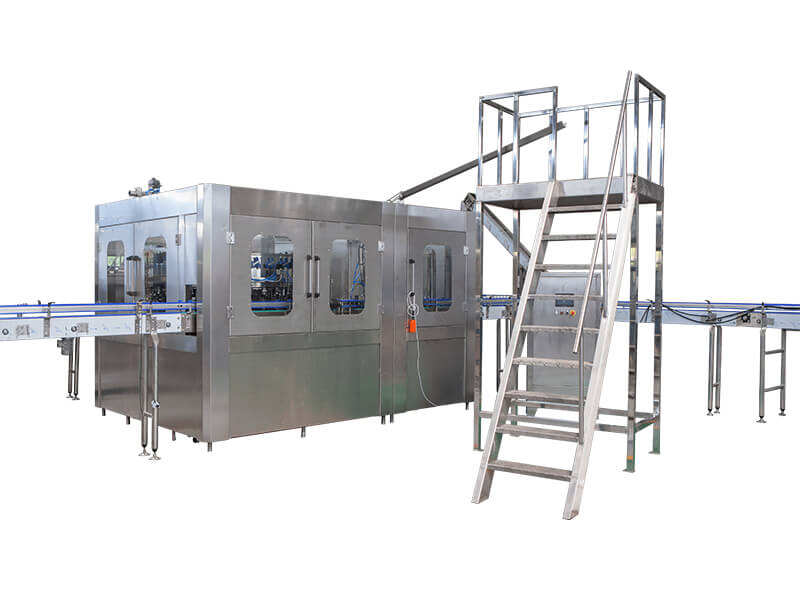
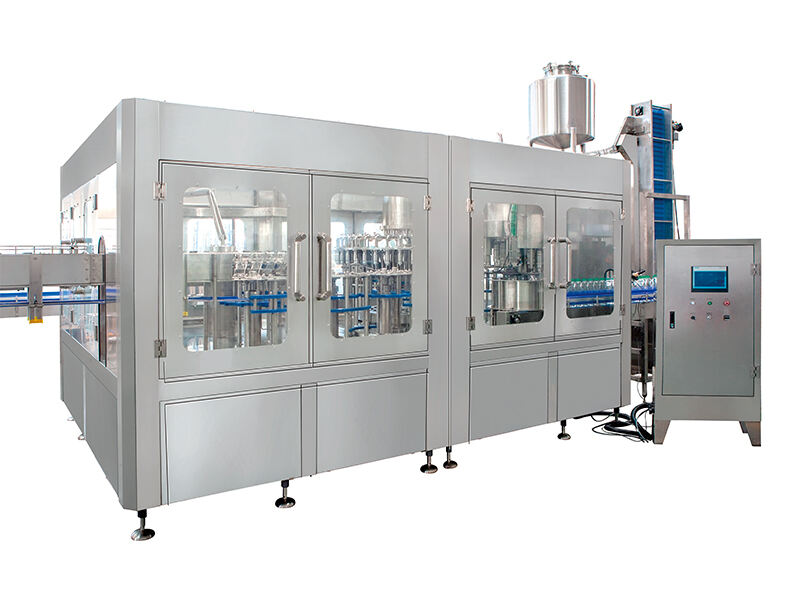
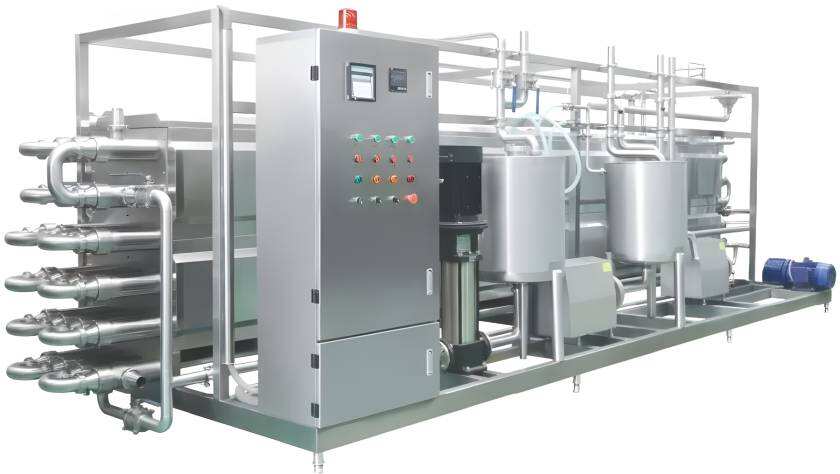
Large-scale juice manufacturers and global beverage conglomerates leverage industrial-grade juice filling machines for mass production. These fully automated systems operate at high speeds (thousands of units per hour), integrating seamlessly with end-to-end production lines (from squeezing and pasteurization to capping and labeling). They support quick format switches for diverse bottle sizes and juice types (fruit juice, vegetable blends, fortified drinks), enabling efficient supply to supermarkets, convenience store chains, and international distribution networks while upholding consistent quality and safety standards.
 EN
EN