 EN
EN

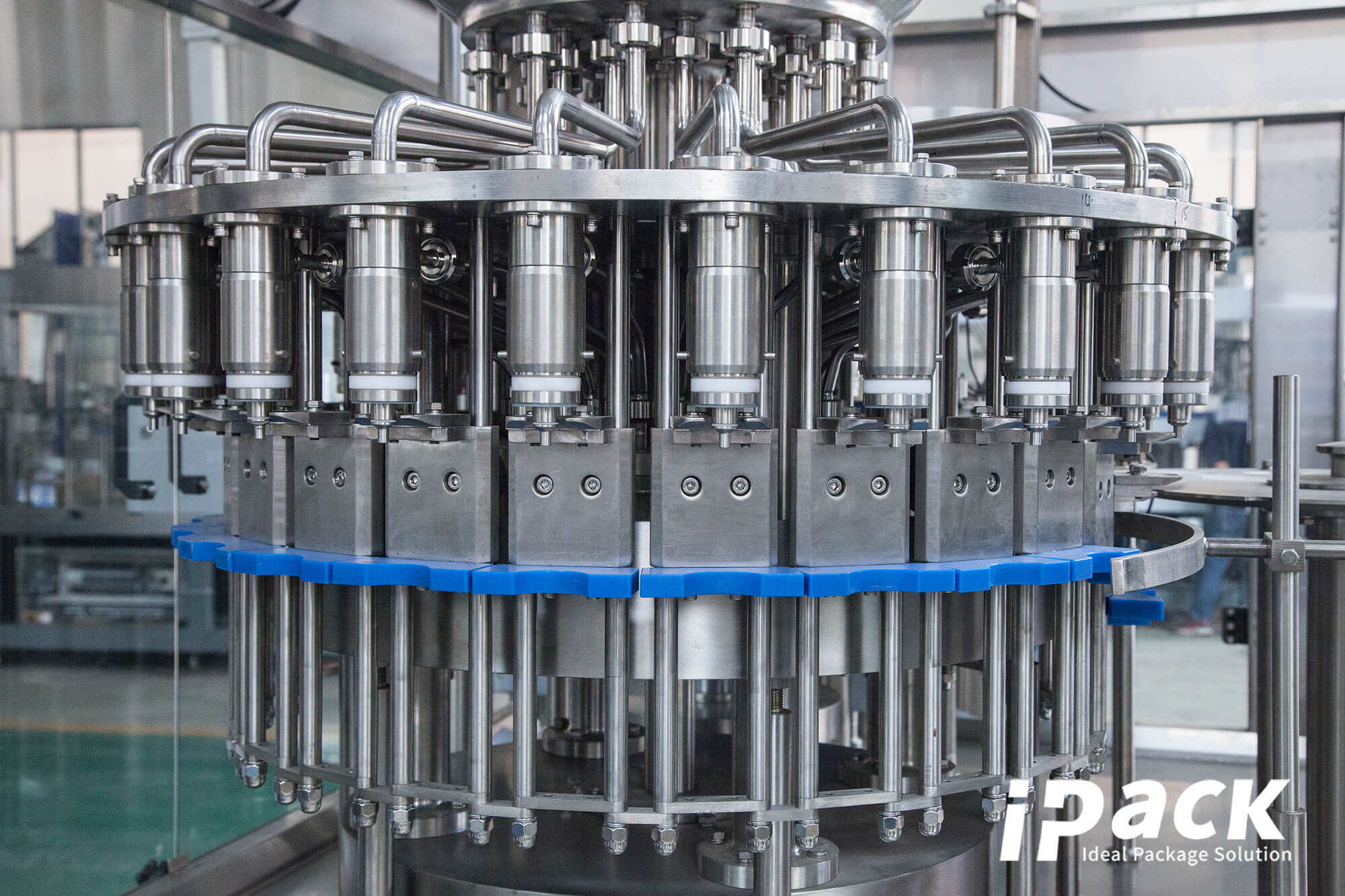
How Beverage Type Determines Filling Machine Technology
Core Principles of Beverage Filling Technologies
Today's beverage filling equipment depends on three main approaches designed specifically for different types of liquids. For runny stuff like water or clear fruit juices, gravity fillers let the liquid flow naturally through the system. Carbonated drinks need something else entirely though - pressure systems keep those precious bubbles intact so sodas stay fizzy. And then there are viscous products where precision matters most. That's where piston-based tech shines, giving exact measurements for things like thick smoothies and fruit nectars that just won't pour right otherwise. Most manufacturers stick with these tried-and-true methods which cover nearly all commercial needs according to last year's Beverage Production Tech report from industry analysts.
Why Beverage Chemistry Drives Filler Selection
When choosing filling equipment, factors such as liquid thickness, fizziness, and how acidic something is really matter a lot. According to research published in 2024 by Eastern Packaging, pressure fillers tend to slow things down quite a bit when dealing with runny juices, causing about a 19 percent drop in production because of all the spills that happen. Meanwhile, gravity based systems just don't work well with carbonated drinks at all, losing carbonation in nearly 4 out of every 10 soda tests they ran. Citrus drinks and other acidic products need special parts made from stainless steel so they don't rust over time. Most water focused machines aren't built this way, which means manufacturers have to be extra careful when switching between different types of liquids.
Key Features of Modern Beverage Filling Machines: Speed, Accuracy, and Automation
The best filling systems on the market hit around ±0.5% accuracy while running through over 400 bottles every minute flat out. What really stands out though is how these machines handle switching from fizzy drinks to still ones. With automated pressure controls, they can make the transition in just under four minutes total, which cuts down those annoying changeover periods by about 80%. And there's something else pretty cool going on here too. These systems come equipped with sensors that pick up on viscosity shifts as they happen, then tweak the fill settings automatically. Juice producers have seen their output jump by roughly 22% since adopting this tech according to last year's industry survey on filling automation trends.
Carbonated Beverage Filling: Managing Pressure and Preserving Carbonation
Counter-Pressure and Isobaric Filling Technology Explained
The process for filling carbonated drinks typically involves what's called counter-pressure systems. These systems pressurize the bottles with CO2 first before actually pouring in the beverage. What this does is balance out the pressure inside the bottle, which can reach around 50 pounds per square inch in newer equipment. This helps stop the precious CO2 from escaping and keeps those pesky bubbles from forming when the drink is poured. Some manufacturers now use something called isobaric tech that keeps everything under consistent pressure while transferring the liquid. According to industry reports from last year, these advanced methods manage to retain about 99.5 percent of the carbonation even when running at incredible speeds exceeding 30 thousand bottles per hour.
CO₂ Management and Carbonation Preservation During Filling
Precise CO₂ injection is essential: over-pressurization risks container deformation, while under-pressurization leads to flat products. Advanced fillers use real-time sensors to maintain gas levels within ±0.2 PSI tolerance, minimizing waste and meeting shelf-life standards. Optimized CO₂ management has been shown to reduce product recalls by 18% in carbonated beverages.
Challenges of Foaming: Balancing Fill Accuracy and Throughput
Foaming remains the primary efficiency barrier in carbonated filling, reducing line performance by 15–20%. Modern solutions include laminar-flow nozzles (cutting turbulence by 40%), temperature-controlled chambers (maintained at 1–4°C), and ultra-fast valve systems completing fills in less than 0.8 seconds.
Case Study: High-Speed Counter-Pressure Filler in a Soda Production Line
A major North American soda producer implemented a counter-pressure system achieving 98.7% fill accuracy across 250ml–2L containers. The pressure-adaptive technology eliminated foam-related stoppages, increasing daily output by 22,000 cases while maintaining consistent carbonation levels of 2.6–2.8 volumes post-fill.
Non-Carbonated Beverage Filling: Gravity and Pressure Systems for Water and Juice
Gravity Fillers for Water and Low-Viscosity Juices
Gravity fill systems work by letting liquids flow naturally into containers, which makes them great for things like water, clear fruit juices, and other drinks that aren't too thick. The product moves through special valves until it hits a certain point, usually giving around half a percent accuracy when filling between 60 to 120 bottles each minute. What makes these systems stand out is their simple design. Because there's less complicated machinery involved, companies can save anywhere from 25% to 40% on initial setup costs compared to those fancy pressure based alternatives. That kind of savings really matters for small scale water bottlers watching every penny they spend.
Pressure Fillers for Thick Juices and Nectars
High-viscosity beverages such as mango nectar or apricot puree require pressurized piston-driven systems operating at 15–30 psi. These ensure consistent portion control for pulpy or particle-laden products. Some models incorporate pre-heating (40–50°C) to lower viscosity during filling, reducing product waste by 12–18% in tropical juice processing.
Viscosity and Volatility: How Liquid Properties Impact Filling Performance
Viscosity directly influences filler selection:
- <10 cP: Gravity systems (e.g., apple juice)
- 10–500 cP: Adjustable piston fillers (e.g., orange juice with pulp)
- >500 cP: Progressive cavity pumps (e.g., yogurt smoothies)
Citrus juices, which contain volatile compounds, often require nitrogen blanketing during filling to prevent oxidation—adding 8–15% to operational costs compared to stable, non-reactive beverages.
Advantages and Limitations of Gravity vs. Pressure Filling Systems
Key tradeoffs between technologies are evident in performance and cost:
| Factor | Gravity Filling | Pressure Filling |
|---|---|---|
| Speed | 120 BPM (max) | 80 BPM (viscous liquids) |
| Viscosity Range | Up to 50 cP | 50–1,000 cP |
| Maintenance Cost | $0.03/bottle | $0.07/bottle |
| Floor Space | 8–12 m² | 15–20 m² |
Gravity fillers excel with free-flowing liquids but struggle with foaming or particulates. Pressure systems handle complex formulations but consume 2–3x more energy, justifying their use only above 5,000 liters/hour.
Juice-Specific Filling Processes: Hot Fill vs. Cold Aseptic Filling
Hot Fill vs. Cold Fill: Preserving Shelf Life and Flavor
The hot filling process heats juice to around 85 to 95 degrees Celsius which kills off bacteria in both the liquid itself and the packaging material. When it cools down after being sealed, a vacuum forms inside the container that keeps microbes out. This works great for acidic drinks but comes at a cost. Many important nutrients such as vitamin C get destroyed during heating, sometimes losing almost half their potency. On the other hand, companies have started adopting cold aseptic methods where they flash pasteurize the juice through ultra high temperature processing before putting it into clean containers at room temperature. This approach maintains most of those valuable nutrients along with better taste retention. Look at premium orange juice products on supermarket shelves these days – many claim they can sit unrefrigerated for over a year thanks to these advanced preservation techniques.
Temperature Control and Nutritional Integrity in Juice Filling
Getting the temperature right matters a lot when trying to maintain both product safety and taste quality. When juice sits too long at high temperatures during hot filling, those precious antioxidants start breaking down and flavors get messed up. Cold aseptic processing keeps things much cooler, typically under 30 degrees Celsius after ultra high temperature treatment. Studies indicate that juices processed this way hold onto about 40 percent more of their beneficial polyphenols and keep roughly 90% of their original vibrant color compared to what happens with hot filling. Most modern production lines now incorporate improvements for both approaches, including quick cooling sections and nitrogen gas injection that helps prevent unwanted oxidation reactions from happening.
Trend: Aseptic Cold Filling Adoption in Premium Juice Brands
More than two thirds of high end juice makers have made the switch to cold aseptic filling even though it costs more upfront, mainly because shoppers want that fresh from the orchard taste and ingredients lists that don't look like chemistry experiments. Recent market research in 2024 showed that products made this way can fetch anywhere between 15% and almost 20% extra on the shelf compared to regular juices, thanks to better flavors that last longer and nutrients that stay intact. Take one brand that makes organic drinks for instance they expanded into twice as many stores across the country once they started using aseptic technology. The system works well with those light weight plastic bottles that people can actually recycle, which has been a big selling point in recent years.
Matching Filling Method to Product Sensitivity and Market Position
| Factor | Hot Fill Advantage | Cold Aseptic Advantage |
|---|---|---|
| Capital Cost | 30–40% lower upfront investment | Lower packaging material costs |
| Nutrient Retention | Suitable for stable vitamins | Ideal for sensitive compounds |
| Market Positioning | Budget-friendly, shelf-stable | Premium, health-focused |
Delicate juices like cold-pressed celery prioritize cold aseptic’s gentle processing, while robust, high-acid options like pineapple may favor economical hot filling. A cost-benefit analysis shows cold aseptic systems deliver better ROI within two years for products priced above $4.99 per unit.
Choosing the Right Beverage Filling Machine Based on Product Requirements
Comparative Analysis: Carbonated vs. Non-Carbonated Filling Needs
For carbonated drinks, special counter-pressure fillers are necessary if we want to keep that CO₂ intact. Water and juice don't need anything fancy like this since they work fine with basic gravity filling systems. When it comes to soda production lines, getting the pressure right is absolutely critical otherwise everything gets foamy and ends up overfilled. Juice filling equipment works differently though, focusing instead on how thick or thin the liquid is so it flows properly through the machinery. A recent industry report from last year found something interesting here too carbonated drink manufacturers actually face around 18 percent more downtime compared to their water bottling counterparts because of all those pesky foam problems requiring constant readjustments.
Data Insight: 15–20% Efficiency Drop in Carbonated Lines Due to Foaming
Foam formation in carbonated filling reduces line efficiency by 15–20%, as dissolved CO₂ escapes and triggers false "full" sensor readings. Each bottle loses approximately 2.4 seconds to foam dissipation—a significant bottleneck in high-speed lines producing 50,000 units/hour (Ponemon Institute, 2023).
Strategy: Aligning Filler Technology with Beverage Chemistry and Scale
Selecting the right machine depends on three core factors:
- Carbonation level: Use isobaric fillers for beverages exceeding 4.5 volumes of CO₂
- Viscosity: Employ piston pumps for liquids above 1,500 cP
- Output volume: Opt for rotary systems when production exceeds 20,000 bottles/hour
Mid-sized breweries adopting modular filling systems report 30% faster product changeovers, enhancing operational agility.
Future-Proofing Your Line: Flexibility and Automation in Beverage Filling Machines
Smart factories are starting to adopt AI-powered vision systems that can recognize different container shapes and adapt to various liquid properties on their own. According to industry data from early 2024, around 6 out of 10 juice companies have switched to these hybrid filling machines. These systems can toggle between hot-fill at 85 degrees Celsius and cold-aseptic processing without needing major equipment changes. The result? Manufacturers report saving about 40% on those costly retooling expenses. As competition intensifies in the beverage sector, facilities that embrace this kind of flexible, smart filling tech are gaining a real edge over traditional operations still stuck with rigid production methods.
FAQ
What are the main types of beverage filling technologies?
There are three main types: gravity fillers for thin liquids, pressure systems for carbonated drinks, and piston-based technologies for viscous products.
Why is it important to consider beverage chemistry when selecting filling equipment?
Beverage chemistry, including thickness, fizziness, and acidity, impacts filler selection to prevent issues like spills, carbonation loss, or material corrosion.
How can filling machines be automated to improve efficiency?
Modern machines use automated pressure controls and sensors to adjust fill settings based on viscosity shifts, reducing changeover times and enhancing throughput.
What are the challenges of filling carbonated beverages?
Carbonated filling faces challenges such as maintaining CO₂ levels and preventing foaming, which can affect fill accuracy and production speed.
How does viscosity affect the choice of filling system?
Viscosity levels determine whether to use gravity, piston, or progressive cavity pumps, ensuring efficient and accurate filling based on liquid properties.
Table of Contents
- How Beverage Type Determines Filling Machine Technology
- Carbonated Beverage Filling: Managing Pressure and Preserving Carbonation
- Non-Carbonated Beverage Filling: Gravity and Pressure Systems for Water and Juice
- Juice-Specific Filling Processes: Hot Fill vs. Cold Aseptic Filling
- Hot Fill vs. Cold Fill: Preserving Shelf Life and Flavor
- Temperature Control and Nutritional Integrity in Juice Filling
- Trend: Aseptic Cold Filling Adoption in Premium Juice Brands
- Matching Filling Method to Product Sensitivity and Market Position
- Choosing the Right Beverage Filling Machine Based on Product Requirements
-
FAQ
- What are the main types of beverage filling technologies?
- Why is it important to consider beverage chemistry when selecting filling equipment?
- How can filling machines be automated to improve efficiency?
- What are the challenges of filling carbonated beverages?
- How does viscosity affect the choice of filling system?