Application Areas of Water Bottle Filling Machines
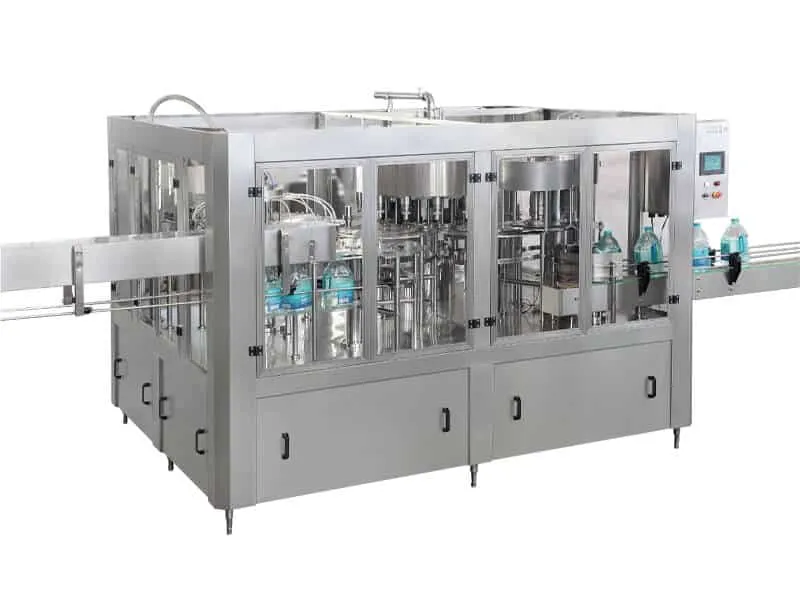
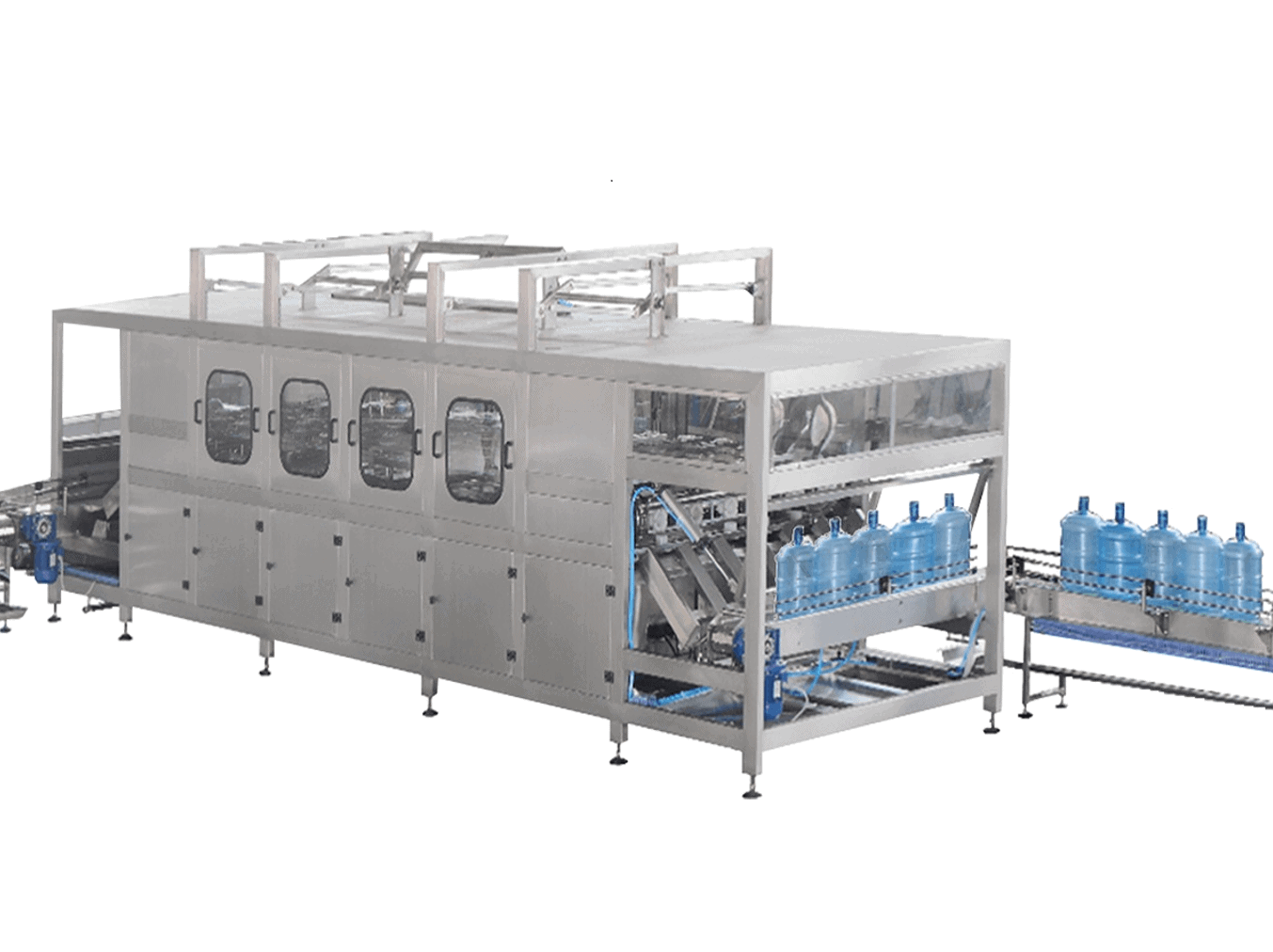
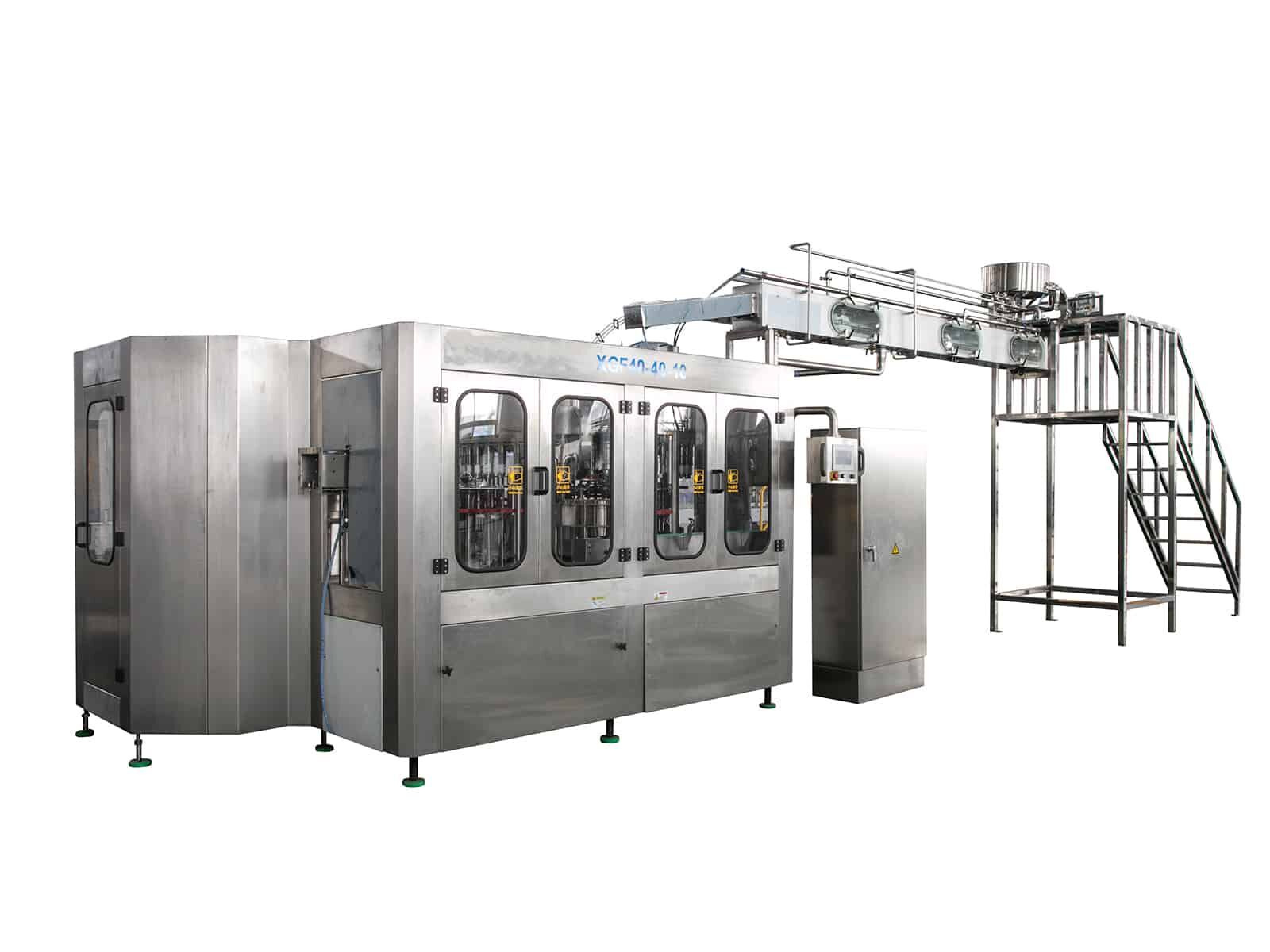
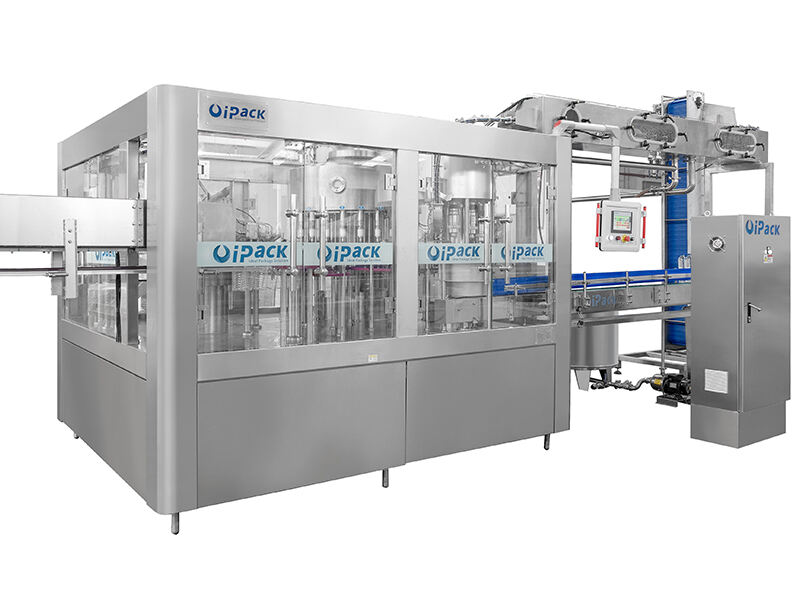
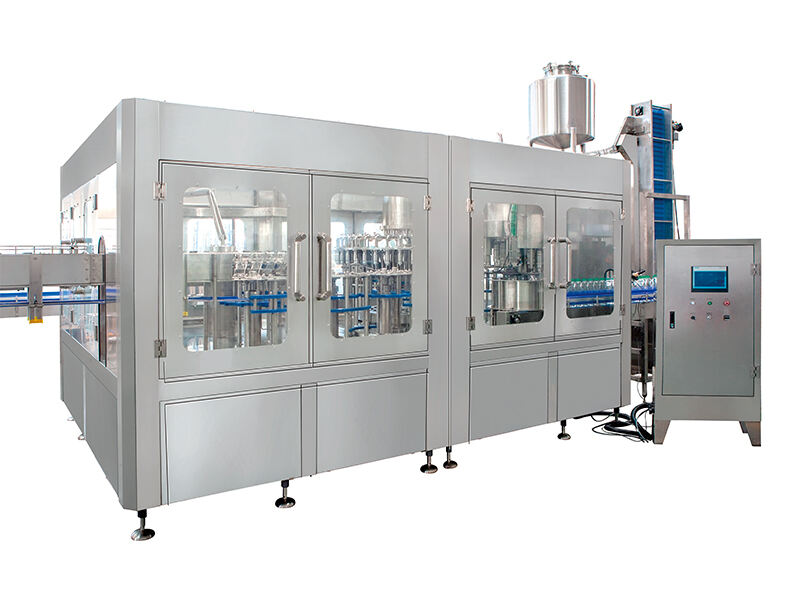
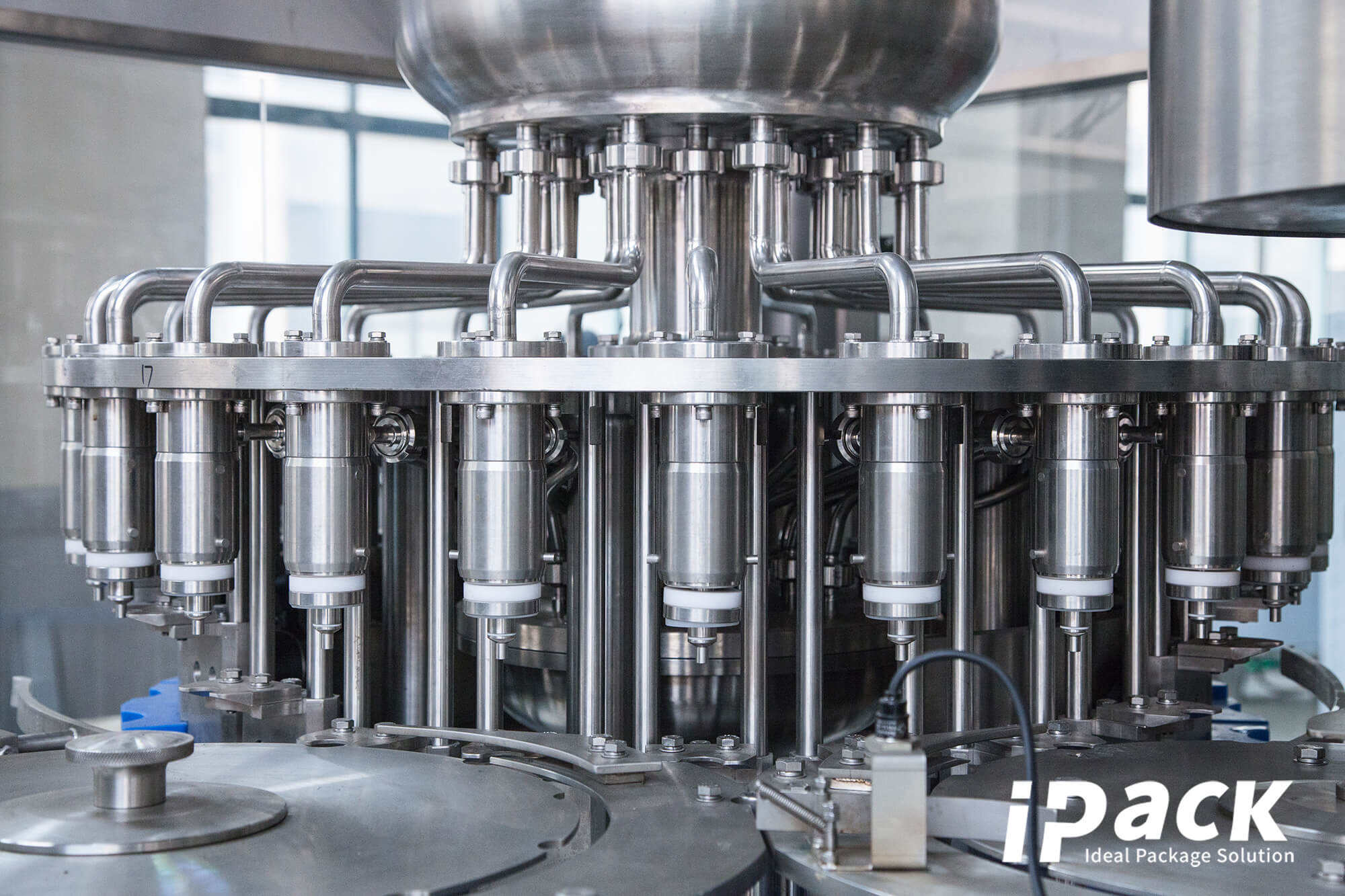
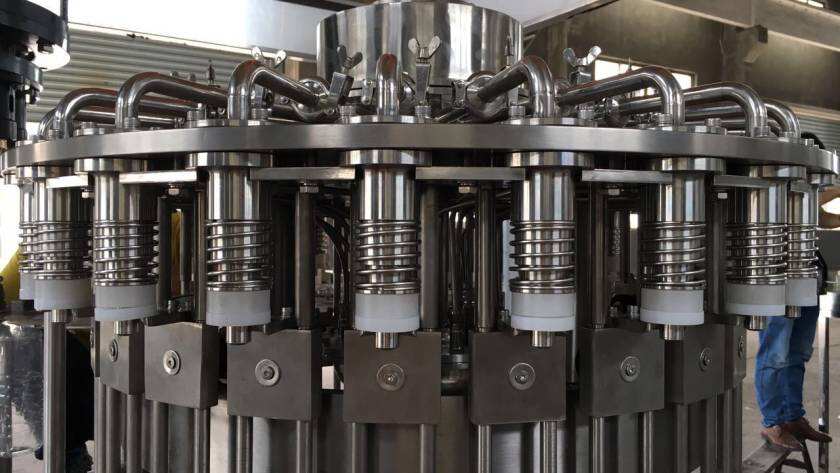
Large-scale bottled water manufacturers form the core application area for water bottle filling machines. These enterprises focus on mass-producing mainstream products like 550ml daily drinking water, 18.9L barreled water for households/offices, and 330ml mini bottles for on-the-go consumption. The machines here are typically integrated lines, combining bottle washing, disinfection, precise filling, capping, and labeling into one automated process—with throughputs ranging from 5,000 to 20,000 bottles per hour. This not only eliminates manual errors (such as inconsistent filling levels) but also ensures strict compliance with food safety standards (e.g., ISO, local health regulations), which is critical for meeting the continuous supply needs of national retail chains, supermarkets, and wholesale distributors.
Small and medium-sized enterprises (SMEs) and niche water brands are a fast-growing application segment. As consumers increasingly seek differentiated water products—like low-sodium mineral water, alkaline water, organic spring water, or fruit-infused functional water—SMEs need equipment that balances flexibility and cost-effectiveness. Water bottle filling machines cater to this by offering modular designs: businesses can start with a compact line (1,000 to 5,000 bottles per hour) focused on core filling functions, then add modules (e.g., custom branding labels, eco-friendly packaging adapters, or mineral content control systems) as they expand. This scalability lets SMEs launch small-batch, high-value products without overinvesting, helping them compete in regional markets or target niche groups (such as health-conscious families, fitness centers, or eco-focused retailers).
Cross-industry and special scenario applications extend the machine’s use beyond traditional bottled water production. In the catering and retail sector, cafes, bubble tea chains, and premium hotels use small-scale water bottle filling machines to bottle in-house beverages—like cold brew coffee, homemade fruit water, or signature iced teas—turning perishable drinks into shelf-stable products for takeaway or resale. The pharmaceutical and health product industry adopts specialized versions of these machines, featuring sterile filling chambers and precision dosing, to bottle medical-grade drinking water or liquid supplements (e.g., vitamin-infused water) that require strict hygiene and dosage accuracy. Additionally, in disaster relief, remote mountain resorts, or construction sites, portable water bottle filling machines process locally filtered water into safe, packaged bottles on-site—solving urgent drinking water supply issues while reducing transportation costs and carbon footprints.
 EN
EN