 EN
EN

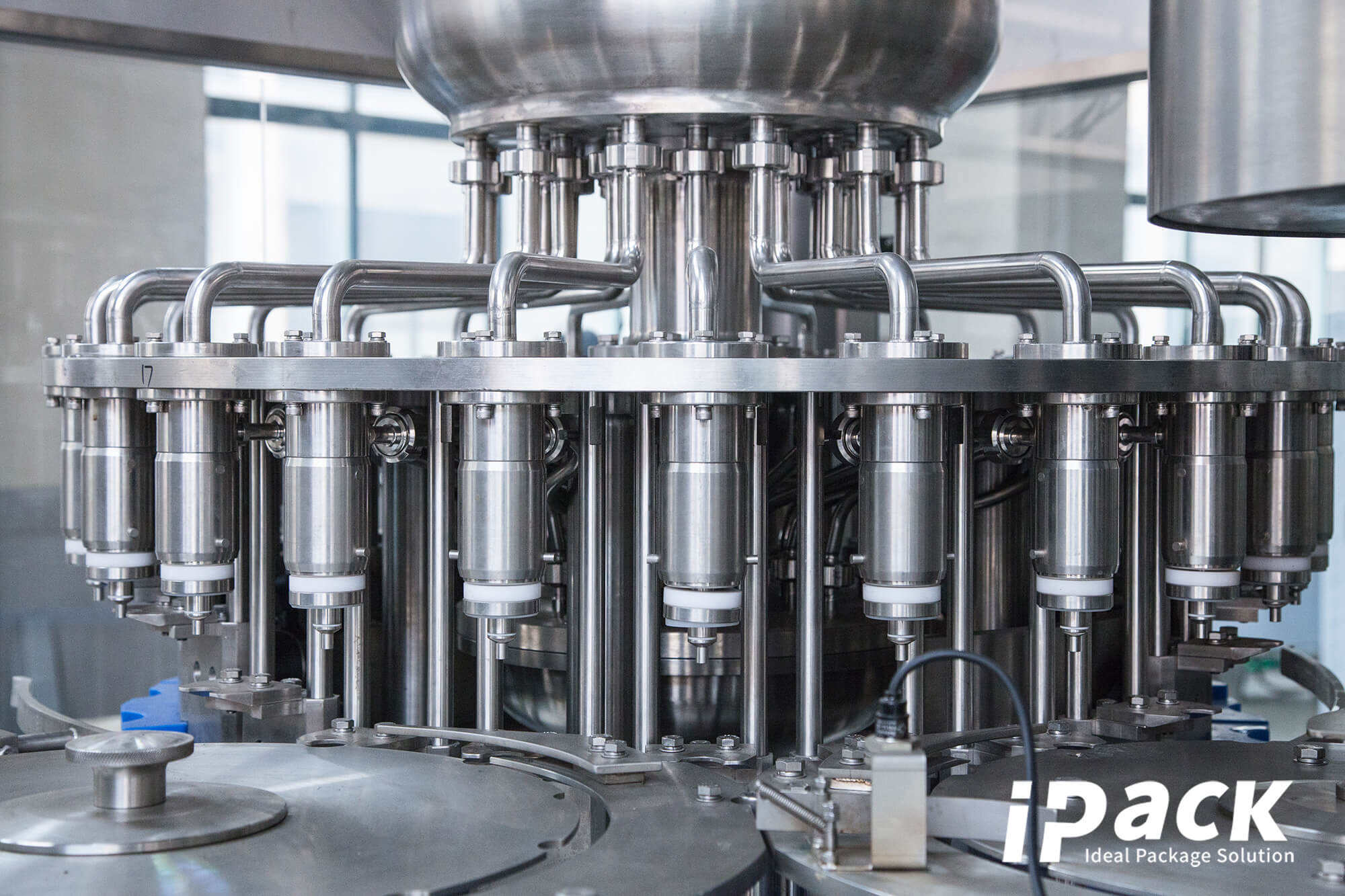
How Aseptic Processing Ensures Safety in Juice and Dairy Filling
The Science Behind Aseptic Processing for Sensitive Beverages
The aseptic beverage filling machines work to keep drinks free from harmful microbes by sterilizing both the liquid itself and whatever container it goes into all at once. What makes these systems so reliable? They create what's called an ISO Class 5 clean room environment inside special sealed chambers that look kind of like big gloves, which stops any outside contaminants from getting into the product while it fills up. This double protection really matters when dealing with tricky products like citrus based drinks or milk alternatives that contain lactose. Without needing chemical preservatives, manufacturers can actually preserve most of the nutritional value intact. Industry studies show something pretty impressive here too: unlike older heating techniques that cook away many nutrients, modern aseptic processes manage to hold onto around 90% of those delicate vitamins like vitamin C according to research published by IFT back in 2023.
Key Differences Between Aseptic and Conventional Filling Methods
Traditional hot fill systems basically cook drinks at around 185 degrees Fahrenheit for several minutes straight, and this tends to mess with both flavor profiles and nutritional content over time. Aseptic filling works differently though it heats liquids for just under 15 seconds at about 280 degrees before quickly bringing them back down to room temperature. What makes this approach special is how it keeps dairy products from developing those unwanted caramel notes while maintaining that freshly squeezed juice character most people love. Another big difference lies in packaging treatment too. With aseptic processes, containers get sterilized independently first something regular hot fill systems skip entirely. This separate sterilization allows manufacturers to create products that sit on store shelves for months without needing refrigeration, which obviously cuts down on transportation costs and gives retailers more flexibility in where they stock items.
Role of Temperature Control in Preserving Product Integrity
Getting the temperature right matters a lot during aseptic processing. Modern triple zone systems handle three main stages: getting everything ready for sterilization, then the actual ultra high temperature treatment, followed by rapid cooling. The packaging itself needs to reach around 194 degrees Fahrenheit or 90 Celsius first. Meanwhile, the liquid inside gets blasted with heat up to 280 F (about 138 C) but only for a short window long enough to kill off harmful bacteria without damaging the product. After that comes quick chilling down to refrigerator temps at roughly 39 F (4 C). This fast drop helps preserve most nutrients. Research from the Journal of Food Science indicates this method causes under half a percent loss in flavor when compared to regular pasteurization techniques, making it a preferred choice for many food producers concerned about quality retention.
Sterilization of Products and Packaging in Beverage Filling Machines
Ultra-High Temperature (UHT) Treatment in Juice and Dairy Sterilization
UHT processing, which stands for ultra high temperature treatment, works by heating things like milk and juice up to around 138 to 150 degrees Celsius for just 2 to 5 seconds. This short burst manages to cut down bacteria, yeast and mold levels by about 99.999% according to industry standards. The quick heating method actually kills off most pathogens without messing up the product too much from extended heat exposure. When it comes to something specific like orange juice, we see that vitamin C loss stays under 15 percent during this process. That's pretty impressive compared to regular pasteurization methods where losses tend to be higher. A recent study published last year in food science journals backs up these findings as well.
Hydrogen Peroxide and Steam-Based Decontamination of Packaging
Packaging materials are sterilized through a two-step process: exposure to 30–35% hydrogen peroxide vapor followed by hot air drying to remove residues. Lids and caps are treated with steam at 121°C for 20 minutes, ensuring complete microbial elimination. Research confirms this combination achieves 99.9999% efficacy against bacterial spores.
Validation of Microbial Reduction: Achieving Commercial Sterility
To verify commercial sterility, modern systems monitor key metrics through validated testing protocols:
| Validation Metric | Target Value | Measurement Method |
|---|---|---|
| Microbial Survivors | ≤ 1 CFU/100ml | Plate Count Agar Testing |
| Sterilization Hold Time | ≥ 15 minutes | Data Loggers & SCADA Systems |
| Hydrogen Peroxide Residues | ≤ 0.5 ppm | HPLC Chromatography |
Third-party audits conduct monthly verification to ensure compliance with FDA 21 CFR Part 113 and EU 2073/2005 standards.
Precision Filling and Sealing Under Sterile Conditions
Modern beverage filling machines integrate precision engineering with rigorous sterilization to maintain safety from fill to seal. Operating in ISO Class 5 environments—cleaner than hospital operating rooms—these systems deliver micron-level accuracy while preventing contamination.
Engineering beverage filling machines for ISO Class 5 sterile environments
Sterile filling systems use multi-stage HEPA filtration to remove 99.97% of particles ≥0.3μm. Positive pressure chambers and automated SIP (Sterilize-in-Place) protocols ensure all surfaces meet ISO Class 5 standards before production begins. Real-time particle counters continuously monitor air quality and trigger automatic shutdowns if contamination thresholds are exceeded.
Automated volumetric and gravimetric filling systems for consistency
Servo-driven pumps and load cell feedback enable filling accuracy within ±0.5%. Gravimetric systems dynamically adjust for viscosity changes using real-time density measurements, ensuring consistent fills across diverse products—from thin fruit juices to thick cream-based beverages. This level of control supports compliance with strict quality standards while reducing product giveaway.
Hermetic sealing technologies that prevent post-fill contamination
Modern sealing stations typically employ induction heating combined with laser welding techniques to form effective oxygen barriers, often achieving transmission rates under 0.01cc per square meter per day. Before actual sealing occurs, operators flush the packaging with nitrogen to knock down headspace oxygen levels to around half a percent or lower. This simple step can dramatically extend product shelf life, sometimes tripling it depending on the contents. After sealing is complete, automated vision systems check each package at impressive speeds of about 120 units per minute. These systems are so sensitive they can spot tiny seal flaws measuring just five micrometers across, ensuring only properly sealed products make it to market.
Extended Shelf Life and Supply Chain Benefits of Aseptic Filling
How aseptic filling enables ambient storage of juice and dairy products
Keeping everything super clean during processing means aseptic filling doesn't require refrigeration anymore. This makes juices and milk products stay fresh even at normal room temperatures for around 6 to maybe 12 months. That's actually three times longer than what we typically see with regular processing methods. Getting rid of those cold storage requirements saves companies quite a bit on energy bills, probably cutting costs somewhere around 40%. Plus it opens up new markets where there just isn't proper refrigeration available in the first place.
Case Study: A leading manufacturer’s aseptic cartons extending shelf life to 6–12 months
Aseptic cartons with multiple layers work really well for keeping products fresh for long stretches of time. Tests done by third parties indicate that when storing orange juice in these containers, vitamin C stays above 85% even after sitting around for nine whole months, which is right in line with what the FDA considers acceptable shelf life. Mid sized dairy operations can save themselves a fortune with this tech too. We're talking about cutting down on spoiled goods worth around $2.4 million each year according to Packaging Digest from last year. Plus it opens up new markets because now they can ship perishables all over the world without worrying about them going bad during transit.
Impact on logistics, retail distribution, and e-commerce growth
Non-refrigerated aseptic products simplify warehousing and reduce logistics costs by 22–35%. Retailers experience 18% fewer inventory write-offs, and e-commerce platforms benefit from lightweight, durable packaging that lowers shipping expenses. Driven by these efficiencies, ambient-stable beverages are projected to capture 42% of the global juice market by 2027 (Food Tech Journal 2023).
Maintaining Nutritional Quality and Flavor with Advanced Filling Technology
Advanced aseptic filling technology preserves up to 90% of heat-sensitive nutrients while delivering flavor profiles nearly identical to fresh products. By minimizing thermal exposure and oxidation, these systems maintain both health benefits and sensory quality.
Minimizing Thermal Degradation Through Rapid UHT and Cooling Cycles
Putting food through ultra high temperature treatment followed by quick cooling cuts down on overall heat exposure somewhere between 40 and 60 percent when compared with regular processing techniques. This approach helps keep vital nutrients like vitamin C and various B vitamins intact without compromising on keeping harmful microbes at bay. Recent research published in Food Engineering Research back in 2023 looked specifically at orange juice samples. The results showed that juice treated using aseptic methods kept around 88% of its original vitamin C levels, whereas pasteurized versions only managed to hold onto about 62%. For consumers concerned about nutritional value, this difference matters quite a bit.
Scientific Data: Vitamin Retention Rates in Aseptically Filled Orange Juice (Up to 90%)
Peer-reviewed research consistently demonstrates superior nutrient retention with aseptic processing. Carrot juice processed at 135°C for 2 seconds retains 92% of vitamin A, compared to 75% in slower thermal systems. These outcomes reflect reduced oxidation and enzyme activity, aligning with industry findings on advanced thermal efficiency.
Consumer Preference Studies: Taste Comparison Between Fresh and Aseptic Products
When 1,200 people took part in blind taste tests recently, about seven out of ten couldn't tell the difference between fresh squeezed OJ and the kind that's been processed aseptically. What makes this possible? Temperature control during processing plays a big role. By keeping things just right, manufacturers avoid those burnt sugar flavors that happen when temps get too hot, plus they preserve those delicate smell molecules that make orange juice smell so good. For companies, this means they can put out products that last longer on shelves without consumers noticing any drop in quality. The convenience factor is huge for busy shoppers who still want their morning glass to taste like sunshine.
FAQ Section
What is aseptic processing in juice and dairy filling?
Aseptic processing sterilizes both the liquid product and its container in a clean environment to prevent contamination. This method maintains the nutritional value and quality of the products without needing chemical preservatives.
How does aseptic filling differ from conventional filling methods?
Unlike conventional methods that use prolonged heating, aseptic filling quickly heats and cools the liquid, maintaining its nutritional content and flavor. It sterilizes the container separately, allowing for longer shelf life without refrigeration.
Why is temperature control important in aseptic processing?
Temperature control during aseptic processing is crucial for providing the right level of sterilization while preserving the delicate nutrients and flavor of the product.
What are the benefits of aseptic filling for supply chains?
Aseptic filling extends shelf life, reduces refrigeration costs, and allows products to reach markets without reliable refrigeration, saving energy and expanding sales territories.
Do aseptically filled products taste different from fresh products?
Consumer studies show that most people find aseptically filled products taste comparable to fresh ones, thanks to precise temperature control during processing.
Table of Contents
- How Aseptic Processing Ensures Safety in Juice and Dairy Filling
- Sterilization of Products and Packaging in Beverage Filling Machines
- Precision Filling and Sealing Under Sterile Conditions
- Extended Shelf Life and Supply Chain Benefits of Aseptic Filling
- Maintaining Nutritional Quality and Flavor with Advanced Filling Technology
-
FAQ Section
- What is aseptic processing in juice and dairy filling?
- How does aseptic filling differ from conventional filling methods?
- Why is temperature control important in aseptic processing?
- What are the benefits of aseptic filling for supply chains?
- Do aseptically filled products taste different from fresh products?