 EN
EN

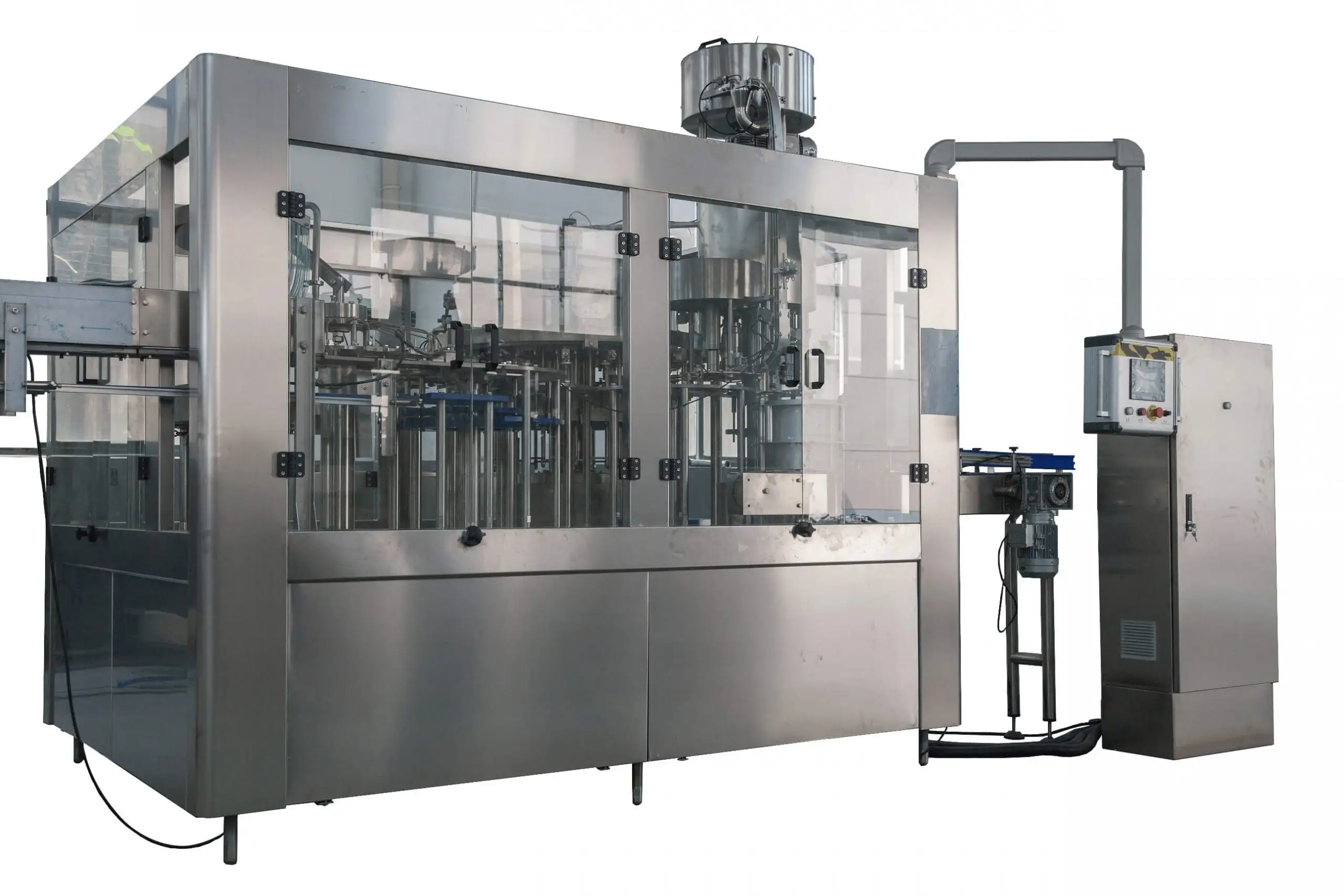
كيف ماكينات تعبئة المشروبات الغازية العمل: المبادئ الأساسية والتكنولوجيا
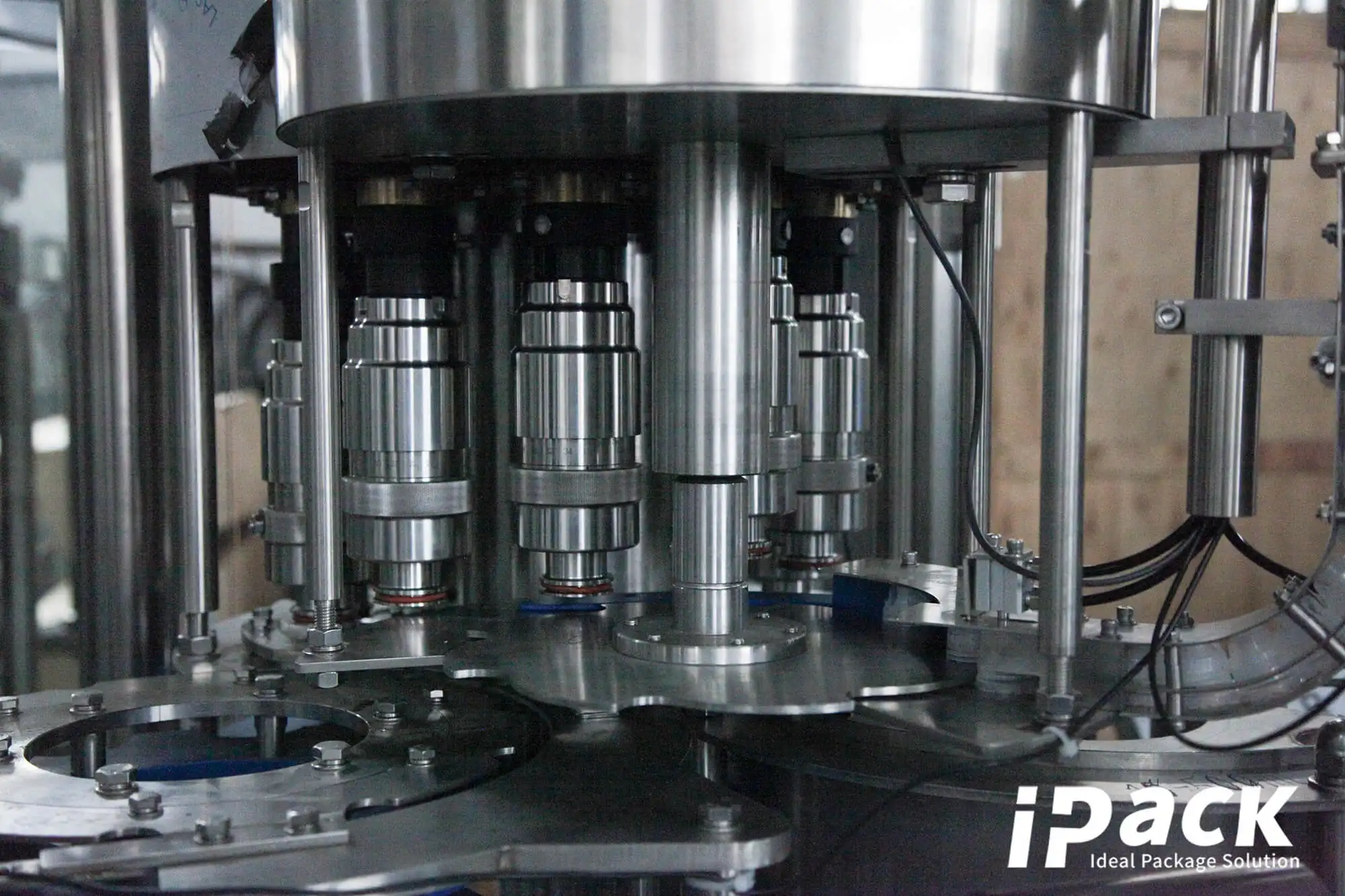
شرح آلية التعبئة المتساوية للضغط
تُملأ المشروبات الغازية باستخدام ما يُعرف بطريقة التعبئة المتساوية في الضغط، والتي تعني أساسًا الحفاظ على كل شيء عند نفس الضغط طوال العملية. أول خطوة؟ ضخ غاز ثاني أكسيد الكربون (CO2) إلى الزجاجات الفارغة حتى تصل إلى ضغط يتراوح بين 15 و40 رطل/بوصة مربعة، بحيث يتطابق تمامًا مع الضغط داخل الخزان الكبير للمشروبات. وبمجرد تحقيق هذا التوازن، تُسكب السائل فعليًا من خلال صمامات تعبئة دقيقة جدًا. إن الحفاظ على توازن الضغط هذا أمر بالغ الأهمية لأنه يمنع فقدان غاز CO2 الثمين ويحافظ على فوران الشراب. فإذا خرج الضغط عن القيمة الصحيحة حتى بفارق 5 رطل/بوصة مربعة، فإن ذلك يؤدي فورًا إلى انخفاض بنسبة 25٪ في مدة بقاء الكربنة. وبعد اكتمال سكب السائل، يتم استرداد أي كمية متبقية من غاز CO2 وإعادة توجيهها إلى النظام قبل عملية الإغلاق. وتتحرك العملية بأكملها بسرعة البرق أيضًا، حيث تستغرق فقط من 3 إلى 8 ثوانٍ لكل زجاجة على حدة.
المكونات الرئيسية: صمامات التعبئة، أنظمة استرداد CO₂، وأجهزة استشعار المستوى
ثلاثة أنظمة فرعية متكاملة تضمن أداءً ثابتًا وجودة عالية:
- صمامات التعبئة : صمامات مزدوجة الإغلاق مصنوعة من الفولاذ المقاوم للصدأ تنظم التدفق مع الحفاظ على سلامة الضغط — وهو أمر بالغ الأهمية لمنع تكون الرغوة أثناء التشغيل عالي السرعة.
- أنظمة استرداد ثاني أكسيد الكربون : احتجز أكثر من 90٪ من الغازات المتسربة أثناء الضغط والتعبئة. ويُعاد استخدام ثاني أكسيد الكربون المسترجع بعد تنقيته، ما يقلل التكاليف التشغيلية السنوية بمقدار 10,000 إلى 25,000 دولار أمريكي.
- مستشعرات الليزر/الموجات فوق الصوتية لقياس المستوى : توفر كشفًا لارتفاع التعبئة بدقة ±0.5 مم. وعند دمجها مع عدادات التدفق، تمنع التعبئة الناقصة التي قد تؤدي إلى هدر ما يصل إلى 3٪ من المنتج سنويًا، وكذلك التعبئة الزائدة التي تهدد سلامة الإغلاق.
معًا، تحافظ هذه المكونات على ثبات التكربن والدقة الحجمية طوال عمليات الإنتاج.
اختيار ماكينة تعبئة المشروبات الغازية المناسبة لمدى إنتاجك
خطوط الدفعات الصغيرة مقابل خطوط عالية السرعة: مطابقة السعة لاحتياجات الإخراج
يأتي تحديد أعداد الوحدات المطلوبة أولًا عند اختيار الآلات الخاصة بتعبئة الزجاجات. فعادةً ما يلجأ المنتجون الصغار الذين ينتجون أقل من 1000 زجاجة في الساعة إلى استخدام أنظمة تغذية دوّارة أو بالجاذبية مزودة بضوابط شبه آلية. تتيح هذه الأنظمة لهم العمل ضمن الميزانية مع إمكانية تعديل التركيبات حسب الحاجة. على الجانب الآخر، تحتاج العمليات الكبيرة التي تنتج أكثر من 10,000 وحدة في الساعة إلى آلات مونوبلاك متكاملة للحفاظ على مستويات التكربن ثابتة طوال فترة الإنتاج المستمر. والأرقام لا تكذب أيضًا، فعديد من الشركات الناشئة يهدر المال في شراء معدات أكبر بكثير مما يحتاجون إليه فعليًا، قبل أن يتعرفوا على احتياجات السوق الحقيقية. ويمكن لإجراء تقييم دقيق للإنتاج يأخذ في الاعتبار ذروات الطلب الموسمية مقابل الاحتياجات الفعلية للتغليف أن يُجنّب الشركات هذه الأخطاء المكلفة في المستقبل.
التوافق مع المواد: التعامل بدقة مع الزجاج والـPET والعلب
نوع العبوة التي نتعامل معها له تأثير كبير على كيفية ضبط الآلات والمعطيات التي يجب أن تعمل وفقها. لا يمكن لخطوط إنتاج الزجاج الحفاظ على وتيرة مماثلة للآخرين، حيث تعمل بسرعة أقل بنسبة 30٪ تقريبًا بشكل عام. كما تحتاج أيضًا إلى صمامات خاصة تستجيب لتغيرات الضغط لمنع تشكل الشقوق الصغيرة. أما بالنسبة لعبوات البولي إيثيلين تيريفثاليت (PET)، فإن الأمور تصبح معقدة بسبب متطلبات عملية النفخ بالتمدد. ويجب أن تحافظ الآلات على الثبات أثناء العمل تحت مستويات ضغط ثاني أكسيد الكربون تتراوح بين 4 إلى 6 بار للحفاظ على المظهر الجيّد بعد التصنيع. وتشكل العلب الألومنيوم تحدياتها الخاصة أيضًا. إن إحكام غلق الطبقات مهم جدًا، ولهذا السبب تستثمر معظم المنشآت في فوهات تتحكم بدقة في تدفق السائل وتُقلل من دخول الأكسجين إلى المنتج أثناء عمليات التعبئة. وفي هذا السياق، تفقد عبوات الـ PET تماسحها الكربوني أسرع بنسبة 15٪ تقريبًا مقارنة بالزجاج كلما تفاوتت درجات الحرارة بأكثر من درجتين مئويتين خلال المعالجة. ولهذا السبب يُحدث استخدام المعدات المصممة خصيصًا لهذه المهام فرقًا كبيرًا في منع التسرب والحفاظ على المنتجات طازجة لفترة أطول على رفوف المتاجر.
الممارسات التشغيلية الحرجة المثلى للحفاظ المستمر على الكربنة
التبريد قبل التعبئة، واستقرار الضغط، والتحكم في درجة الحرارة
تزيد قابلية ذوبان الكربونات بنسبة حوالي 0.3 بالمئة لكل درجة مئوية انخفاضًا في درجة الحرارة، ولهذا السبب أصبح من الضروري تمامًا الحفاظ على درجات الحرارة أقل من 4 درجات مئوية في الإنتاج الحديث. عند الاستعداد لتعبئة الحاويات، تحتفظ معظم المنشآت بسوائلها مبردة بين 2 و4 درجات مئوية داخل خزانات تبريد خاصة. وفي الوقت نفسه، تعمل منظمات الضغط بجد لمواءمة ضغط ثاني أكسيد الكربون المحيط مع ما هو موجود بالفعل مذابًا في السائل، عادةً ضمن نطاق نصف بار في كلا الاتجاهين. وعلى خطوط الإنتاج السريعة هذه، تساعد وحدات التبريد المتسلسلة في الحفاظ على كل شيء عند درجة الحرارة المناسبة تمامًا أثناء تحركه. وإذا انحرفت درجات الحرارة كثيرًا عن تلك النقطة المثالية (أكثر من نصف درجة إلى الأعلى أو الأسفل)، فإننا نبدأ في ملاحظة فقدان لثاني أكسيد الكربون يمكن أن يتعدى 15%. وقد أكد الزملاء في ISBT هذا الأمر في بحثهم الأخير الذي نُشر العام الماضي. ولن ننسَ أيضًا مستشعرات الضغط الآلية التي تقوم باستمرار بضبط إعدادات الضغط الخلفي لمنع تكون الرغوة غير المرغوب فيها عندما تُوضع الزجاجات في مواضعها.
تقليل الرغوة ودخول الأكسجين أثناء التعبئة
عند حدوث الرغوة، فإنها في الواقع تُسرّع من فقدان ثاني أكسيد الكربون وتُدخل أكسجينًا غير مرغوب فيه، مما يؤثر سلبًا على النكهات ويُسرّع فساد المنتجات. قبل التعبئة، يساعد ضخ الضغط في الحاويات على دفع الهواء خارجًا باستخدام ثاني أكسيد الكربون، والتخلص من تلك الجيوب الهوائية المزعجة التي تسبب مشكلات عديدة عند تحرك السوائل. بالنسبة للخطوط التي تعمل بسرعة تزيد عن 500 حاوية في الدقيقة، فإن صمامات التعبئة الزاوية الخاصة تقوم بتوجيه السائل بسلاسة على جوانب الحاوية بدلاً من إسقاطه مباشرةً في الأعلى، مما يقلل تكوّن الرغوة بنسبة تصل إلى 40% مقارنةً بتقنيات الصب الحرة التقليدية. كما يشمل النظام أيضًا طواقم آمنة للأغذية وفوهة مختومة بالفراغ تعمل معًا لمنع دخول الهواء الخارجي أثناء اللحظات الانتقالية الحرجة بين الخطوات. وهناك أيضًا وحدات تحكم في الأكسجين المذاب تقوم باستمرار بمراقبة مستويات الأكسجين المذاب أثناء التشغيل، وتُوقف النظام تلقائيًا متى ما رصدت أي قيمة تتجاوز 0.1 جزء في المليون، مما يقلل بشكل كبير من تدهور النكهة الناتج عن الأكسدة، وبفعالية تصل إلى نحو 90% وفقًا للاختبارات.
الصيانة، واستكشاف الأخطاء وإصلاحها، والموثوقية على المدى الطويل لآلات تعبئة المشروبات الغازية
بروتوكولات التنظيف اليومية وخطط الصيانة الوقائية
إن الحفاظ على النظافة يومًا بعد يوم يُشكل الأساس لممارسات الصيانة الجيدة. فعندما نقوم بتنظيف صمامات التعبئة وفوائدها باستخدام الرغوة بشكل منتظم، فإننا نمنع إقامة الكائنات الدقيقة. كما أن غسل الأنابيب بالحمض يتخلص من تراكم الرواسب التي تعكر دقة عملية الكربنة. بالنسبة للمحامل الدوارة، فإن من المنطقي تطبيق شحوم مخصصة للأغذية كل ثماني ساعات تشغيل. أما المعايرة الأسبوعية لأجهزة الاستشعار فتحافظ على مستويات التعبئة ضمن نطاق ±2 مل، وهو أمر بالغ الأهمية للحفاظ على اتساق المنتج. وبالنسبة للفحوصات الشهرية، هناك عدة نقاط رئيسية تستحق الانتباه: التحقق من ختم نظام استرداد ثاني أكسيد الكربون بحثًا عن علامات البلى، والتأكد من بقاء أجهزة قياس الضغط معيرة بشكل صحيح، واستبدال أي حشوات تُظهر علامات إجهاد ضغطي ناتجة عن الاستخدام المستمر. وتُشير المعايير الصناعية من دوائر الهندسة الغذائية إلى أن الالتزام بروتينات الصيانة المنتظمة يقلل من توقف الماكينات المفاجئ بنسبة تقارب ثلاثة أرباعه مقارنةً بالمعدات المهملة بين الفترات الخدمية.
المشاكل الشائعة: التعبئة الناقصة، فقدان ثاني أكسيد الكربون، وعطل الصمام — الأسباب الجذرية والحلول
عندما نلاحظ مشكلات مستمرة في عدم الامتلاء التام، فإن السبب في معظم الأحيان هو انسداد فتحات الفوهة أو تدهور أغشية تعويض الضغط. يمكن إصلاح هذه المشكلات عادةً باستخدام معدات التنظيف بالموجات فوق الصوتية وعبوات الاستبدال القياسية المتوفرة من الموردين. تحدث مشكلة شائعة أخرى عندما تنخفض مستويات ثاني أكسيد الكربون (CO2) بأكثر من 15٪ بين مرحلة التعبئة وعملية الغلق. وعادة ما يعني ذلك أن درجة حرارة المنتج أعلى من 4 درجات مئوية أو أن تدفق الهواء عبر نظام تنقية الغطاء غير كافٍ. يساعد تركيب مبردات الجلايكول المتسلسلة في الحفاظ على درجات الحرارة المناسبة، في حين أن ضبط غازات العزل الخاملة المحيطة برؤوس التعبئة بدقة يمكن أن يقلل من فقدان CO2 بنسبة تقارب 40٪. بالنسبة لمشكلة تسرب الصمامات أثناء دورات السحب، فإن فرق الصيانة لدينا تتحقق أولاً من ختم المقاعد البالية أو احتمال وجود مشكلات في توقيت الآلة. إن استبدال هذه الختمات بشكل دوري كل ثلاثة أشهر إلى جانب إعادة معايرة محركات السيرفو بعناية يُحدث فرقاً كبيراً. ووفقاً لأحدث بيانات الصناعة الصادرة عن PMMI في تقريرها لعام 2025، فقد تم القضاء من خلال هذا النهج على نحو ثلثي حالات فشل الصمامات في عدة منشآت.
الأسئلة الشائعة
ما هي الطريقة الإيزوبارية المستخدمة في ماكينات تعبئة المشروبات الغازية؟
تتضمن الطريقة الإيزوبارية الحفاظ على نفس الضغط طوال عملية التعبئة. يتم ضخ غاز ثاني أكسيد الكربون إلى الزجاجات الفارغة لمطابقة الضغط داخل خزان المشروب (15-40 رطل/بوصة مربعة) لمنع تسرب CO₂، مما يضمن بقاء فوار المشروب سليمًا.
كيف تضمن ماكينات تعبئة المشروبات الغازية أداءً ثابتًا؟
تستخدم هذه الماكينات أنظمة فرعية متكاملة مثل صمامات التعبئة المصنوعة من الفولاذ المقاوم للصدأ، وأنظمة استرداد CO₂، وأجهزة استشعار متقدمة بالليزر أو فوق الصوتية لمستوى السائل. وعند دمج هذه العناصر معًا، فإنها تحافظ على استقرار الفَوّار والحجم الدقيق خلال كل دفعة إنتاج.
كيف تؤثر أنواع الحاويات المختلفة على عملية تعبئة المشروبات الغازية؟
تتطلب حاويات مختلفة مثل الزجاجات الزجاجية وزجاجات البولي إيثيلين تيرفثالات (PET) والعلب المصنوعة من الألمنيوم إعدادات آلات مخصصة. تعمل خطوط الزجاج بسرعة أقل وتحتاج إلى صمامات خاصة تستجيب للضغط، بينما تتطلب عبوات الـ PET ظروف ضغط مستقرة، وتحتاج العلب المصنوعة من الألمنيوم إلى تحكم دقيق في التدفق لمنع تسرب الأكسجين والحفاظ على الكربنة.
ما أفضل الممارسات للحفاظ على مستوى الكربنة في المشروبات المعبأة؟
تشمل الممارسات الحديثة التبريد قبل التعبئة للحفاظ على درجات الحرارة المنخفضة، ومطابقة الضغط بدقة، واستخدام صمامات بزاوية خاصة لتعبئة الحاويات دون رغوة مفرطة. تساعد هذه التقنيات في الحفاظ على مستويات ثاني أكسيد الكربون، ومنع تسرب الأكسجين، والحفاظ على الجودة العامة للمنتج.
ما العمليات الصيانية الأساسية اللازمة لآلات تعبئة المشروبات الغازية؟
تشمل الصيانة الدورية التعقيم اليومي للمكونات الحرجة مثل صمامات التعبئة، والغسيل الحمضي للأنابيب، والمعايرة المستمرة لأجهزة الاستشعار، والفحوصات الشهرية لسلامة النظام. تساعد هذه الجهود في تقليل وقت التوقف وتمديد عمر الجهاز.
كيف يمكن معالجة المشكلات الشائعة مثل التعبئة الناقصة وفقدان ثاني أكسيد الكربون؟
عادةً ما يتطلب إصلاح التعبئة الناقصة تنظيف أو استبدال فتحات الفوهة والأغشية. أما حلول فقدان ثاني أكسيد الكربون فتشمل الحفاظ على درجات حرارة منخفضة، وتحسين أنظمة تدفق الهواء، وإجراء فحوصات منتظمة لأغطية رؤوس التعبئة لمنع التسرب.
جدول المحتويات
- كيف ماكينات تعبئة المشروبات الغازية العمل: المبادئ الأساسية والتكنولوجيا
- اختيار ماكينة تعبئة المشروبات الغازية المناسبة لمدى إنتاجك
- الممارسات التشغيلية الحرجة المثلى للحفاظ المستمر على الكربنة
- الصيانة، واستكشاف الأخطاء وإصلاحها، والموثوقية على المدى الطويل لآلات تعبئة المشروبات الغازية
-
الأسئلة الشائعة
- ما هي الطريقة الإيزوبارية المستخدمة في ماكينات تعبئة المشروبات الغازية؟
- كيف تضمن ماكينات تعبئة المشروبات الغازية أداءً ثابتًا؟
- كيف تؤثر أنواع الحاويات المختلفة على عملية تعبئة المشروبات الغازية؟
- ما أفضل الممارسات للحفاظ على مستوى الكربنة في المشروبات المعبأة؟
- ما العمليات الصيانية الأساسية اللازمة لآلات تعبئة المشروبات الغازية؟
- كيف يمكن معالجة المشكلات الشائعة مثل التعبئة الناقصة وفقدان ثاني أكسيد الكربون؟