 EN
EN

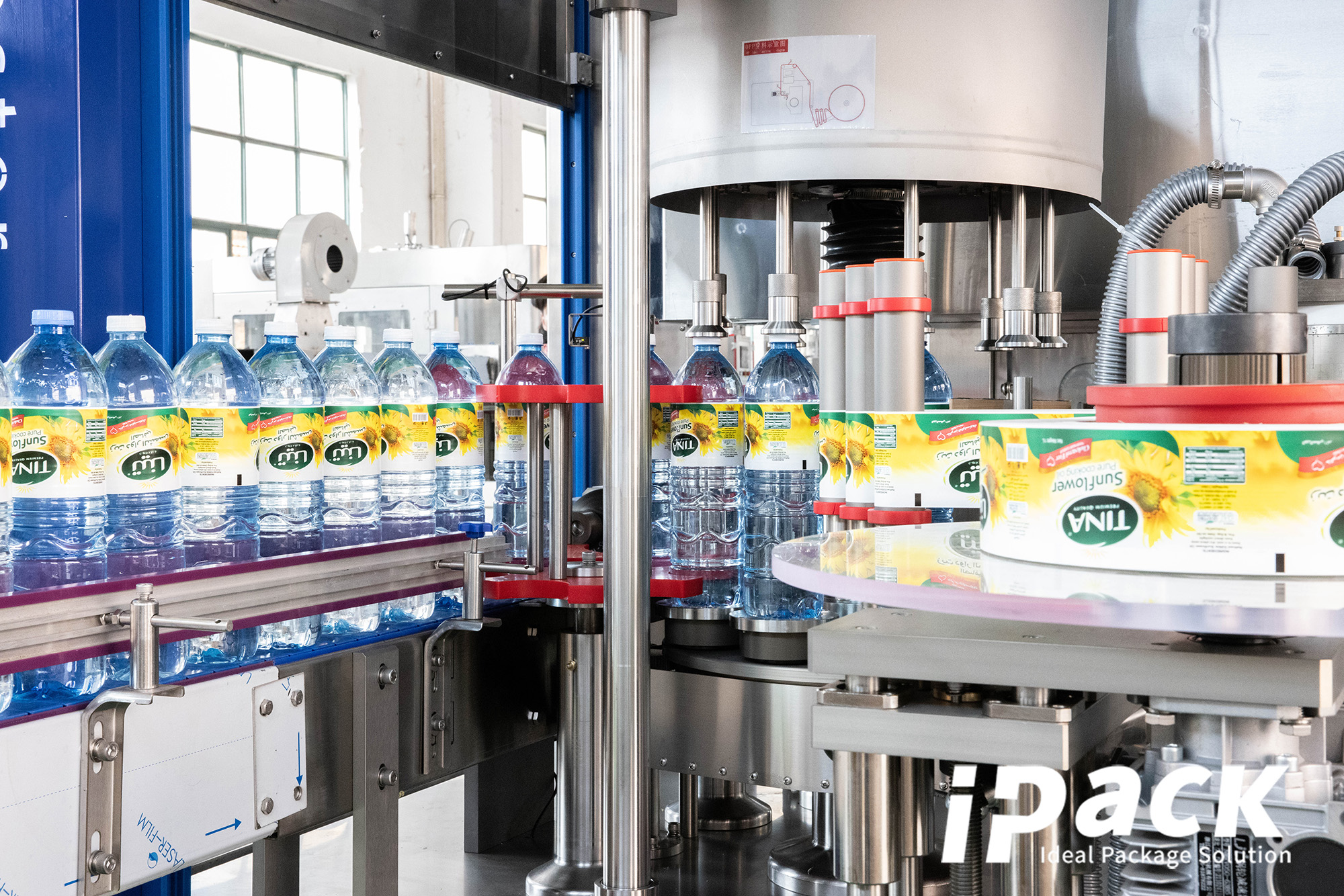
Selecting the right labeling machine starts with accurately assessing your production demands. Three critical factors directly influence equipment suitability:
-
Hourly Throughput: Analyze current batch volumes and 3–5 year growth forecasts. For operations exceeding 300 units per minute, high-speed automated systems are essential.
-
Product Geometry: Conventional applicators work on cylinders, but tapered cosmetics vials or irregular shapes require multi-axis application heads. Failing to account for geometry increases misapplied labeling by 47%.
-
Changeover Frequency: Modular systems allow for quick adjustments, essential for high-SKU operations.
Comparing Labeling Machine Types
Choosing between semi-automatic and fully automated systems involves balancing labor impact with precision requirements.
| Feature | Semi-Automatic | Fully Automated |
| Throughput | < 600 units/hour | 1,500+ units/hour |
| Precision | ±1.0 mm | ±0.5 mm |
| Labor Cost | Higher (Manual positioning) | Low (Integrated) |
| Ideal For | SMEs, High-SKU agility | High-volume, consistent lines |
Technology Fit: Substrates and Environments
Different labeling technologies excel in specific conditions. Pressure-sensitive labeling machines are ideal for high-speed glass or metal lines, while shrink sleeve labeling provides 360-degree coverage for irregular containers. If your facility requires advanced traceability, RFID labeling machines offer superior inventory management, provided the environment is shielded from signal-detuning metal surfaces.
Key Criteria for Long-Term ROI
True value is measured by the Total Cost of Ownership (TCO), not just the upfront price.
-
Maintenance & Support: Proactive preservation costs 30% less than reactive fixes. Ensure your vendor offers <4-hour response windows via regional service hubs.
-
Future-Proofing: Prioritize open-architecture systems that support third-party sensors and cloud connectivity. Manufacturers using modular systems reduced integration costs by 42% during capacity expansions.
-
Longevity: With labeling equipment typically replaced every 7 years, ensure your machine can adapt to evolving regulatory shifts like the EU Digital Product Passport.