 EN
EN

The Challenge: Why Standard Juice Filling Machines Fail with Particulate-Rich Juices
Clogging and Flow Disruption in High-Viscosity, Pulp-Laden Juices
Gravity fill systems just aren't cut out for handling those pulpy or fibrous juices because of how viscous they get. The little bits of fruit start building up inside those tiny valves and narrow transfer tubes, which eventually stops the flow completely and forces workers to shut everything down for cleaning. This problem hits cold pressed juices particularly hard since there's so much solid material floating around that puts extra strain on regular equipment. Looking at what happens in actual production facilities, when particles are bigger than 2mm in size, the chance of getting clogged goes way up about 70 percent. And this leads to production line efficiency dropping by nearly 40% compared to when dealing with smooth liquids only.
Seal Integrity and Dripping Issues with Fibrous or Sediment-Prone Liquids
Conventional filling nozzles frequently fail to maintain consistent seals when handling fibrous blends (e.g., celery or ginger) or sediment-prone formulations (such as turmeric-infused beverages). Fibrous strands can lodge in microscopic gaps between sealing surfaces, compromising integrity and leading to:
- Post-fill dripping and product loss
- Cross-contamination between batches
- Fill volume inconsistencies exceeding ±3% tolerance
These failures stem from the limitations of standard elastomer seals, which lack the precision engineering needed to contain particulate migration during high-speed container transitions.
Key Engineering Innovations in Advanced Juice Filling Machines
Positive Displacement Systems with Low-Shear Valves and Adjustable Stroke Control
Today's juice filling machines rely on positive displacement tech to manage those tricky pulpy, thick liquids that give so many manufacturers headaches. The low shear valves do a great job moving these fluids around without breaking down the tiny particles that make up the pulp content, which matters a lot when dealing with juices containing more than 15% pulp. Operators can adjust the stroke settings to get fill volumes spot on within about half a percent accuracy. This helps compensate for those inevitable changes in viscosity from one batch to another. What this means in practice is better suspension of those valuable particles throughout the product while keeping volume consistent across all containers. And let's face it, nobody wants to deal with clogged machinery or wasted product from overfills, especially when working with tough stuff like citrus or mango blends that tend to cause problems for less sophisticated equipment.
Sanitary Rotary Fillers Featuring CIP-Compatible Manifolds for Pulp Handling
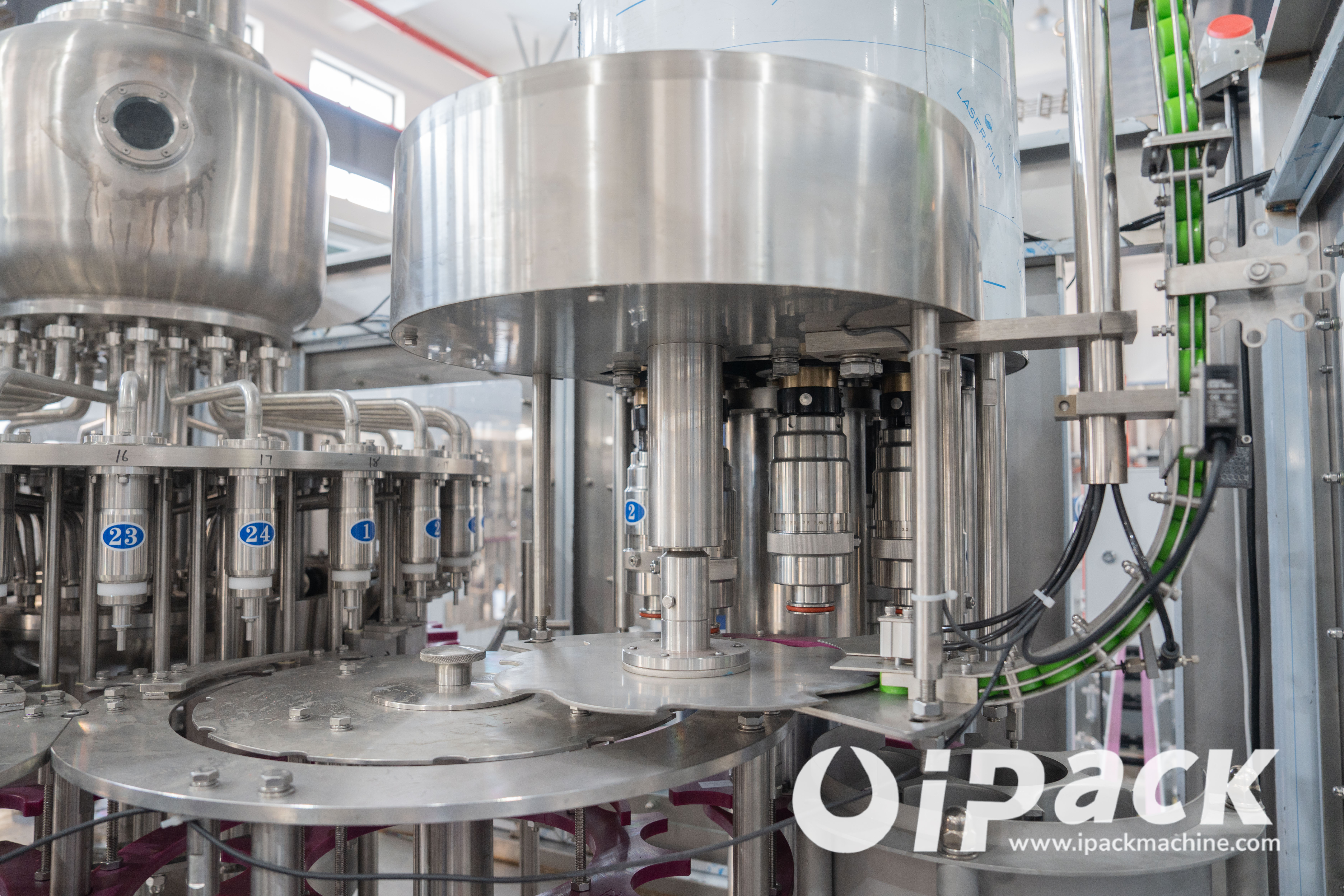
Modern high speed rotary fillers come equipped with CIP compatible manifolds designed specifically for handling pulpy products. The equipment features smooth electropolished surfaces that have no crevices where fibers can get stuck. This design cuts down on contamination risks significantly compared to older models, somewhere around 70% reduction according to testing. What makes these machines stand out is their ability to run automated sterilization at 85 degrees Celsius without needing to take anything apart, which meets the tough hygiene standards required for organic and unpasteurized juice production. These systems can fill between 24 to 48 containers at once during each cycle, and they've been tested successfully with pulp concentrations reaching 30%. Even when dealing with formulations prone to sediment buildup, operators report maintaining output rates well over 12,000 bottles per hour, making them ideal for demanding processing environments.
Ensuring Stability and Quality When Filling Natural Ingredient Blends
pH-Sensitive Filling Protocols and Oxidation Mitigation for Cold-Pressed Greens & Turmeric Juices
Green and turmeric cold press juices lose their nutrients pretty fast when exposed to changes in pH levels and oxygen contact. The chlorophyll gets damaged, curcumin breaks down, along with all those important active ingredients we're paying good money for. Modern filling equipment tackles these problems through smart systems that work on the spot. Acidity sensors constantly monitor what's happening inside and tweak how fast the machine fills containers plus adjusts temperatures accordingly. At the same time, special nitrogen flushing technology pushes out all that pesky air from the top space before the container gets sealed shut. When combined with tight seals that don't let anything in or out, this whole setup keeps colors vibrant, flavors intact, and potency high. Studies show shelf life can actually last 30 to 40 percent longer without needing any artificial preservatives thrown into the mix. Food processors across the country have adopted these methods as standard practice for keeping their fresh, unheated drinks packed with real nutritional value.
Modular Flexibility: How Leading Juice Filling Machine Manufacturers Support Variable Viscosity
Manufacturers who lead the industry create juice filling equipment based on modular designs that let them adapt easily to different viscosities ranging from watery citrus juices below 1.5 cP all the way up to dense smoothies exceeding 10,000 cP. The systems come with parts that swap out quickly such as nozzles, valves, and drive mechanisms making it possible to switch between various products without much hassle. Workers can move from handling pulpy pressure fillers to gentler piston systems suitable for seedless blends within just about ten minutes or so. This flexibility helps during seasons when products change like summer's fiber rich mango nectar versus winter's cleaner apple juice, saving money by avoiding expensive production halts. Platforms built to scale mean companies can expand their capacity without replacing entire lines which is particularly helpful for small producers looking to grow into bigger markets. When they standardize how parts connect but tailor specific modules for different viscosities, these machines maintain around half a percent accuracy in filling regardless of what kind of juice goes through them. According to industry standards, this approach cuts down on wasted materials during transitions by roughly forty percent compared to traditional methods.
FAQ Section
Why do standard juice filling machines struggle with pulpy juices?
Standard juice filling machines often face issues like clogging and flow disruption due to the viscosity and particulate matter in pulpy juices, making them unsuitable for such products.
How do advanced juice filling machines prevent seal failures?
Advanced machines use precision-engineered valves and seals that handle fibrous and sediment-prone liquids effectively, reducing post-fill dripping and cross-contamination risks.
What benefits do modern juice filling systems offer for cold-pressed juices?
Modern systems provide benefits such as pH-sensitive filling protocols and nitrogen flushing technology to prevent oxidation and prolong shelf life, maintaining nutrient quality in cold-pressed juices.
Table of Contents
- The Challenge: Why Standard Juice Filling Machines Fail with Particulate-Rich Juices
- Key Engineering Innovations in Advanced Juice Filling Machines
- Ensuring Stability and Quality When Filling Natural Ingredient Blends
- Modular Flexibility: How Leading Juice Filling Machine Manufacturers Support Variable Viscosity
- FAQ Section