 EN
EN

Filling Accuracy and Consistency: The Core Performance Benchmark for Juice Filling Machines
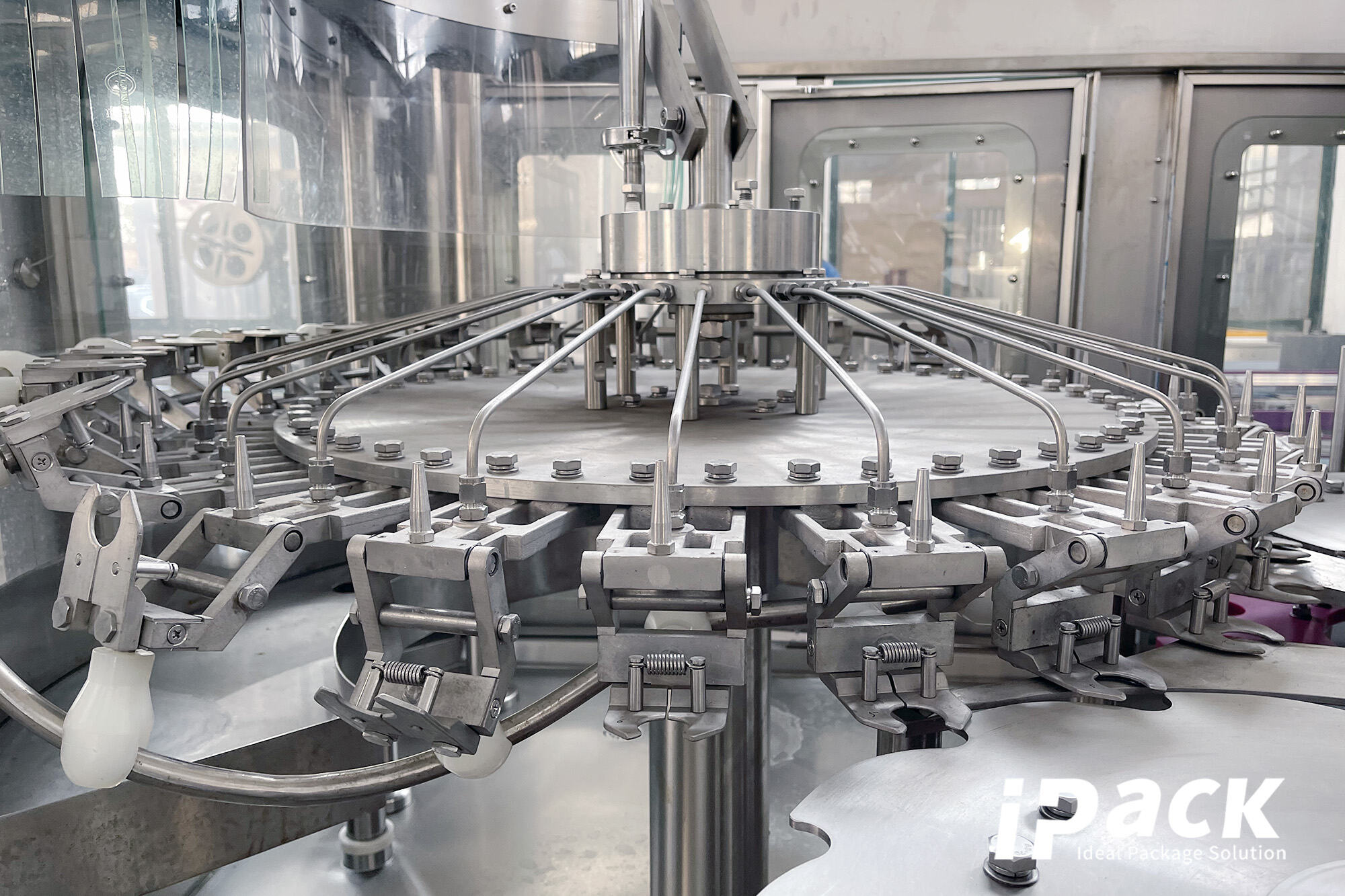
Why ±0.5% fill tolerance is critical for juice yield, regulatory compliance, and brand trust
Getting the right amount of juice into each bottle matters a lot for operations in three main ways. Let's start with waste management. If a plant overfills bottles by just 1%, and they make 100 thousand bottles a day, that adds up to around $50 grand wasted every year based on typical orange juice pricing. On the flip side, underfilling means losing out on sales because there simply isn't enough product in those containers. Then there are the rules from the FDA regarding how much juice must actually be in the bottle according to 21 CFR 101.7 regulations. The agency gets serious about these requirements too - companies face fines as high as $50k for each time they're caught outside the acceptable range of plus or minus half a percent. And finally, what people think about the brand matters greatly. According to Nielsen studies, most consumers will stop buying from companies whose products consistently have different amounts inside. Today's advanced juice filling equipment handles all these challenges using things like servo controlled pistons and real time mass flow measurements that compensate when the juice gets thicker or thinner during processing. These systems help keep costs down, stay compliant with laws, and maintain customer confidence in the long run.
Thermal stability across operating conditions: maintaining precision from 5°C to 35°C ambient and product temperatures
The viscosity of juice changes about 2 to 3 percent for every 5 degree Celsius temperature change, which affects how accurately bottles get filled. Better machines fight back against these changes using smart thermal compensation programs that adjust fill amounts on their own. Take cold pressed juice as an example. If it's sitting at 5 degrees Celsius but the room around it is 30 degrees, the system's sensors pick up on potential expansion problems and cut down the target volume by roughly 0.08 percent per degree. This keeps everything within plus or minus half a percent accuracy throughout all operating conditions. That matters because systems without corrections tend to drift off by about 1.5 percent when temperatures swing ten degrees. Some top end models actually use stainless steel thermal buffers along with insulated paths for the product itself. These features help reduce outside temperature influences so fills stay consistent even when seasons change or building temperatures fluctuate naturally, all without needing someone to manually adjust settings.
Hygienic Design and Validated Cleanability: Essential for Juice Safety and Shelf-Life Integrity
Beyond 316L stainless steel: FDA/EC 1935-compliant seals, crevice-free welds, and drainable architecture
The choice of construction materials really sets the stage for microbial risk management in food processing. Take 316L stainless steel for instance it resists corrosion pretty well. But when it comes to premium juice filling equipment, manufacturers go beyond basic materials by incorporating FDA and EC 1935 certified elastomers in all those seals and gaskets. This helps stop any unwanted substances from leaching into products during those tricky acidic filling processes. Smooth weld finishes with surface roughness below 0.8 micrometers make sure nothing gets stuck in cracks. And surfaces sloping at least three degrees help everything drain properly. These design features matter because standing water creates breeding grounds for dangerous microbes like Alicyclobacillus. The importance of proper drainage cannot be overstated either. Recent beverage safety reports show that nearly 9 out of 10 juice recalls happened because there were areas where liquid just wouldn't drain away completely.
CIP performance that meets ISO 22000:2018 – ±15-minute cycles with <1 CFU/cm² residual microbial load
For validated Clean-in-Place (CIP) systems to work properly, they need to hit specific microbiological goals within their set time frames. According to ISO 22000:2018 standards, juice processing plants have to complete cleaning cycles in under 15 minutes so production doesn't get held up. There are several key factors that matter here. The chemical solution needs to stay at least 85 degrees Celsius throughout, there should be good turbulence in all areas where products touch (with Reynolds numbers above 4,000), and independent swabbing confirms less than one colony forming unit per square centimeter. After running these CIP processes, industry leaders typically perform three different validations. They check for remaining organic material using ATP bioluminescence testing, run standard microbial culture tests, and also test for protein residues left behind. This layered approach cuts down spoilage microbes by almost 99.8 percent, which means longer shelf life for products overall, according to research published in the IFT Journal last year.
Juice-Optimized Filling Technology: Matching System Mechanics to Product Characteristics
Gravity, piston, and overflow systems compared: pulp suspension, foam control, and viscosity handling (≤50 cP threshold)
Choosing the right juice filling equipment means pairing the technology with what kind of juice we're dealing with. Gravity fillers work great for clear liquids under about 50 centipoise, but they tend to let pulp settle out and don't handle foaming well at all. Piston fillers are better when there's lots of pulp suspended in the juice or when working with thicker products around 500+ cP. They measure volume accurately and cut down on foam pretty decently during dispensing. Overflow systems are fantastic for keeping bubbles out of carbonated drinks since they fill from the bottom up, though these machines get jammed easily with pulp and really struggle once viscosity goes over 50 cP. When dealing with juices close to that magic 50 cP number, going with pistons makes sense because they keep pulp suspended better and handle different thicknesses without issues. We've seen waste drop somewhere between 3% and 5% using pistons instead of gravity systems in similar situations.
Scalable Integration and Smart Readiness: Future-Proofing Your Juice Filling Machine Investment
The juice industry faces constant demand shifts and tech breakthroughs, so scaling operations isn't just nice to have anymore it's essential for survival. Modular systems let producers upgrade step by step, such as installing extra filler heads while doing regular maintenance checks, all without shutting down production lines. This flexibility helps match output with busy seasons or when launching something new to market. At the same time, being ready for smart technology means these machines work well with Industry 4.0 innovations. Equipment fitted with internet connected sensors and artificial intelligence keeps an eye on things like liquid thickness, heat levels, and how full containers are, making automatic tweaks to stay within about half a percent accuracy even when formulas change. The remote diagnostic features spot potential problems before they happen, cutting machine downtime roughly thirty percent according to field reports. What really matters though is how software based systems can be updated easily for different packaging styles or green initiatives, turning expensive investments into adaptable tools that keep pace with what customers want and regulations require over time.
FAQ Section
Why is filling accuracy critical for juice production?
Filling accuracy is crucial to minimize waste, comply with regulatory standards, and maintain brand trust. Overfilling leads to financial loss, while underfilling affects sales and customer trust.
How do juice filling machines handle temperature variations?
Advanced machines use thermal compensation programs and sensors to adjust fill amounts based on ambient and product temperatures, ensuring consistent filling accuracy.
What materials are used in hygienic juice filling equipment design?
Manufacturers use materials like FDA and EC 1935 certified elastomers in seals and gaskets, along with crevice-free welds and drainable architecture to minimize microbial risks.
What cleaning standards do juice filling machines follow?
Juice filling machines adhere to ISO 22000:2018 standards, requiring CIP systems to complete cleaning cycles in under 15 minutes with an emphasis on microbial load reduction.
Which filling technology is best for pulp-heavy juices?
Piston fillers are ideal for pulp-heavy juices as they handle pulp suspension effectively and reduce foaming during the filling process.
Table of Contents
- Filling Accuracy and Consistency: The Core Performance Benchmark for Juice Filling Machines
- Hygienic Design and Validated Cleanability: Essential for Juice Safety and Shelf-Life Integrity
- Juice-Optimized Filling Technology: Matching System Mechanics to Product Characteristics
- Scalable Integration and Smart Readiness: Future-Proofing Your Juice Filling Machine Investment
- FAQ Section