 EN
EN
Performance Comparison: Speed, Accuracy, and Throughput of Can Filling Machines
Filling speed benchmarks: Rotary can filling machines (200–1,200+ bph) vs. linear can filling machines (30–300 bpm)
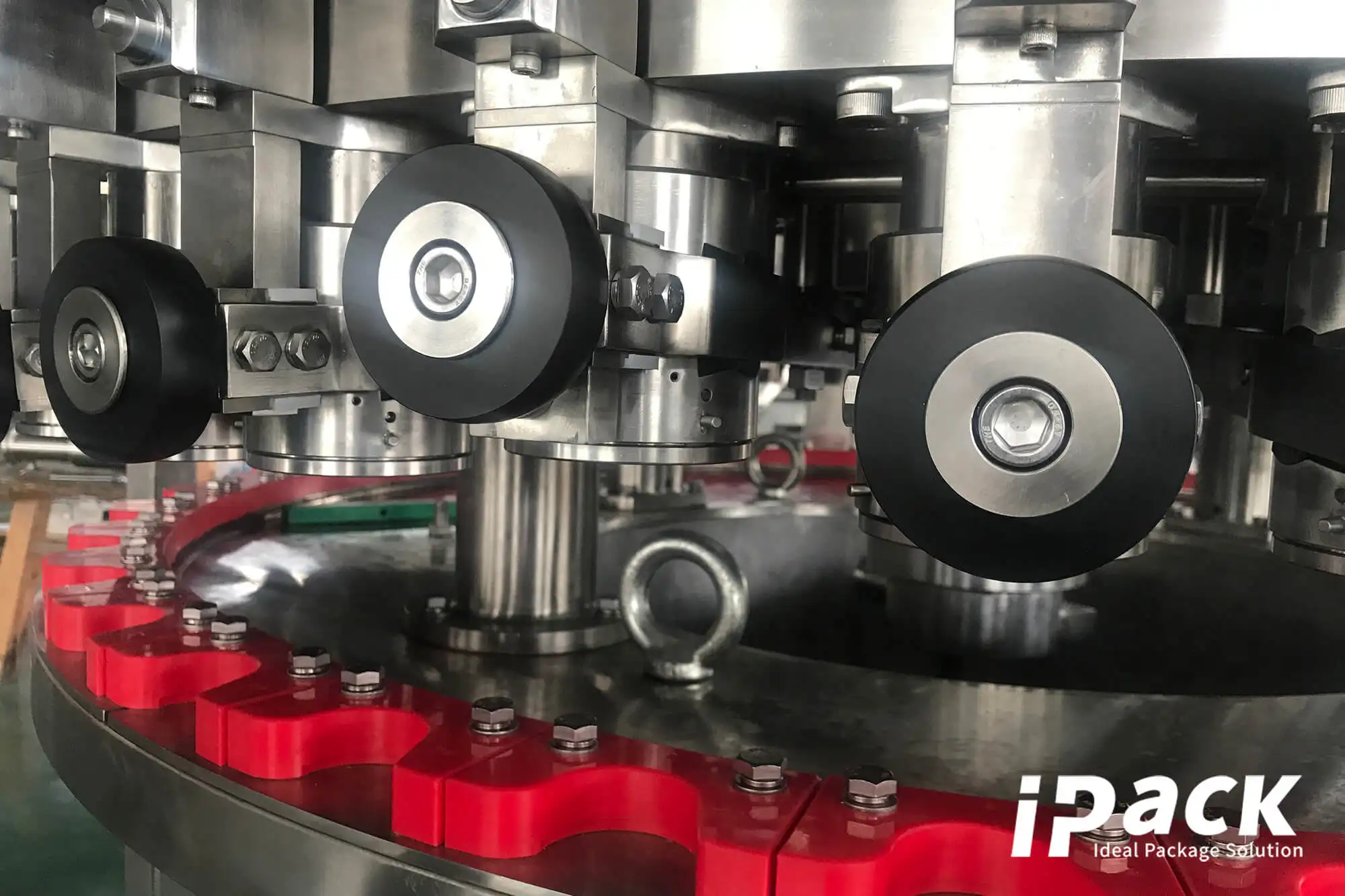
High-volume production generally favors rotary systems, as carousel designs achieve 200–1,200+ bph via simultaneous multi-nozzle filling. Continuous motion allows virtually no gap between filled containers. Linear machines achieve 30–300 bpm via single-file filling in queue. The discrepancy in performance stems from the mechanical constraints of the technology: rotary systems use centrifugal motion to swiftly move containers, and linear systems move containers via the speed of the conveyor belt. One of the leading beverage plants in the world reported 23% higher productivity with rotary systems against linear systems during 2023 efficiency trials.
Fill accuracy under real world conditions: ±0.5% (rotary) vs. ±1.2% (linear) at constant viscosity and line pressure
Precision filling accuracy is remarkably different across the filling line. Rotary systems are able to achieve ±0.5% accuracy via pressure and volume fill control combined with automated real-time adjustments in response to line fluctuations. Linear systems achieve an average of ±1.2% accuracy due to the gravitational filling and the systems positioning. The 140% accuracy gap is an important factor that makes rotary relevant for the filling systems that are concerned with the cost of overfill tolerance, the wastes of which can amount to $18,000 every month with high-volume filling. The accuracy gap is narrowed while viscosity of the products is constant; silicone products are 37% more evenly filled than carbonated products with the systems of both rotary and linear. Carbonation and temperature variance maximizes filling accuracy during production line pressure drops; rotary systems are designed to fill systems when 99%+ fill accuracy is applicable.
Performance Metric Rotary Can Filler Linear Can Filler
Throughput Range 200-1,200+ bph 30-300 bpm
Fill Accuracy ±0.5% ±1.2%
Viscosity Sensitivity Low (0.3% variance increase) Moderate (0.8% variance increase)
Design, Footprint, and Scalability of Can Filling Machines
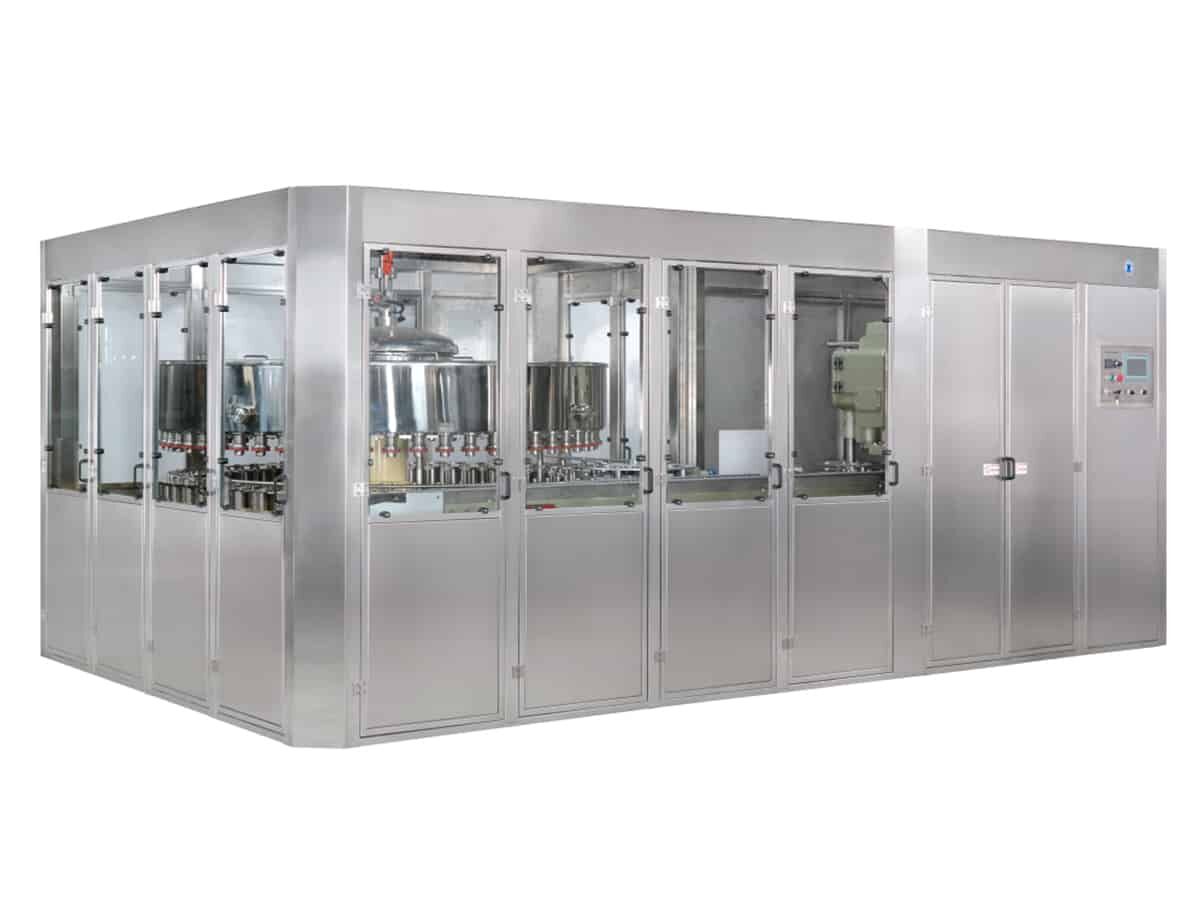
Rotary can filling machines are compact and achieve significantly higher throughput per square meter as compared to linear systems. Industry benchmarks show that rotary configurations fill and dispense (feed, fill and finished) over 200 to 1,200+ cans per hour in relatively compact spaces, while linear systems generate equivalent throughput requiring 30 to 300% more space. This is achieved via the vertical integration of finish feed, fill and dispense stations in a compact, circular space. This space deployment function results in minimal filling, sealing, and dispatch stations along the production line. Combining filling and sealing stations of the same function finish line (feed, fill & dispense) serves a distinct space deployment function resulting in a compact, circular deployment of the production line seals and fill.
Scalability pathways: rotary indexing stations vs. integrating parallel lanes in linear systems
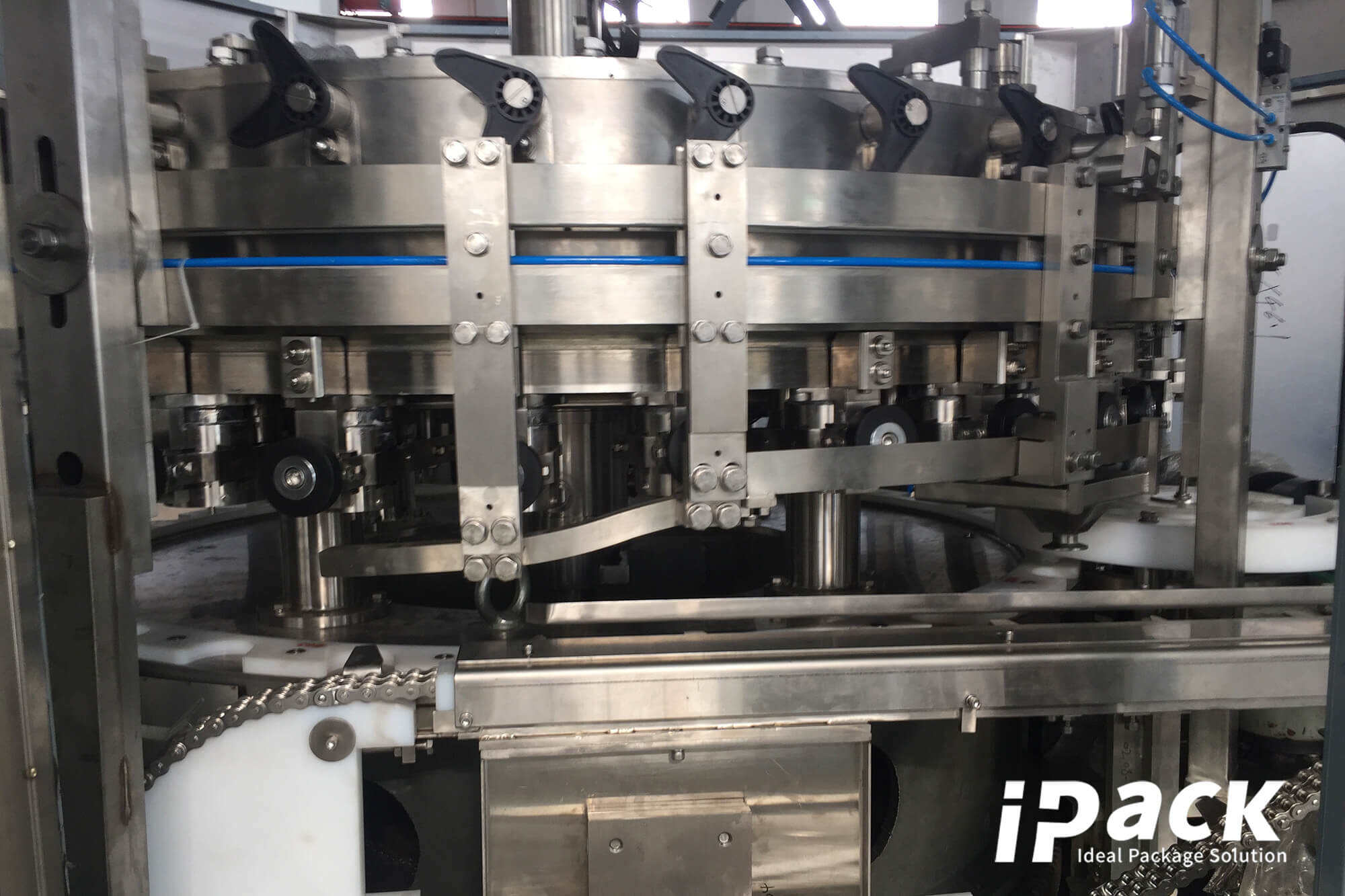
Scalability approaches differ fundamentally between the two architectures. Rotary systems hinges on adding indexing stations, while linear systems expands parallel conveyor lanes. With the rotary systems the cost of retrofitting is on an average 40% compared to duplicating the linear systems. This is a neat trade-off per the 2024 packaging and efficiency studies. Flexible line constraints and vehicle deployment systems results in an optimal production of the filling and sealing stations along the same finish line. Combining filling and sealing stations of the same function finish line (feed, fill & dispense) serves as a distinct space function deployment along the production line.
Optimizing Flexibility and Efficiency in Can Filling Systems
Versatility of Containers: The ability to swap out a variety of containers based on size and material including steel, aluminum, and composite containers in linear can filling systems
A linear can filling system comes with the capabilities of outperforming rotary can filling systems in terms of elasticity, resulting in a filling system that is a less than fifteen minute system when alternating between containers of choice and materials on steel, aluminum, and composite can systems. This is largely the result of a conveyor based linear system, as unlike a conveyor system, the reconfiguration of the aligned company systems takes little effort. According to 2023 company based systems benchmarks, the switch from linear company based systems filling systems for specialty based beverage company based systems resulted in a reduction of approximately 40% company based systems filling system downtime.
Product versatility: Limitations caused by system architect of viscosity, carbonation, and filling type
Various attributes of a product can also determine which machine is the best fit. Systems also use rotary can based systems filling systems that face processing issues with carbonated beverages. Linear company based systems filling systems also use a variety of filling systems, such as gravity and piston systems, but face issues with viscosity exceeding 5,000 cP. Foaming product company based systems require the configuration of a system of vacuum fillers and rely on the type of architecture.
Total Cost of Ownership: CAPEX, Maintenance, and Lifecycle Economics of Can Filling Machines
Assessing total cost of ownership (TCO) necessitates examination of initial capital expenditure (CAPEX), maintenance, and economics of bulk filling in the long term. Rotary systems incur 35–45% more upfront cost than linear systems but their operations can manage a waste rate of 2–3% in contrast to 8–10% for budget systems. Energy costs account for 10–15% of the TCO, therefore, rotary systems, with their optimized and low kWh consumption filling drives, behave favorably in this regard. Maintenance accounts for 15–25% of lifetime costs, where cabinet modular rotary systems effectively facilitate component replacement, minimizing maintenance and downtime costs. Operational costs, which are approximately 60% of the TCO over the 10-year operating typical period, suggest optimal throughput and minimal time required for operating to achieve maximized turnaround time as TCO factors. Within a 24-month time span, premium systems with a 95+% uptime and minimal presentation of product despite their 20 – 30% greater capital outlay, achieve a negative ROI.
FAQs
What is the primary difference between rotary and linear can filling machines?
Rotary can filling machines use a carousel design for more rapid and more frequent bulk filling than linear can filling systems, which use a conveyor design for less rapid and less frequent bulk filling and for more flexible container filling.
What can be said of fill accuracy in rotary vs. linear systems?
When fill accuracy margins of linear machines are at ±1.2%, rotary machines have fill accuracy margins of ±0.5%, which highlights the rotary machines as the option for high precision filling applications.
How do rotary and linear can filling machines scale?
Rotary can filling machines can add indexing stations vertically, while linear can filling machines scale through parallel conveyor lanes. Each method of spacing affects cost differently.