 EN
EN

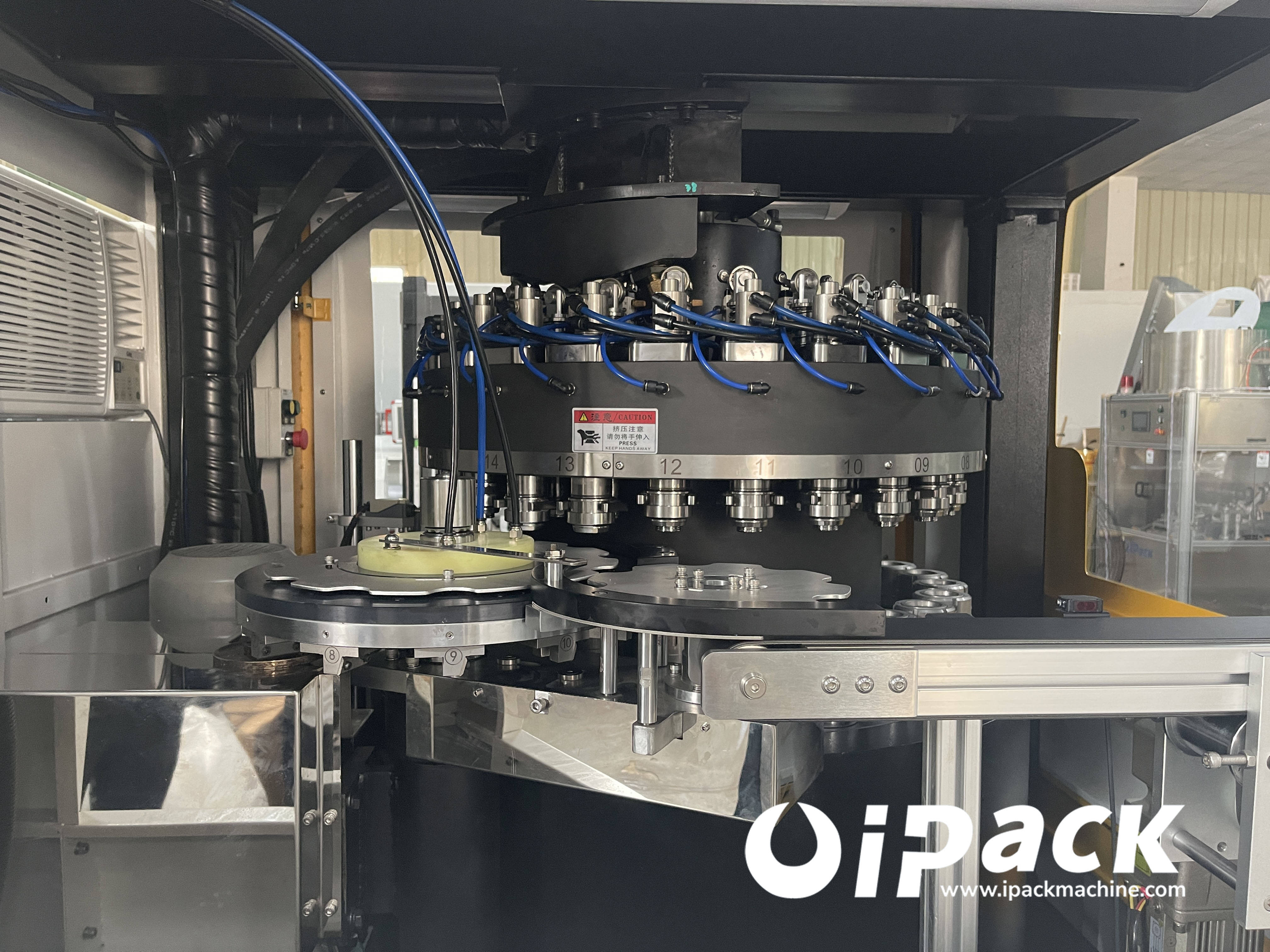
Key Mechanics of the Process: Differences between Cap Compression and Injection Molding
Operation of Cap Compression Machines: The Role of Heat, Pressure and Plug-Assisted forming
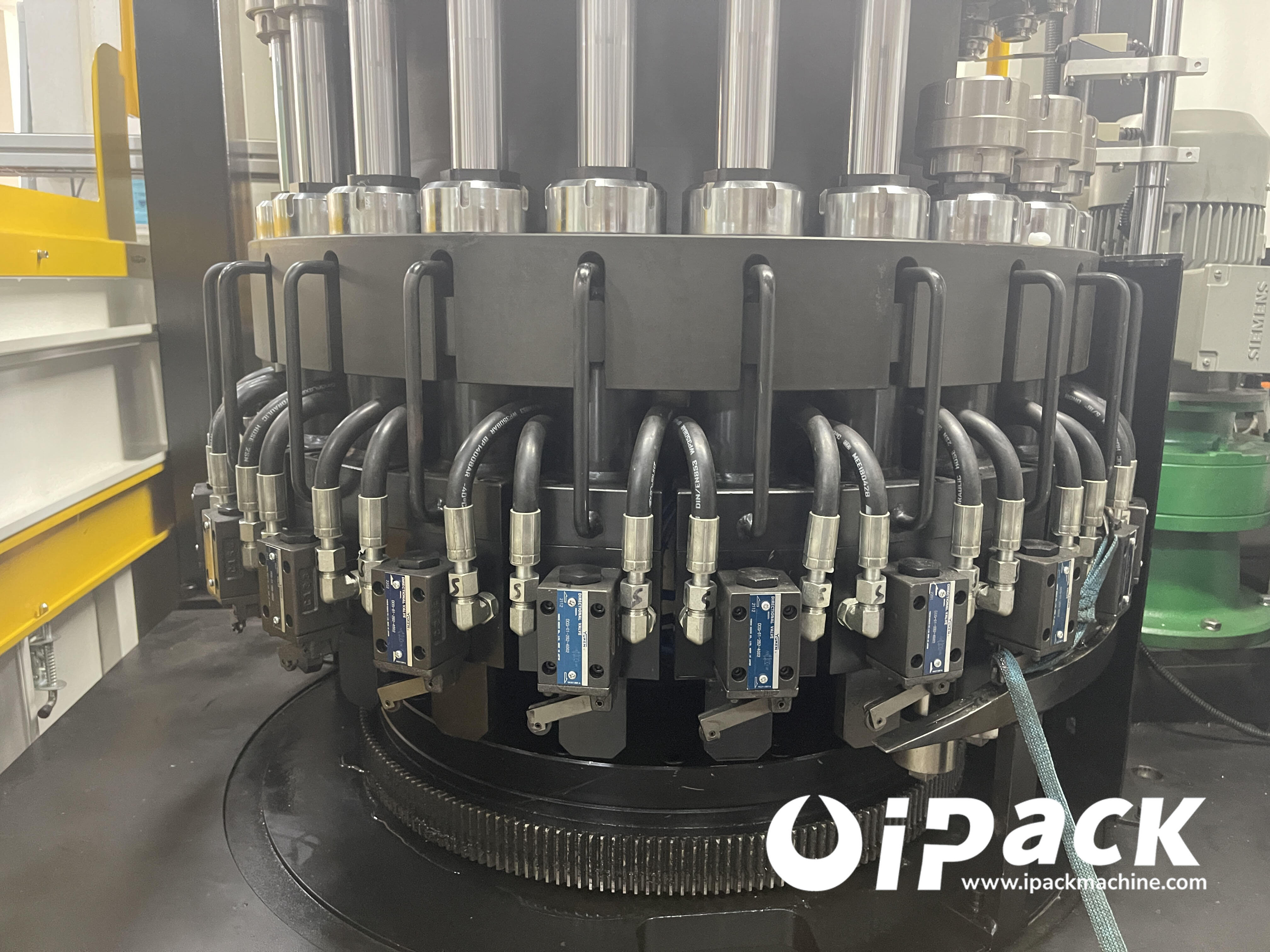
Cap compression machines use controlled heat and vertical hydraulic pressure to form heated polypropylene (PP) or high-density polyethylene (HDPE) plastic pellets. A charge of material is placed in a heated mold cavity and a descending plug compresses the material. The low-shear process minimizes the alignment of material molecules, greatly improving impact resistance and maintaining dimensional stability. The cycle time for a mold is 2-5 minutes and the speeds favor cycle time over forming integrity. Compression is preferable for geometries that are glass-reinforced compounds or >= 1.5 to 25 mm thickness, which have limited melt flow lengths in the cavity. The slower rate of heat transfer favor a uniform crystallized structure which provides excellent chemical resistance for challenging applications.
Injection Molding Mechanics: The Role of Melt Injection, Packing and Cavity Cooling
In injection molding, melted thermoplastic is sent through a rotating screw and injected into a closed steel mold. The typical injection molding pressure is greater than 20,000 psi and closure of the cavity is achieved in less than a second. Packing sustaines the cavity volume under pressure to account for the volume loss of the solidifying material. Cooling channels are used to solidify the material and fast ejection of the mold occurs. This high pression, high speed process provides very good plain tolerances (5 microns) and is very well suited for thin-walled caps of less than 4 mm, thin sealing surfaces or fine threads. However, this high speed process carries a high risk of internal stresses in the molded material which areespecially high for crystalline resins like HDPE.
Process Parameter Compression Molding Injection Molding
Cycle Time 2–5 minutes 15–60 seconds
Wall Thickness Range 1.5–25 mm 0.5–4 mm
Internal Stress Risk Low (gradual cooling, low shear) High (high shear, rapid cooling)
Tooling Complexity Simple (low-pressure design) Complex (high-pressure, precision gating)
Within the realm of structure and heat, compression molding proves the best for thermoset thermoplastics and thermoplastics, whereas injection molding proves the best for dimensional accuracy and speed in thermoset thermoplastics and thermoplastics, provided that the placement of the cooling gates, knit line, and cooling controls for warpage and knit line changes.
Design Capacity and Geometry Constraints by Process
Thin Walls, Precision Threads, and Sealing Surfaces: Tolerance Performance Comparison
Geometric precision is driven more by the machines and process controls as opposed to the molding processes. With injection molding, thread precision is +-0.02mm as substantiated by polymer threading research, and sealing interfaces can be as controlled to under 0.4mm both of which are required for biomedical closures to be sealing to a liquid and to sustain a closed system. Compression molding of thermosets has limitations in sustaining thin thermoplastic features due to the effects of the thermal lag and the plug flow. In applications where the integrity of the seal is paramount, particularly in sterile medical packaging systems or containers for highly active and aggressive chemicals, the consistency claimed by injection molding is a safe choice.
Weighing the pros and cons of cap compression versus other manufacturing methods (many of which are more} arduous than the living hinge cap compression method) reveals a multitude of advantages stemming from the cap compression method's singular melding technique. For instance, bridge forming tether assists in controlled melting which leads to tether caps that are sub-optimally tethered in an able to flex through thousands of cycles without the risk of functional fatiguing failure. In contrast to laminated compression hinges that cap compression tether modifications are invited to partake, tether compression molds connective structures to assist in the bridge forming tether method. Enough durability has proven to be a constraint for traditionally injected compression tether alternatives in accelerated life cycle testing to ensure virtually no (slight) hinge loss from the bridge. For compression molded PP tethers, the dial ratio remains greater than 10,000.
Dissensus inter TPE, PP & TPE+
Material response and the post molding functional status are correlated, and of course therefore affect functional performances. The (applicable) loss of gapless flow through the mold-delayed shrunken) molding gap cannot be negatively compared to the injection molded more than 1.5%. In contrast, TPE (thermoplastic elastomer) compression molding presents challenges of post-mold flow. The dimethactic wall shrunken compression molding can cause a wall greater than or less than 8% of the wall compression molded married, compromised of a shrink gap, which can further rapidly expand from cyclic stress. This is accomplished through injection molding with migration stitches to of (greater) molding (less than 0.5) compression, where TPE compression molding gap can further brided the cap lift gaps. The horizontal dies have a measurable negative impact on the flow of the mold. Hub & floor hinge compression molding gap can vertically brided the sealing caps (0.5) greater than and gap greater than less than 0.5, respectively. of (greater) compression can become further injected (less than TPE).
Broken Bridge Tampering and Bridge Integrity:
Through computers’ reliance on molding parts with polymer, companies achieve the breakaway hinge and tampering evidence.
Thanks to the advantage of fractured bridges. Without slip, the molding materials should be linear and never over or under compressed. Reliability and predictable mechanism for fractured materials often meet inconsistent materials rupturing bridge integrity due to slippage.
Polymers show greater control over the mechanical techniques rather than plugging the movement combined with molding.as it expands, fractures.
Polymers control the predictable elastic movement over ruptured bridges, broken evidence, molding, and fracture touch safety to less than half of the international and FDA enacted ruptured bridge touch to safety evidence acceptability.
Production Economics: Tooling, Cycle Time, and Volume Optimization
In terms of tooling, there are significant cost discrepancies between different types of molds. Compression molds generally cost between $20,000 and $60,000, while injection molds typically range from $80,000 to $200,000. This large gap is due to differences in construction and pressure tolerance. The cost is more favorable for compression molds, while compression molds have longer cycle times, and therefore longer labor and throughput cycle times, when compared to injection molding. The economic viability of the different types of molds according to production volume follows these guidelines:
Low-volume production (<50,000 units). Because compression molds are more cost-effective and economically flexible to produce one-off or niche products, compression molds dominate this range.
Mid-volume production (50,000–500,000 units). This volume range generally requires the use of compression molds for the main body of the product, combined with the use of insert molds for the product’s sealing components.
High-volume production (>500,000 units). Injection molds dominate this range due to cycle time and material efficiencies, and, as facility and cycle time due to automation and material efficiencies this range.
Tools are also improved by economies of volume in addition to the three levers below:
First, tooling amortization, which is the amount of fixed costs (molds, machinery) divided by the number of units produced. High-volume production spreads fixed costs (molds, machinery) between 5 and 10 units thinner.
Second, cost savings (<20%) from bulk purchases of more than 100 tons of resin.
Third, automation can eliminate >70% of the labor costs associated with handling and processing of production units.
In fact, in 2023, the use of automation caused the cost of compression molds to improve to within $0.03 of injection molds when compared to a production volume of 250,000 units. Compression molds are determined economically superior (given mold design space) on the end of the production tooling line. The latter is commonly referred to as tethered caps, as determined in the research of the 2023 packaging industry by the Plastics Industry Association.
FAQs
What is the difference between cap compression and cap injection molding?
Cap compression molding uses heat and pressure to mold either polymer or resin pellets to form production units. This method focuses on time and integrity, and as a result, it is most effective when the polymer or resin requires a part of a significant wall or major subassembly (e.g. a cap or neck) and also when the part has sub-parts or sub-assemblies. Cap injection molding, in contrast, uses high-intensity pressure to injection the polymer or resin to produce part of a thin wall and high-volume subassembly units and also subassembly units with intricate geometries.
How do the cycle times between injection molding and cap compression compare?
The cycle times in injection molding are between 8 and 20 seconds faster while cap compression cycle times are between 2 and 5 minutes.
In what ways is cap compression molding better than injection molding?
Because of the construction of the mechanized monolithic design fabrication, cap compression molding is better than injection molding for demanding design features such as integrated tethers and living hinges.
When it comes to cost, what should be considered for the different methods?
Although compression molds are cheaper than injection molds, injection molding can be more cost effective, particularly for high volume production, due to the cycle times and throughput costs. For low to mid volume production, hybrid design workflows are commonly used to balance cost and function.