 EN
EN

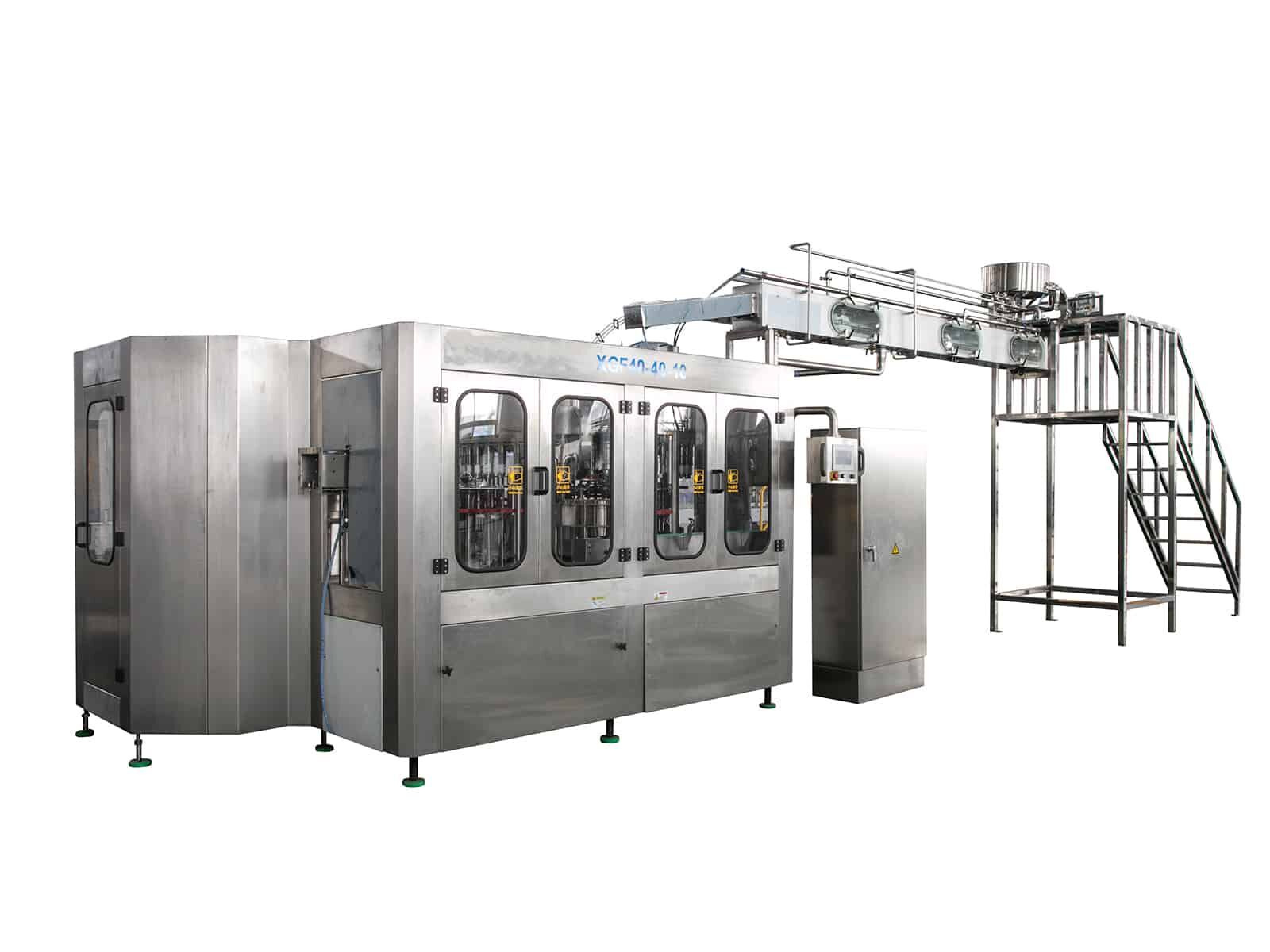
How Energy-Efficient Water Filling Machines Reduce Operational Costs
Understanding Energy Efficiency in Water Filling Machines
Energy efficiency in water filling machines involves optimizing mechanical operations and power usage while maintaining production output. Key components like high-efficiency motors, variable frequency drives, and intelligent control systems work together to minimize energy waste.
| Technology | Energy Saving Potential | Key Benefits |
|---|---|---|
| High-Efficiency Motors | 10–20% | Reduced electrical losses |
| Variable Frequency Drives | 20–30% | Dynamic speed control, less wear |
| Intelligent Controls | 15–25% | Optimized operations, lower downtime |
These technologies enable facilities to maintain high-speed bottling precision while significantly reducing energy consumption—laying the foundation for long-term cost savings.
Variable Speed Drives (VSDs) and Inverter Technology for Motor Efficiency
VSDs and inverters work by changing how fast motors run based on what's actually needed during production, which gets rid of all that wasted energy when old fixed speed motors just keep spinning at full blast no matter what. The ability to fine tune operations cuts down on those spikes in electricity usage and puts less strain on machinery parts. Plants typically see around a quarter less in energy bills after about half a year of using this tech. And maintenance departments notice something else too maintenance expenses drop by roughly 18% per year because components aren't getting worn out so quickly from constant maximum operation.
Lowering Energy Consumption Without Sacrificing Performance
Modern water filling machines achieve significant energy reductions through three core strategies:
- Precision automation: Servo-driven actuators use 40% less power than hydraulic systems while ensuring 99.9% filling accuracy.
- Heat recovery: Capturing thermal energy from sterilization processes lowers heating costs by 10–15%.
- Smart scheduling: AI algorithms optimize production cycles to eliminate idle states, cutting standby energy use by 20%.
Together, these advancements allow manufacturers to produce over 2,000 units per hour with 30% less energy than legacy systems—demonstrating that sustainability and high performance go hand in hand.
Reducing the Environmental Impact of Bottled Water Production
Water filling machines these days cut down on energy usage around 30% less than older versions because they come equipped with better motors and smarter production schedules. The machines are also designed to fill containers just right, so there's less wasted plastic overall. Manufacturers report saving between 12 to 18 percent on materials for each bottle produced this way. What really makes a difference though is the heat recovery tech that captures about 85% of the thermal energy created when sterilizing bottles. This means plants need far fewer fossil fuels to run their operations. Most facilities have started implementing these systems as part of broader sustainability efforts across the beverage industry.
Resource Conservation: Saving Water, Electricity, and Compressed Air
The latest energy efficient designs can slash water consumption down around 25 percent thanks to those clever closed loop rinsing systems which actually manage to recycle nearly all the process water back into circulation. For bottle shaping operations, variable speed compressors make quite a difference too, cutting air usage somewhere around 35%. And let's not forget about those smart IoT systems monitoring power usage across facilities these days. They really help minimize wasted energy when motors sit idling unnecessarily, probably saving close to half of what would otherwise go unused. When we look at all these improvements together, mid sized bottling plants typically see their annual carbon footprint shrink by roughly 20 to 25 metric tons each year. That kind of reduction matters significantly in today's climate conscious market landscape.
Closed-Loop Cooling Systems and Precision Filling to Minimize Waste
| Technology | Waste Reduction | Energy Savings |
|---|---|---|
| Laser-guided fill heads | 92% spillage | 8% per cycle |
| Glycol-free coolers | 100% toxic fluid | 15% cooling |
| Self-sanitizing nozzles | 40% water | 18% thermal |
Patented recirculation systems reuse 95% of cooling fluids, preventing 7,200 liters of wastewater per 8-hour shift. Microprocessor-controlled valves ensure 99.8% fill accuracy, avoiding product losses equivalent to 40,000 500ml bottles annually in standard setups.
Smart Technology and Automation in Modern Water Filling Machines
The Role of AI and IoT in Optimizing Water Filling Machine Efficiency
Water filling machines today are getting smarter thanks to AI and IoT sensors, cutting down energy use somewhere between 18 to 32 percent when compared with older models according to research done back in 2022 by the Ponemon Institute. These smart systems look at all sorts of data points as they run including how fast things get filled up, what kind of load motors are carrying, even temperature changes around them so they can tweak their performance on the fly. Take those flow meters connected through IoT technology for example. They actually change the water pressure just enough to stop containers from getting too full but still manage to keep production going strong at about twelve thousand bottles per hour. The bonus here is twofold really because this level of control not only makes sure that expensive rotary pumps last longer but also stops those annoying power surges whenever these machines kick on after sitting idle for a while.
Automation for Consistent Output and Reduced Operational Load
Automated systems deliver 99.8% fill accuracy across varying bottle sizes and liquid viscosities through advanced controls:
| Manual Process | Automated Equivalent | Efficiency Gain |
|---|---|---|
| 5-minute changeovers | 22-second automated bottle format switching | 93% faster |
| ±3% fill variance | ±0.5% precision dosing via PLC-controlled valves | 83% more accurate |
These improvements support 24/7 operations with 30% fewer staff and eliminate energy waste caused by manual recalibrations.
Case Study: Efficiency Gains in High-Volume Bottling
A leading Chinese manufacturer integrated AI vision systems into its PET water filling lines, achieving:
- 19% lower compressor energy use through predictive demand algorithms
- 42% reduction in hydraulic oil consumption via smart leakage detection
- 140 hours/year saved on maintenance using IoT-enabled bearing wear analytics (Credence Research, 2023)
The upgrade delivered $287,000 in annual energy savings while maintaining 98.4% production uptime.
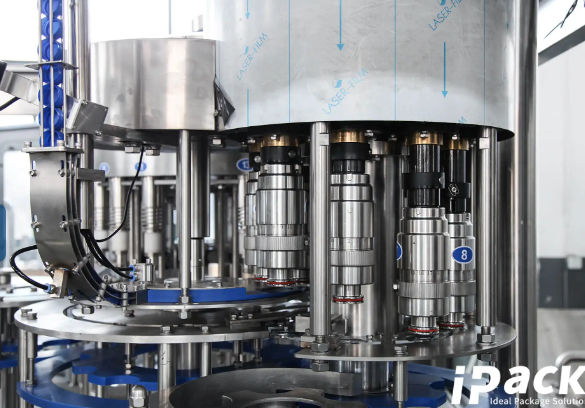
Long-Term Savings Through Maintenance and System Optimization
Preventive Maintenance for Sustained Energy Efficiency
Proactive lubrication of rotary components and quarterly replacement of worn conveyor belts reduce motor strain by 17–23% (Energy Audit Consortium 2023). These routine interventions help heating systems operate efficiently and prevent voltage fluctuations that contribute to energy waste.
Regular System Audits to Identify and Correct Inefficiencies
Biannual evaluations of production lines commonly reveal three key inefficiencies: misaligned bottle grippers requiring 30% more pneumatic pressure, improperly calibrated fill sensors causing 5% liquid overflow, and outdated PLC programming that leads to idle-time power draw. Addressing these issues typically yields a 12-month return on investment through cumulative energy reductions.
Extending Machine Lifespan While Cutting Long-Term Costs
Replacing standard steel chains with nickel-plated alternatives in high-moisture environments extends operational life from 7 to 11 years. When paired with real-time bearing temperature monitoring, this upgrade reduces annual maintenance costs by $18K per production line and sustains 99.4% uptime—supporting scalable, sustainable bottling operations.
Future Trends: Advancing Sustainability in Automatic Liquid Filling
Next-Generation Innovations in Energy-Efficient Water Filling Machines
New tech innovations keep pushing efficiency boundaries higher all the time. According to PwC research from last year, smart AI systems can cut down on energy consumption somewhere between 18 to 22 percent without affecting production speed at all. We're seeing self adjusting sensors now that constantly tweak filler heads as they work, which really cuts down on wasted product during filling operations. At the same time, companies are getting better at capturing leftover heat from their processes and putting it back to work instead of letting it go to waste. Something else happening right now is the switch from old style air powered parts to linear motors. This change alone means factories need about 35% less compressed air, and their electric bills drop quite a bit too when they make this upgrade.
Balancing Large-Scale Production With Sustainability Goals
The new modular design of water filling machines makes it possible to scale production up or down as needed, which cuts down on wasted energy when demand goes up and down. A recent report from the Beverage Industry in 2024 shows that plants with solar powered filling lines cut their carbon footprint by around 30 percent while still keeping the same level of output. These systems come with built in water recycling features that actually reuse about 95% of the water used in the process. This kind of efficiency helps big production facilities work within the principles of a circular economy where resources get reused instead of just thrown away after one use.
FAQ
What are the key benefits of using high-efficiency motors in water filling machines?
High-efficiency motors reduce electrical losses, contributing to energy savings of 10–20% while supporting the maintenance of high-speed bottling precision.
How do variable speed drives (VSDs) and inverter technology enhance motor efficiency?
VSDs and inverters adjust motor speeds to match production requirements, eliminating energy waste, reducing electrical spikes, and minimizing machine wear, leading to a quarter reduction in energy bills.
What strategies do modern water filling machines use to reduce energy without compromising performance?
Modern machines utilize precision automation, heat recovery, and smart scheduling to achieve up to 30% energy savings compared to legacy systems.
How do sustainable water filling operations impact the environment?
These operations result in lower energy usage, reduced plastic waste, and significant material savings, contributing to wider sustainability efforts in the beverage industry.
What role does smart technology play in improving water filling machine efficiency?
AI and IoT technologies help optimize machine performance, reducing energy use by up to 32%, while maintaining production speeds and increasing equipment longevity.
Table of Contents
- How Energy-Efficient Water Filling Machines Reduce Operational Costs
- Reducing the Environmental Impact of Bottled Water Production
- Resource Conservation: Saving Water, Electricity, and Compressed Air
- Closed-Loop Cooling Systems and Precision Filling to Minimize Waste
- Smart Technology and Automation in Modern Water Filling Machines
- Long-Term Savings Through Maintenance and System Optimization
- Future Trends: Advancing Sustainability in Automatic Liquid Filling
-
FAQ
- What are the key benefits of using high-efficiency motors in water filling machines?
- How do variable speed drives (VSDs) and inverter technology enhance motor efficiency?
- What strategies do modern water filling machines use to reduce energy without compromising performance?
- How do sustainable water filling operations impact the environment?
- What role does smart technology play in improving water filling machine efficiency?