 EN
EN

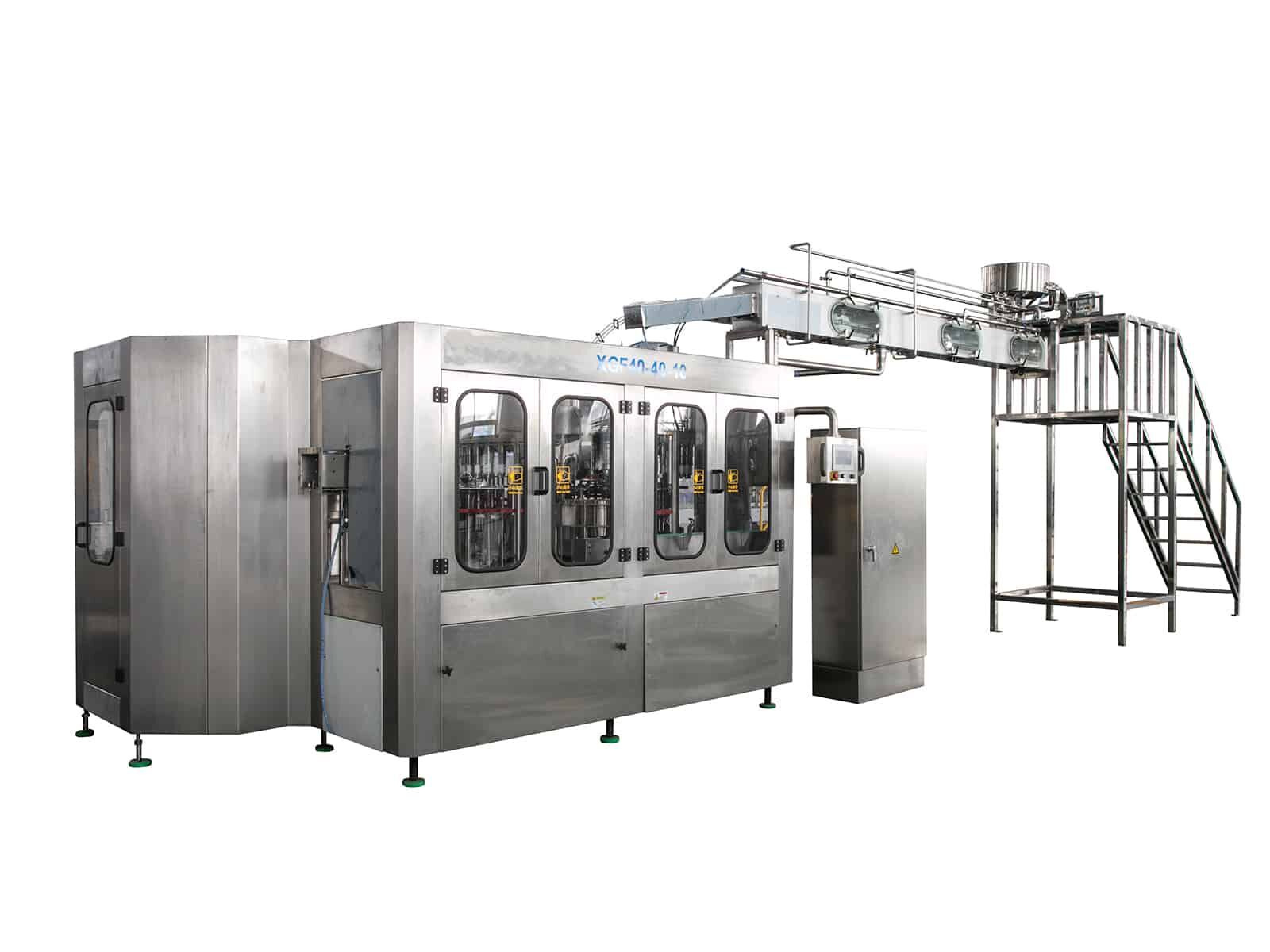
How a Water Filling Machine Works: Rinsing, Filling, and Capping Process
Rinsing Stage: Pre-Cleaning Bottles with Filtered Air or Sterile Water for Hygienic Packaging
The bottles go into the rinsing unit upside down. High pressure jets blast them with either filtered air or purified water that has gone through at least 0.45 micrometer filtration. This process gets rid of most dirt and grime, taking away about 99.7 percent of particles according to Packaging Digest from last year. After this comes two sterilization steps. First there is ozone treatment followed by ultraviolet light exposure which brings down bacteria levels below one colony forming unit per milliliter. That kind of clean bottle makes sure everything meets the required hygiene standards when it comes time to fill them with food products that will touch these surfaces directly.
Filling Stage: Precision Liquid Dispensing Using Gravity or Pressure-Based Filling Valves
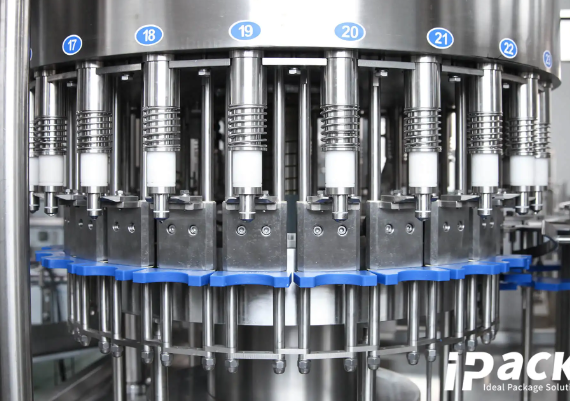
Precision filling systems maintain ±0.5% volume accuracy at speeds up to 600 bottles/minute. Pressure-based servo-controlled valves enable isobaric filling, minimizing oxygen ingress and foam formation—critical for maintaining product quality. Gravity systems are used for lower-output applications (200–300 BPM), delivering 98.4% fill-level consistency across various PET bottle geometries (Beverage Industry Report 2024).
Capping Stage: Applying Leak-Proof Seals with Torque-Controlled Capping Heads
Electromagnetic capping heads typically apply between 10 and 25 Newton meters of torque depending on the specific cap being used. These machines come equipped with built-in sensors that check whether the seal is properly formed after each cap is applied. After the capping process, there's another step where pressure decay testing happens. This test can spot even tiny drops in pressure down to around 0.001 bar, which helps make sure nothing gets through those seals. For quality control, vision systems scan every capped container looking for caps that aren't aligned correctly. When they find one, the system automatically rejects that product before it leaves the facility. According to research published in the Food Packaging Safety Study last year, this kind of automated detection reduces problems during transportation like leaks and subsequent returns by almost four out of five cases.
Core Components of a Water Filling Machine and Their Functions
Rinse Unit: Ensuring Bottle Hygiene Before Entering the Filling Zone
Sterilized water or filtered air runs through the rinse unit to get rid of almost all particulates, around 99.9% efficient according to the Beverage Industry Report from 2023. The system has adjustable pressure controls that work well for different container types like PET bottles, glass jars, and those reusable ones too. This flexibility helps maintain high output levels, sometimes hitting as many as 60 thousand bottles per hour on busy days. Before moving products to the filling area, infrared sensors check if everything is clean enough. These checks meet what the FDA calls for in their CFR Title 21 regulations about keeping processing areas sanitary, but manufacturers find this step important beyond just regulation compliance.
Filling Valve: Delivering Accurate Volume Control in Bottled Water Production
Filling valves are designed to maintain volume consistency within about half a percent, working through either gravity feed or isobaric pressure setups. The nozzles controlled by servos can tweak their flow rate anywhere between 200 milliliters all the way up to five liters per second. They do this by taking laser readings of each bottle as it moves along the line. Getting such accurate measurements really matters because it stops products from being overfilled which cuts down on wasted materials. More importantly, it keeps everything aligned with what's printed on the label. For food packaging companies, staying compliant isn't just good practice it saves them money too. A recent industry report showed that non-compliance costs businesses around 180 thousand dollars every year in fines alone.
Capping Head: Maintaining Seal Integrity in High-Speed Automation
Modern torque controlled capping machines typically exert between 8 to 12 Newton meters on metal screw caps, and around 4 to 6 Nm for plastic versions, which helps create those tight, airtight seals needed for various bottle closures. The latest vision inspection tech can spot placement mistakes as small as 0.1 millimeters and automatically removes faulty bottles from production lines at impressive rates of up to 600 per minute. According to Packaging World from last year, these improvements cut down on leaking product issues by roughly 92 percent when compared with old fashioned manual capping methods. Plus, special dual stage sealing technology keeps carbon dioxide levels stable in sparkling waters, resulting in an annual gas loss rate below 0.15%.
Automation and Control Systems in Modern Water Filling Machines
PLC and SCADA Integration: Enabling Real-Time Monitoring and Control
PLCs and SCADA systems work together to coordinate the rinse, fill, and cap processes with about half a percent timing accuracy according to Ace Filling's 2023 report. These control systems pull information from infrared sensors and servo motors to tweak operations when switching between different containers. The operators keep an eye on how much liquid goes into each container, track how fast the production line runs, and watch for any variations beyond acceptable limits like 0.25 milliliters. Everything shows up on central screens where staff can spot problems right away and fix them before they become bigger issues down the line.
IoT and AI: Predictive Maintenance and Performance Optimization in Beverage Filling Machines
Sensors connected to the Internet of Things can spot problems with vibrations and check how hot motors get, which helps catch bearing issues before they happen sometimes as early as three days ahead. This kind of early warning system cuts down those unexpected shutdowns by about 30 percent according to data from GZXI Linear back in 2023. When it comes to pumps, smart control systems adjust their speed depending on what's actually needed at any given moment, saving around 12% in energy costs each year. And there's another neat trick too machine learning algorithms look for tiny leaks by watching how pressure drops over time. These systems catch those little escapes pretty reliably, keeping seals intact for nearly all bottles that get filled, somewhere around 99 point something percent.
Case Study: Servo-Driven Smart Control Systems
A leading manufacturer implemented servo-driven filling valves with 0.01 mm positioning accuracy, increasing output by 22% without expanding line footprint. RFID-triggered presets automatically configure torque and valve settings for different bottle sizes, reducing changeover time by 65%. The system maintains a 0.3% defect rate across high-speed operations of 50,000 bottles/hour.
Hygiene, Safety, and Efficiency in Automated Water Bottling
Sterile Environment Protocols and Food-Grade Stainless Steel Construction
Automated water filling machines meet ISO 14644-1 Class 8 cleanroom standards, featuring 316L stainless steel surfaces that reduce bacterial adhesion by 72% compared to standard alloys (Food Safety Magazine 2023). Pneumatic rinse stations use 0.2μm filtered air, and UV-C arrays deliver 99.99% pathogen reduction prior to filling, ensuring a sterile environment throughout production.
Microbial Control: Achieving <0.1 CFU/mL Post-Filling Contamination Levels
Closed-loop filler nozzles and real-time ATP bioluminescence testing maintain contamination levels below 0.1 CFU/mL—exceeding WHO drinking water guidelines. A three-stage filtration process (5μm – 1μm – 0.1μm) combined with continuous ozone monitoring (0.2–0.4 ppm) achieves 6-log pathogen reduction, safeguarding product safety across all batches.
Operational Efficiency: 95% Uptime in Fully Automated Water Filling Machine Lines
Top-tier bottling lines achieve 95% uptime through predictive maintenance algorithms that monitor over 15 parameters, including motor torque fluctuations and seal wear. Servo-driven valves ensure ±0.5% fill accuracy at 600 bottles/minute, reducing water waste by 18% versus mechanical systems (Beverage Production Quarterly 2023).
Bottle Handling and Conveyor Integration in Water Production Lines
Modern water filling machine operations rely on synchronized bottle handling systems to maintain throughput exceeding 30,000 bottles per hour. These systems ensure seamless integration between rinsing, filling, and packaging stages through three critical components.
Infeed systems: Screw conveyors and starwheel mechanisms for smooth transfer
Screw conveyors use helical flights to gently meter bottles into the line, preventing collisions, while starwheels position containers precisely for downstream processes. Capable of handling up to 600 bottles/minute across PET and glass formats, advanced designs include self-cleaning grooves and antimicrobial coatings compliant with FDA sanitation standards.
Synchronized movement: Preventing jams in high-speed bottle handling
Servo-driven conveyors maintain ±0.5mm positioning accuracy using photoelectric sensors and encoder feedback. This synchronization reduces jams by 89% compared to chain-driven models (2023 packaging industry study), maintaining consistent spacing even at 2.5m/s line speeds—essential for accurate valve actuation and capping alignment.
Modular conveyor design: Enabling flexibility in bottled water production line components
Interchangeable guide rail sections allow rapid reconfiguration between container formats—switching from 1L PET to 500ml glass in under 30 minutes. This modularity supports mixed-SKU runs while sustaining 98.5% uptime, according to beverage automation benchmarks. Quick-release clamps and standardized interfaces streamline maintenance without full disassembly.
FAQ
What are the main functions of a water filling machine?
A water filling machine primarily involves three stages - rinsing, filling, and capping. Each stage ensures hygiene, accuracy, and seal integrity, respectively, making the water bottling process efficient and reliable.
How does a water filling machine ensure hygiene?
Hygiene is maintained through filtered air or sterile water rinsing, ozone treatment, UV light exposure, and the use of food-grade stainless steel. These processes greatly reduce bacterial presence and ensure safe bottling.
What is the importance of PLC and SCADA in water filling machines?
PLC and SCADA systems are critical for real-time monitoring and control, ensuring precise coordination of the rinsing, filling, and capping processes while minimizing errors and maintaining operational efficiency.
Table of Contents
- How a Water Filling Machine Works: Rinsing, Filling, and Capping Process
- Core Components of a Water Filling Machine and Their Functions
- Automation and Control Systems in Modern Water Filling Machines
- Hygiene, Safety, and Efficiency in Automated Water Bottling
- Sterile Environment Protocols and Food-Grade Stainless Steel Construction
- Microbial Control: Achieving <0.1 CFU/mL Post-Filling Contamination Levels
- Operational Efficiency: 95% Uptime in Fully Automated Water Filling Machine Lines
- Bottle Handling and Conveyor Integration in Water Production Lines
- FAQ