 EN
EN

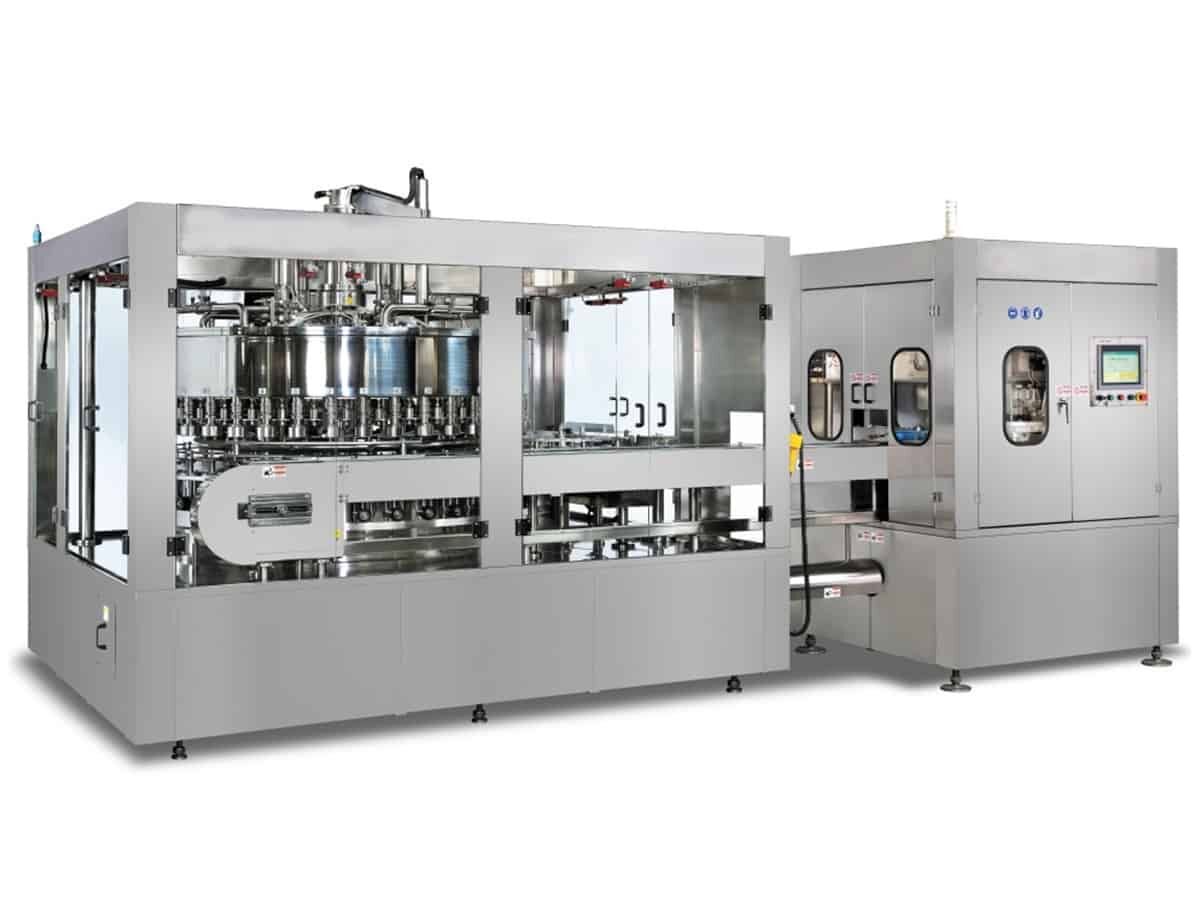
Energy Efficiency in Modern Beverage Filling Machines
How beverage filling machines improve energy efficiency in production
Beverage filling machines today cut down on energy consumption thanks to some pretty cool tech that matches power use right where it's needed for production. Traditional setups had those old fixed-speed motors running all day long, but modern equipment comes with variable frequency drives or VFDs as they're called. These gadgets can tweak motor speeds on the fly, which means factories save around 40% on electricity when demand drops off. The newer models also pack in servo motors along with smart controls that keep everything moving just right without any unnecessary motions wasting power. What does this mean practically? Machines can crank out thousands of bottles every hour while using far less energy per bottle than what was possible before these improvements hit the market.
Traditional vs. modern systems: A comparative analysis of energy consumption
Switching from old school to new generation filling systems really makes a difference when it comes to saving power. Take those older manual machines for instance they typically guzzle around 35 plus kilowatt hours for every thousand bottles because they run constantly without much smart control. Semi automatic versions aren't much better either clocking in somewhere between 25 to 30 kWh. But look at what happens with today's automated setups. These have variable frequency drives, efficient motors, and clever control systems built right in. They only need about 15 to 20 kWh per thousand bottles which cuts energy usage by roughly half compared to the old ones. Facilities that upgrade usually see their electric bills drop by about 30%, plus there's less environmental impact too. So going modern isn't just good for the bottom line but also helps companies reduce their carbon output significantly.
Ambient-fill technology and reduced reliance on refrigeration
The ambient fill tech basically gets rid of that whole pre-chilling step for drinks and their containers, which cuts down on energy usage quite a bit. Most traditional cold fill methods rely heavily on refrigeration systems, something that eats up around 30% of the energy used along the entire filling line according to industry reports. When these new ambient fill systems work at normal temperatures instead, they just don't need those big cooling units anymore. That makes the whole production process simpler while saving loads of power. For companies making bottled water or non-carbonated beverages, this means getting products ready for shelves without all the hassle and expense of keeping things constantly chilled throughout manufacturing.
Integrating renewable energy with advanced filling systems
Beverage filling equipment these days comes with features that work well alongside green energy options like solar panels and wind turbines. The smart power controls built into these machines adjust how much electricity they draw depending on what's available from renewables. They tend to run full speed when the sun is shining bright or winds are blowing strong, then slow down a bit when those resources aren't so plentiful. What this means for factory owners is that they get to use more clean power without having their production lines stop working unexpectedly. Companies aiming for zero carbon emissions find this setup particularly helpful since it keeps things running smoothly even as they cut down on fossil fuels over time.
Precision Automation for Waste Reduction in Beverage Production
Minimizing packaging and product waste through precise fill control
The accuracy of servo driven filling systems really stands out when it comes to cutting down on wasted product and packaging materials. These machines come packed with precision sensors and electronic controls that let them adjust on the fly for differences in bottle sizes and how thick or thin the liquid actually is. This means they can keep fill levels pretty much the same from one batch to another. The fill accuracy gets as good as plus or minus 0.5 percent, which beats the old mechanical systems that typically had errors around 2 to 3 percent. When companies switch to this technology, they usually see about a 3 to 5 percent drop in overfilled products, which translates into real savings on raw materials and less trash going out the door. Getting rid of underfilled containers matters too because nobody wants their customers getting short changed, especially not when regulatory bodies are watching closely and brand image depends on delivering what's promised.
AI and automation: Reducing scrap rates and improving line efficiency
Waste reduction gets a big boost from artificial intelligence through better prediction of how filling operations should work. Systems powered by AI look at live data streams all day long, spotting where things go wrong, predicting when machines might need fixing, and changing settings automatically before defects happen. Human mistakes account for roughly 15 percent of waste in setups that rely on people, so automated checks for quality plus those self fixing features cut down scrap materials by around 40%. The bottom line? Overall Equipment Effectiveness or OEE goes up between 20 and 30 percentage points. That means factories keep running smoothly even when production demands change throughout the week.
Case study: Achieving a 40% scrap reduction in European bottling plants
Looking at 12 different bottling plants across Europe showed just how much better things get when companies invest in smart automation for waste management. When these facilities installed AI based filling systems, they noticed something pretty impressive happening. Scrap rates dropped by around 40% in the first twelve months alone. That's not all either. There was also a noticeable decrease in product giveaways at about 35%, while packaging waste went down nearly half because the machines could control fills better and coordinate production lines more efficiently. The bottom line? Each production line saved roughly 240 thousand euros every year thanks to less wasted materials and cheaper disposal fees. So it turns out there's real money to be made here alongside helping protect our planet through smarter manufacturing practices.
Water Conservation and Resource Efficiency in Filling Operations
Closed-Loop Rinsing Systems for Smarter Water Use in Beverage Filling
Beverage producers are increasingly turning to closed loop rinsing systems that recycle filtered rinse water instead of letting it go to waste. The latest figures from the Water Bottling Innovations Report show these systems can reuse around 90% of their water, which cuts down on fresh water needs by roughly three quarters when compared to traditional single pass approaches. What's interesting is how these systems actually meet stringent hygiene requirements without compromising quality standards, all while cutting back dramatically on wastewater volumes that need processing before being released. Plus there's another benefit worth mentioning too: since less water gets pumped and heated during operation, energy costs drop off quite substantially as well. This means manufacturers get both environmental and economic advantages from making the switch to closed loop systems.
Optimizing Clean-in-Place (CIP) Protocols to Reduce Water and Chemical Usage
Today's clean-in-place (CIP) systems are getting smarter all the time thanks to sensor technology and adaptive control features that help cut down on resources during those long sanitation cycles. Rather than just running with set amounts, modern systems actually check what's left behind after production and then tweak the cleaning power as needed. This approach can save anywhere between 30% to almost half the water normally used. Some setups even include heat recovery units that grab the warmth from old cleaning solutions and put it back into new ones before they hit the equipment. And let's not forget about automated dosing systems which keep track of exactly how much chemical goes where and for how long. These systems typically slash chemical usage by around 40%, yet still manage to get better cleaning outcomes overall. The result? Lower bills at the end of the month plus a smaller footprint on the environment.
Benchmarking Resource Efficiency in Food and Beverage Manufacturing
Beverage companies at the forefront of innovation have been making waves in water conservation through their adoption of cutting edge technologies. Plants equipped with closed loop rinsing systems and fine tuned cleaning in place (CIP) procedures typically slash water usage by around 45% while reducing energy consumption by nearly 40% for each product made. Some facilities even hit water recycling marks over 85%, showing just how much difference these modern filling line upgrades can make. Looking at these numbers tells us something important about the role technology plays in green manufacturing practices today. As regulations get stricter and customers become more conscious about resources, businesses need to invest in these kinds of improvements if they want to stay competitive and environmentally responsible.
Innovative Technologies Advancing Sustainable Beverage Manufacturing
Onsite Bottle Blowing and Filling: Cutting Transport Emissions and Material Loss
When companies blow and fill bottles right at their production site instead of shipping them from far away factories, they save a lot on logistics costs. Packaging experts estimate this approach cuts down on carbon emissions from transportation by around 30 percent. Plus, there's less chance of breakage or missing bottles during transport since they never leave the premises. Many beverage producers have adopted this method recently. They find that keeping inventory low means smaller storage spaces are needed, which saves energy normally used for lighting and climate control in warehouses. The whole supply chain becomes more agile too because products get made exactly when they're needed rather than sitting around waiting for orders.
Aseptic Filling: Extending Shelf Life With Less Packaging and No Preservatives
The aseptic filling method keeps products fresh much longer without needing any chemical preservatives. It works by sterilizing both the drink itself and its packaging separately, then putting them together in a completely clean environment. Since there's no need for those heavy heat resistant containers, manufacturers can switch to lighter materials which cuts down on packaging weight somewhere around 15 to maybe even 25 percent when compared to traditional hot fill techniques. According to findings from last year's Sustainable Packaging Report, companies adopting this technique are seeing real wins for both their bottom line and the planet. Beverages stay safe and tasty for longer periods while using far less resources overall.
Evaluating the ROI of Sustainable Machinery Despite High Upfront Costs
Sustainable filling tech does come with a bigger upfront cost, but businesses often find that the money pays back over time in both dollars and operational improvements. Most energy efficient systems cut down on electricity usage somewhere between 20% to almost half, depending on how they're implemented. When we factor in all the saved materials and water too, many plants actually recoup their entire investment within just two or three years. The real value goes beyond simple savings though. Companies adopting these practices tend to run into fewer regulatory headaches, look better to customers who care about environmental impact, and aren't as vulnerable when raw material prices jump around. For this reason, investing in green machinery isn't just good for the planet anymore it's becoming essential for staying competitive in today's beverage industry landscape.
FAQs
What technological advancements help beverage filling machines improve energy efficiency?
Modern beverage filling machines use variable frequency drives (VFDs), servo motors, and smart controls to optimize motor speeds and reduce unnecessary motions, saving energy and improving production efficiency.
How do modern filling systems compare to traditional methods in terms of energy consumption?
Modern filling systems equipped with efficient motors and control systems use about 15 to 20 kWh per thousand bottles, cutting energy usage by roughly half compared to older systems.
What are the benefits of ambient-fill technology compared to traditional cold fill methods?
Ambient-fill technology eliminates the need for pre-chilling drinks and containers, removing reliance on energy-intensive refrigeration systems and simplifying the production process.
How does onsite bottle blowing and filling reduce carbon emissions?
By producing bottles onsite, companies reduce transportation emissions by about 30%, avoid breakage during transport, and streamline their supply chains.
Table of Contents
- Energy Efficiency in Modern Beverage Filling Machines
- Precision Automation for Waste Reduction in Beverage Production
- Water Conservation and Resource Efficiency in Filling Operations
- Innovative Technologies Advancing Sustainable Beverage Manufacturing
-
FAQs
- What technological advancements help beverage filling machines improve energy efficiency?
- How do modern filling systems compare to traditional methods in terms of energy consumption?
- What are the benefits of ambient-fill technology compared to traditional cold fill methods?
- How does onsite bottle blowing and filling reduce carbon emissions?