 EN
EN

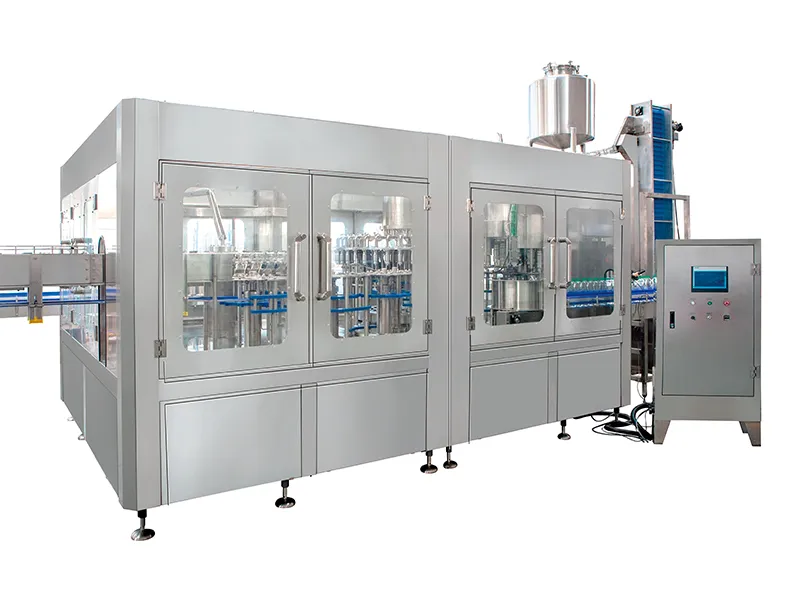
Juice Filling Machine as the Central Hub of End-to-End Production
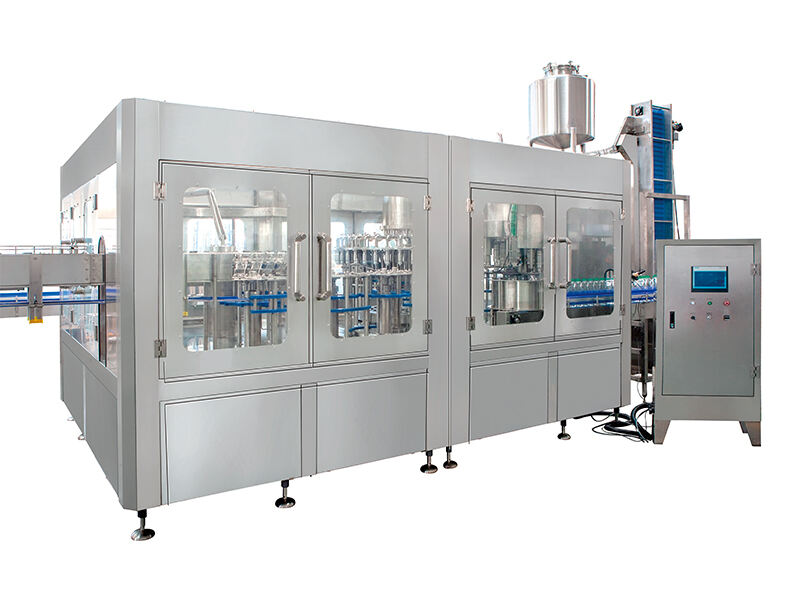
Synchronizing upstream (extraction, filtration) and downstream (capping, labeling, sterilization) processes for zero-bottleneck throughput
Juice filling machines today act as the main control hub for the whole production line, connecting what happens before with what comes after. They link up things like fruit extraction and filtering at one end with capping, labeling work, and sterilization processes on the other side. The machines have these real time pressure sensors that tweak how fast they fill bottles based on what's coming out of the extractor. There are also automated buffers built in that handle fluctuations when sterilizing runs its course. When everything works together like this, there are fewer stops and starts in the workflow. Factories report around a third less downtime than older setups where each part worked separately. And best of all, once running smoothly, these systems keep going non stop without needing someone constantly watching over them.
Real-time data integration enabling scalable output—from 2,000 to 25,000 bottles/hour—without reconfiguration
Industrial juice filling machines equipped with IoT controls can now handle output scaling across quite a wide range actually—from about 2,000 all the way up to 25,000 bottles each hour. This flexibility comes from sensors that monitor things like liquid thickness, pulp content, and how fast stuff flows through the system. What's really handy for plant operators is being able to tweak fill amounts or speed up/down conveyors right from their central control panels. No need to mess around with physical adjustments anymore which saves somewhere between 3 to 5 hours whenever they switch production formats. And there's another benefit too: those smart predictive maintenance systems have been shown to keep machines running longer. According to some recent industry research from last year, these systems cut unexpected breakdowns down by nearly 60 percent, which makes a huge difference in keeping production lines moving smoothly day after day.
Aseptic Hygiene: How Juice Filling Machines Meet FDA Juice HACCP and Global Sterility Standards
99.997% pathogen reduction vs. non-aseptic fillers—validated by FDA 2023 audit data
FDA 2023 audit data confirms these aseptic systems achieve 99.997% pathogen reduction—far surpassing conventional fillers—and support preservative-free, shelf-stable juice production. The closed-loop architecture removes human contact from the fill zone, directly addressing a leading contamination vector in juice processing.
Handling Real-World Juice Complexity: Pulp, Viscosity, and Multi-Format Packaging
Servo-driven dual-nozzle volumetric filling preserving pulp suspension integrity across orange, carrot, and mixed-fruit juices
The servo driven dual nozzle volumetric filling system tackles one of the biggest problems in particulate suspension processing: keeping pulp evenly distributed throughout the product without damaging it or letting particles settle at the bottom. Traditional gravity fillers can only manage around 15% pulp content before issues start arising, but this new approach works well even with products containing up to 35% pulp while still achieving volume accuracy within half a percent. Real world testing shows impressive results too, with industry trials demonstrating close to perfect consistency in orange juice with medium pulp levels, carrot juice packed with dense particulates, and various mixed fruit combinations featuring different chunk sizes. This means manufacturers can deliver consistently good texture and appearance in their premium branded products, which is what shoppers really notice on store shelves.
Seamless format changeover: bottles (PET/glass), stand-up pouches, and cartons—no tooling downtime
The modular quick release system works together with digital presets to cut down format changes to less than ninety seconds flat. Think about it: when moving production from glass bottles to PET containers or changing over from those stand up pouches to gable top cartons, there's absolutely no need for any mechanical adjustments. Operators just pick the right profile on screen and they're good to go. What does this mean for real world operations? Well, manufacturers gain incredible flexibility across different sales channels. E-commerce pouches, ready to ship cartons for stores, and fancy glass bottles all get produced back to back without stopping the line. The numbers speak for themselves too. Plants using this technology typically see their yearly output jump by around 18 thousand extra cases while wasting materials drops dramatically by nearly three quarters during changeovers.
Filtration-Filler Synergy: Boosting Uptime, Shelf Life, and Juice Quality
Inline crossflow microfiltration (0.1 μm) reduces filler clogging by 82% and extends MTBM
Inline crossflow microfiltration working at around 0.1 microns effectively filters out suspended solids and spoilage microbes right before the filling process begins. According to Food Processing Journal from 2023, this method cuts down nozzle clogging problems by roughly 82%. What does this mean practically? The time between maintenance intervals increases by nearly four times compared to regular filtration systems alone. Another big plus is that since there's no need for heat treatment, both flavor compounds and essential nutrients stay intact. This preservation effect actually lengthens shelf life by about 18%, all while keeping those natural taste characteristics consumers love. Modern juice filling machines equipped with this technology do much more than just measure and dispense product. They act as actual quality control centers too, making sure production lines keep running smoothly at top speed even when dealing with tricky products like thick carrot juice or citrus blends that tend to cause issues.
FAQ
Q: How do juice filling machines synchronize various production processes?
A: Juice filling machines act as a central hub, connecting the upstream processes like extraction and filtration with downstream tasks such as capping and sterilization, using real-time sensors and automated buffers to manage workflow effectively.
Q: How do modern juice filling machines handle output scaling?
A: They are equipped with IoT controls and sensors which allow scaling from 2,000 to 25,000 bottles per hour. Operators can adjust fill amounts and conveyors via control panels without physical reconfiguration.
Q: How do juice filling machines ensure aseptic hygiene standards?
A: Aseptic systems have closed-loop architectures that eliminate human contact in the fill zone, achieving a 99.997% pathogen reduction as confirmed by FDA 2023 audit data.
Q: What advantages do servo-driven dual-nozzle systems offer for juice filling?
A: They maintain pulp suspension integrity and handle products containing up to 35% pulp, ensuring consistent texture and appearance in premium juice products.
Q: How do juice filling machines handle different packaging formats?
A: A modular quick-release system and digital presets allow seamless format changes to various packaging types like PET/glass bottles, pouches, and cartons without mechanical adjustments.
Q: What role does Filtration-Filler Synergy play in juice production?
A: The use of inline crossflow microfiltration reduces nozzle clogging by 82%, extends maintenance intervals, and preserves flavor and nutrients, thus improving shelf life.
Table of Contents
- Juice Filling Machine as the Central Hub of End-to-End Production
- Aseptic Hygiene: How Juice Filling Machines Meet FDA Juice HACCP and Global Sterility Standards
- Handling Real-World Juice Complexity: Pulp, Viscosity, and Multi-Format Packaging
- Filtration-Filler Synergy: Boosting Uptime, Shelf Life, and Juice Quality
- FAQ