 EN
EN
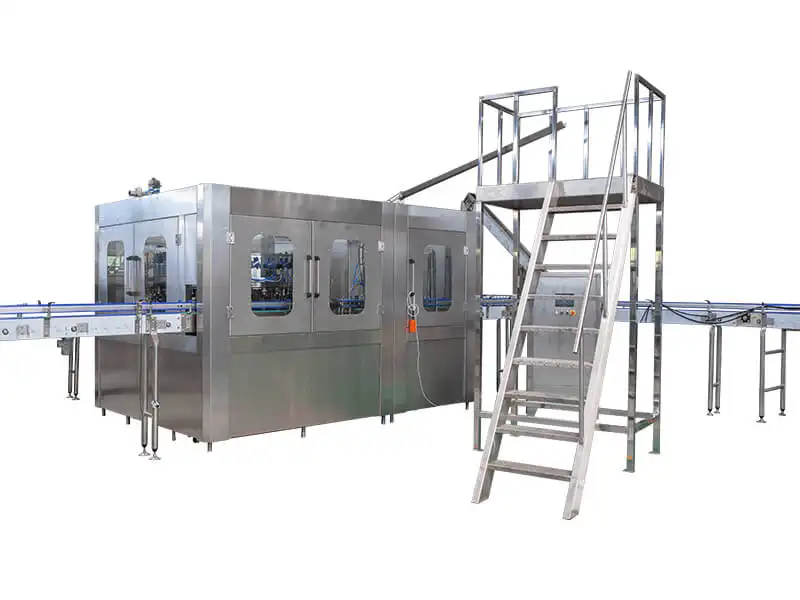
Smart Carbonated Drink Filling Machines: IoT, AI, and Predictive Intelligence
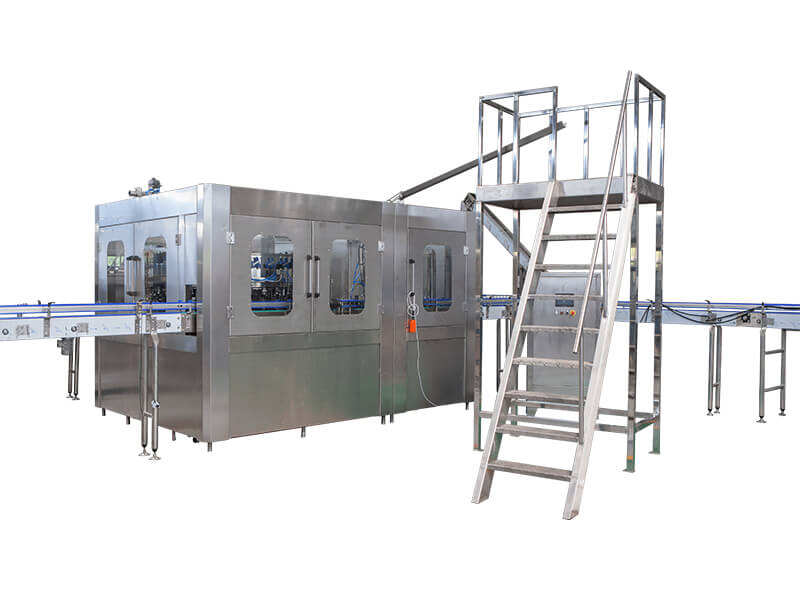
Real-time monitoring and predictive maintenance via IoT-enabled carbonated drink filling machine sensors
Today's carbonated beverage filling equipment comes equipped with IoT sensors that gather live information about pressure levels, temperatures, liquid flow speeds, and how well seals are holding up. These constant checks catch problems early on before they turn into bigger issues. For example, tiny CO2 leaks or changes in liquid thickness get spotted long before anything actually breaks down. Most factories report around 25 to 40 percent fewer unexpected shutdowns when these systems are in place. The smart part is how predictive maintenance works too. By looking at past sensor readings, manufacturers can plan when parts need replacing instead of waiting for something to fail. Vibration sensors have been particularly helpful, often warning operators about motor wear problems about a week ahead of time. This foresight has cut maintenance expenses by roughly 30% according to recent industry reports from Process Efficiency in their 2024 findings.
AI-driven anomaly detection cutting downtime by up to 37% in high-speed carbonated drink production
AI turns raw operational data into actions that stop problems before they happen. Modern machine learning setups look at what sensors are telling them right now and match those signals against thousands of known good scenarios. These systems can spot issues like when bottles aren't filling properly or caps aren't aligned correctly within less than a second flat. Once something goes off track, reinforcement learning takes over to adjust things automatically. Think conveyor belts slowing down just enough or tweaking how much CO2 gets injected during packaging. For plants running at around 1,200 bottles every minute, these quick fixes cut downtime by almost 40% and slash wasted products by nearly 20%, according to recent research from Beverage Automation in their 2023 report. And there's another benefit too: smart algorithms predict when energy will be needed most, so factories actually use between 15 and maybe even 22 percent less electricity for each thousand liters processed compared to traditional methods.
Precision Automation for Consistent Carbonation and High-Speed Filling
Servo-controlled carbonated drink filling machines achieving ±0.3ml accuracy at 1,200 bpm
Carbonated drink filling machines with servo control achieve remarkable precision thanks to their real time feedback systems. Flow meters check the liquid volume about 500 times each second, which lets those servo motors tweak valve positions almost instantly. What does this mean? Fill accuracy within plus or minus 0.3 ml even when running at 1,200 bottles per minute that's roughly half what falls from a single raindrop. Such precise control stops containers from being overfilled and makes sure each one hits the right carbonation level. This cuts down wasted product by around 18% compared to older pneumatic systems. And there's something else worth mentioning these machines come with built in programmable logic controllers, or PLCs as they're called in the industry. These little boxes let operators switch recipes on the fly without having to mess around with mechanical adjustments. That flexibility means manufacturers can run different types of beverages on the same production line without downtime for setup changes.
Closed-loop COâ‚‚ pressure control systems preventing gas loss during fill
The intelligent closed loop system for controlling CO2 pressure keeps the carbonation intact during filling operations. Advanced laser sensors watch those gas levels constantly, and when they detect pressure dropping below ideal ranges (around 5.5 to 6 psi), automated valves adjust almost instantly - typically within about half a second. This quick reaction time stops bubbles from collapsing and prevents unwanted foam buildup, which would otherwise lead to losses of around 3 to 5 percent in carbonation content. With this level of control, manufacturers maintain consistent fills at approximately 99.8 percent accuracy between batches. Maintaining stable pressure does more than just protect taste profiles and texture characteristics; it actually allows production lines to run faster while still delivering that distinctive "snap" sensation that beverage drinkers have come to associate with properly carbonated drinks.
Modular Flexibility: Rapid Adaptation Across Carbonated Drink Formats and Brands
Quick-change modular platforms reducing format changeover from 45 to under 8 minutes
Modular quick change platforms cut down format changeover times dramatically, going from around 45 minutes down to just under 8 minutes. This makes switching between different bottle sizes, various neck finishes, and even carbonated drinks much smoother during operations. The systems work with components that don't need tools for assembly, plus they store recipes in PLCs so there's no need for manual recalibrations which cuts down on mistakes made by people. For companies dealing with seasonal products, limited run items, or managing multiple brand lines at once, this kind of flexibility is really valuable. According to recent industry reports, these kinds of platforms can actually cut labor needs by about 82 percent while also improving how efficiently production lines operate overall. That gives manufacturers a clear edge when competing in today's rapidly changing beverage market landscape.
The Autonomous Filling Line: Next-Generation Evolution of Carbonated Drink Filling Machines
Autonomous filling lines represent the convergence of AI, IoT, and precision engineering–moving beyond fixed automation to self-adapting production systems. By integrating real-time data processing and machine learning, they dynamically optimize operations without human intervention.
Self-optimizing filling lines using reinforcement learning–22% energy reduction per 1,000L
Reinforcement learning algorithms work by constantly checking factors like how thick the liquid is, what temperature it's at, and how much CO2 is present. They then tweak things like pressure for filling, when valves open and close, and how conveyors move throughout the process. What makes this approach special is that it learns from each batch, figuring out what works best for that particular run. Tests show around a 22% drop in energy needed for every thousand liters processed compared to old fashioned fixed automation systems. But there's more to it than just saving power. These smart systems keep production moving smoothly without hiccups, cut down on wasted materials, and actually make operations more robust over time against unexpected changes in conditions.
FAQ
What is predictive maintenance in carbonated drink filling machines?
Predictive maintenance involves using IoT sensors to monitor conditions and predict when parts need servicing, reducing unexpected downtime and maintenance costs.
How does AI in carbonated drink production help reduce waste?
AI detects anomalies and corrects them instantaneously, minimizing downtime and reducing wasted materials and products.
What are servo-controlled filling machines and their benefits?
Servo-controlled machines use feedback systems to achieve high precision in fill levels, reducing overfill and maintaining consistent carbonation.
How do quick-change modular platforms work?
These platforms allow rapid format changeovers using tool-less assembly and stored recipes in PLCs, enhancing operational efficiency.
Table of Contents
- Smart Carbonated Drink Filling Machines: IoT, AI, and Predictive Intelligence
- Precision Automation for Consistent Carbonation and High-Speed Filling
- Modular Flexibility: Rapid Adaptation Across Carbonated Drink Formats and Brands
- The Autonomous Filling Line: Next-Generation Evolution of Carbonated Drink Filling Machines
- FAQ