 EN
EN

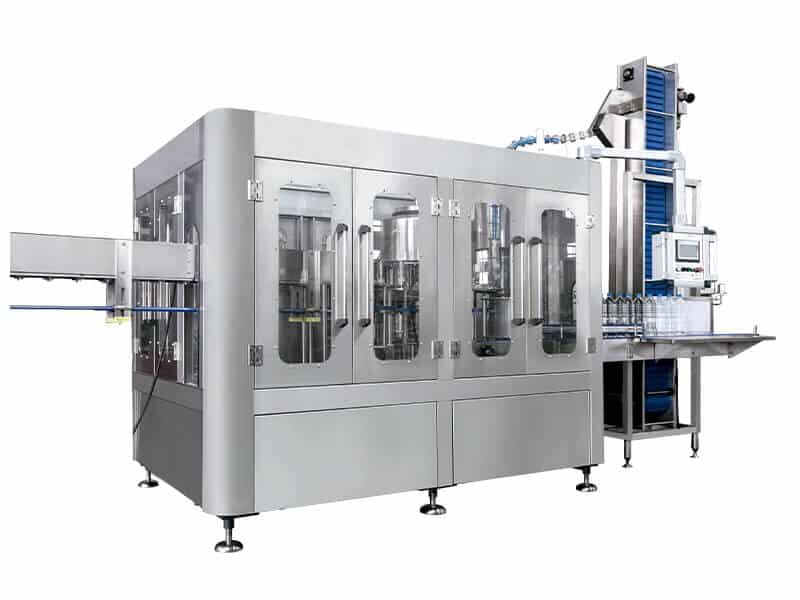
The Role of Industry 4.0 in Driving Adoption of Intelligent Water Filling Machines
How AI and IoT Integration Is Transforming Traditional Water Filling Machine Operations
The fourth industrial revolution is changing how water filling machines work through the combination of AI and Internet of Things tech. Today's equipment comes equipped with all sorts of sensors and learning software that keeps an eye on production as it happens. These systems can tweak fill amounts within half a percent accuracy even when dealing with different shaped bottles or liquids with varying thicknesses. According to Research and Markets from 2025, factories using these connected systems see about 30% fewer unexpected stoppages. At the same time, computer vision powered by artificial intelligence spots problems such as insufficient fills or improperly placed caps with nearly perfect accuracy around 99.7%. What makes these machines truly smart though? They actually adjust their own energy usage during slow periods, which cuts down running expenses by roughly 18% when compared against older non-smart versions still in operation.
Market Trends (2025–2035): Growth in Demand for Smart Water Filling Machines
Global sales of smart water filling machines are expected to jump from around $6.8 billion in 2025 all the way up to nearly $10.4 billion by 2032. This growth comes as companies in drinks, meds, and beauty products adopt Industry 4.0 tech throughout their operations. The biggest demand right now? Systems that can handle those tiny custom batches. We've seen this segment grow almost 48% just since 2023. People love machines that save water too, cutting down waste by about 35% each time they fill something. And let's not forget about those connected devices that talk to the cloud, letting factories track production stats across multiple sites. Pharma companies especially have been rushing to get these smart systems after new FDA rules came out in 2024 requiring instant quality records. Plants that use Industry 4.0 stuff generally finish compliance checks 20% quicker than others, according to folks at the World Economic Forum. Makes sense when you think about it.
Industry 4.0 as a Catalyst for Intelligent Automation in Bottling and Liquid Packaging
The latest generation of water filling machines has become the heart of modern automated packaging operations. These systems use PLC controls to synchronize filling, capping, and labeling processes within just a few milliseconds of each other, which matters a lot when production lines are running over 60 thousand bottles per hour. Manufacturers love the modular design because they can switch out nozzle configurations or adjust conveyor widths in less than 15 minutes flat. That's a huge improvement over older systems where changing equipment could take most of a workday. According to a recent industry report from 2025, facilities adopting these smart packaging solutions saw their material waste drop by around 35%. Even better, their Overall Equipment Effectiveness hit nearly 99.4%, which beats traditional methods by almost a quarter. These numbers tell us why so many companies are making the switch to Industry 4.0 technologies.
Core Technologies Behind Intelligent Water Filling Machines
Servo Motor-Driven Systems Enabling Real-Time Precision in Fill Volume Control
Today's water filling machines can hit about 0.5 mL accuracy thanks to those fancy servo-controlled actuators which tweak piston movements around 1,000 times every second. These new systems aren't like old school gear driven ones where there was always some play in the mechanics. The absence of mechanical backlash means these machines deliver pretty much the same amount each time regardless of what kind of liquid they're handling or how hot or cold it gets. According to recent research published in Packaging World last year, companies switching to servo driven fillers saw their waste drop by roughly 12 percent when compared against older pneumatic models. Plus these machines aren't slow either running through as many as 600 bottles an hour without breaking a sweat.
PLC and Closed-Loop Feedback Systems for Dynamic Calibration and Consistency
PLCs with response times below 100 milliseconds keep track of around 15 different process variables at once, things like line pressure readings, liquid density measurements, and even ambient humidity levels throughout the facility. The information collected gets processed through self adjusting algorithms which help keep fill accuracy pretty tight, usually within just 0.3 percent variation across those long stretches of non stop 24 hour operation. According to several major players in the field, companies have seen their calibration downtime drop by almost 40 percent once they switched to these kinds of closed loop systems as noted in Food Engineering magazine back in 2023.
High-Precision Sensors for Environmental Compensation and Accurate Measurement
Infrared sensors that work across multiple spectrums can spot those tiny bubbles and foam layers down to about 0.2 mm thick, which then makes the machine adjust flow rates right away through its servo valves. The capacitive probes come into play too by measuring how materials respond electrically, helping offset changes when things get warmer or cooler. And there are load cells that pick up weight differences as small as plus or minus 2 grams, so measurements stay spot on. All this tech working together means water filling equipment stays within FDA standards for accuracy even when temps swing between 40 degrees Fahrenheit and all the way up to 104 degrees. This kind of precision matters a lot in food processing plants where getting the volume just right is non-negotiable.

End-to-End Line Integration: Synchronizing Filling with Capping, Labeling, and Conveyors
Seamless Automation Between Water Filling Machines and Downstream Packaging Units
Today's water filling machines work together seamlessly with capping stations, label applicators, and conveyor belts in real time. The sensors monitor where each bottle is positioned, tracking speeds of around 500 bottles every minute before sending them along to the next part of the line with pretty much spot on alignment within half a millimeter. According to the Packaging Trends Report from last year, this kind of integrated system cuts down on human error during handling by nearly 8 out of 10 cases. Plus it maintains almost perfect fill levels, keeping accuracy at 99.9 percent even when dealing with all sorts of different shaped containers that come through the production line.
Smart Conveyor Synchronization and Modular Line Design for Flexible Production
Servo driven conveyor systems can change their speed on the fly to keep pace with whatever's coming out of the filler, which stops those annoying bottlenecks when switching between different products. The modular design means production lines can be completely rearranged in just half an hour or so. Imagine going from regular sized plastic bottles to larger glass containers without stopping the whole line. Some plants have reported cutting down on wasted materials by around 22% when handling multiple product types at once. A recent look at operations in the soft drink sector back in early 2024 showed these kinds of improvements happening across several facilities.
Remote Monitoring and Predictive Maintenance via Cloud, HMI, and IoT Platforms
Real-Time Operational Visibility Through HMI Interfaces and Cloud-Based Dashboards
Water filling machines today rely heavily on Human-Machine Interface or HMI systems for showing important operational details. These interfaces track things like how accurate the fills are (within about half a percent variance) and how many bottles get filled per hour. Many plants now have cloud based dashboards that pull together information from different production lines. This lets factory supervisors keep tabs on Overall Equipment Effectiveness or OEE metrics across all their locations at once. The numbers tell an interesting story too. Plants that connected their HMIs with cloud systems saw a pretty impressive drop in unexpected shutdowns - around 32% according to the Industrial Automation Report from last year. This happened because operators caught problems with temperatures and pressures before they caused major issues.
IoT-Enabled Predictive Maintenance Reducing Downtime in Water Filling Lines
The IoT vibration sensors look at motor harmonics and can actually spot potential bearing failures as early as two weeks ahead time, with around 92 percent accuracy according to tests. These cloud based machine learning systems crunch through all that past data so they know when parts need replacing before problems happen. That proactive approach cuts down on emergency fixes by roughly 41%, as noted in the Manufacturing Tech Journal back in 2023. Moving away from just following a schedule for maintenance has really helped stop those disastrous leaks on fast moving production lines. Remember those old days when a single pump failure would eat up nearly $18k every hour? Not anymore thanks to better monitoring. Some pretty cool tech is driving this change too. Wireless torque sensors catch when capping heads start wearing out, while looking at hydraulic pressure trends helps figure out when seals might give way soon. And there are these smart energy algorithms now that tell us exactly when compressors need attention instead of guessing based on guesswork.
AI-Driven Optimization: Enhancing Quality, Efficiency, and Adaptability
AI-Powered Defect Detection and Real-Time Quality Assurance in Bottling
AI-powered vision systems inspect over 500 bottles per minute for cracks, contamination, and fill-level deviations–improving inspection capacity by 240% over manual methods (Packaging Digest 2025). By combining inputs from infrared sensors and high-speed cameras, these systems identify anomalies with 99.7% accuracy, enabling immediate rejection and automatic recalibration of nozzles.
Demand-Responsive Production: AI Adapting Fill Rates to Market and Energy Conditions
Advanced algorithms optimize water filling machine output based on real-time grid pricing, raw material availability, and SKU demand. During peak electricity hours (10 AM–2 PM), AI reduces line speeds by 15–20%, then compensates through predictive scheduling–cutting annual energy costs by $18,000 per production line.
Digital Twin Technology for Simulating and Optimizing Water Filling Machine Performance
Factories using 3D digital twins report 41% faster changeovers (Deloitte 2024) by simulating new bottle formats or production schedules virtually. These models analyze historical data on vibration, temperature, and throughput to forecast optimal maintenance windows, minimizing unplanned downtime to less than 1.2% of operating hours.
Frequently Asked Questions
What are the key benefits of intelligent water filling machines?
Intelligent water filling machines offer benefits such as reduced downtime, improved fill accuracy, energy efficiency, and automated quality assurance. They also sync seamlessly with other packaging units and allow real-time monitoring and predictive maintenance.
How do AI and IoT technologies enhance water filling machine operations?
AI and IoT technologies enable real-time monitoring, predictive maintenance, and adaptive production rates based on market demand and energy conditions. These advancements lead to increased operational efficiency and reduced maintenance costs.
Why is Industry 4.0 important for the water filling machine market?
Industry 4.0 technologies drive the integration and automation of water filling processes, increasing efficiency and precision, and allowing for better data analysis and compliance with industry regulations. These advancements are crucial in meeting the growing demand for customizable and high-quality products.
Table of Contents
- The Role of Industry 4.0 in Driving Adoption of Intelligent Water Filling Machines
- Core Technologies Behind Intelligent Water Filling Machines
- End-to-End Line Integration: Synchronizing Filling with Capping, Labeling, and Conveyors
- Remote Monitoring and Predictive Maintenance via Cloud, HMI, and IoT Platforms
- AI-Driven Optimization: Enhancing Quality, Efficiency, and Adaptability
- Frequently Asked Questions