 EN
EN


Why Hygienic Design Is Non-Negotiable for Water Filling Machines
The unique contamination risks of ambient-temperature water processing
Water processing at room temperature gives microbes everything they need to multiply rapidly since most harmful bacteria grow best between about 20 and 40 degrees Celsius without being killed off by heat. Hot fill drinks have built-in defenses against these organisms, but regular untreated water doesn't offer such protection. As a result, biofilms form much quicker inside the parts of water filling machines than what happens with cold systems according to research published last year in the Food Safety Engineering Journal. These biofilms can grow over 40 percent faster actually. The risk of contamination goes way up when dealing with bacteria like Pseudomonas and Legionella, especially in areas where water just sits around because the flow slows down to less than 0.3 meters per second.
How poor geometry invites biofilm, drip zones, and shadow areas in water filling machines
Complex machine geometries directly enable contamination through three failure modes:
- Biofilm Havens: Horizontal surfaces accumulate 3–5— more organic residue than sloped alternatives, creating bacterial breeding grounds
- Drip Zones: Threaded joints and recessed bolts generate moisture traps where pathogens persist post-sanitation
- Shadow Areas: Overlapping components create inaccessible niches, reducing cleaning efficacy by up to 70%
These design flaws correlate with a $740k average recall cost in beverage facilities (Ponemon Institute, 2023), underscoring why EHEDG mandates self-draining angles >3° and continuous welds.
Material Selection and Surface Engineering for Microbial Control
AISI 316L stainless steel: Corrosion resistance, surface finish (Ra ≤ 0.4 µm), and validated microbial adhesion reduction
Hygienic water filling machines typically rely on AISI 316L stainless steel because it resists corrosion really well and has those super smooth surfaces. When manufacturers keep the surface roughness below 0.4 micrometers (Ra), they're basically making it hard for microbes to stick around. Research indicates that these polished surfaces cut down bacterial sticking by more than 80% when compared to regular stainless steel options. What makes this work? Well, the material's low surface energy stops biofilms from getting started in the first place. Plus, there's this chromium oxide layer that naturally protects against pits forming in the metal. This means even after repeated harsh cleanings or exposure to acidic substances, the parts that touch water stay intact and functional.
Hygienic sealing systems and non-porous surface treatments to eliminate harborage points
Today's water filling equipment uses continuous compression gaskets along with zero gap designs to get rid of those tiny crevices in sealing systems. Surface treatments that don't allow pores, like electropolishing or special coatings, help fill in the microscopic flaws where bacteria might grow otherwise. When manufacturers remove these hiding spots for germs, they can ensure their equipment stays clean enough to pass EHEDG standards. The whole approach turns regular water filling machines into self-draining units so nothing bad can take root inside them over time.
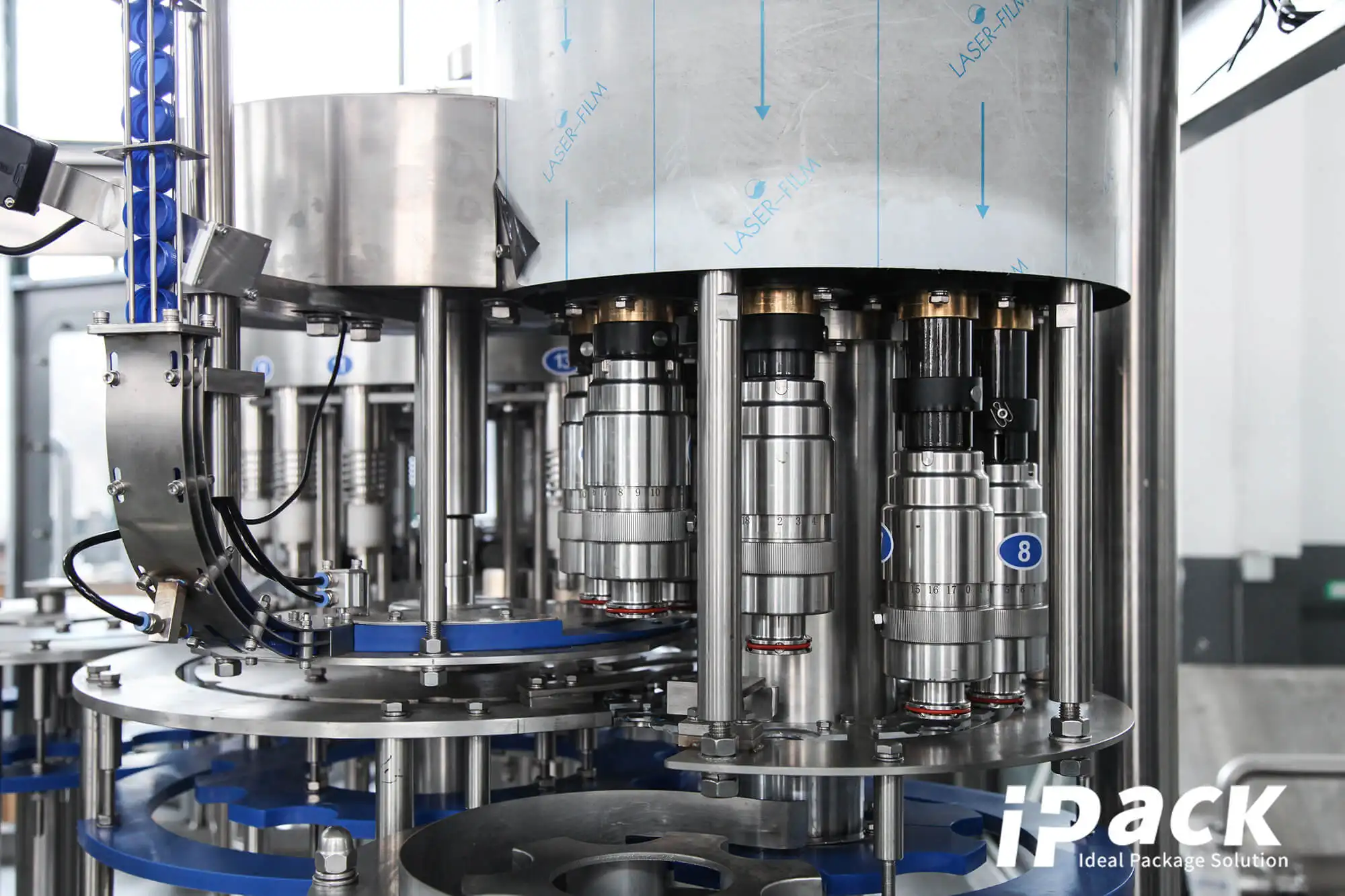
Integrated Clean-in-Place (CIP) Systems Built for Water Filling Machine Efficiency
Automated Clean-in-Place (CIP) systems eliminate manual disassembly by circulating precise cleaning solutions through all product-contact surfaces. This engineering-focused approach prevents cross-contamination while maximizing production uptime for water filling lines.
Automated CIP cycles with flow velocity optimization (>1.5 m/s) and temperature validation
When water flows through pipes at speeds above 1.5 meters per second, it creates enough force to scrub away stubborn biofilms that build up inside valves and piping systems. Pairing this mechanical cleaning effect with temperature-controlled cycles helps kill off harmful microorganisms effectively. Modern systems use built-in sensors to track both the flow characteristics (Reynolds numbers) and where heat is distributed throughout the network. These readings allow automatic adjustments to maintain optimal conditions. Engineers run various tests to make sure all areas get proper treatment, even those tricky spots around filler heads and along winding transfer lines where contamination risks tend to be highest.
Real-world impact: 62% less sanitation downtime and 99.97% microbial log reduction in certified facilities
Integrated automation reduces changeover windows by 62% compared to manual cleaning. Third-party verified facilities consistently achieve 99.97% microbial reductions post-CIP—directly correlating with fewer product recalls and higher operational efficiency. Thermal mapping confirms no temperature shadow zones exist in optimized designs.
Regulatory Alignment as a Design Foundation — FDA, EHEDG, and IP65K+ Requirements
Meeting international standards is really important when designing hygienic water filling machines. The Food and Drug Administration has very specific rules about what materials can touch food products, and the European Hygienic Engineering and Design Group sets standards for how easy equipment should be to clean based on its shape and how well it drains. Machines need to have IP65K+ protection ratings so their seals can handle the intense cleaning processes used in facilities. Dust and water just won't get inside then. Plants that follow all these guidelines tend to see around 40 percent fewer problems found during health inspections. When manufacturers build these regulations directly into their designs from the start, they actually create better equipment that doesn't hide bacteria in hard-to-reach spots and gets approved faster by quality control teams.
FAQ Section
What is a biofilm and why is it harmful in water filling machines?
A biofilm is a thin layer of microorganisms that adheres to surfaces. In water filling machines, biofilms can facilitate the growth of harmful bacteria, leading to contamination and potential health risks.
Why is AISI 316L stainless steel used in water filling machines?
AISI 316L stainless steel is preferred due to its corrosion resistance and ability to maintain a smooth surface that deters microbial adhesion, making it an ideal material for hygienic applications.
What is Clean-in-Place (CIP) and how does it enhance machine efficiency?
Clean-in-Place (CIP) systems automate the cleaning process without disassembly, providing comprehensive sanitation while maintaining production uptime, reducing cross-contamination risks, and optimizing operational efficiency.
How do automated CIP cycles contribute to microbial control?
Automated CIP cycles use optimized flow velocities and temperature validation to effectively remove biofilms and kill microorganisms, ensuring thorough cleaning and sanitation of the machines.
What standards are water filling machines required to meet?
Water filling machines must meet FDA guidelines for materials, EHEDG standards for cleanability, and IP65K+ protection ratings to ensure safety and compliance in hygienic design.