 EN
EN

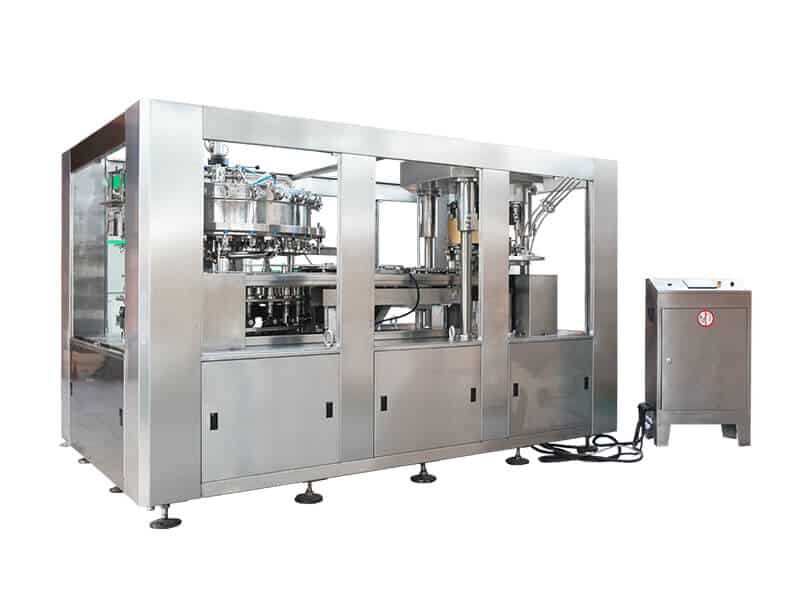
Beverage Filling Machine Market Size and Growth Forecast
Global market valuation and compound annual growth rate (CAGR) trends
In 2023, the worldwide market for beverage filling machines stood at around $4.09 billion according to industry reports. Experts predict this will climb steadily over the coming years, hitting approximately $5.27 billion by 2030 with an estimated annual growth rate of about 3.8%. Several factors are pushing this expansion forward. First off, there's been a noticeable uptick in automation technologies throughout manufacturing facilities. At the same time, new innovations keep emerging that make these machines smarter and more versatile. Plus, consumers across different markets want their products packaged efficiently whether it's bottled water, carbonated drinks, fruit juices or even alcohol based beverages. All these trends together create strong momentum for continued market development.
Historical performance and key growth drivers since 2020
The market really took off after 2020 when people started changing how they shop because of the pandemic, especially buying more packaged drinks at home. A few things are pushing this growth forward right now. First, companies are investing heavily in automated systems across their production lines. Second, there's been a huge spike in demand for bottled water and those specialty drinks with added vitamins or electrolytes. And third, manufacturers have made real progress in making their filling machines work faster while still being super accurate. All these improvements mean beverage makers can run their operations smoother than before and actually keep up with what consumers want these days.
Projected market value by 2025 with regional insights
Market forecasts indicate around $4.8 billion could be hit by 2025. Growth in Asia Pacific stands out because of rapid industrial expansion and increased drinking habits across major economies such as China and India where soft drinks and packaged beverages are becoming everyday staples. Meanwhile, folks in North America and Europe want better quality products and care more about eco-friendly options, driving up prices for premium goods there. Over in Latin America plus parts of Africa and the Middle East, we're seeing these areas slowly but surely become important players in the industry. Why? Well, different regions just don't develop at the same pace when it comes to money matters, what people actually buy, and how factories operate locally.
Automation, IoT, and AI Integration in Beverage Filling Machines
How automation is transforming beverage filling machine efficiency
Automation is significantly improving efficiency in beverage filling operations through robotic handling, precision sensors, and programmable logic controllers (PLCs). These technologies ensure consistent fill levels, reduce product loss, and allow higher throughput with fewer errors—directly supporting the industry’s need for faster, more reliable production.
IoT-enabled real-time monitoring and predictive maintenance
With IoT connectivity in place, manufacturers can now monitor temperature fluctuations, pressure changes, and production output in real time from anywhere they want. This means plant managers don't need to be physically present at the filling lines all day long. The predictive maintenance systems that come with these setups look through all that data to spot when parts start showing signs of wear before they actually fail. Some companies have seen their unexpected downtime drop around 20% after implementing such systems. And let's not forget about energy consumption either. Smart power management solutions are helping factories cut down on electricity usage too. A few industrial sites have reported saving roughly 15% on their energy bills since switching to these smarter systems.
AI-driven quality control and anomaly detection in production
AI makes quality control better by teaching machines to spot when things go off track from normal operations. The computer vision stuff is pretty cool too it looks at bottles and cans checking for cracks, wrong amounts of liquid inside, or anything gross stuck on them. This kind of inspection catches problems faster than people can with their eyes alone. What's really nice about these smart tools is they work as things happen, so bad products don't get through. They help cut down on wasted materials and keep everything tasting the same batch after batch. Plus, switching between different drinks like soda versus juice doesn't require rebuilding whole systems just minor tweaks here and there.
Balancing high initial costs with long-term ROI of smart systems
Smart filling machines definitely cost a pretty penny when first installed, but most companies find they pay off over time. The automation usually means production runs about 30 to 40 percent faster than traditional methods, and there's noticeably less product wasted during the process too, somewhere around 15 to 20% less. When factoring in savings from needing fewer workers on the line, lower electricity bills, and less frequent machine breakdowns, many beverage plants actually see their money back within just 18 to 24 months after installation. That kind of timeline has made these intelligent systems something most forward thinking producers are seriously considering these days.
Rising Demand for Packaged and Health-Oriented Beverages
Growth in global packaged beverage consumption
More people moving into cities, growing pockets of money to spend, and shifting habits have pushed up the world's appetite for drinks in packages. Industry reports suggest the packaging market will pick up speed over the next decade, clocking around 2.5% growth each year between now and 2035. What stands out most is how quickly products focused on wellness and functionality are catching on. As these trends continue, manufacturers find themselves needing better filling equipment that can manage all sorts of container shapes and sizes without compromising quality or how long products stay fresh on store shelves.
Consumer shift toward health, wellness, and functional drinks
People are getting more health conscious these days, which is changing what they drink. According to NIQ data from last year, almost half (46%) of folks now put their physical or mental well being first when choosing beverages. The result? A surge in popularity for things like probiotic drinks, plant based options, and those fancy fortified waters. But there's a catch here. Making these products requires special handling during production. Manufacturers need to deal with stuff like nitrogen flushing to preserve freshness, maintain exact temperatures throughout processing, and sometimes even go through aseptic procedures to keep everything clean. All these technical demands mean companies have had to invest in better, more advanced machinery just to stay competitive in this evolving market.
Impact of industry diversification on beverage filling machine demand
As more drinks hit the market these days like kombucha, cold brew coffee, and all sorts of health focused drinks, manufacturers are facing some pretty tough challenges when it comes to their filling equipment. The industry needs machines that can handle different types of liquids with varying thicknesses, carbonation levels, and work with various packaging options while still keeping up with production speeds. We're seeing this push towards flexibility driving real innovations in filling technology. Companies want systems that let them quickly switch between products as consumer preferences change month to month.
Innovations in High-Speed and Precision Filling Technologies
Advancements in high-speed filling for mass production
Modern filling systems now exceed 60,000 containers per hour while maintaining ±0.5% volume accuracy. Servo-driven mechanisms and real-time monitoring enable continuous calibration during operation, eliminating production pauses. These improvements have reduced changeover times by 40% compared to conventional systems, allowing faster adaptation to fluctuating market demands.
Aseptic filling technology and compliance with hygiene standards
Modern aseptic filling tech relies on hydrogen peroxide vapor for sterilization along with sterile air barriers that cut down microbes by nearly 99.99%. This creates those clean ISO 14644-1 Class 5 conditions needed inside the actual filling area. Most systems meet both FDA and EFSA requirements even when running at full production capacity. The built-in Clean-in-Place or CIP automation really makes a difference too. Plants report cutting their cleaning breaks almost in half with this feature, which means better uptime and more productive machines overall across different manufacturing settings.
Resolving the speed vs. accuracy challenge in modern filling lines
The old problem of choosing between fast processing or accurate results is no longer what it used to be thanks to new tech developments. Smart machine learning programs can actually check things like how thick the liquid is, what temperature it's at, and even how much carbon dioxide is present while the containers are being filled. These tiny adjustments happen on the fly, which means we get better accuracy rates around 30% higher than before all while keeping production speeds where they need to be. When combined with systems that predict when parts might fail, manufacturers see about half the unexpected stoppages they had previously. This means machines keep running smoothly most of the time, delivering reliable performance day after day.
Regional Expansion and Sustainability Trends in the Beverage Filling Industry
Emerging market growth in Asia Pacific, Latin America, and MEA
Asia Pacific, Latin America, and the Middle East & Africa represent the fastest-growing markets for beverage filling machines. Rising disposable incomes, expanding food and beverage industries, and investments in local production facilities are driving demand. Infrastructure development and supportive economic policies further accelerate adoption of automated solutions in these regions.
Sustainable manufacturing and eco-friendly beverage filling solutions
The sustainable packaging market is expected to hit around $217 billion by 2032 according to Fortune Business Insights report from last year. As this grows, companies are focusing more on making their operations greener through better energy efficiency, cutting down on water consumption, and ensuring products work well with recycled materials. Many new filling machines now come equipped with water recycling capabilities and systems that recover wasted energy during operation. These updates help meet stricter environmental standards while also responding to what customers want these days about eco friendly manufacturing processes across the industry.
Regulatory compliance and case study: Zhangjiagang Ipack Machine Co Ltd
Meeting regulations isn't just good business practice in the beverage filling sector it's becoming a real edge over competitors. Take Zhangjiagang Ipack Machine Co Ltd for instance. They've built their machines with water recycling systems and energy recovery features right from the design phase. This means their equipment passes those tough global safety checks while cutting down on waste. And here's the kicker these green innovations actually save money in the long run. Companies that adopt such practices find themselves ahead of the curve when it comes to both new product development and bottom line results. Sustainability isn't just buzzword anymore it's turning into serious business strategy.
FAQ Section
What is the projected growth rate of the beverage filling machine market?
The beverage filling machine market is expected to grow at an annual rate of about 3.8%, reaching approximately $5.27 billion by 2030.
What are the current trends driving demand for beverage filling machines?
The current trends include increased automation in manufacturing, rising demand for packaged and health-oriented beverages, and innovations in high-speed and precision filling technologies.
How is IoT impacting the beverage filling machine industry?
IoT allows real-time monitoring and predictive maintenance, leading to reduced downtime and improved efficiency in beverage filling operations.
What regions are experiencing the fastest growth in the beverage filling machine market?
Asia Pacific, Latin America, and the Middle East & Africa are the fastest-growing regions due to rising disposable incomes, expanding industries, and supportive economic policies.
Table of Contents
- Beverage Filling Machine Market Size and Growth Forecast
- Automation, IoT, and AI Integration in Beverage Filling Machines
- Rising Demand for Packaged and Health-Oriented Beverages
- Innovations in High-Speed and Precision Filling Technologies
- Regional Expansion and Sustainability Trends in the Beverage Filling Industry
- FAQ Section