 EN
EN

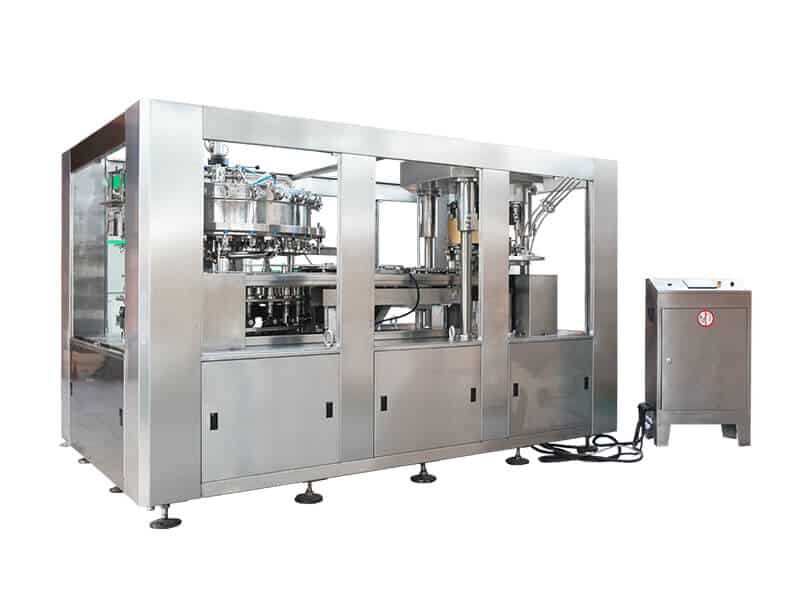
Inconsistent Fill Levels in Beverage Filling Machines: Causes and Calibration for Precision
Understanding the causes of inconsistent fill levels in beverage filling machine
When beverage filling machines produce inconsistent fill levels, it usually comes down to three main problems: trapped air bubbles in the product line, incorrect machine settings, or parts that have simply worn out over time. Such inconsistencies lead to either giving away too much product or underfilling containers, and this kind of waste can cut into production efficiency quite significantly. Some maintenance reports suggest losses around 30% in certain cases. Air bubbles are especially troublesome for carbonated drinks since they take up space that should be filled with liquid. Meanwhile, when machines aren't properly calibrated anymore, small errors build up over successive production runs until what starts as a minor issue becomes a major problem affecting entire batches.
How sensor calibration and faults impact fill accuracy
Getting flow meters and level sensors properly calibrated is really important for keeping fill levels accurate enough for most applications. If these sensors start acting up or drift out of their proper settings, they send wrong information to the control system which means containers might get filled too much or not enough. Checking them regularly against standard reference points matters a lot because small errors here can actually cost companies tons of product when running at scale on big production lines. Some manufacturers have started using automatic calibration systems instead of doing it manually, and early results show around a 22 percent improvement in consistency between different batches.
Adjusting pump or pressure settings for consistent flow rates
Getting those flow rates right means adjusting pump speeds and pressure settings according to what's actually being filled. Thin drinks like soda or juice generally work best at higher speeds with little resistance, but things get trickier with thicker products. These need slower filling speeds combined with more pressure so containers fill completely without making a mess. Most experienced line workers know this already they've seen how viscosity affects everything from start to finish. There's basically a standard pattern here that makes sense once you understand it, which is why most plants keep charts posted near their filling stations. This helps maintain quality control even when switching between different products throughout the day.
Trend analysis: Smart sensors reducing inconsistent fill incidents by 40% industry-wide
Smart sensors combined with real time data analysis are making a big difference in how consistently drinks get filled throughout the beverage sector. The latest equipment keeps an eye on fill levels all day long and makes automatic tweaks when things change because of temperature shifts, different liquid thicknesses, or just normal machine wear and tear. According to industry reports, companies that installed these smart sensor setups saw around 40 percent fewer problems with inconsistent fills. Plus they wasted between 18 to 25 percent less product overall. For drink makers, this means real money saved and better quality products going out the door without all those annoying overfills or underfills that used to happen so often.
Leakage and Nozzle Dripping in Beverage Filling Machines: Diagnosing and Preventing Fluid Loss
Leakage and nozzle dripping in beverage filling machines cause product loss and hygiene risks. Common sources include clogged nozzles and worn seals. These issues require prompt service to maintain operational efficiency.
Common sources of leakage & nozzle dripping in beverage filling machine
When nozzles start dripping, it usually means something's wrong with the gaskets or maybe the valves aren't closing properly. These parts just get worn out after all that constant use and eventually stop making that good tight seal they need to keep everything leak free. Maintenance folks should check those gaskets, O rings, and seals on a regular basis, particularly where machines run at high speeds all day long. Industry data shows that around two thirds of all leaks in bottling facilities come from old worn out seals according to recent plant maintenance records. Don't underestimate those little drips either because they add up fast and not only waste product but also create sticky messes that make cleaning harder and slower.
Role of valve wear and seal degradation in dripping or leaking nozzles
When valves start to wear down, they affect how well they seal and control fluids. This is especially true for nozzle check valves where internal leakage happens as the sealing surfaces break down over time, letting fluid flow backward when it shouldn't. From what we've seen during pressure tests, old valves with worn seats tend to have around 15 to maybe even 20 percent more pressure loss than brand new ones. Checking valve bodies and discs regularly can catch problems like corrosion or cracks before they turn into actual leaks. Some plants use thermal imaging cameras while others rely on listening devices to spot early signs of wear. These methods work pretty well but require trained personnel to interpret the results correctly.
Strategy: Implementing quick-disconnect nozzles to minimize post-fill drip
Quick disconnect nozzles cut down on those annoying drips after filling thanks to how they separate cleanly from containers. What these systems actually do is spend less time in that tricky pressure zone where most nozzles start leaking. Some field tests indicate around a third less fluid gets wasted when using quick disconnects instead of old school fixed nozzles. Another big plus? The seals can be swapped out super fast without needing any special tools, which means half as much downtime for maintenance work. Plus, keeping things sealed tight helps maintain proper sanitation levels throughout operations, making everyone's job easier in the long run.
Foaming, Jamming, and Blockages: Maintaining Smooth Filling Cycles in Beverage Filling Machines
Why product foaming during fill disrupts filling cycles
Foam creation during filling remains one of those pesky problems that really messes with production efficiency and accuracy rates. Basically, when bubbles start forming, they push out actual liquid from containers, resulting in incomplete fills that just don't pass inspection standards. What happens next? The whole line either grinds to a halt or needs someone to jump in manually, which creates all sorts of delays and drops the overall equipment effectiveness numbers we track so closely. This gets especially bad with things like soda drinks and milk products because their nature just makes them prone to foaming up when moving at speed through automated systems. Anyone who works on these lines knows how frustrating it can get watching good products go to waste simply because of this stubborn foam problem.
Effect of product viscosity and temperature on filling precision
The way product viscosity interacts with temperature creates all sorts of challenges when it comes to getting accurate fills. Think about thick stuff like syrups or concentrated solutions they literally move slower through equipment, which means longer fill times. If machines aren't set properly, these products often end up leaving behind residue or not filling completely. And don't get me started on temperature changes. Even a small shift of around 5 degrees Celsius can make a huge difference in how viscous something gets. Some drinks will change their consistency by nearly 30% with such minor temperature swings, leading to totally different flow rates despite everything else staying the same. This issue hits especially hard with products sensitive to heat, such as chocolate based beverages or fresh fruit juices. Keeping temperatures stable isn't just good practice it's practically mandatory if manufacturers want to maintain consistent quality while ensuring proper filling across batches.
Solution: Vacuum-assisted filling to reduce foaming in carbonated beverages
Vacuum assisted filling tech has become pretty much standard across the beverage industry when it comes to managing those pesky foam issues in carbonated drinks. What happens here is the system creates a sort of vacuum inside containers as they get filled, which cuts down on how much dissolved CO2 escapes and causes all that unwanted foam. According to folks who actually run production lines, these vacuum systems cut down on foam related slowdowns by around 70 percent or so, and keep carbonation levels really close to what they should be, usually within about 0.2 volumes. The whole thing works because it controls pressure differences very carefully, so bottles and cans can be filled quicker without all the turbulence that normally makes carbonated liquids go crazy and form bubbles everywhere during regular atmospheric filling methods.
Analyzing incorrect bottle positioning or jams during operation
Getting bottles positioned wrong leads to all sorts of headaches down the production line, sometimes bringing everything to a grinding halt. Even a tiny misalignment of just 3 millimeters can mess up how filling nozzles work, resulting in spills that make floors slick and cause containers to tumble off their tracks. Misaligned bottles create trouble spots during transfers between conveyor belts too. Plastic bottles get squished and glass ones crack at these transition points. Most breakdowns happen where the production line goes up or down levels, especially around those guide rail connections between different sections of the plant. When parts start wearing out beyond their 0.5mm tolerance range, things really start going wrong.
How conveyor misalignment leads to machine jamming
Misaligned conveyors are probably the number one mechanical issue causing production stoppages during beverage filling processes. If the chains or belts get off track even just a couple millimeters, bottles start moving at odd angles along the line. These small deviations build up over distance, leading to serious positioning problems down the line. What happens next? Bottles crash into fixed parts such as guide rails or where sensors are mounted. This contact creates friction that builds up until nothing moves anymore. Things get really bad when different conveyor segments connect because what starts as minor misalignment in one section gets worse through each connected part. Eventually this leads to total system lockup and forces plant managers to hit the emergency stop button.
Preventive strategy: Real-time vision systems correcting bottle placement
Vision systems are changing how we approach preventive maintenance in production lines by spotting and fixing bottle placement problems long before they lead to costly jams. The latest models come equipped with super fast cameras that snap pictures at around 1,000 frames every second, capable of catching even tiny issues like bottles that are just slightly out of position or oddly shaped. Once something looks wrong, these smart systems kick into action, using air-powered pushers or spinning platforms to nudge containers back into place while they're still moving along the conveyor belt. Many newer setups now mix infrared scanning with clever machine learning tech that gets better over time as it learns from past mistakes. This combination has really cut down on errors, with most facilities reporting fewer than one bad call for every thousand containers that pass through.
Machine Stoppages and Electrical Faults in Beverage Filling Machines: Ensuring Operational Continuity
Diagnosing Machine Not Starting or Sudden Stops in Beverage Filling Machine
If a beverage filling machine won't start up or keeps stopping unexpectedly, first check whether there's actually power getting to the unit. Look around for any tripped circuit breakers that might have shut things down. Safety interlocks are another common culprit here too. These include door switches, emergency stop buttons, and those little sensors on guards that detect when something is out of place. A lot of times machines just stop working because one of these safety features gets triggered accidentally or starts acting up. Other issues that can prevent startup include loose wires somewhere in the system, motor brushes that have worn down over time, or problems with the control boards themselves. When troubleshooting these kinds of issues, it helps to take things step by step. Make sure we're dealing with a real problem first, then figure out what exactly went wrong. Once we know the cause, fix whatever needs fixing. After making repairs, test everything again to see if things work properly now. And don't forget to put some kind of plan in place so similar problems don't happen again later on.
Electrical Faults and Safety Interlock Triggers as Primary Causes
Around 35% or so of unexpected shutdowns in beverage filling operations come down to electrical problems. The usual suspects? Contactors running too hot, messed up phase sequences, and those annoying voltage swings that throw off motor timing. Safety interlocks meant to keep workers safe often end up stopping production when they get out of whack or pick up dirt. We've seen cases where a door sensor just a hair out of position triggers false alarms about someone being in the machine area, which brings everything to a grinding halt. Keeping an eye on those electrical connections makes sense, as does checking how those safety switches actually work. Some plants install phase monitoring relays these days. These gadgets spot electrical imbalances automatically and fix them before they cause real trouble, cutting down on lost time from power issues.
Controversy Analysis: Over-Reliance on Automation Without Manual Override Protocols
There's been quite a discussion lately about finding the right mix between automation efficiency and keeping things flexible enough to handle real world problems. Automated systems definitely boost precision, but if companies rely too heavily on them without proper manual override options, it can lead to bigger headaches when something goes wrong. Take sensor failures or software hiccups for example. Operators often find themselves stuck waiting for someone to fix the problem because there aren't clear ways around these issues. Many people in the field complain that strict automation makes troubleshooting harder since techs have to wrestle with complicated interfaces instead of just fixing what's broken. On the flip side, supporters point out that newer systems with smart manual controls like maintenance modes or local override switches actually cut down on human mistakes while still letting workers step in when needed. Most experts agree that mixing intelligent automation with well-placed manual overrides creates the safest setup possible, especially when dealing with unexpected electrical problems or control system malfunctions.
Hygiene, Capping, and Preventive Maintenance for Long-Term Reliability
CIP (Clean-in-Place) Failures Leading to Microbial Buildup
Problems with CIP systems are among the biggest threats to hygiene in beverage filling operations. If those automatic cleaning cycles get interrupted or done wrong, leftover sugars, proteins, and other organic stuff basically invite microbes to move in and set up shop. Industry research points to something pretty alarming - about two thirds of all contamination issues in beverage plants come down to poor CIP practices. What makes this so dangerous is how hard it is to spot problems inside those complex fluid paths. Microbial growth builds up silently until suddenly生物膜 starts suffering. For anyone running these operations, checking those key CIP factors regularly matters a lot. We're talking about things like making sure temperatures reach proper levels, chemicals are at right concentrations, and water flows fast enough. Without consistent monitoring, those stubborn biofilms just keep growing cycle after cycle.
Best Practices from Industry Leaders on Sanitation Cycles
Most top manufacturers suggest breaking down sanitation into several stages that work together chemically, thermally, and mechanically. A good cleaning process usually starts with rinsing away big chunks of dirt first, then moves on to alkaline solutions for breaking down organic stuff. After that comes acid treatment to stop mineral buildup, and finally antimicrobial products to kill off any remaining germs. According to recent studies, plants that stick to proper cleaning schedules cut down on contamination problems around 75-80% better than places where workers just clean when they feel like it. Keeping records of these procedures makes sense too. Regular ATP tests help track whether hygiene levels stay consistent throughout different shifts at the facility.
Root Causes of Capping & Sealing Issues After Filling
Most problems with capping and sealing come down to three main issues: how caps are applied, container specs, and what kind of product is being sealed. When cap chutes get misaligned, gripper jaws wear out over time, or torque settings are off, these account for around 45% of all sealing problems on production lines. Containers themselves throw another wrench into things because even small differences in thread profiles or mouth finishes make it hard to keep seals consistent across batches. Carbonated drinks are especially tricky since the pressure inside can actually push the cap loose over time if the sealing surfaces don't fit just right. Looking at actual plant data, almost 30% of rejected packages end up back on the line because there wasn't enough compression when applying those seals during the capping operation.
Mismatched Torque Settings and Cap Deformation Risks
Getting torque calibration wrong walks a tightrope between two problems: if it's too loose, seals won't hold properly, but crank it up too much and the cap itself gets damaged. When there's too much force applied, we see things like stress marks on the plastic, stripped threads, and those tamper bands snapping off completely. On the flip side, not enough torque means the liner inside just doesn't compress enough to create a good seal. Studies show when torque settings drift more than 10% either way from what's specified, around 22% of carbonated drinks end up with failed seals. This becomes even trickier with today's lighter plastic caps since they simply can't handle the same range of torque fluctuations as older designs. That's why most plants run regular checks on their capping machines with proper calibration tools. Keeping those application forces consistent across an entire production batch makes all the difference in quality control.
Integrated Quality Check: Combining Fill-Level and Seal Verification
Today's quality assurance setups are putting together vision inspection, weight checks, and torque monitoring all under one roof as part of their quality control checkpoints. When these systems work together, they check things like how full containers are, whether caps are properly applied, and if seals hold up before moving onto the labeling stage. Plants that have adopted this combined approach see about half as many complaints related to packaging issues compared to facilities still using individual testing spots. Best-in-class operations actually use statistical process control methods to keep an eye on how everything is performing over time. And when something starts drifting close to acceptable limits, these smart systems tweak machine settings automatically without waiting for problems to happen. This kind of forward thinking keeps small inconsistencies from turning into big headaches down the production line.
Scheduled Part Replacement vs. Condition-Based Monitoring
Maintenance practices are changing these days. Instead of replacing parts at set intervals regardless of their actual condition, many facilities are turning to condition-based monitoring through sensors and performance tracking. The old way of doing things often meant throwing away good parts just because the calendar said so, while other critical components were left until they failed completely. Modern techniques like vibration checks, heat scans, and oil quality tests let technicians spot problems long before breakdowns happen. According to industry reports, companies adopting this approach typically see around 35% less need for spare parts inventory and get about 28% better uptime from their equipment compared to those sticking with traditional monthly or weekly maintenance plans. Some of the top systems even incorporate machine learning models that look at all sorts of sensor inputs together, giving maintenance staff heads up on potential issues weeks ahead of time when action can still make a difference.
Comprehensive Checklist for Peak Performance
Maintenance checklists that cover all bases from those tricky infeed starwheels right through to the discharge conveyors make a real difference in plant operations. What should be checked? Well, looking at nozzle wear is important, making sure valve seats aren't damaged, verifying that cap hoppers are properly aligned, and measuring how tight those conveyor belts actually are. Plants that stick to these detailed checklists tend to see about half as many unexpected shutdowns compared to what they used to experience, plus equipment lasts roughly 30% longer before needing repairs. The best ones have gone digital now, complete with pictures showing what good parts look like versus when they're starting to wear out. This helps everyone evaluate things consistently no matter who's doing the maintenance work. These digital tools also help train new staff faster and keep standards uniform across different production areas within the same facility.
Trend: Predictive Analytics Reducing Unplanned Downtime by 50%
Beverage filling machines are getting much more reliable thanks to predictive maintenance tech that combines smart analytics with internet connected sensors. These systems look at past performance records alongside current sensor data to spot potential problems before they happen. Most accurate predictions come around 85% of the time, sometimes spotting issues as far ahead as 30 days. Real world numbers tell us something interesting too. Plants that have adopted this approach typically cut down on unexpected stoppages by about half and save roughly a quarter on their maintenance bills during the first year alone. As machine learning keeps evolving, we're seeing even better results. Some newer systems will actually create service tickets and order spare parts automatically long before anything breaks down, which saves both time and money for plant managers dealing with tight schedules.
FAQ Section
What causes inconsistent fill levels in beverage filling machines? Inconsistent fill levels are often caused by trapped air bubbles, incorrect machine settings, or wear and tear of machine parts over time.
How can sensor calibration improve fill accuracy? Proper sensor calibration ensures correct flow meter and level sensor readings, preventing errors in fill levels caused by inaccurate sensor feedback.
Why do nozzles drip or leak during filling? Nozzles drip due to worn gaskets, seals, or faulty valves that fail to create a tight seal, leading to leakage and inefficient filling processes.
How can quick-disconnect nozzles help reduce post-fill drip? Quick-disconnect nozzles minimize post-fill dripping by allowing easy removal and replacement of seals, reducing downtime and fluid waste.
Table of Contents
- Inconsistent Fill Levels in Beverage Filling Machines: Causes and Calibration for Precision
- Leakage and Nozzle Dripping in Beverage Filling Machines: Diagnosing and Preventing Fluid Loss
-
Foaming, Jamming, and Blockages: Maintaining Smooth Filling Cycles in Beverage Filling Machines
- Why product foaming during fill disrupts filling cycles
- Effect of product viscosity and temperature on filling precision
- Solution: Vacuum-assisted filling to reduce foaming in carbonated beverages
- Analyzing incorrect bottle positioning or jams during operation
- How conveyor misalignment leads to machine jamming
- Preventive strategy: Real-time vision systems correcting bottle placement
- Machine Stoppages and Electrical Faults in Beverage Filling Machines: Ensuring Operational Continuity
-
Hygiene, Capping, and Preventive Maintenance for Long-Term Reliability
- CIP (Clean-in-Place) Failures Leading to Microbial Buildup
- Best Practices from Industry Leaders on Sanitation Cycles
- Root Causes of Capping & Sealing Issues After Filling
- Mismatched Torque Settings and Cap Deformation Risks
- Integrated Quality Check: Combining Fill-Level and Seal Verification
- Scheduled Part Replacement vs. Condition-Based Monitoring
- Comprehensive Checklist for Peak Performance
- Trend: Predictive Analytics Reducing Unplanned Downtime by 50%
- FAQ Section