 EN
EN

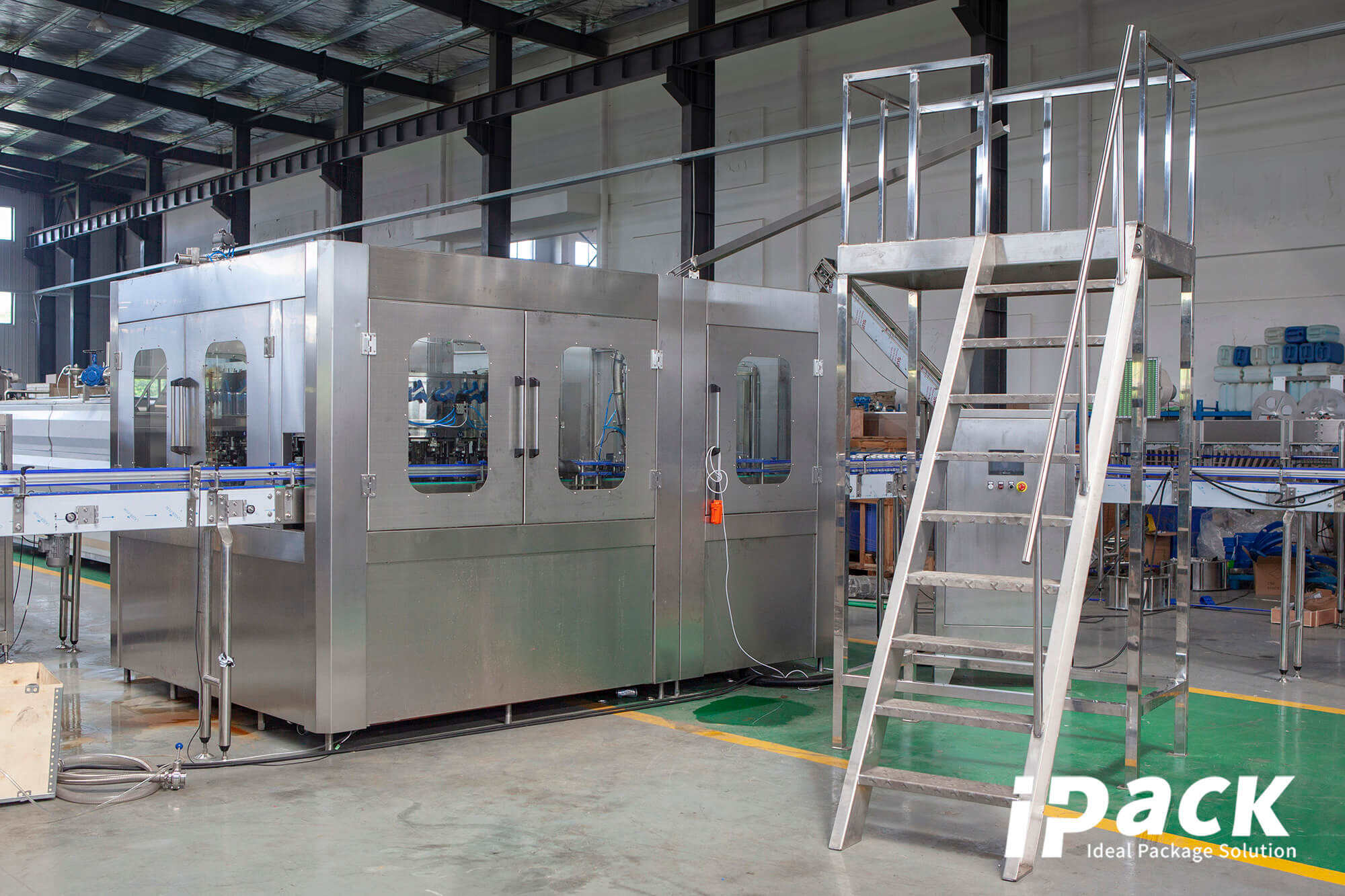
Daily Maintenance for Optimal Beverage Filling Machine Performance
Conducting visual inspections of critical components
Begin each shift with a comprehensive visual inspection of nozzles, valves, seals, and conveyor mechanisms. Look for signs of wear, corrosion, loose connections, or foreign debris that could compromise operation or product quality. Facilities implementing daily inspections experience 40% fewer unplanned downtime events, according to industry standards.
Cleaning nozzles, valves, and contact surfaces to prevent contamination
After each production run, clean all product contact surfaces using food-grade solutions to prevent cross-contamination and residue buildup. Focus on hard-to-reach areas where deposits can affect filling accuracy and hygiene. Proper cleaning reduces microbial contamination risks by up to 85%.
Checking for leaks, drips, or unusual noises during operation
Monitor the machine during operation for leaks at connection points and fluid pathways, as well as abnormal sounds like grinding or squealing. These often signal bearing wear, misalignment, or seal failure. Early detection helps maintain performance and prevents escalation into major mechanical issues.
Lubricating moving parts to reduce friction and wear
Apply manufacturer-recommended lubricants to chains, bearings, and pneumatic components at specified intervals. Regular lubrication reduces mechanical wear by up to 60% and extends component life by approximately 30%. Avoid over-lubrication, which can attract contaminants and increase maintenance demands.
Confirming calibration and fill accuracy at startup
Verify fill volume accuracy at the start of each shift by measuring filled containers against target specifications, typically within ±1% tolerance. Daily calibration checks prevent about 75% of filling inaccuracies. Document results to support quality control and identify trends indicating potential equipment adjustments.
Weekly & Monthly Maintenance of Beverage Filling Machines
While daily routines sustain immediate performance, weekly and monthly tasks ensure long-term reliability through deeper system evaluation and proactive component management.
Inspecting Conveyor Belts and Alignment for Smooth Operation
Check conveyor belt tension and alignment weekly. Misalignment causes jams and uneven container flow, while improper tension accelerates motor and bearing wear. Look for fraying, cracking, or surface degradation that may lead to unexpected failures.
Evaluating Wear Parts Like O-Rings and Gaskets for Early Replacement
Inspect sealing components monthly for swelling, cracking, or compression set due to chemical exposure and pressure cycles. Replacing these before failure prevents leaks, product loss, and sanitation breaches.
Testing Sensor Responsiveness and Cleaning Scale Units
Weekly, verify photoeyes, proximity sensors, and fill level detectors for proper function—dust or misalignment can trigger false stops or underfills. Clean scale units carefully to maintain weighing accuracy within ±1 gram, ensuring consistent fills and regulatory compliance.
Assessing Pump Efficiency and Identifying Blockages in Fluid Pathways
Monthly, evaluate pump performance by monitoring flow rates and pressure consistency. A 10% drop in efficiency may indicate internal wear or blockages. Inspect inlet screens and fluid lines for debris that restricts flow across multiple filling heads.
Flushing and Sanitizing Internal Lines to Maintain Hygiene Standards
Perform chemical flushing weekly to remove protein residues and mineral deposits. Follow with monthly full-system sanitization using food-grade agents to eliminate microbial growth in hidden zones. According to the 2024 Beverage Processing Standards, this approach reduces contamination risk by up to 85% compared to reactive cleaning.
Monitoring Pressure Differentials and Flow Consistency
Check pressure differentials across filters and valves weekly to detect clogs or declining performance. Deviations exceeding 15% from baseline should prompt investigation. Consistent flow ensures uniform fill heights and minimizes product waste from overfilling.
Annual Calibration & Performance Check for Beverage Filling Machines
Annual maintenance ensures sustained precision, reliability, and compliance through comprehensive system validation and strategic part replacement.
Performing system-wide calibration of sensors, scales, and nozzles
Calibrate load cells, proximity sensors, and flow meters annually using certified reference standards to achieve ±0.5% fill accuracy. Use traceable weights and graduated containers, documenting all adjustments for audit purposes. This process reduces product giveaway by an average of 3–7%, supporting regulatory compliance and cost efficiency.
Replacing high-wear components to prevent unexpected downtime
Replace valve seals, piston rings, and O-rings based on manufacturer guidelines and operational hours. High-speed rotary fillers typically need seal replacements every 6–12 months; gravity systems may last 18–24 months. Facilities that follow planned replacement schedules avoid downtime incidents costing $5,000–$15,000 each on average.
Validating machine performance against manufacturer benchmarks
Run full-speed tests with actual products and containers to confirm the machine meets OEM specifications. Measure fill accuracy across all heads, test handling at maximum speed, and assess sealing integrity. Record cycle times, changeover efficiency, and rejection rates to establish performance baselines and guide future upgrades.
Standardized Preventive Maintenance Schedule for Beverage Filling Machines
Developing a documented maintenance plan for consistent execution
Create a clear, task-specific maintenance schedule outlining responsibilities, frequencies, and procedures. A structured plan ensures consistency across shifts and significantly improves equipment uptime—facilities using formal schedules report 45% less unplanned downtime than those relying on reactive repairs.
Using manufacturer-approved replacement parts for reliability
Source replacement components only from the original equipment manufacturer or authorized distributors. These parts meet exact engineering tolerances and testing protocols, ensuring compatibility, reliability, and continued warranty protection—advantages generic alternatives cannot guarantee.
Maintaining detailed logs for compliance, audits, and traceability
Keep thorough records of all maintenance activities to support regulatory compliance with FDA, NSF, and SQF standards. Logs also provide audit trails, help diagnose recurring issues, and supply data for performance analysis and continuous improvement initiatives.
Standardizing maintenance documentation across shifts and teams
Implement uniform checklists, digital reporting tools, and consistent terminology so all personnel follow the same procedures regardless of shift. Standardization eliminates variability, supports seamless handoffs, and creates a single source of truth for your machine’s maintenance history.
Operator Training for Beverage Filling Machines
Training staff on proper cleaning, lubrication, and part replacement
Equip operators with skills in daily maintenance tasks such as nozzle cleaning, correct lubrication application, and safe replacement of common wear items like O-rings and gaskets. Trained operators contribute directly to equipment care, helping maintain performance across shifts. Facilities with formal training programs see 40% fewer unplanned outages.
Empowering operators to identify anomalies before major failures
Train operators to recognize early warning signs—such as unusual noises, vibrations, pressure fluctuations, or inconsistent fills—that precede breakdowns. Those skilled in anomaly detection identify 85% of developing issues during routine operations, reducing emergency repair costs by up to 60% annually and extending equipment lifespan.
FAQ Section
What is the purpose of daily maintenance for beverage filling machines?
Daily maintenance ensures that beverage filling machines operate smoothly by addressing immediate issues such as wear, leaks, and cleanliness, thus preventing unplanned downtime.
Why are visual inspections important?
Visual inspections help identify wear, corrosion, loose connections, or debris that could hinder operation or product quality. Routine checks reduce unplanned downtime by 40%.
How often should lubrication be performed?
Lubrication should be performed at specified intervals recommended by the manufacturer to prevent wear and extend component life, avoiding over-lubrication which can attract contaminants.
What are the benefits of operator training?
Operator training empowers staff to carry out routine maintenance and detect anomalies early, reducing emergency repairs and unplanned outages by up to 40%.
How does weekly flushing contribute to machine hygiene?
Weekly chemical flushing removes residues and deposits, maintaining hygiene standards and reducing contamination risks by up to 85%.
Table of Contents
- Daily Maintenance for Optimal Beverage Filling Machine Performance
-
Weekly & Monthly Maintenance of Beverage Filling Machines
- Inspecting Conveyor Belts and Alignment for Smooth Operation
- Evaluating Wear Parts Like O-Rings and Gaskets for Early Replacement
- Testing Sensor Responsiveness and Cleaning Scale Units
- Assessing Pump Efficiency and Identifying Blockages in Fluid Pathways
- Flushing and Sanitizing Internal Lines to Maintain Hygiene Standards
- Monitoring Pressure Differentials and Flow Consistency
- Annual Calibration & Performance Check for Beverage Filling Machines
- Standardized Preventive Maintenance Schedule for Beverage Filling Machines
- Operator Training for Beverage Filling Machines
- FAQ Section