 EN
EN

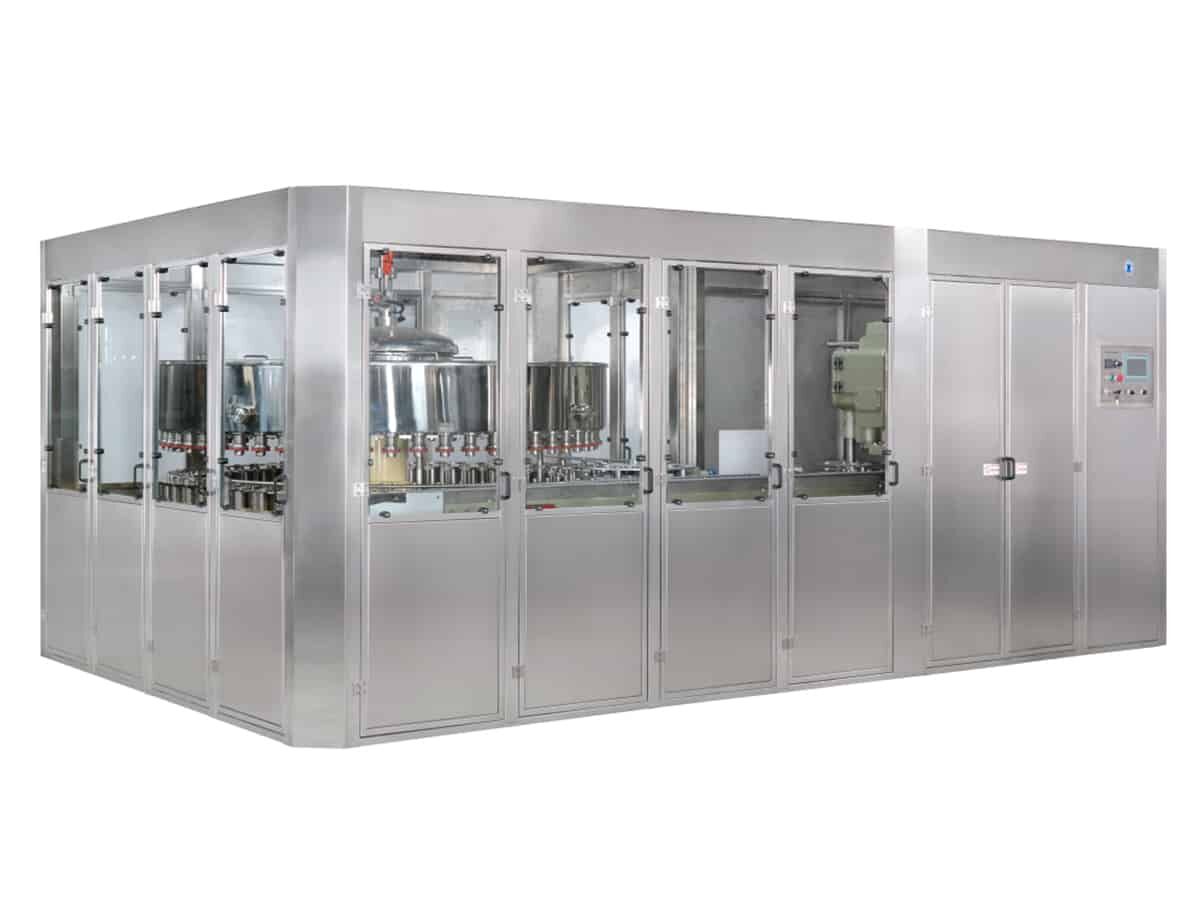
IoT-Driven Monitoring and Real-Time Control in Beverage Filling Machines
How IoT enables real-time monitoring and level sensing in filling processes
The Internet of Things is changing how beverage filling machines work because it lets manufacturers monitor everything continuously in real time. Sensors built into these machines keep tabs on important stuff like how much liquid gets filled, the temperature inside, and pressure readings throughout the process. All this information goes to central computers where people can look at it right away. Operators spot problems early before they actually mess up production runs. The result? More accurate fills across the board, less wasted product sitting around, and better ways to plan when machines need fixing. According to industry numbers we've seen, factories using IoT monitoring systems report cutting down on equipment downtime almost half the time. That means smoother operations overall and saving money in the long run for companies big and small.
Transforming traditional operations with connected beverage filling machines
Beverage filling equipment that connects digitally is transforming how traditional bottling operations work. These systems let plant staff check production stats in real time and tweak machine parameters no matter where they happen to be, which cuts down on the need for someone to physically stand watch over every process. When hooked up properly to company-wide management software, there's full transparency from when ingredients arrive at the facility all the way through to final packaging. The result? Workflows get smoother as less hands-on adjustment is needed. Plants become more adaptable too since managers base their choices on actual current conditions instead of waiting for those weekly reports that always seem outdated by the time they land on desks.
Case study: Smart IoT-integrated systems implementation
One major player in packaging equipment recently rolled out smart beverage filling systems connected to the Internet of Things. These systems come packed with real time monitoring capabilities, allow for remote troubleshooting, and can predict when parts might need attention. The technology works by gathering all sorts of operational information and crunching the numbers to spot issues before they become big problems. For instance, it catches subtle changes in how components are performing long before any actual breakdown happens. What we've seen from this implementation is pretty impressive improvements in both production speed and final product consistency. The increased transparency combined with automated controls makes these machines much more dependable while cutting down on those frustrating unexpected shutdowns that plague many high volume bottling operations across the industry.
AI-Powered Precision and Quality Control in Bottling Lines
Enhancing accuracy with AI integration in beverage filling machine operations
AI takes beverage filling to another level by looking at live sensor info and keeping those fill levels spot on even when things get tricky with different liquid thicknesses and temperature swings. The machine learning stuff behind it all works quietly in the background, tweaking nozzle settings and flow speeds so everything stays accurate within half a percent without anyone needing to step in. What makes these systems really stand out is how they fix themselves as they go along. They keep getting better over time while cutting down on wasted product and making sure every bottle comes out just right. For big scale operations where quality matters most, this kind of smart automation can make all the difference between good enough and truly exceptional results.
Computer vision and AI sensors for real-time defect and fill-level detection
Computer vision systems powered by artificial intelligence have revolutionized quality control on manufacturing lines. These setups check containers as they move along production belts, relying on sharp cameras and complex neural network algorithms. The tech can scan hundreds upon hundreds of product images every minute, spotting problems like crooked labels, foreign particles inside, or when products aren't filled properly down to fractions of a millimeter. Some setups even incorporate infrared tech that looks right through glass or plastic walls to gauge how much liquid is actually inside each container without opening them up. When something goes wrong, bad items get kicked out of the line automatically. At the same time, the system sends instant updates back to filling machines so adjustments happen before too many defective products get made.
Balancing innovation and workforce readiness in AI adoption
Bringing AI into quality control means companies need to think differently about their workforce. Sure, automation cuts down on the need for people to check products by hand, but it creates entirely new jobs where workers watch how well the AI is doing, figure out what those red flags really mean, and handle situations when things go off track. Getting this right takes time spent teaching current staff how to work with all these digital tools while also helping them adapt to changing workflows. Factories that put real money into training programs see better results overall. Their teams move through transitions without major hiccups, stay flexible when problems pop up, and actually feel valued as contributors to smarter manufacturing processes instead of being replaced by machines.
Predictive Maintenance and Downtime Reduction Using AI and Machine Learning
AI-driven predictive maintenance in beverage filling machine systems
The integration of AI and machine learning is changing how maintenance works for filling machines through analysis of live sensor data that spots problems before they become serious failures. These systems keep track of all sorts of factors like vibrations, pressure levels, and how motors perform, building what we call baseline readings for normal operations while catching even small changes that might indicate trouble ahead. Maintenance crews then get a chance to fix things before they break down completely, usually during planned maintenance periods when production isn't running at full speed. Some of these smart systems can actually predict potential problems as much as three days before they occur, giving plant managers plenty of time to schedule repairs without disrupting manufacturing schedules or risking premature wear on expensive equipment.
Leveraging machine learning to anticipate failures and optimize uptime
As machine learning models process both past maintenance logs and real-time operational data, they start to spot patterns that people might miss entirely. Think about things like slow equipment wear or strange performance spikes that nobody would catch during routine checks. When these systems can predict when parts are likely to fail, maintenance teams don't have to guess anymore. They can schedule repairs right before problems happen instead of waiting for breakdowns. Factories also need fewer spare parts sitting around in storage since they know exactly what will be needed and when. This approach keeps operations running smoother for longer periods, which means machines last longer between replacements. For manufacturing plants trying to maximize their productivity metrics, this kind of predictive maintenance makes all the difference in reducing downtime and getting more value out of expensive equipment investments.
Data insight: Siemens reports up to 45% reduction in unplanned downtime
The real world proof of AI maintenance systems is pretty impressive. Take Siemens for instance they've seen their factories cut unplanned downtime by as much as 45% after implementing these smart solutions. What does that mean practically? More products rolling off the line and fewer unexpected expenses. Every single hour saved from breakdowns means money stays in the company's pocket rather than getting lost. For beverage producers specifically, this kind of reliability makes all the difference. When bottling lines stay running smoothly without surprises, companies can meet demand consistently while keeping those profit margins healthy. The numbers tell the story but so do the satisfied plant managers who no longer live in fear of mysterious equipment failures.
End-to-End Automation and Digital Transformation in Modern Bottling
From filling to packaging: Seamless automation powered by IoT and AI
Today's bottling operations rely heavily on IoT technology combined with artificial intelligence to automate everything from the moment containers get filled all the way to final packaging stages. The system brings together various robotic components including fillers, cappers, label applicators, and packing units within one seamless production chain. When machines communicate in real time, they can make instant adjustments regarding how fast the line runs, what amount gets poured into each container, or when product formats need changing. This kind of coordination cuts down on slowdowns during transitions between different products and helps avoid those frustrating production hiccups we've all seen before. As a result, factories produce more goods consistently while making far fewer mistakes than traditional methods ever could. Plus, manufacturers end up spending less money overall while still maintaining high standards for quality control across their entire operation.
Integrating big data analytics for supply chain synchronization and demand forecasting
The operational data collected by IoT-enabled filling machines gets sent to cloud analytics platforms which connect to larger supply chain networks. These systems look at current production speeds, how much material is being used, and the condition of machinery while also tracking what's happening in the marketplace. By combining all these factors, they create pretty accurate predictions about when inventory will run low and when maintenance should happen next. For manufacturers, this means they can adjust their production lines based on what customers actually want right now, cutting down on excess inventory while making sure shelves don't sit empty. The whole approach saves money by making better use of resources and significantly cuts down on wasted materials throughout every stage of manufacturing and distribution.
Future Trends: Next-Generation Beverage Filling Machines with AI and Edge Computing
New beverage filling machines are now using artificial intelligence along with edge computing so they can make their own decisions right there on the equipment without waiting around. When these machines process information locally, they can tweak things like how much liquid goes in each bottle, what pressure to apply, and how fast everything moves based on what's actually happening at that moment. For instance, if the drink is thicker or the containers vary slightly in size, the machine adapts instantly instead of sending data back and forth to some distant server. The results speak for themselves really. Overfilling and underfilling problems drop almost completely, materials get used better about 30 percent improvement in most cases, and energy bills shrink too usually somewhere around 25% less than older models consume.
Self-optimizing filling machines using AI and edge computing
When machine learning runs right at the edge of operations, new filling machines actually start learning from their own work patterns to spot when maintenance is needed and adjust parts on their own. Take valves for instance. The system notices even small changes how they respond, or picks up on weird vibrations coming from motors, then kicks in some fixes automatically before anything starts going wrong with product quality. What this means in practice is better consistency across batches, less wear and tear overall, and machines that last longer too. Best part? No one has to rewrite code or do any kind of manual programming for these adjustments. We're talking about real live production lines that keep getting smarter and better at their job day after day.
Growth outlook: 12.3% CAGR projected for AI in manufacturing by 2030
Autonomous filling tech is really taking off across the industry these days. According to some market reports from Verified Market Reports, AI applications in manufacturing are expected to see around 12.3% growth each year until 2030. Companies face real challenges finding enough workers plus dealing with unpredictable supply chains, so many are turning to smart automation solutions. With better access to edge computing equipment now available, even smaller bottling plants aren't left behind anymore. They can actually implement systems that adjust themselves while still achieving high levels of efficiency, quick response times, and the ability to scale up when needed.
Frequently Asked Questions (FAQ)
What is the role of IoT in beverage filling machines?
Iot enables real-time monitoring in beverage filling machines by utilizing sensors to track liquid levels, temperature, and pressure, reducing downtime and improving efficiency.
How does AI improve quality control in bottling lines?
AI integration enhances accuracy by fine-tuning machine operations in real-time based on sensor data, ensuring consistent fill levels and detecting defects automatically.
What are the benefits of predictive maintenance in the beverage industry?
Predictive maintenance helps anticipate equipment failures before they occur, reducing unplanned downtime, decreasing maintenance costs, and optimizing equipment lifespan.
How do big data and IoT enhance supply chain management?
By analyzing data from IoT-enabled systems, manufacturers can synchronize supply chains, forecast demand accurately, and adjust production to meet current market needs.
What advancements are expected in AI-powered beverage filling machines?
Future machines will leverage AI and edge computing for self-optimization, improving material utilization, reducing energy consumption, and adapting to varying conditions in real-time.
Table of Contents
- IoT-Driven Monitoring and Real-Time Control in Beverage Filling Machines
- AI-Powered Precision and Quality Control in Bottling Lines
- Predictive Maintenance and Downtime Reduction Using AI and Machine Learning
- End-to-End Automation and Digital Transformation in Modern Bottling
- Future Trends: Next-Generation Beverage Filling Machines with AI and Edge Computing
-
Frequently Asked Questions (FAQ)
- What is the role of IoT in beverage filling machines?
- How does AI improve quality control in bottling lines?
- What are the benefits of predictive maintenance in the beverage industry?
- How do big data and IoT enhance supply chain management?
- What advancements are expected in AI-powered beverage filling machines?