 EN
EN

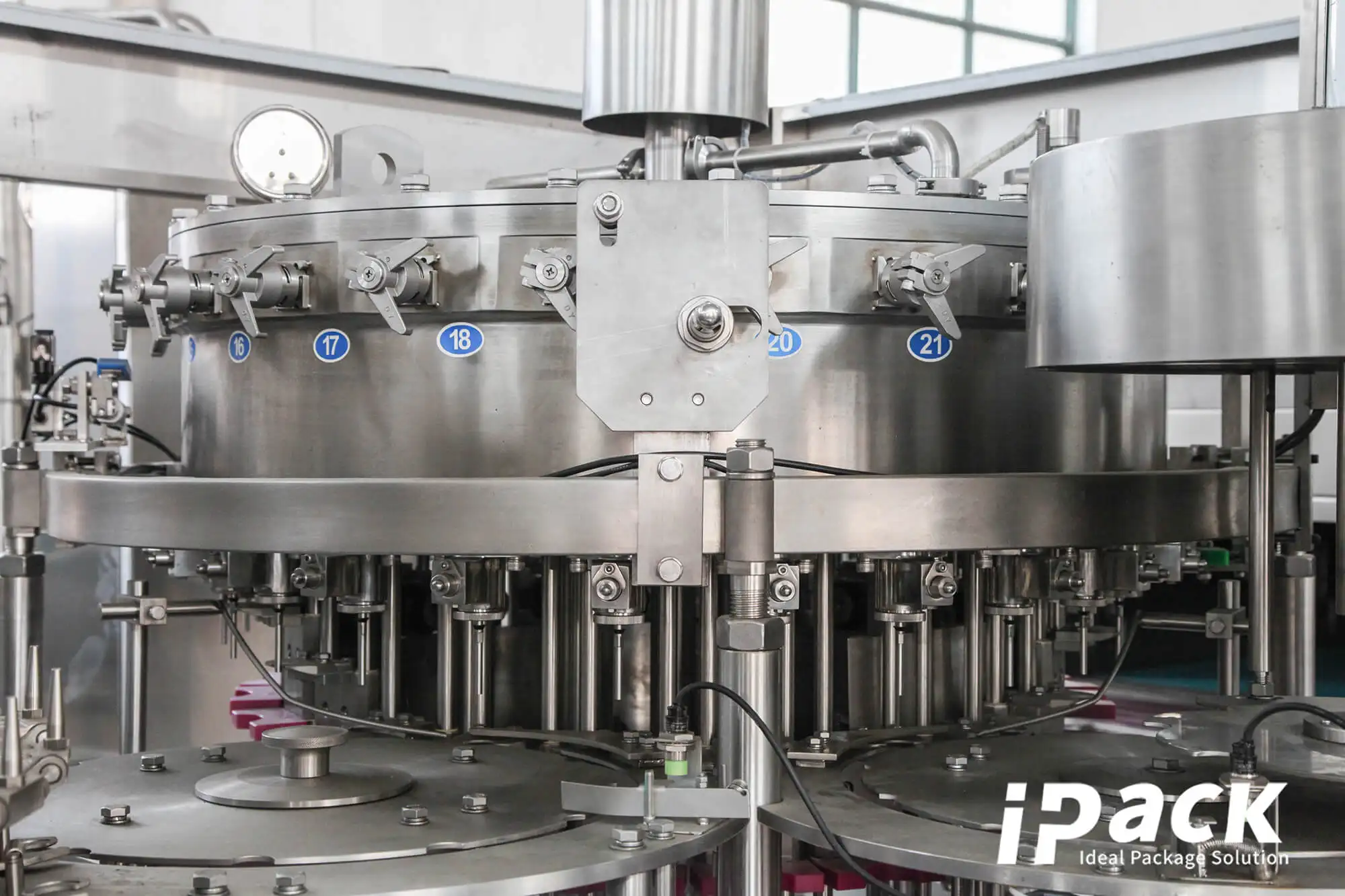
Daily Cleaning and Sanitization for Optimal Carbonated Drink Filling Machine Hygiene
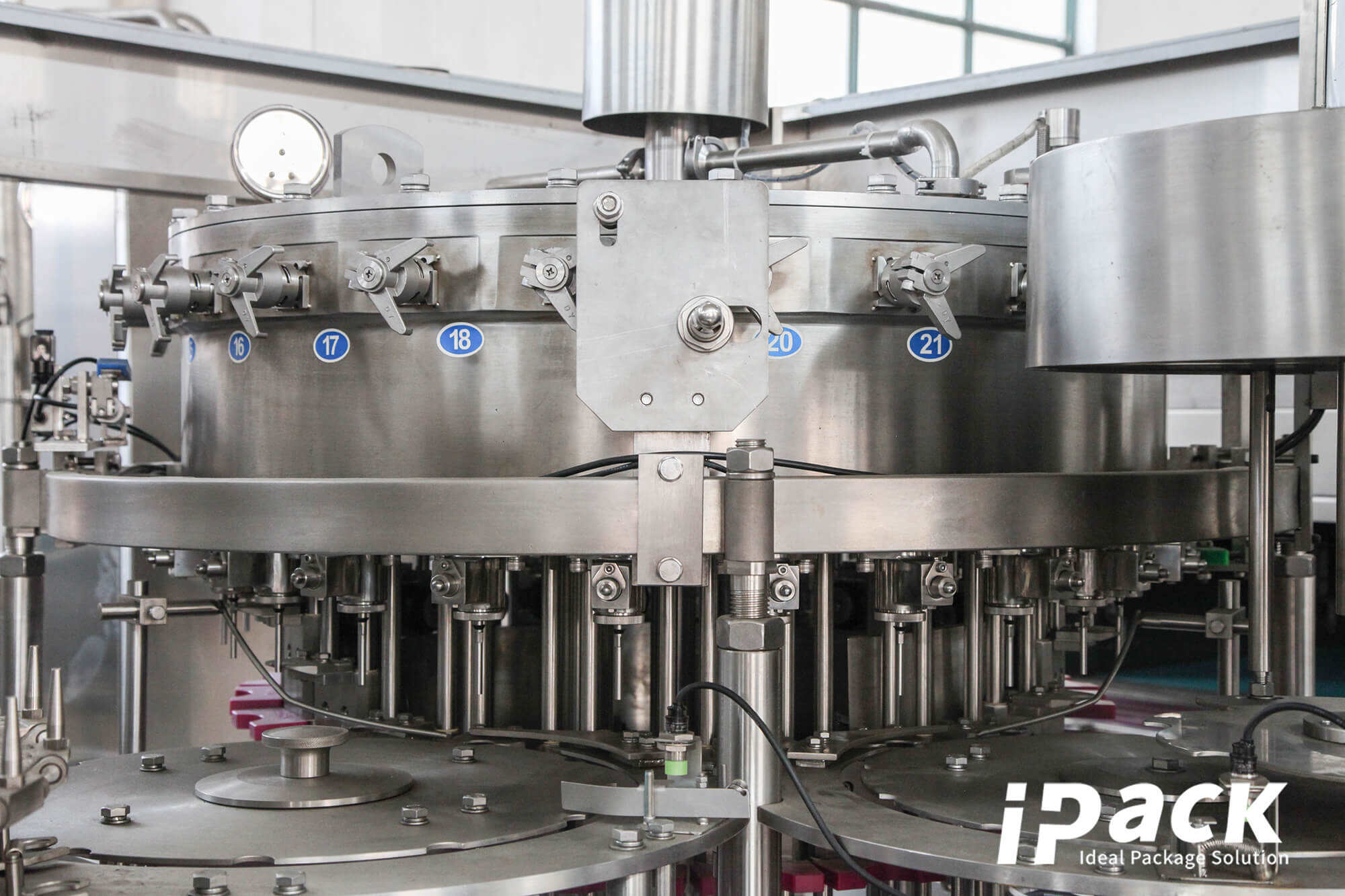
Maintaining rigorous hygiene protocols is non-negotiable for carbonated drink filling operations. Microbial contamination can multiply rapidly in sugar-rich environments, with biofilm formation initiating within just 8 hours on unprocessed surfaces (Food Safety Journal, 2023). Structured daily routines prevent product recalls, protect brand integrity, and preserve filling precision.
Pre-shift visual inspection and surface wipe-down protocols
Before starting any production run, operators should give equipment a good once over with their trusty industrial flashlight. Check those filler nozzles for leftover syrup buildup and look closely at valve seats where dried particles tend to stick. Don't forget to clean every exterior surface too, particularly spots where food actually touches stuff like filling heads and conveyor guides. Food grade sanitizer works best for this job. Pay extra attention to tight corners and dark spots behind machinery since bacteria loves hiding there. A quick blast from compressed air can knock out stubborn dirt without adding unwanted moisture to sensitive components.
Post-production CIP procedures for pipelines, fillers, and carbonation injectors
Initiate automated Clean-in-Place (CIP) cycles immediately after production. The three-phase protocol includes:
- An alkaline flush at 60°C to dissolve sugar residues
- An acid rinse to neutralize mineral deposits
- A final sanitizing surge to eliminate microorganisms
Critical zones demand targeted attention: carbonation chambers require extended dwell times due to complex internal geometries, while filler pistons benefit from mechanical brushing to remove stubborn deposits. Document pressure and flow metrics during each cycle to verify full coverage across all fluid pathways.
Sanitizer concentration verification and contact-time compliance tracking
Validate sanitizer potency using calibrated refractometers before every CIP cycle. Perishable Food Processing Standards specify:
- Chlorine-based solutions: 100–200 ppm
- Peracetic acid blends: 150–250 ppm
Maintain solution temperatures between 25–40°C to maximize antimicrobial efficacy. Enforce a minimum 15-minute contact duration throughout all fluid pathways using digital timers, and confirm cleanliness with ATP swab testing—targeting ≤10 RLU as the benchmark for microbiological control.
Proactive Wear Component Monitoring and Replacement in Carbonated Drink Filling Machines
Valve, gasket, and nozzle wear assessment using torque, flow consistency, and CO2 seal integrity metrics
Keeping an eye on valve torque changes that go beyond 10% of normal readings helps catch internal corrosion problems before they cause real issues. Inline meters can track when flow rates start going off by about plus or minus 5%, which often means nozzles are wearing down or minerals are building up inside. For CO2 seals, it's good practice to check them every three months with pressure decay tests. If there's leakage happening faster than 0.25% each minute, then those gaskets definitely need replacing soon. Plants that actually implement all three of these monitoring points tend to see around 60% fewer contamination problems overall. The numbers come from some pretty solid industry data collected by major equipment manufacturers over recent years.
Conveyor chain tension, elongation, and sprocket wear evaluation against ISO 10823 standards
Checking tension levels should happen roughly every 250 hours of operation with properly calibrated force gauges, keeping elongation between 1 and 2 percent as a general rule. When it comes to measuring chain stretch, optical comparators give the most accurate readings. Most maintenance experts recommend replacing chains when they've stretched beyond 3%, since this can lead to serious alignment issues and timing problems down the line. Monthly inspections of sprocket teeth are also important, comparing them against those ISO 10823 wear charts we all know and love. If any tooth deformation hits around 10%, replacement becomes necessary pretty quickly. Plants that stick to these maintenance practices tend to see about 79% fewer unexpected shutdowns compared to those that don't follow such strict protocols.
Precision Lubrication and Pressure System Integrity Management
Lubrication specifications: grease compatibility, application points, and interval scheduling for high-pressure zones
For areas where equipment touches food products, stick with NSF H1 certified greases when lubricating those pivot points, cam followers, and rotating joints throughout the machinery. Most operators find that giving high pressure parts like filling valves and capping mechanisms a fresh coat around every 200 hours of operation keeps things running smoothly without letting wear set in too early. When done right, regular lubrication cuts down on friction by roughly 40% across moving parts. This not only makes seals last longer but also helps maintain consistent carbonation levels throughout the entire bottling process, which is critical for product quality control.
Weekly pressure system diagnostics: regulator calibration, air dryer dew point validation, and leak detection thresholds
Running regular pressure integrity checks every week keeps machines running smoothly and maintains beverage quality standards. Check those main air regulators to see if they're staying within that tight ±0.1 bar range when measured against calibrated gauges. Also make sure refrigerant dryers are hitting those critical dew point targets below 3 degrees Celsius (about 37 Fahrenheit) so we don't get corrosion problems from excess moisture buildup. For pneumatic systems, run ultrasonic leak detectors regularly. Any leaks above 0.5 cubic feet per minute at 6 bar pressure signal trouble spots where seals might be wearing out or valves starting to fail. Fixing these kinds of issues before they become big problems stops those annoying pressure swings that lead to inconsistent product fills and costly carbon dioxide losses down the line.
FAQ
What is the importance of daily cleaning for carbonated drink filling machines?
Daily cleaning and sanitization prevent microbial contamination, preserve filling precision, and maintain brand integrity by avoiding product recalls.
How often should components like valves and nozzles be monitored for wear?
Valves and nozzles should be regularly monitored using torque and flow consistency metrics to ensure they remain in optimal condition. CO2 seals should be checked every three months.
What is the role of CIP procedures in maintaining machine hygiene?
CIP (Clean-in-Place) procedures help clean pipelines, fillers, and carbonation injectors with a three-phase process, ensuring all sugar residues, mineral deposits, and microorganisms are effectively removed.