 EN
EN

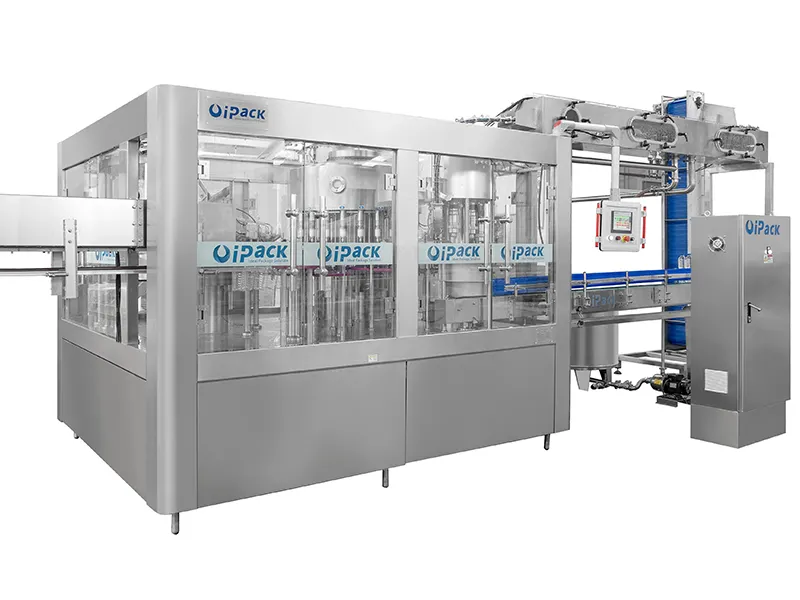
Carbonated Drink Filling Machine:Superior Fill Accuracy and Carbonation Integrity with Isobaric Technology
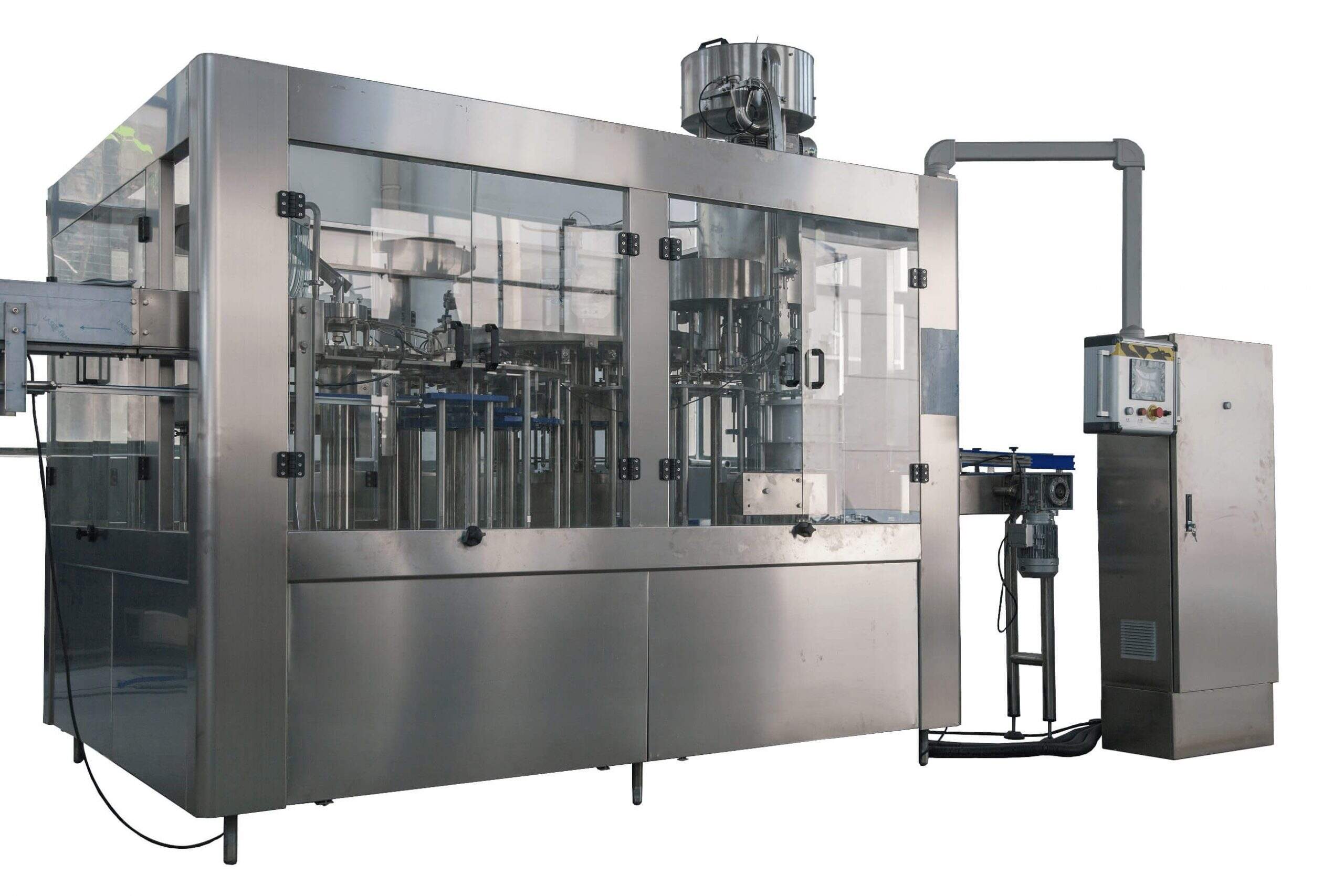
How Isobaric (Pressure) Filling Preserves CO2 Levels and Prevents Foaming
Isobaric filling, sometimes called counter-pressure filling, works by balancing the pressure inside the beverage tank with what's happening in the container right before transferring liquids. This balance keeps everything stable during the whole process. When done properly, it stops those annoying problems like turbulence that can cause CO2 to escape, create unwanted foam, or lead to flat drinks. According to research published in technical journals, today's equipment manages to keep CO2 levels within about 0.2 volume units. That means fizzy drinks stay bubbly whether they're colas, sparkling water, or specialty brews from local craft producers. Getting this level of control matters for two reasons. First, it protects the taste profile so customers get exactly what they expect. Second, fewer wasted products mean better bottom line results. Brands that consistently deliver good fizz build stronger customer loyalty, especially in stores where people judge quality just by looking at how well carbonated drinks look on shelves.
Hygiene, Precision, and Throughput Gains vs. Semi-Automatic and Manual Carbonated Drink Filling Machines
Automated isobaric systems deliver measurable advantages over semi-automatic and manual alternatives:
- Sanitation: Integrated ATS (Automatic Transfer Switch) sanitation protocols remove human contact points, cutting contamination risk by 67%—per 2023 bottling hygiene benchmarks from the Beverage Marketing Corporation
- Fill Accuracy: Laser-guided volume control delivers 99.5% consistency, compared to 85–90% variance with manual methods
- Output Efficiency: Automated lines sustain 85% OEE (Overall Equipment Effectiveness), nearly double the 45% typical of manual stations—translating to a 3.8× increase in daily throughput
These gains empower manufacturers to scale small-batch specialty production without sacrificing quality—a critical capability as demand surges for premium sparkling beverages.
Proven Cost Efficiency and Fast ROI from Automation
Labor Reduction (35–50%), Downtime Savings (22%), and 3–5-Year Payback—Validated by Real Plant Data
Carbonated drink filling machines that run automatically change how factories operate economically based on actual results seen on factory floors. Many beverage plants have cut their labor costs anywhere between 35 to 50 percent after switching from manual work to robots. What does this mean practically? One person can manage jobs that used to need three to five workers. The machines come equipped with sensors that predict when maintenance is needed and systems that check product quality automatically, cutting down unexpected stoppages by around 22%. Precise filling mechanisms and systems that recover energy also help reduce waste and save money on utilities. Looking at real data from operations across the industry including reports from the International Society of Beverage Technologists shows that most plants get their money back completely within three to five years. Some big volume producers even see returns faster than 36 months. Another major benefit is that these automated systems can keep running nonstop day and night without needing extra staff members. This makes sense for companies worried about finding enough workers and dealing with unpredictable customer demands going forward.
Market Forces Accelerating Adoption of Carbonated Drink Filling Machines
Demand Shift Toward Craft Sodas and Functional Sparkling Beverages Driving Need for Flexible, Small-Batch Automation
People are getting tired of the same old sodas and starting to reach for craft options instead. Functional sparkling drinks with things like probiotics or extra vitamins are really taking off, and this has led to impressive growth numbers in the premium market. The industry needs to be able to switch gears quickly these days. Manufacturers must handle small batch runs, work with different types of bottles from glass to plastic to metal, and adjust carbonation levels on the fly while still keeping everything clean and accurate. That's where modern filling equipment comes in handy. These machines can hit about half a percent accuracy when measuring volumes and maintain good CO2 levels throughout different recipes. This matters because consumers notice when flavors stay consistent from one bottle to the next, and that kind of quality makes them stick with brands and pay more for what they get.
6.8% Global CAGR (2024–2029): APAC Expansion, Sustainability Regulations, and ESG Compliance as Key Catalysts
The global market for carbonated drink filling machines is projected to grow at a 6.8% CAGR through 2029, driven by three interlocking forces:
- APAC Market Expansion: Urbanization and rising disposable income in India, Vietnam, and Indonesia are accelerating demand for packaged beverages—spurring investments in high-output, flexible automation
- Sustainability Mandates: Regulatory frameworks like the EU’s Single-Use Plastics Directive (SUPD) require precise filling to minimize overfill and material waste, while enabling compatibility with lightweight packaging
- ESG Pressures: Investors increasingly tie capital access to measurable sustainability performance—modern systems cut water use by 30% versus legacy equipment and recover energy during pressurization cycles, supporting Scope 1 & 2 emissions targets
Together, these factors position automation not as an optional upgrade—but as a strategic necessity for compliance, competitiveness, and long-term resilience.
Future-Ready Technical Integration for Seamless Line Upgrades
Modular Design, Real-Time CO2 Monitoring, and Integrated CIP/SIP Enable Retrofit Without Production Disruption
Modern carbonated beverage filling equipment is built to upgrade without causing disruptions. These machines feature modular designs that let operators swap out specific parts like filling valves or conveyor sections within about four hours all while keeping production running smoothly. According to industry reports from PMMI, these modular approaches can cut down on integration time by around 40% compared to old school retrofitting methods. The real magic happens with real time CO2 sensors that track gas levels with pretty impressive accuracy (around plus or minus 0.1 volume). They automatically tweak pressure settings when switching between different products, which helps maintain consistent carbonation levels across various flavors and formulas. Plus there's the added benefit of built in cleaning and sterilization systems that handle entire sanitation processes during regular maintenance breaks. No need to take things apart manually anymore, saving roughly two thirds of what used to be spent on cleaning labor. When combined, these three features create a powerful package that boosts output right away while maintaining operation above 95% most of the time, making those expensive machine upgrades actually pay off in short order for manufacturers.
FAQ
What is isobaric filling technology?
Isobaric filling technology is a process that balances the pressure inside the beverage tank with the pressure in the container right before transferring liquids. This balance ensures stable filling, prevents CO2 escape and foam formation, thus maintaining carbonation integrity.
What are the benefits of automated carbonated drink filling machines?
Automated carbonated drink filling machines offer multiple benefits such as improved sanitation, higher fill accuracy, and increased output efficiency compared to manual or semi-automatic methods. They also reduce labor costs, maintenance downtime, and provide a fast return on investment.
How does the market for carbonated drink filling machines look until 2029?
The global market for carbonated drink filling machines is expected to grow at a 6.8% CAGR through 2029. Key growth drivers include increasing demand in APAC, sustainability regulations, and compliance with ESG criteria.
Can modern filling equipment be upgraded without production disruption?
Yes, modern carbonated beverage filling equipment is designed to upgrade seamlessly without disrupting production thanks to modular designs, real-time CO2 monitoring, and integrated CIP/SIP systems.