 EN
EN
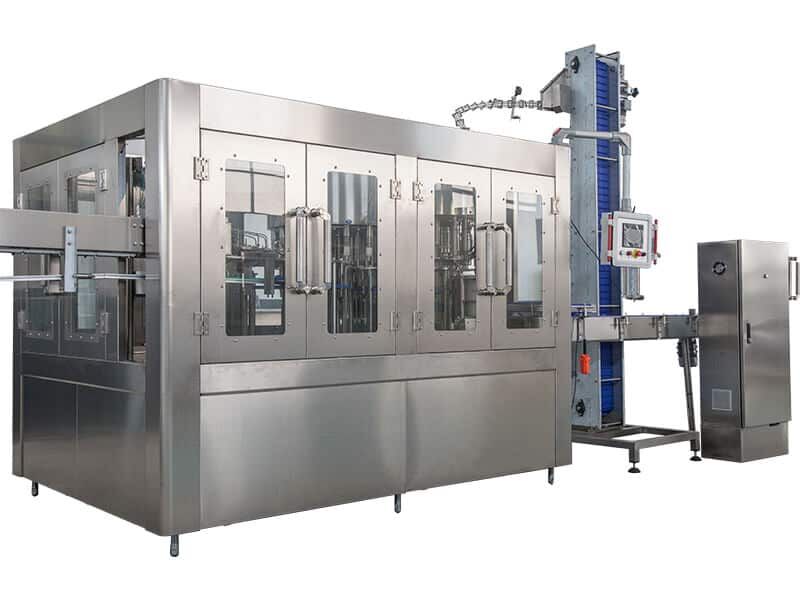
From Automation to Intelligence: The Evolution of Water Filling Machine Technology
Historical Development of Water Filling Machine Technology
Water filling machines have come a long way since their humble beginnings back in the 1800s when folks were still manually pouring liquid into bottles by hand through simple gravity systems. Things picked up speed in the 1950s with those mechanical rotary fillers hitting around 1,200 bottles an hour mark, but getting consistent fills was still something of a headache for factory workers. Then came the big breakthrough in the 80s when they started incorporating these things called programmable logic controllers or PLCs for short. These little boxes made all the difference, bringing accuracy down to within plus or minus 3%, pretty impressive stuff actually. And honestly, this set the stage for everything we see today in automated manufacturing processes across various industries.
Transition From Manual Bottling to Automated Filling Systems
Things really changed in the early 2000s when manufacturers started incorporating servo driven pumps along with infrared sensors into their systems. These new technologies brought fill accuracy down to around plus or minus 1.5 percent, which was pretty impressive at the time. The impact was significant too – factories saw about 75 to 80 percent less need for workers to monitor the process manually, and production rates shot up to three times what they were before with those old mechanical setups. Another major benefit came from automation cutting out contamination problems that used to happen during manual operations. This made it possible to run completely sealed processes, something absolutely necessary for making water that meets pharmaceutical standards.
Integration of IoT and AI in Modern Water Filling Machines
Modern smart water filling systems now use cameras and pressure readings to tweak how much liquid goes into different shaped containers as they pass by. These machines can actually predict when parts might break down before it happens thanks to special software that looks at how motors are performing. Some studies show these prediction tools get it right about 89 out of 100 times, giving operators nearly two days warning before something breaks. For companies worried about their environmental impact, there's another benefit too. Machines connected to the internet automatically cut back on power consumption where possible. Certain advanced models have been shown to waste 22% less water overall because they constantly adjust for changes in liquid thickness during operation.
Precision Engineering: Achieving Fill Accuracy in Liquid Filling Machines
Advanced Measurement Systems Ensure Fill Volume Accuracy in Liquid Filling Machines
Today's liquid filling equipment can hit around 0.5% accuracy in fill amounts thanks to self-calibrating load cells paired with electromagnetic flow meters. The real magic happens when these systems automatically adjust for temperature swings and changing liquid thicknesses something that matters a lot in fast moving water filling lines. Take the switch between regular and carbonated water for example. The machine senses the density difference on the fly and tweaks the fill parameters almost instantly about half a second maybe? This quick response keeps every bottle filled just right regardless of what kind of beverage is running through the line at any given moment.
Sensors and Vision Systems for Real-Time Fill Level Control Enhance Consistency
The latest high res cameras combined with infrared tech can check around 300 containers every minute, spotting even tiny differences in fill levels down to just 0.3 millimeters. Throw some artificial intelligence into the mix and manufacturers see about an 18 percent drop in wasted product from overfilling compared to what humans could manage manually. Recent research published last year showed something pretty impressive too. Vision guided nozzles made things much better for companies filling carbonated drinks into those plastic PET bottles, cutting inconsistencies in how full each bottle gets filled by roughly one third according to their findings.
Balancing High Throughput With Precision in Water Filling Processes
Servo-driven linear fillers now handle 200 containers per minute while maintaining ±1mL accuracy—a 27% improvement over 2020 pump technologies. This precision is achieved through microsecond valve timing adjustments, crucial for maintaining accuracy across irregularly shaped bottles. Hybrid systems combining rotary and linear automation have helped manufacturers reduce rejected batches by 22%.
Case Study: Achieving ±0.5% Fill Deviation Using Servo-Driven Pump Technology
One major mineral water producer managed to cut their fill deviation down from plus or minus 2% all the way to just 0.5% once they switched over to these new servo driven pumps. The equipment has this amazing 0.01 mL resolution capability and responds within mere milliseconds at 10 ms. As a result, there were no more bottles coming out under filled, which saved them around half a million dollars each year on wasted product. When auditors checked things post implementation, they found that compliance with FDA fill standards jumped from 89% up to an impressive 98.3%. This matters because according to recent FDA data from 2022, nearly 98.7% of all product recalls are actually caused by those pesky filling inaccuracies.
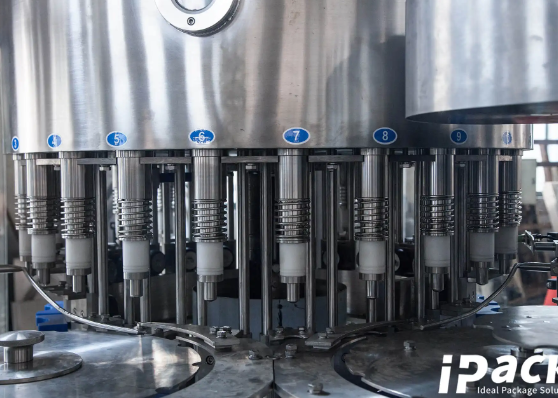
Smart Automation: Boosting Efficiency in Water Bottling Lines
Automation and Servo-Driven Pump Technology Reduce Cycle Times
The timing precision of servo driven pump systems is around plus or minus 0.25 milliseconds, which means they can complete cycles about 30% quicker compared to old school pneumatic setups. Containers move smoothly from rinse station to fill station right on through to capping without any noticeable slowdowns in production speed. We've seen some real improvements in Middle Eastern facilities lately where 5 gallon bottle processing now takes just six seconds flat. That's actually 22% better than what was possible with manual handling according to Packaging World from last year.
Efficiency in Water Bottling Through Automation Increases Line Productivity by Up to 40%
Automated bottling lines now maintain 98.6% operational uptime thanks to synchronized conveyors, smart buffers, and self-adjusting filler heads. Facilities can process up to 72,000 bottles per hour while meeting ISO 22000 hygiene standards. Industry analysis shows these lines outperform semi-automated setups by 40% in throughput consistency (Beverage Production Quarterly 2024).
Reduction of Human Error and Contamination Risk in Fully Automated Systems
Implementing closed system automation cuts down on human interaction points by nearly 90 percent, which fits right into what the FDA has been pushing through their latest CFR Title 21 updates. When it comes to quality control, vision guided robots now handle final inspections with astonishing precision. These machines spot defects at a rate of only 0.02%, compared to around 1.2% mistakes when people do the checking manually according to Food Safety Magazine from last year. For companies running water filling operations, this technological leap means significantly fewer problems down the line. Not only does it save time and money in day to day operations, but it also acts as insurance policy against those expensive product recalls that can really hurt a business financially.
AI and Predictive Intelligence in Water Filling Machine Operations
AI and Machine Learning for Dynamic Fill Parameter Adjustment Based on Real-Time Conditions
Machine learning algorithms process over 15 variables—including viscosity, temperature, and flow rates—to maintain fill accuracy within ±0.3%. In seasonal climates, automatic pump speed adjustments compensate for viscosity shifts in carbonated water, eliminating the need for manual recalibration and preserving throughput.
IoT and Real-Time Monitoring Enable Predictive Insights
IoT sensors collect operational data every 200 milliseconds, feeding analytics platforms that predict bearing wear, motor strain, and seal degradation 48–72 hours before failure. A 2023 industry study found that plants using predictive monitoring reduced unplanned downtime by 67% compared to those relying on scheduled maintenance.
AI-Powered Quality Control and Predictive Maintenance Minimize Downtime
Vision systems with AI defect detection analyze more than 500 bottles per minute, identifying underfills with 99.97% accuracy. Combined with vibration analysis, this technology helps cut product waste by 18–22% annually and reduces maintenance costs by $120–$150 per machine hour.
High Initial Cost vs. Long-Term ROI of AI-Powered Smart Filling Systems
Although AI-enabled water filling machines require a 20–35% higher initial investment, data from 142 facilities show breakeven within 26 months due to:
- 40–50% fewer mechanical failures
- 30% faster line changeovers
- $80,000 annual savings per line from reduced water waste
Servo-driven pumps with self-learning capabilities deliver the strongest return, recovering 92% of their premium cost within five years through energy efficiency and precision gains.
Guaranteeing Purity: Advanced Cleaning, Sterilization, and Sustainability Features
CIP (Clean-in-Place) advancements reduce microbial contamination in water filling machine
Modern water filling machines integrate CIP systems that eliminate the need for manual disassembly, cutting contamination risks by 99.8% compared to traditional cleaning methods (Sanitation Report 2024). High-velocity spray heads and food-grade detergents sanitize valves, nozzles, and conduits in fully automated 20-minute cycles, allowing continuous production.
Sterilization innovations align with global quality assurance in bottled water production
UV-C light arrays and ozone infusion have replaced chemical sterilization, achieving a 6-log reduction in pathogens without residue. Over 85% of new filling lines meet FDA 2023 aseptic processing guidelines through triple-stage air filtration and positive pressure zones that prevent airborne contamination.
Energy-efficient water bottling machines cut operational costs by up to 30%
Servo-driven motors and variable frequency drives reduce energy consumption by 12–18 kWh per 10,000 bottles. Heat exchangers reuse thermal energy from sterilization to preheat rinse water, lowering annual utility costs by $46,000 in mid-scale plants (Energy Analytics 2024).
Smart energy recovery systems in leading manufacturers' designs
Next-generation designs capture kinetic energy from conveyor braking via regenerative drives. One patented system reduces net energy demand by 22% by integrating solar-assisted compressors with AI-optimized scheduling, setting new benchmarks for sustainable water bottling operations.
FAQ
How have water filling machines evolved over time?
Water filling machines have evolved from manual operations in the 1800s to sophisticated automated systems integrated with IoT and AI. They've progressed to improve accuracy, efficiency, and sustainability.
What benefits do modern water filling machines offer?
Modern machines offer increased precision, reduced human error, energy efficiency, and enhanced sustainability. They also predict part failures ahead of time and reduce product waste through smart technology.
What role does AI play in water filling machine technology?
AI facilitates real-time adjustments for fill parameters, boosts predictive maintenance, and enhances quality control, thereby minimizing downtime and maximizing operational efficiency.
Table of Contents
- From Automation to Intelligence: The Evolution of Water Filling Machine Technology
-
Precision Engineering: Achieving Fill Accuracy in Liquid Filling Machines
- Advanced Measurement Systems Ensure Fill Volume Accuracy in Liquid Filling Machines
- Sensors and Vision Systems for Real-Time Fill Level Control Enhance Consistency
- Balancing High Throughput With Precision in Water Filling Processes
- Case Study: Achieving ±0.5% Fill Deviation Using Servo-Driven Pump Technology
- Smart Automation: Boosting Efficiency in Water Bottling Lines
- AI and Predictive Intelligence in Water Filling Machine Operations
-
Guaranteeing Purity: Advanced Cleaning, Sterilization, and Sustainability Features
- CIP (Clean-in-Place) advancements reduce microbial contamination in water filling machine
- Sterilization innovations align with global quality assurance in bottled water production
- Energy-efficient water bottling machines cut operational costs by up to 30%
- Smart energy recovery systems in leading manufacturers' designs
- FAQ