 EN
EN

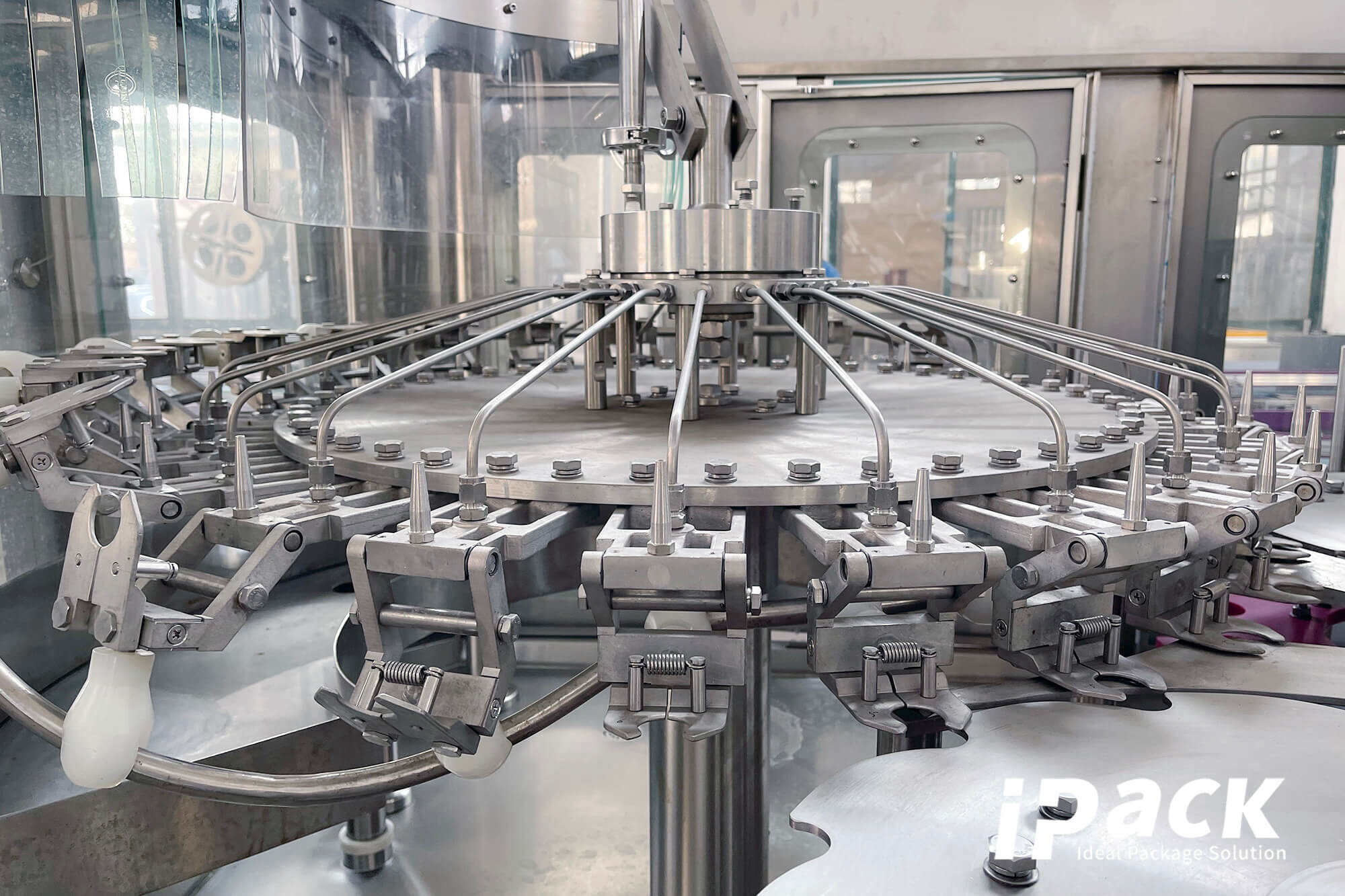
Rinsing, Filling, Capping: The Core Stages of a Beverage Filling Machine
Overview of the three-stage beverage filling workflow
Beverage filling machines today follow a pretty well coordinated process. First they rinse out any particles left in the containers, then fill them with incredible precision usually within about 1% accuracy, and finally apply caps that hold up even when pressure builds inside. These three steps make up most bottling setups across the industry. According to recent stats from Food Manufacturing Journal, around 8 out of 10 food grade production lines stick with this standard three step approach. What makes these systems so effective is their closed loop design which keeps dust and other contaminants away from products during processing. Plus it allows factories to keep running non stop without constant interruptions for cleaning or maintenance issues.
Integration and synchronization of stages for seamless production
When high speed synchronization kicks in, it turns separate production steps into one smooth running process. The conveyor belts powered by servos keep bottles evenly spaced throughout the line, and those optical sensors kick off each next stage right around every 50 milliseconds or so. According to research published last year in Packaging Engineering journal, these fully integrated systems cut down on wasted product during transfers by almost all - about 92 percent less than when workers have to manually pass items from station to station. What really matters for carbonated beverages is how the system balances pressure across filling nozzles and bottle openings as they move through the line. This helps prevent unwanted foaming that can ruin entire batches if not controlled properly, showing just how connected each part of the process actually is.
How this workflow supports efficiency and hygiene in B2B bottling lines
The sequential staging enables HACCP-compliant zoning, with physical barriers separating pre-rinsed and post-filled containers. Automated changeovers between container formats occur in <8 minutes through programmable logic controller (PLC) presets, maintaining 98.5% line utilization rates in 24/7 production environments. CIP (Clean-in-Place) cycles deploy between product runs without disassembling modules, ensuring FDA-grade sanitation standards.
Bottle Rinsing: Ensuring Hygiene Before Filling
Air vs. Water Rinsing Methods in Modern Beverage Filling Machines
Today's beverage filling equipment focuses heavily on cleanliness, mainly through two different cleaning approaches: powerful bursts of compressed air and clean water sprays. The air method cuts down on water usage around 40 percent according to the latest Bottling Operations data from 2024, plus it dries faster which works really well for things like powdered drinks where dust can be a problem. On the flip side, water rinsing does an amazing job getting rid of sticky leftovers in syrupy drinks, clearing away contaminants at nearly 99.8% effectiveness based on tests done across the industry recently. Many newer models actually mix these techniques together these days. They start with air to knock off any loose stuff first, then finish with a thorough water rinse to make sure everything is spotless before sealing the containers.
Preventing Contamination During the Rinsing Stage
To avoid cross-contamination, leading manufacturers implement self-draining nozzles, UV-C light sterilization between cycles, and negative-pressure zones to contain aerosolized particles. These measures reduce microbial reintroduction risks by 72% compared to traditional setups, potentially saving $740k annually in recall prevention (Ponemon 2023).
Case Study: Optimizing Rinsing Protocols to Reduce Microbial Load
A midwestern bottling plant reduced coliform detection by 25% after adopting a triple-phase rinsing protocol: compressed air inverted bottle purging, an 80°C purified water flush, and ionized air drying. This wine industry-validated approach now prevents over 300,000 bottle reworks yearly, demonstrating how hygiene directly impacts operational efficiency.
Precision Filling: Technology and Control in Beverage Filling Machines
Volumetric and Level-Sensing Filling Mechanisms for Accuracy
Today's beverage filling equipment relies on both volumetric methods powered by pumps or pistons, along with various level detection tech such as infrared and ultrasonic sensors. These systems can get down to less than 1% variation in volume measurements. The volumetric approach works best when dealing with thicker liquids like fruit juices because it measures out precise amounts. For clear bottles where visual consistency matters, the level sensing technology keeps fills looking uniform throughout production runs. According to recent industry research, these high precision filling systems hit around 99.8% accuracy even when handling different types of fluids, which means manufacturers waste significantly less product during packaging operations.
Maintaining Consistency in Carbonated Soft Drink (CSD) Filling Under Pressure
Carbonated beverages require pressurized filling chambers (3–4 bar) to prevent CO2 loss during dispensing. Servo-controlled rotary fillers adjust valve timing within 0.01-second increments, maintaining ±0.3% volume consistency even at 1,200 bottles/minute. This precision prevents overfoaming in CSDs, which accounts for 70% of line stoppages in non-pressurized systems according to carbonation stability research.
Balancing Speed and Accuracy in High-Volume Beverage Production
Leading manufacturers achieve 95% OEE (Overall Equipment Effectiveness) by integrating predictive algorithms that optimize fill times based on bottle geometry. For example, transitioning from 500ml to 330ml containers triggers automatic pressure adjustments, reducing speed losses by 22% while maintaining ISO 9001-compliant fill levels.
Common Filling Inaccuracies and Troubleshooting Techniques
Three issues account for 82% of precision errors in beverage filling machines:
| Issue | Cause | Resolution |
|---|---|---|
| Foaming | Turbulent flow | Anti-turbulence nozzles |
| Underfilling | Viscosity shifts | Real-time flow recalibration |
| Seal contamination | Misaligned containers | Vision-guided positioning |
Recent analyses demonstrate how dual-stage vacuum chambers reduce foam-related errors by 41% in energy drink production. Automated reject systems resolve 92% of these issues without manual intervention, maintaining throughput above design capacity.
Capping and Sealing: Guaranteeing Product Integrity
Automated Cap Feeding and Capping Mechanisms in Filling Lines
Today's beverage filling equipment relies on rotary cap sorters paired with vibratory feeders that can handle anywhere from 500 to 1,500 caps each minute, with misalignment happening less than 1% of the time. The capping heads are servo driven and set to apply just the right amount of torque, typically between 3 and 25 Newton meters depending on what kind of material is being capped. This careful application creates good seals without breaking glass bottles or warping plastic containers. When dealing with carbonated drinks like soda, special pressure compensation systems come into play. These systems constantly tweak how tight the seal is to balance against the internal CO2 pressure inside the bottle, which can reach as high as 6 bar in some cases. Manufacturers find this adjustment crucial for maintaining product quality and safety standards across different types of beverages.
Spindle vs. Snap Capping: Techniques for Different Bottle Types
Glass bottle lines typically rely on spindle cappers these days. These machines have rotating heads that tighten metal caps right around 98 to 102 percent of what's considered proper torque. For those plastic sports drink bottles though, snap cappers work better. They apply about 12 to 15 kilograms per square centimeter of vertical force to get those flip top lids secured without damaging the PET material itself. The newest equipment actually blends both approaches into one system. These hybrid models can switch between capping methods in under half a second, which makes them ideal for production runs where different types of bottles need to be capped together.
Preserving Carbonation Through Reliable Sealing in Soft Drinks
Advanced liner materials like Saranex® 23P improve CO2 retention by 73% versus standard liners, maintaining fizz levels for 12–18 months. Tamper-evident seals with 360° induction bonding prevent microleaks (<5 µm gaps) responsible for 23% of premature carbonation loss in PET bottles, according to 2023 filling line audits.
Quality Control Challenges Across Diverse Container Formats
When it comes to filling lines handling those 8 to 32 ounce containers, there's about a 19 percent jump in torque variance compared to what we see with single format lines. To tackle this issue, manufacturers are turning to several smart solutions these days. First off, adaptive electromagnetic clutches can handle around plus or minus 15 percent differences in cap diameters. Then there are vision systems that check if seals are properly intact across different packaging types. These systems work at speeds ranging from 120 pouches per minute all the way up to 600 rigid bottles per minute. Force sensors also play their part by picking up tiny height changes in aluminum caps down to just 0.05 to 0.1 millimeters. Putting all these technologies together cuts down rejection rates dramatically, bringing them down from roughly 2.1 percent to as low as 0.3 percent when dealing with mixed container formats. And importantly, this whole setup keeps everything within ISO 22000 standards for food safety requirements too.
Hygiene, Maintenance, and Line Efficiency in Beverage Filling Operations
Clean-in-place (CIP) systems for continuous sanitation
Today's beverage filling operations depend heavily on Clean-In-Place (CIP) systems to tackle bacterial growth without having to take apart any components. The stats speak for themselves really - these automated cleaning processes cut down microbes by almost 99.8% after cleaning sessions when compared against old fashioned manual techniques according to EHEDG research from 2023. They achieve this through powerful jets of sanitizing solutions such as peracetic acid. One major manufacturer has developed some pretty impressive CIP tech lately. Their system includes smart nozzles that can detect issues on their own plus a special two circuit sterilization process. This helps keep things clean during those tricky transitions between different flavors while also cutting down water consumption by around a third compared to traditional approaches.
Conveyor synchronization and jam prevention strategies
Real-time sensor networks detect bottle misalignments before jams occur, with AI-driven speed matching reducing collisions by 72% in high-speed carbonated drink lines (Food Manufacturing 2022). Key innovations include variable frequency drives that adjust conveyor belts to filler head rhythms and anti-static rails preventing lightweight PET bottles from adhering.
Compliance with HACCP and industry hygiene standards
Beverage filling operations require 8–12 daily hygiene checkpoints to meet FDA 21 CFR Part 129 and EU 2023/1125 regulations. Audits show plants using CIP-integrated HACCP software achieve 40% faster compliance reporting versus manual tracking. Critical control points now include filler needle sterilization validations and air quality checks in capping zones.
Optimizing bottle handling dynamics in automated workflows
New gripper technology really cuts down on product spills when moving items around production lines. Vacuum systems have been especially good at keeping glass bottles intact, bringing breakage down below half a percent according to Packaging World from last year. Smart software now looks at how products are handled and adjusts things like how fast robotic arms move, how long items stay on inspection carousels, and when rejection lanes kick in. Putting all these improvements together keeps the whole system running smoothly most of the time, hitting nearly 99% efficiency even when different types of containers are mixed together on the same line.
FAQ Section
What are the main stages of beverage filling machines?
The main stages include rinsing, filling, and capping. Containers are thoroughly cleaned, accurately filled, and securely sealed to ensure product quality.
How does synchronization improve beverage filling?
Synchronization ensures seamless production by coordinating conveyor belts and sensors to maintain a smooth workflow, reducing waste and errors.
What cleaning methods are used in modern beverage filling machines?
Modern machines utilize air and water rinsing techniques, often combined, to achieve high cleanliness levels before the filling process.
How is precision ensured during filling?
Precision is achieved through volumetric and level-sensing filling mechanisms along with high-accuracy sensors, minimizing product waste.
What challenges exist in capping and sealing beverages?
Capping challenges include torque variance and ensuring tight seals. Using adaptive clutches and vision systems help address these challenges.
Table of Contents
- Rinsing, Filling, Capping: The Core Stages of a Beverage Filling Machine
- Bottle Rinsing: Ensuring Hygiene Before Filling
- Air vs. Water Rinsing Methods in Modern Beverage Filling Machines
- Preventing Contamination During the Rinsing Stage
- Case Study: Optimizing Rinsing Protocols to Reduce Microbial Load
- Precision Filling: Technology and Control in Beverage Filling Machines
- Capping and Sealing: Guaranteeing Product Integrity
- Hygiene, Maintenance, and Line Efficiency in Beverage Filling Operations
- FAQ Section