 EN
EN
Precision Pressure Filling of Carbonated Drink Filling Machine: Minimizing CO₂ Loss and Maximizing Uptime
How Isobaric Filling Preserves Carbonation Integrity and Reduces Rejects
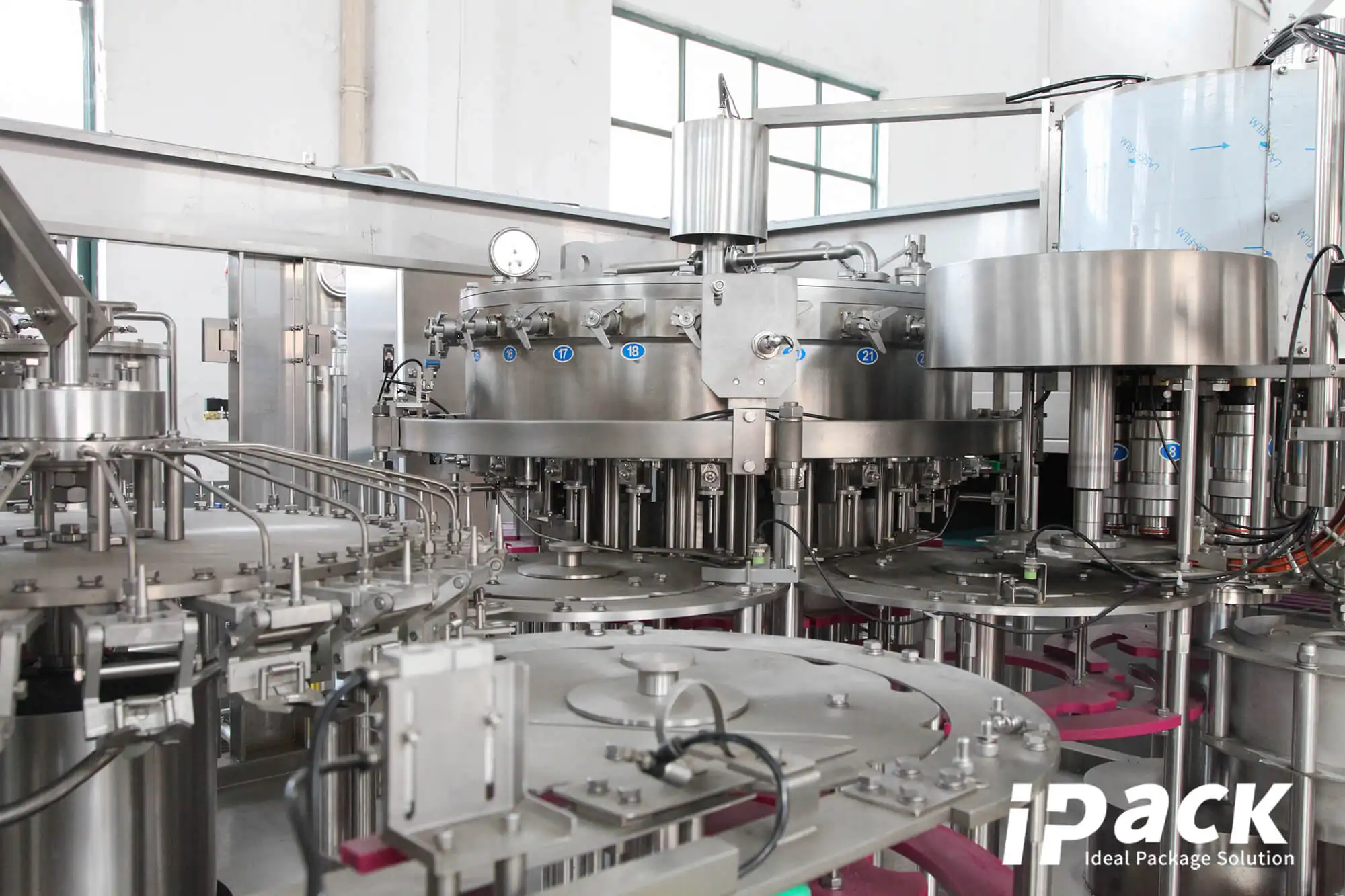
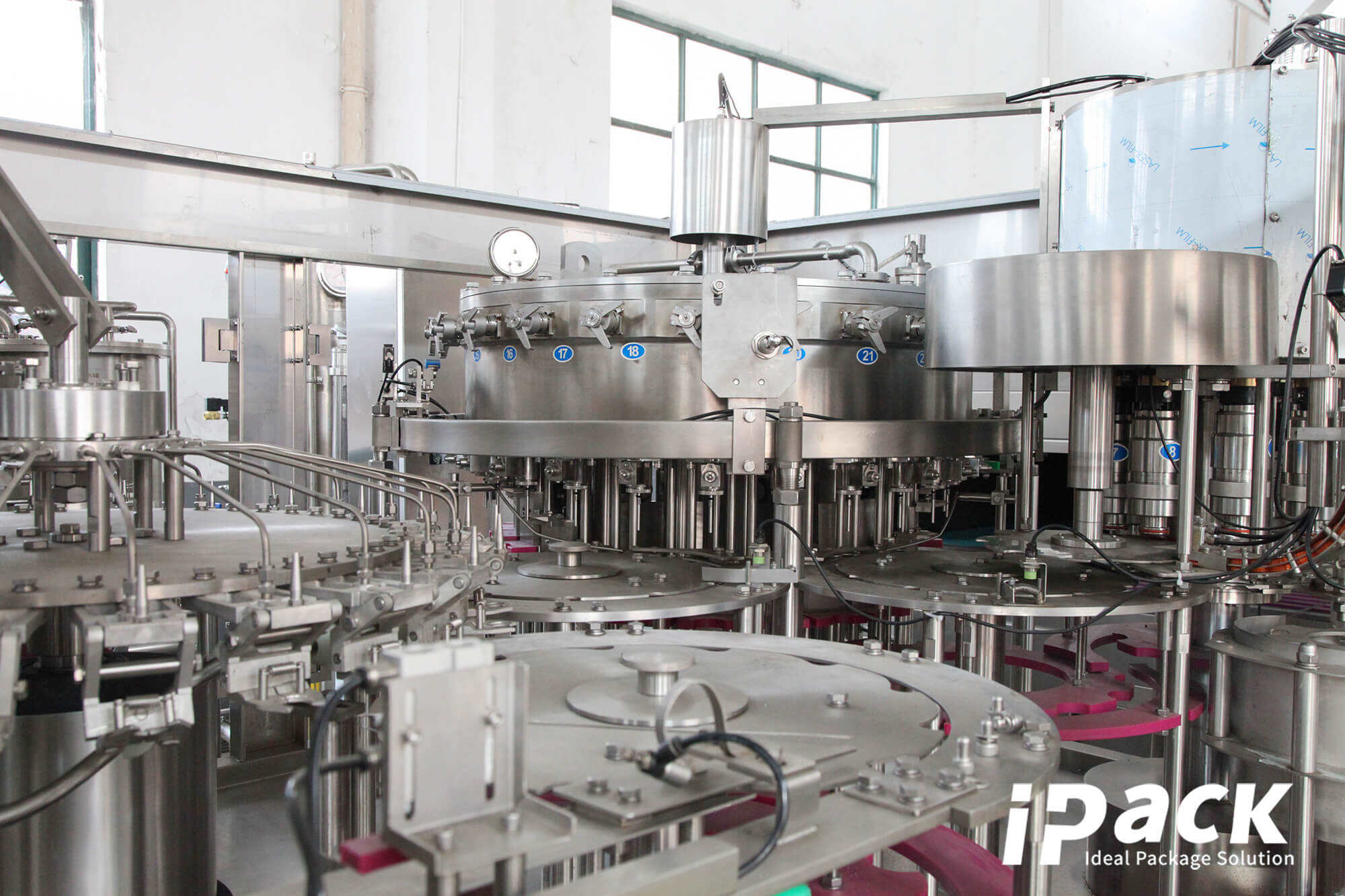
When we talk about isobaric filling, what we're really looking at is a method that keeps those precious bubbles intact by balancing the pressure inside both the drink and its container right before pouring. The process works by pumping CO₂ into the bottles so they match exactly what's happening inside the liquid itself, usually somewhere between 2.5 and 3.5 bars of pressure. Why does this matter? Well, when pressures aren't aligned properly, we end up with unwanted gas escaping and all sorts of foaming issues as things get transferred from one place to another. According to recent industry research published in Packaging Trends 2023, this technique cuts down on CO₂ losses by around 34 percent compared to older gravity methods while also slashing rejected products caused by excessive foam by nearly two thirds. For companies pushing the envelope, there are even more sophisticated setups involving multiple stages of gas injection along with these fancy PID controllers managing backpressure reservoirs. These advanced systems can keep those dissolved CO₂ levels stable within just +/- 0.15 grams per liter, even when production lines are cranking out 600 bottles every single minute.
Performance Benchmark: 22% Lower Fill Variance vs. Gravity Systems
Today's carbonated beverage filling systems show about 22 percent improvement in fill volume consistency compared to older atmospheric methods. When liquids get injected into bottles, these machines maintain real time pressure balance throughout the process. This helps prevent those annoying issues where drinks either overflow or come up short because of turbulence in the system. The heart of this technology lies in programmable logic controllers, commonly called PLCs. These smart control systems tweak the flow rate between batches with remarkable precision, staying within just 0.2% variation. What does all this mean for bottlers? Less wasted product obviously. According to recent tests from Beverage Engineering in 2023, manufacturers report around 9.3% reduction in wasted materials plus roughly 5% better overall production efficiency when they upgrade to these advanced filling technologies.
Seamless Automation Integration in the Carbonated Drink Filling Machine Line
Modular, PLC-Synchronized Design for Flexible Beverage Switching Without Downtime
Systems that are modular and synchronized with PLCs allow for quick flavor changes without tools, which cuts down on the need for mechanical adjustments and reduces waste during transitions by around 17%, according to IBWA guidelines. The controls based on recipes keep filling accurate within plus or minus half a percent even when dealing with different liquid thicknesses and container types. One major plant in Europe saw their monthly downtime drop by nearly 43 hours despite handling eight different products at once. This shows just how automation can help operations stay flexible while still maintaining tight control over quality standards.
Real-World OEE Gain: 99.2% on a 42,000-bph Carbonated Drink Filling Machine Line
The sensor guided servo motors on our production line can tweak both the conveyor indexing and those pesky filler nozzles while running non stop for 24 hours a day, seven days a week. This setup keeps things moving at top speed with around 42 thousand bottles processed each hour. Take a look at what happened at Specific Facility last year where they hit an impressive 99.2 percent OEE rating, way above what most plants manage these days by about 11 points. And let's not forget the real money saver part either. The system handles carbon dioxide pressure changes instantly and never misses a beat when it comes to feeding products into place. As a result? We're talking about avoiding over a million bad bottles every single year, which translates to roughly seven hundred forty thousand dollars saved annually according to Ponemon research from 2023.
Sustainable Efficiency: Energy Optimization Without Throughput Compromise
AI-Driven Process Tuning Delivers 18% Lower Energy Use at 40,000+ bph
Control systems powered by artificial intelligence keep track of sensor readings all the time, making adjustments to pressure settings, motor power, and cooling periods. This helps slash those sudden energy surges and cuts down on wasted power when machines are just sitting there. When running at over 40 thousand bottles per hour, these smart systems actually save around 18 percent on electricity bills compared to older fixed control methods. They work out when demand will spike ahead of time and tweak compressor settings before problems happen, particularly important during production changes. No energy gets wasted this way, and everything still fills properly with all lines staying in sync. What we see at the end of day is real money saved for operations managers who also happen to be meeting their green targets simultaneously.
Frequently Asked Questions (FAQ)
What is isobaric filling and how does it work?
Isobaric filling is a process that maintains equal pressure between the liquid and its container to preserve carbonation. This method involves pumping CO₂ into the bottles to align pressure levels and prevent unwanted gas escape and foaming.
How does PLC-based control improve filling consistency?
Programmable logic controllers (PLCs) enhance filling consistency by adjusting flow rates with precision, reducing the variability of fill volume and minimizing wasted product.
What are the benefits of modular PLC-synchronized systems?
Modular systems synchronized with PLCs allow quick changes in beverage flavors without mechanical adjustments, minimizing transition waste and maintaining filling accuracy across different products.
How do AI-driven systems contribute to energy efficiency?
AI-driven systems optimize energy use by adjusting pressure settings, motor power, and cooling periods based on sensor readings, resulting in lower energy consumption while maintaining throughput.
Table of Contents
-
Precision Pressure Filling of Carbonated Drink Filling Machine: Minimizing CO₂ Loss and Maximizing Uptime
- How Isobaric Filling Preserves Carbonation Integrity and Reduces Rejects
- Performance Benchmark: 22% Lower Fill Variance vs. Gravity Systems
- Seamless Automation Integration in the Carbonated Drink Filling Machine Line
- Sustainable Efficiency: Energy Optimization Without Throughput Compromise
- Frequently Asked Questions (FAQ)