 EN
EN
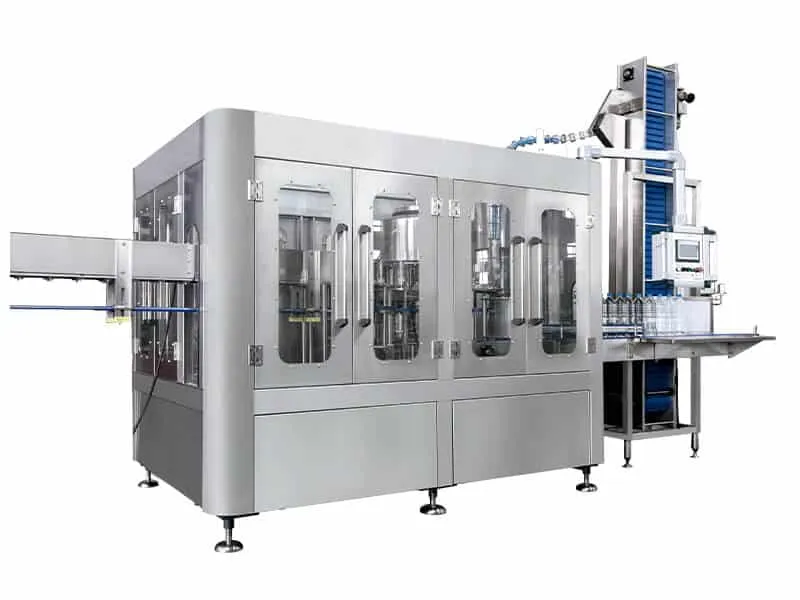
Core Reliability Indicators: Uptime, Downtime, and Total Cost of Ownership About Water Filling Machine
How uptime consistency directly impacts production planning and ROI
Staying stable operationally at water bottling plants really depends on knowing when equipment will be running. When machines stay online around 95% of the time or better, plant managers can actually plan ahead for production needs and manage their inventory stock properly. But when unexpected breakdowns happen, everything goes sideways fast. The bottling industry sees this all the time with extra labor costs piling up from overtime work and those expensive rush shipping charges kicking in. Take it from experience: one hour of downtime costs somewhere north of $200k according to the Bottling Industry Benchmark report from last year. Plus there's the mess of wasted products whenever lines have to restart after a stoppage. That's why top performing plants invest heavily in reliable filling systems. Better uptime means more bottles getting filled each day while cutting down on those emergency repair bills. Most big operations find that just improving uptime by 2% across their facility saves them hundreds of thousands annually simply because they avoid those production gaps that hurt their bottom line.
Why TCO—not just purchase price—reveals true water filling machine reliability
Evaluating equipment solely on initial cost overlooks critical lifetime expenditures. Total Cost of Ownership (TCO) quantifies reliability by accounting for:
- Energy consumption patterns
- Maintenance frequency and spare part requirements
- Downtime-induced production losses
- Cleaning and sanitation resource usage
- Decommissioning expenses
Looking at industry data shows that maintenance issues and unexpected breakdowns account for roughly 40 to 60 percent of what companies spend on equipment over ten years according to Reliability Engineering Journal from last year. Take a water filling machine priced around $100k as an example. Over time, regular fixes can push total costs up to about $300k. But if someone invests in a better built machine costing maybe $150k upfront, they often end up spending closer to $200k throughout its life because it breaks down less frequently. That's why focusing on total cost of ownership matters so much when choosing between different models. The right choice helps keep operations running smoothly without breaking the bank in the long run.
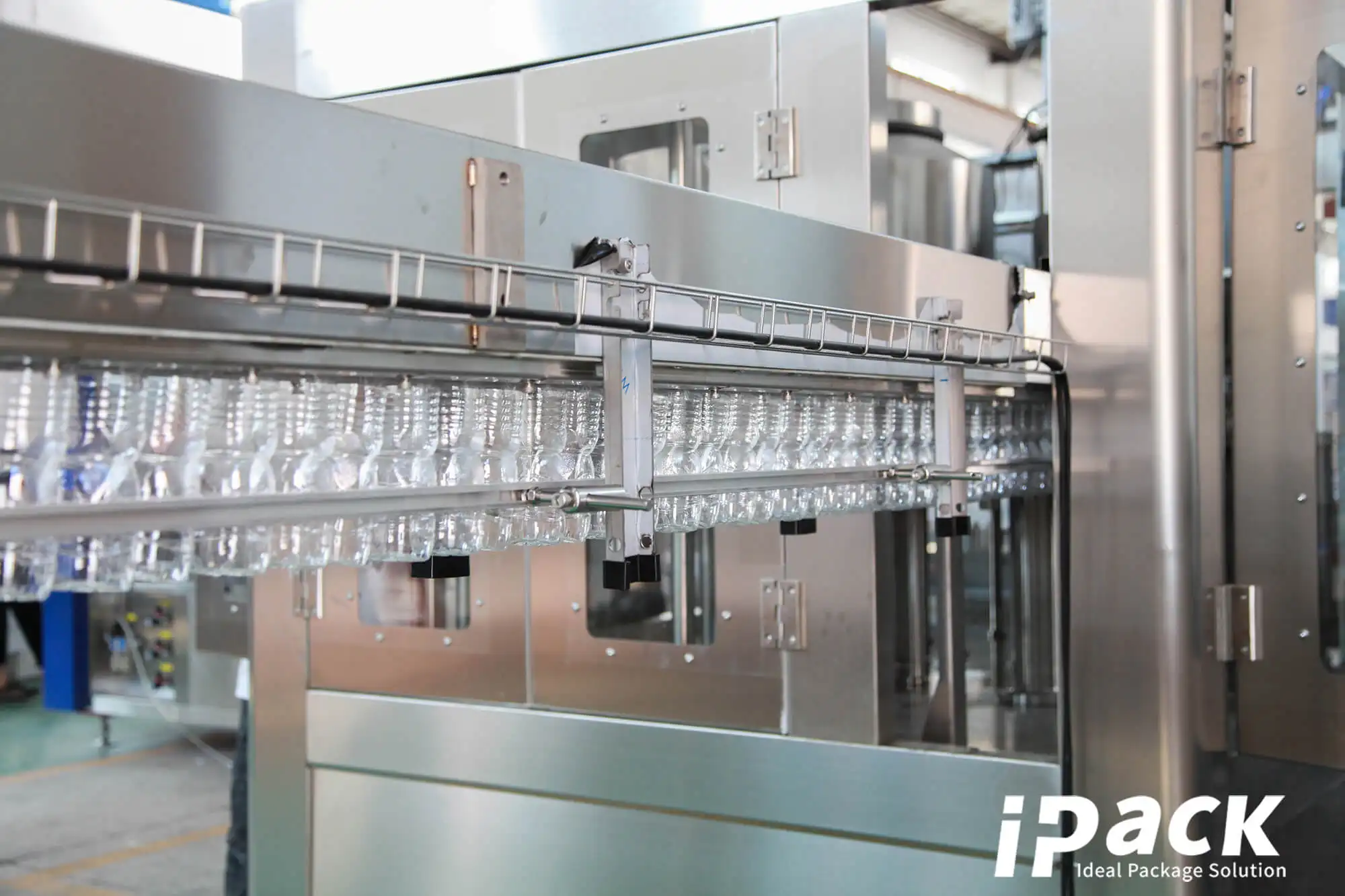
Filling Accuracy and Consistency: The Foundational Performance Metric for Water Filling Machines
Calibration stability across temperature fluctuations and line-speed changes
Getting calibration right when conditions change is what stops those pesky issues of underfilling or overfilling, which matters a lot for pure water products. Just a 1% error can cost companies around $740,000 each year in recalls according to Ponemon's research from 2023. When temperatures fluctuate, PET bottles actually expand or shrink by about plus or minus 0.3% for every 10 degree Fahrenheit shift. That means filling systems need to adjust on the fly using smart algorithms to keep things accurate. The problem gets worse during production line acceleration periods where pressure stabilized flow meters have to fight against foaming caused by inertia that messes up measurements. Better systems now come equipped with thermal sensors that automatically tweak servo valves, maintaining accuracy within half a percent range even when speeds jump by 20%. And let's not forget regular ISO calibration checks help catch any drift before it becomes a bigger issue down the road.
Technology comparison: Gravity, overflow, and counter-pressure systems for pure water applications
| System Type | Accuracy Tolerance | Speed Limit | Foam Sensitivity | Best Use Case |
|---|---|---|---|---|
| Gravity Filler | ±1.5% | 60 BPM | High | Low-viscosity still water |
| Overflow Filler | ±0.8% | 120 BPM | Medium | Bottle level consistency |
| Counter-Pressure | ±0.2% | 200 BPM | Low | Carbonated/premium brands |
When it comes to keeping fill levels consistent even in weird shaped containers, overflow systems are pretty much unbeatable. Meanwhile, those counter pressure units work their magic by sealing bottles with carbon dioxide right before filling, which stops oxygen from getting in and messing up the flavor profile. Gravity based systems still hold their own when budget is tight, though they demand exact viscosity parameters to function properly. The newer generation of overflow systems equipped with automated feedback valves can actually match most counter pressure specs these days, all while costing less to run. This makes them especially popular on large scale pure water production lines where both quality control and bottom line matters count heavily.
Hygienic Design and Sanitation Efficiency: Preventing Downtime Before It Starts
CIP compatibility, drainability, and material certifications (e.g., FDA, 3-A) as reliability enablers
Good hygienic design stops microbes from getting into products and keeps those unexpected shutdowns at bay during water filling processes. Facilities using Clean-in-Place systems cut down on cleaning time by about 40% over traditional methods. The sloped surfaces and designs that don't trap liquid make it hard for bacteria to find places to hide and multiply. When it comes to materials, certifications such as FDA 21 CFR and 3-A SSI matter because they show how resistant something is to corrosion. Bad quality metals actually account for around one quarter of all recall incidents related to contamination according to Food Safety Journal research from last year. All these factors work together to reduce problems caused by biofilms that lead to production stops. What was once just another expense item on the maintenance schedule now becomes something that protects against costly interruptions in manufacturing.
Durability by Design: Wear-Part Strategy and Predictive Maintenance Integration
Seals, gaskets, and drive components: lifespan benchmarks and replacement protocols
In continuous water filling operations, FDA grade EPDM seals generally need replacing after about 12 to 18 months of service. Stainless steel drive chains tend to last much longer around 30 thousand operational hours give or take. Most facilities find it wise to replace these parts when they reach roughly 80% of their expected life span before any major problems occur. For example, putting sensors on gaskets to check thickness changes and running regular vibration tests on gearboxes helps plan replacements during routine maintenance windows rather than dealing with unexpected breakdowns. According to field data from several manufacturing plants, companies that follow these standard replacement schedules cut down on emergency repairs by nearly two thirds compared to those who wait until something breaks down first.
How modular construction and OEM support extend water filling machine service life
The modular approach makes it possible to swap out worn parts such as filler heads or conveyor segments within just over an hour or two, which cuts down on those annoying production stoppages. Many top manufacturers are starting to install these IIoT sensors across their equipment these days. These little devices monitor how much stress different components are experiencing and send all that info straight to maintenance systems. What does this mean for actual operations? Well, techs can spot potential problems anywhere from three to five weeks before they happen, which means machines tend to last around 40% longer than before. And when there are still issues that need fixing, remote support from OEM experts really speeds things up. Certified engineers walk through repairs using augmented reality tools, something that's actually been shown to keep equipment running smoothly well past 15 years in most beverage manufacturing setups.
Frequently Asked Questions (FAQ)
Why is filling accuracy vital in water bottling operations?
Filling accuracy is crucial because even small errors can lead to significant financial losses, such as product recalls. Accurate filling also ensures consistency across production lines, maintaining the quality expected by consumers.
How do hygienic designs prevent downtime?
Hygienic designs prevent downtime by minimizing microbial contamination risks, thus avoiding production stops. Facilities implementing Clean-in-Place systems are more efficient in cleaning processes and reduce risks associated with bacterial growth.
What are the benefits of predictive maintenance in water filling operations?
Predictive maintenance uses technology to forecast potential equipment failures, allowing facilities to replace parts before breakdowns occur. This proactive approach reduces emergency repairs and extends machine service life.
What is Total Cost of Ownership (TCO) in water filling machine reliability?
Total Cost of Ownership (TCO) accounts for all expenses incurred during the lifetime of a water filling machine, including maintenance, energy consumption, downtime costs, and spare parts, ensuring that decisions are based on long-term reliability rather than just upfront purchase price.
Table of Contents
- Core Reliability Indicators: Uptime, Downtime, and Total Cost of Ownership About Water Filling Machine
- Filling Accuracy and Consistency: The Foundational Performance Metric for Water Filling Machines
- Hygienic Design and Sanitation Efficiency: Preventing Downtime Before It Starts
- Durability by Design: Wear-Part Strategy and Predictive Maintenance Integration
- Frequently Asked Questions (FAQ)