 EN
EN

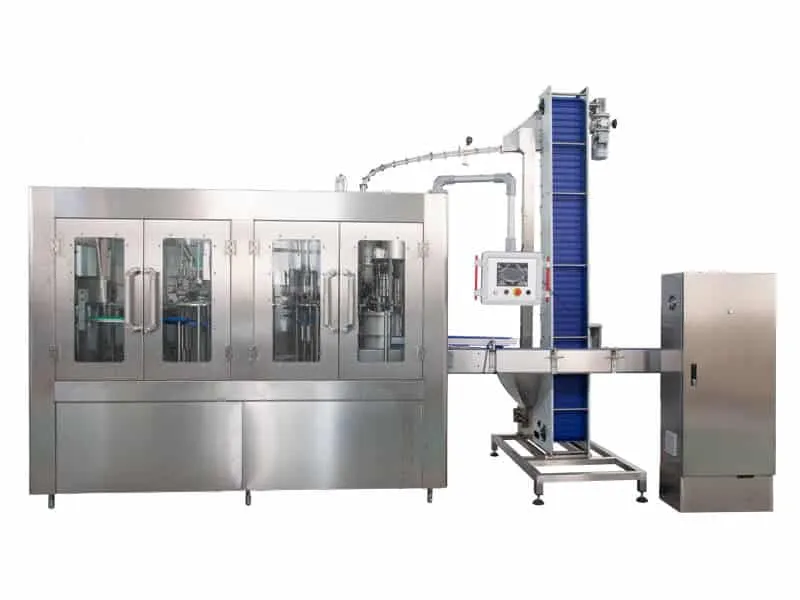
IoT Integration in Water Filling Machines: From Mechanical to Smart Systems
Key IoT Components Embedded in Modern Water Filling Machines
Today's water filling equipment comes packed with Industrial IoT components that turn basic mechanical functions into smart, data rich systems. These machines have pressure sensors that track how accurately they fill containers down to about half a milliliter. They also feature conductivity and turbidity sensors which spot when water isn't pure enough because of things like mineral imbalances or tiny particles floating around. These sensors can pick up changes as small as 0.1 NTU. The brains behind all this are Programmable Logic Controllers, or PLCs for short, that take in all these sensor readings and then tweak valve timings and flow rates on the fly. There are also built in connectivity modules that send performance stats back to central monitoring screens. What makes this setup so good is that it eliminates the need for constant manual adjustments. When there are sudden changes in liquid thickness or temperature variations during production runs, the system reacts almost instantly. This means bottles get filled consistently and meet quality standards even when conditions aren't perfect on the factory floor.
Balancing Investment and ROI: Upfront Costs vs. 37% Average Downtime Reduction
Water filling systems with IoT capabilities do cost about 15 to 20 percent more upfront but pay for themselves pretty quickly. These smart machines use predictive maintenance software that looks at things like how motors vibrate, when bearings start showing wear, and changes in valve responses to send out service warnings long before breakdowns happen. According to industry research, this approach cuts unexpected downtime by around 37 percent on average, which means most companies see their investment costs covered within just 18 to 24 months after installation. The real money saver comes from features like instant leak detection and finely tuned flow controls that slash water waste by as much as 28%. Even better, these machines can fill bottles with incredible accuracy down to fractions of a milliliter (about plus or minus 0.25% when running at 800 bottles per minute), saving roughly $40k annually on wasted water per production line according to Food Engineering magazine last year. By combining electromagnetic flow meters with load cell technology, these systems double check their readings against each other, getting rid of those annoying 2 to 7% errors that used to plague manual checks.
Real-Time Monitoring for Precision Fill Control and Water Quality Assurance
Getting consistent fills below a milliliter and ensuring water safety has become possible thanks to smart sensor systems working together. Pressure sensors manage how liquids move through the system. Conductivity probes pick up on strange minerals that might affect taste or create biofilms. Meanwhile, turbidity sensors spot microbial growths in just 15 seconds, which allows the system to divert contaminated liquid before it gets bottled. One plant in Bavaria put these two types of sensors to work and saw a massive drop in contamination problems, cutting incidents down by almost 92% over eight months. The automated cleaning processes there also slashed chemical consumption by around 31%, all while staying completely in line with FDA regulations for bottled water safety. Since operators stopped doing constant manual checks and started relying on instant diagnostic data instead, downtime during production dropped by nearly 40%. These improvements show that when different monitoring technologies work hand in hand, companies gain better safety standards, run operations more efficiently, and stay compliant with industry rules at the same time.
Cloud Analytics and Predictive Maintenance for Water Filling Machines
The edge-to-cloud pipeline takes all that raw data coming off machines and turns it into something useful for predictive maintenance. Think about those sensors stuck on fill nozzles, running along conveyors, and attached to sealing units. They're constantly picking up pressure changes, motor vibrations, and how long valves take to open and close. The system does some basic analysis right there at the machine level first, which cuts down on lag time before sending everything over to the cloud. What happens next? Well, machine learning models start comparing what's happening now with what normally happens based on past performance. This helps spot problems like worn bearings, tired seals, or when something starts drifting out of spec way before anyone would notice otherwise. Once certain limits get crossed, the whole thing kicks in automatically generating work orders so parts can be replaced or maintenance done during scheduled breaks rather than waiting for breakdowns. Companies using this approach report cutting unexpected shutdowns by around 40% and getting significantly longer life out of their equipment. Maintenance teams go from fixing things after they break to actually preventing failures before they happen.
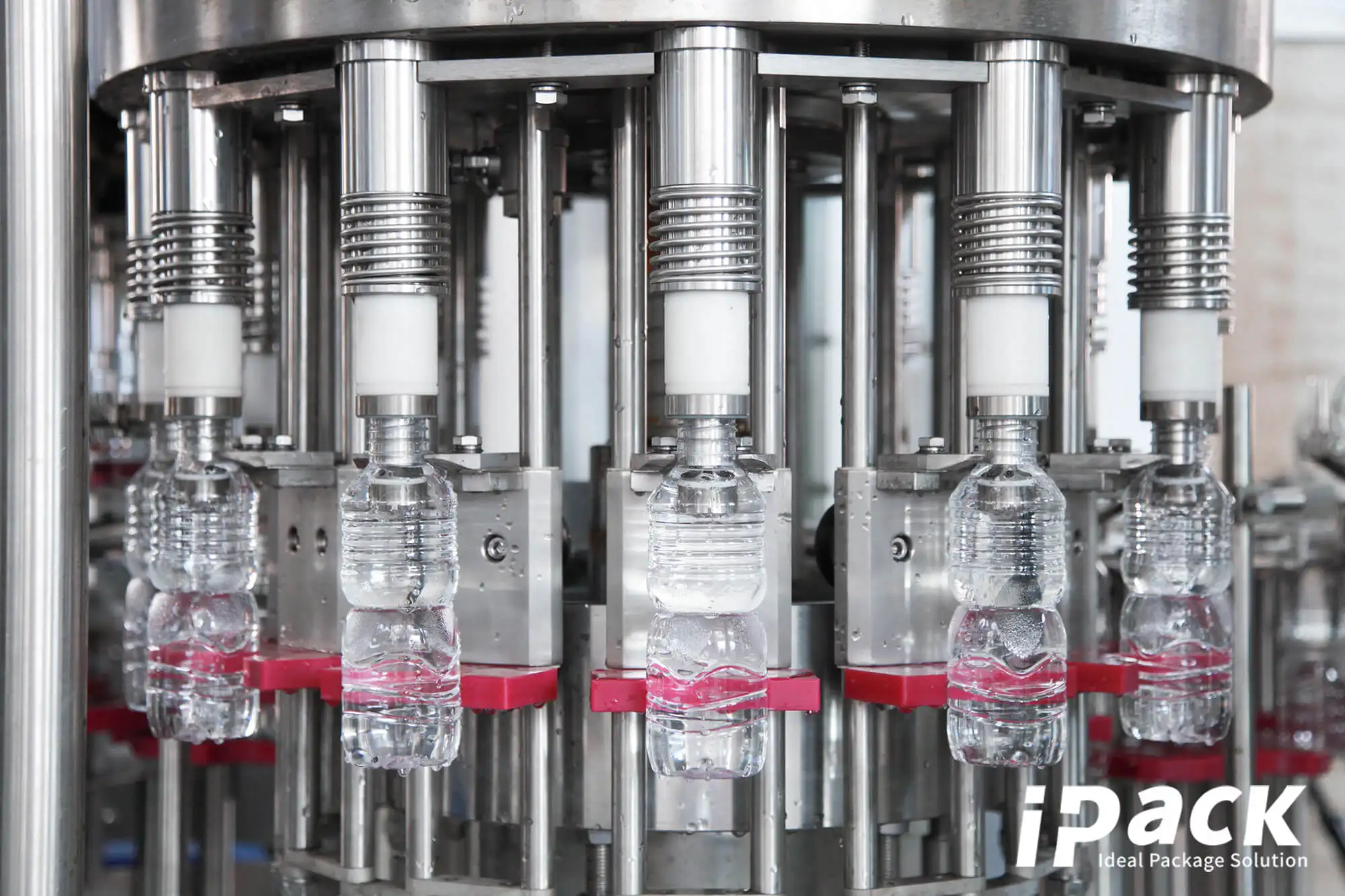
Remote Operations and OEM Support for Water Filling Machine Fleets
OTA firmware updates along with remote diagnostics make it possible to manage entire fleets from one central location without any hands-on work required. Companies can roll out improvements and fix security issues right in the middle of production runs. They also keep an eye on things like flow stability, pressure levels, and motor condition which helps spot problems before they actually break down. A recent study looked at 15 different bottling facilities and found that these systems cut down on the need for technicians to visit sites by about 61 percent according to Beverage Industry Report numbers from last year. The cloud based dashboards give everyone a clear view of what's happening at all locations at once. Engineers can tweak settings from their desks instead of having to be onsite, keeping everything running smoothly. Original equipment manufacturers are using this same setup to send instant help when machines act up, which has slashed downtime by around 42% and really lowered those travel related carbon emissions too.
FAQ
What components make water filling machines smart? Modern water filling machines are equipped with pressure sensors, conductivity sensors, turbidity sensors, programmable logic controllers (PLCs), and connectivity modules that provide real-time data and adjustments to ensure consistent and high-quality performance.
What role do sensors play in maintaining water quality? Sensors such as conductivity probes and turbidity sensors ensure water safety by detecting impurities and microbial growths quickly, allowing the system to divert contaminated water, thus maintaining quality and compliance with safety standards.
How does cloud analytics enhance maintenance? Data from sensors is analyzed both at the machine level and in the cloud, using machine learning models to identify potential issues before they occur, thus enabling proactive maintenance and reducing unexpected shutdowns by approximately 40%.
How do IoT-enabled water filling machines reduce downtime? These machines use predictive maintenance software that monitors components like motor vibrations and valve responses, sending service alerts before issues arise, reducing unexpected downtime by 37% on average.
Table of Contents
-
IoT Integration in Water Filling Machines: From Mechanical to Smart Systems
- Key IoT Components Embedded in Modern Water Filling Machines
- Balancing Investment and ROI: Upfront Costs vs. 37% Average Downtime Reduction
- Real-Time Monitoring for Precision Fill Control and Water Quality Assurance
- Cloud Analytics and Predictive Maintenance for Water Filling Machines
- Remote Operations and OEM Support for Water Filling Machine Fleets
- FAQ