 EN
EN

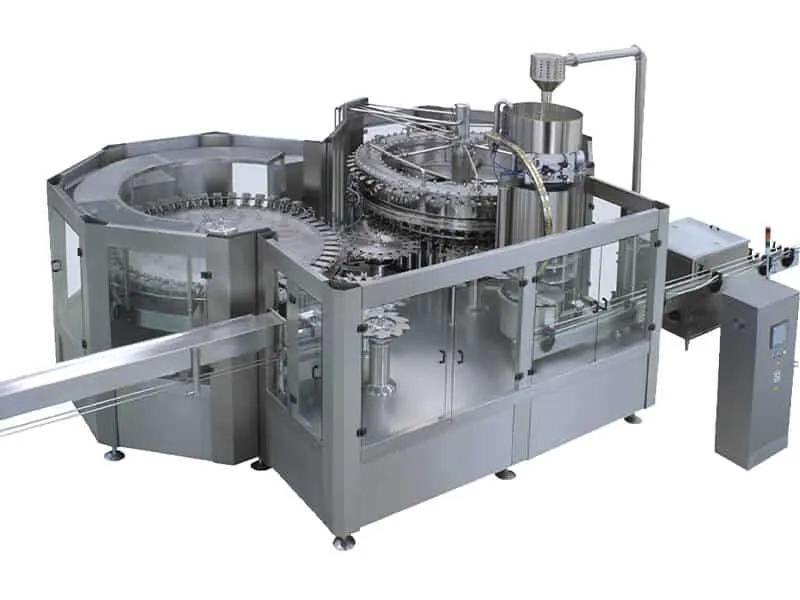
How Carbonated Drink Filling Machines Work: Core Mechanisms and Technology
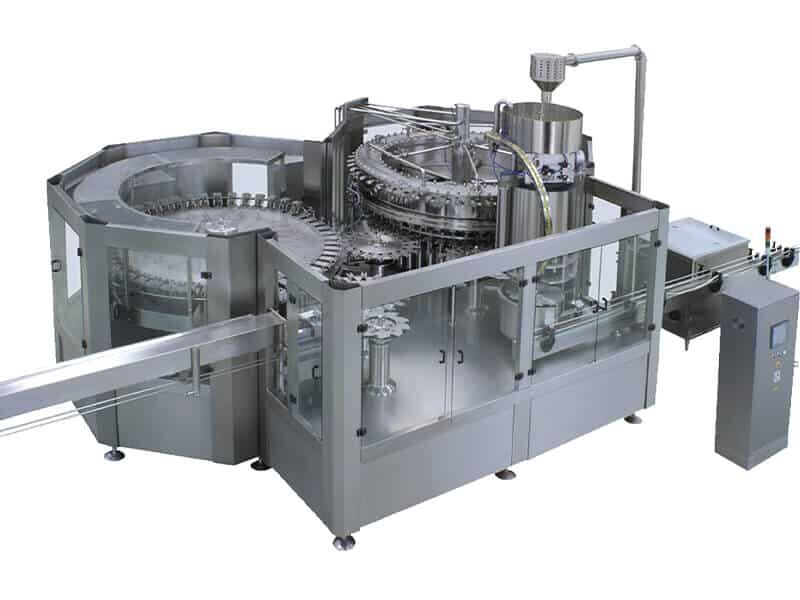
Filling machines for carbonated drinks need really precise engineering if they want to keep all that fizz intact when putting beverages into bottles or cans. There's this thing called the Isobaric Pressure Method that works as the basis here. Basically, it keeps the same amount of pressure inside both the big tank holding the soda and whatever container gets filled. Why does this matter? Well, when pressures match up, there's no sudden rush of CO2 escaping during the process. The machine actually starts by blowing CO2 into empty containers first, then balances everything out before pouring in the actual drink. After filling happens, the pressure drops slowly which helps prevent those annoying bubbles from forming too much foam. This whole system ensures that every bottle stays properly carbonated right until someone cracks it open at home.
Key Components: Filler Valves, Counter-Pressure Systems, and Capping Integration
The filler valves work with incredible precision, controlling flow down to the millimeter and only activating once pressure levels match up correctly. These systems manage carbon dioxide levels through counter-pressure mechanisms equipped with sensors that track differences between tanks and containers within a range of plus or minus 0.1 bar. Most modern production lines now cap bottles just two seconds after filling them, thanks to seals that apply controlled torque to keep internal pressures stable. When all these components work together in harmony - from valves to gas controls to the actual sealing process - it stops oxygen from getting in and helps products stay fresh for much longer on store shelves. Special temperature-controlled stainless steel channels also play their part by minimizing turbulence during transfer, which means manufacturers can expect around 99.5% consistency in fill volumes whether they're working with glass bottles, plastic containers, or aluminum cans.
Selecting the Right Carbonated Drink Filling Machine for Your Production Scale
Small-Batch vs. High-Speed Lines: Capacity, Automation Level, and ROI Considerations
For small scale producers making under 1,000 bottles per hour, manual or semi-automatic equipment makes sense because they keep costs down at the start. These setups still need workers to load products and start each cycle manually. When operations grow to between 1,000 and 8,000 bottles an hour, many find rotary filler systems worth the investment. These machines handle rinsing, filling, and capping all in one go, which saves time and reduces errors. Big beverage manufacturers producing over 12,000 bottles hourly typically invest in completely automated linear production lines. These advanced systems come with built-in conveyor belts and programmable logic controllers that manage every step of the process. What really matters for return on investment varies depending on specific plant requirements and market conditions.
- Labor reduction (automated lines cut staffing needs by 60%)
- Changeover time (modular designs save 30–45 minutes per batch)
- Carbonation consistency (precision valves reduce product loss by 15%)
Material Compatibility: Handling Glass, PET, and Aluminum Containers Safely
What kind of container we're dealing with really determines what sort of machinery specs are needed. Glass bottles have to be handled carefully because they break easily if exposed to too much pressure during filling operations, which is why most systems limit valve pressure below 3.5 bar. For PET containers, things get interesting since these need special counter-pressure mechanisms that maintain around 0.8 to 1.2 bar above the carbon dioxide level in the liquid itself to manage expansion properly. Aluminum cans present their own challenges as well, requiring specific seaming equipment that works with the can seams plus some sort of nitrogen flush system to keep the product fresh for longer periods. There are universal filler machines out there designed to handle several types of containers at once, though they still come with certain requirements depending on the application.
- Adjustable neck grippers (for height variances)
- Non-metallic contact surfaces (to prevent corrosion with acidic beverages)
- Pressure profiles tailored to material permeability (PET loses CO2 40% faster than glass)
Critical Operational Best Practices for Consistent Carbonation and Fill Accuracy
Pre-Fill Cooling, Temperature Control, and CO2 Saturation Monitoring
Keeping drinks under 4 degrees Celsius (about 39 Fahrenheit) right before they go into bottles or cans makes all the difference. Cold liquids hold onto carbon dioxide better, so there's less chance of bubbles forming too early during packaging. The modern setup includes CO2 sensors that check if the drink has enough fizz just before filling starts. These sensors are pretty accurate, within about 0.1 volume units. When something goes off track, the system automatically tweaks the cooling process to fix things up, which cuts down on wasted product by around 7 to maybe even 12 percent depending on conditions. Behind the scenes, programmable logic controllers keep tabs on both temperature and pressure throughout the day, making sure every batch stays consistent from one hour to the next. This kind of monitoring helps maintain that perfect balance between crispness and smoothness customers expect from their favorite sodas and sparkling waters.
Minimizing Foaming and Product Loss Through Valve Timing and Pressure Calibration
Precision valve sequencing prevents turbulence-induced foaming, which causes fill inaccuracies exceeding 5% in uncorrected systems. Servo-driven valves achieve fill tolerances of ±0.5% by synchronizing:
- Liquid phase duration (50–200ms windows)
- Counter-pressure release (gradual 0.5-second ramp-downs)
-
Pre-pressurization matching (<1 psi differential vs. beverage tanks)
A 12mm sensor misalignment can waste 150mL/minute at high speed. Automated pressure calibration during CIP cycles corrects drift, sustaining accuracy across 10,000+ bottles/hour lines.
Preventive Maintenance and Troubleshooting Common Carbonated Drink Filling Issues
Daily Sanitation Protocols and Gasket/Valve Wear Inspection
Daily cleaning can't be skipped if we want consistent results. Make sure to run food grade sanitizers over every surface where products touch during processing. This helps get rid of microbes and builds up residue that messes with flavors and blocks nozzles. Check those filler valves and gaskets too for any signs of cracking or wear since they often cause CO2 leaks. Some research shows about one fifth of production problems come down to worn out seals. When parts start showing damage, swap them out right away before pressure issues start affecting the whole system.
Diagnosing Underfill, Overfoaming, or CO2 Loss: Root Causes and Fixes
When we see inconsistent fills or too much foam coming out, it usually means there's something wrong with the pressure balance or maybe the valves aren't timing right. Start by checking those counter-pressure systems are keeping things around 15 to 25 psi with good quality gauges. Still getting underfills? Time to look at those filler valve diaphragms - they might be getting stiff over time. Adjusting the timing circuits often fixes this issue. For problems with losing CO2, first check if the caps are sealing properly. Beverages should have about 4 to 5 volumes of carbonation when refilling. A lot of carbonation loss actually comes from temperature changes - roughly 38% according to industry data. That's why chilling drinks down to about 39 degrees Fahrenheit (or 4 Celsius) before filling makes such a difference. And remember to get those sensors recalibrated every three months or so. False readings can cause all sorts of headaches down the line, not to mention the extra costs from wasted product.
FAQ Section
What is the importance of the Isobaric Pressure Method in carbonated drink filling?
The Isobaric Pressure Method is crucial because it stabilizes pressure between the storage tank and the container being filled. This balance prevents CO2 from escaping during the filling process, ensuring that carbonated drinks maintain their fizz until opened by consumers.
Why is temperature control important in filling processes?
Temperature control is vital because colder liquids retain carbon dioxide better, reducing bubble formation during filling. This helps maintain carbonation levels and prevents product inconsistencies.
How does automation impact production in carbonated drink bottling?
Automation significantly enhances production efficiency by reducing labor dependency, enhancing output speed, and improving precision in bottle handling, filling, and capping, which ultimately leads to better return on investment (ROI).
What is a common cause of foaming during the filling process?
Foaming often results from turbulence during the filling process, which can be controlled through precise valve timing and pressure calibration, reducing fill inaccuracies and product loss.
Table of Contents
- How Carbonated Drink Filling Machines Work: Core Mechanisms and Technology
- Selecting the Right Carbonated Drink Filling Machine for Your Production Scale
- Critical Operational Best Practices for Consistent Carbonation and Fill Accuracy
- Preventive Maintenance and Troubleshooting Common Carbonated Drink Filling Issues
- FAQ Section