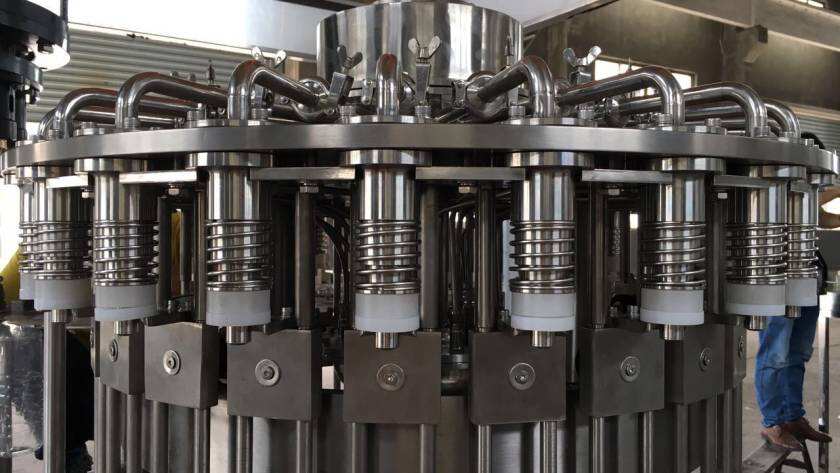
Juice Filling Equipment: The Cornerstone of Quality, Efficiency, and Growth for Juice Businesses
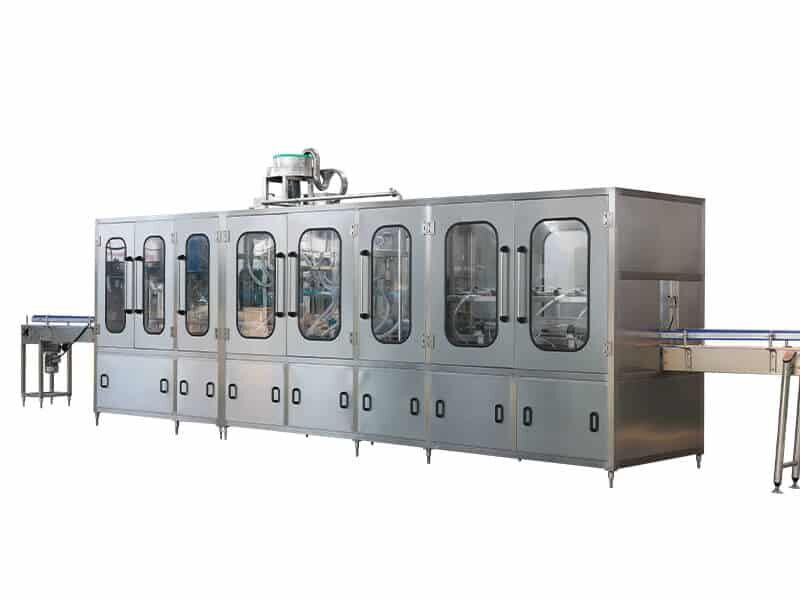
For small-to-medium juice operations (artisanal cold-pressed brands, local orchard producers, startup juice bars), juice filling equipment solves core pain points that block growth. Manual filling causes costly spillage, uneven volumes, and pulp clogs—flaws that harm brand trust—while exposing fresh juice to contamination. Compact equipment fixes these issues: it preserves nutrients (critical for cold-pressed/organic lines), cuts labor time by 50%+, and lets businesses scale from in-store sales to local grocers without overinvesting—turning small batches into consistent, marketable products.
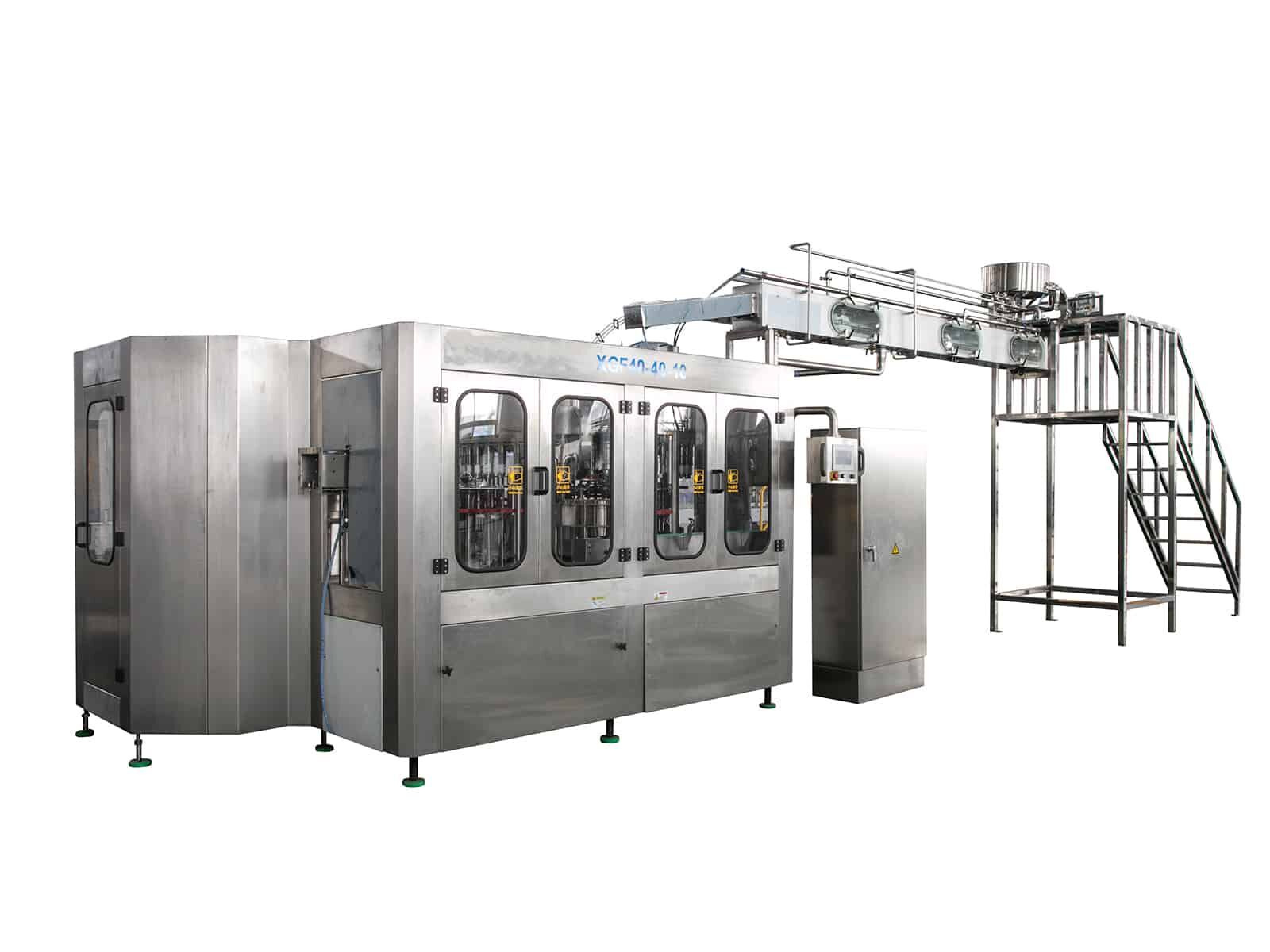
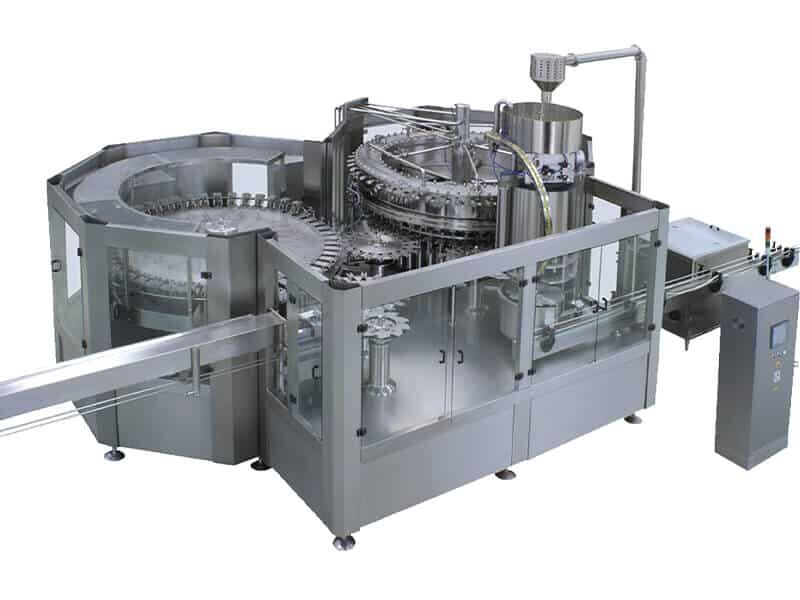
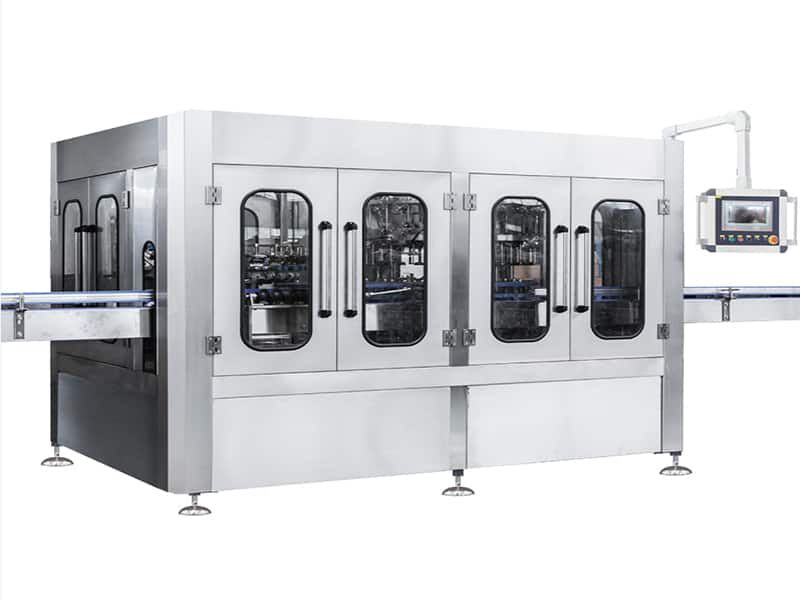
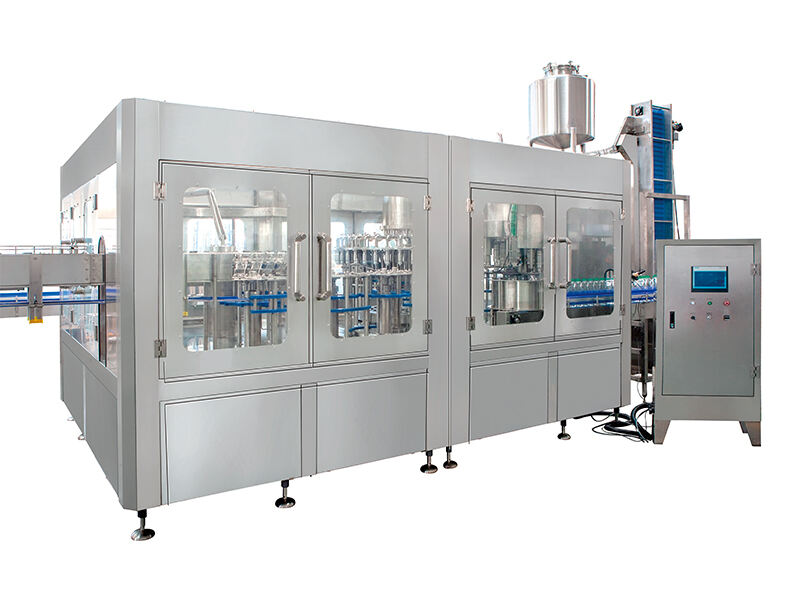
For large commercial juice manufacturers (mass-produced fruit juices, national organic brands, global distributors), juice filling equipment is non-negotiable for meeting demand and complying with safety standards. High-capacity models handle 3,500+ bottles/hour, sync seamlessly with capping/labeling modules for 24/7 operation, and adhere to FDA/HACCP guidelines to avoid recalls. By reducing waste (from spills or inconsistent fills) and lowering labor costs, the equipment keeps production efficient—critical for supplying national retail chains or exporting to international markets while maintaining uniform flavor and quality.
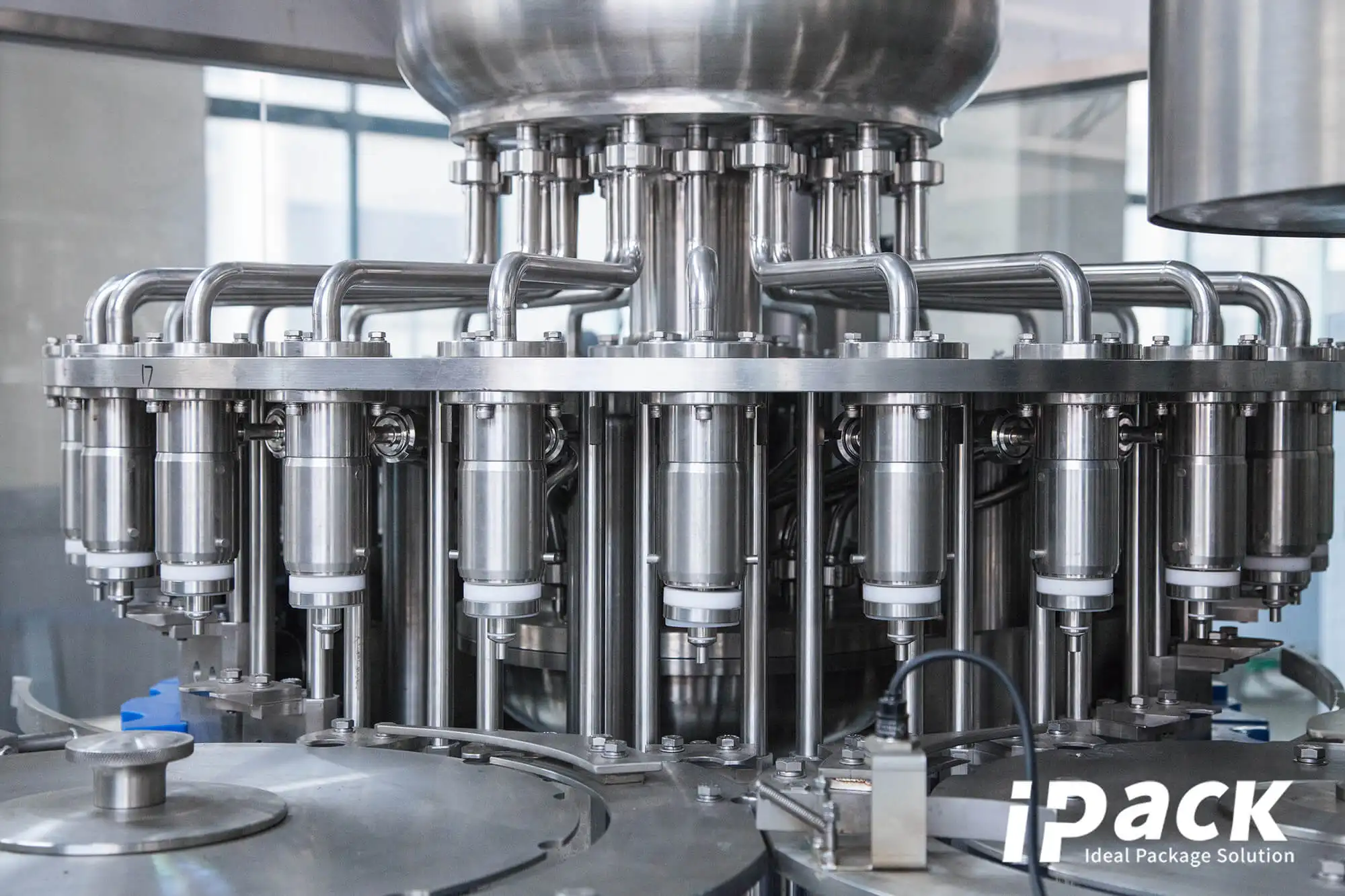
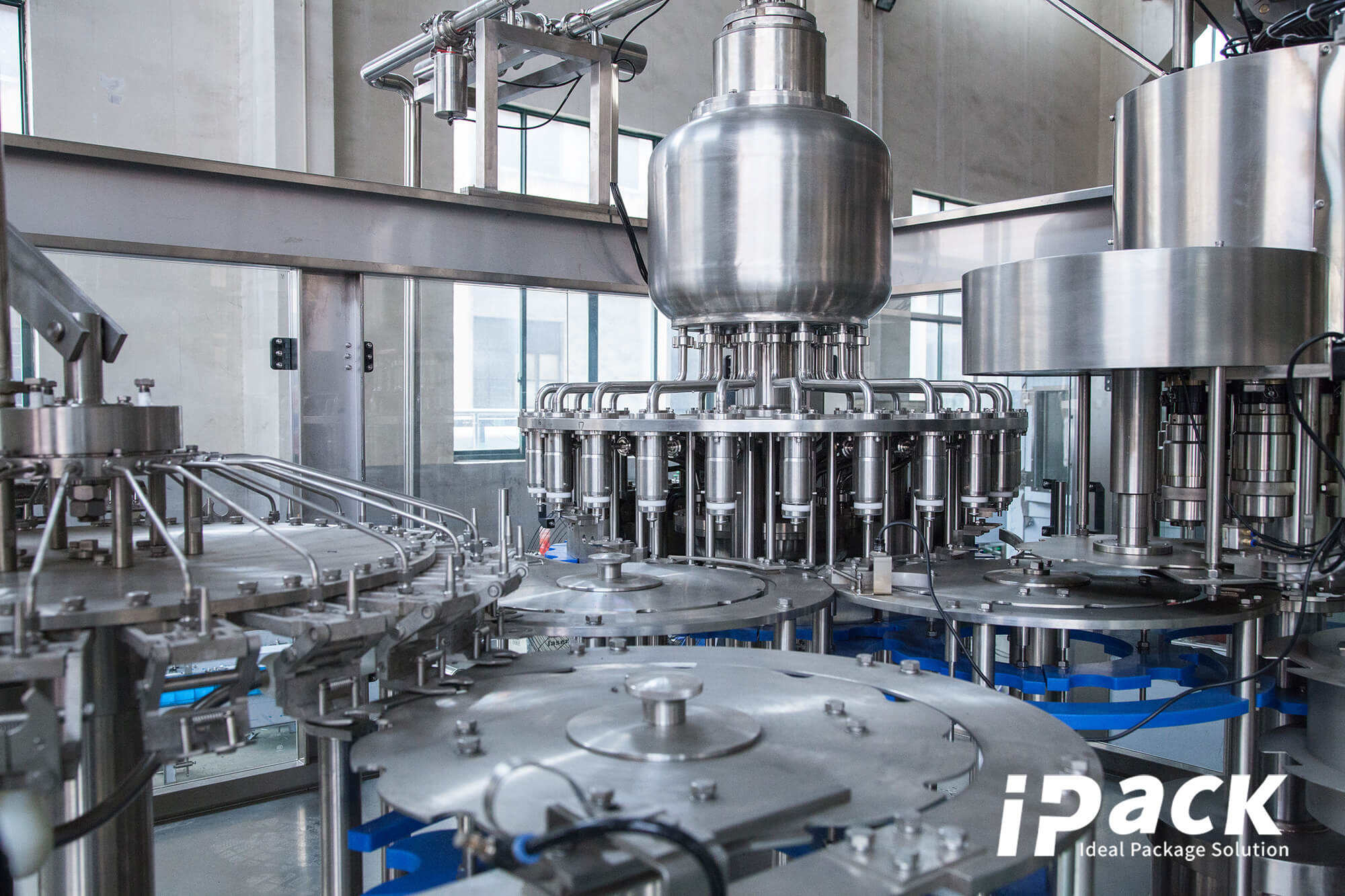
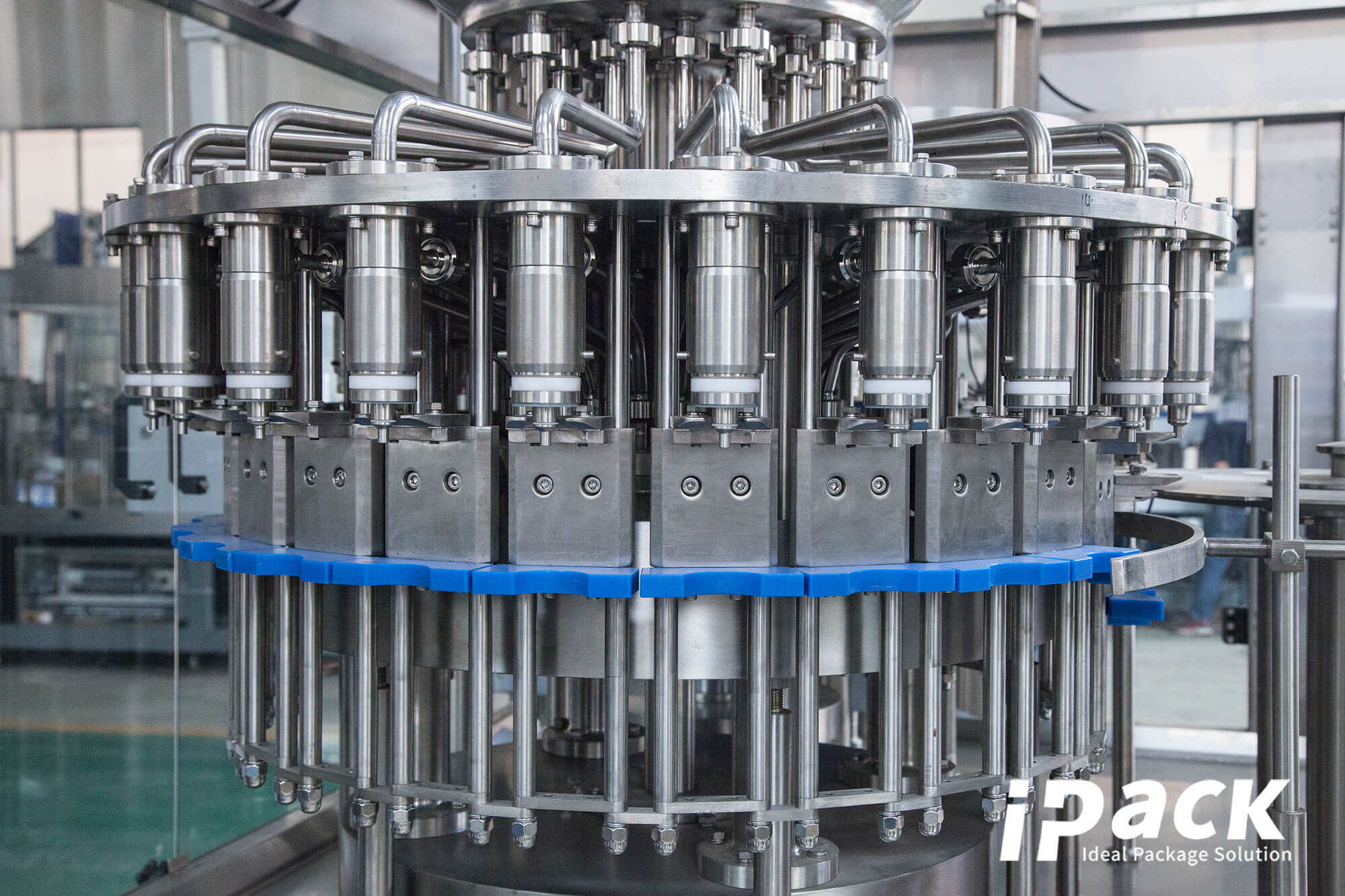
For specialized juice segments (pulp-rich blends, functional juices with added vitamins, shelf-stable organic lines), juice filling equipment enables niche market success. Tailored features—adjustable viscosity settings for thick, pulp-heavy juices, aseptic filling for extended shelf life, and gentle pumping to protect added nutrients—align with consumer demand for unique, high-quality options. Without this equipment, niche brands can’t reliably produce specialized products (e.g., vitamin-infused cold-pressed juice) at scale, missing out on trends that drive modern juice sales.
 EN
EN