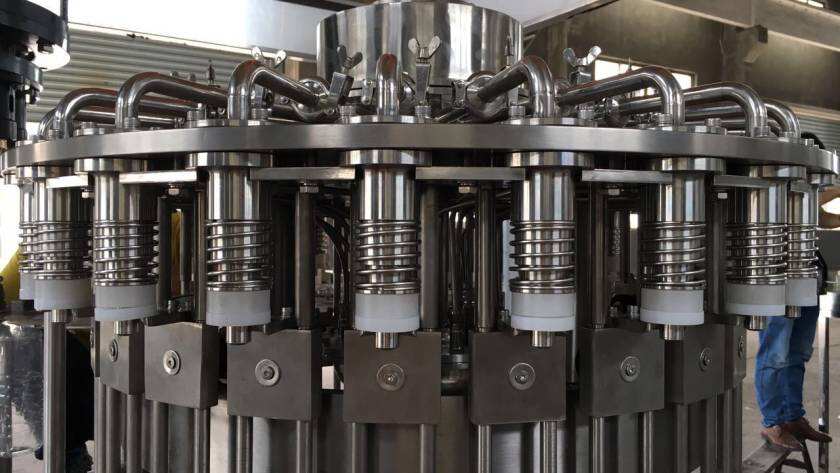
The Significance of Mineral Water Filling Machines for Premium Water Brands
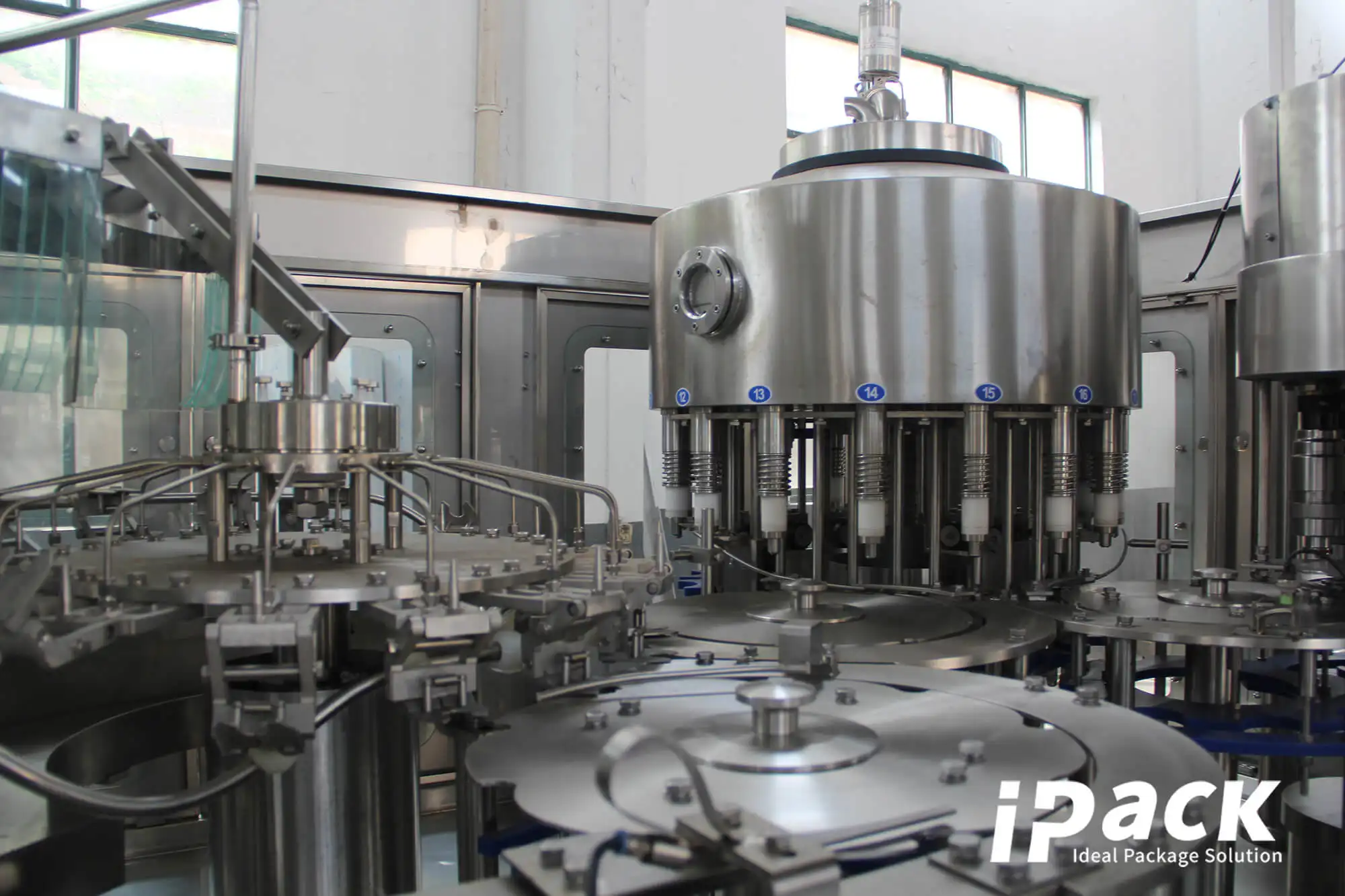
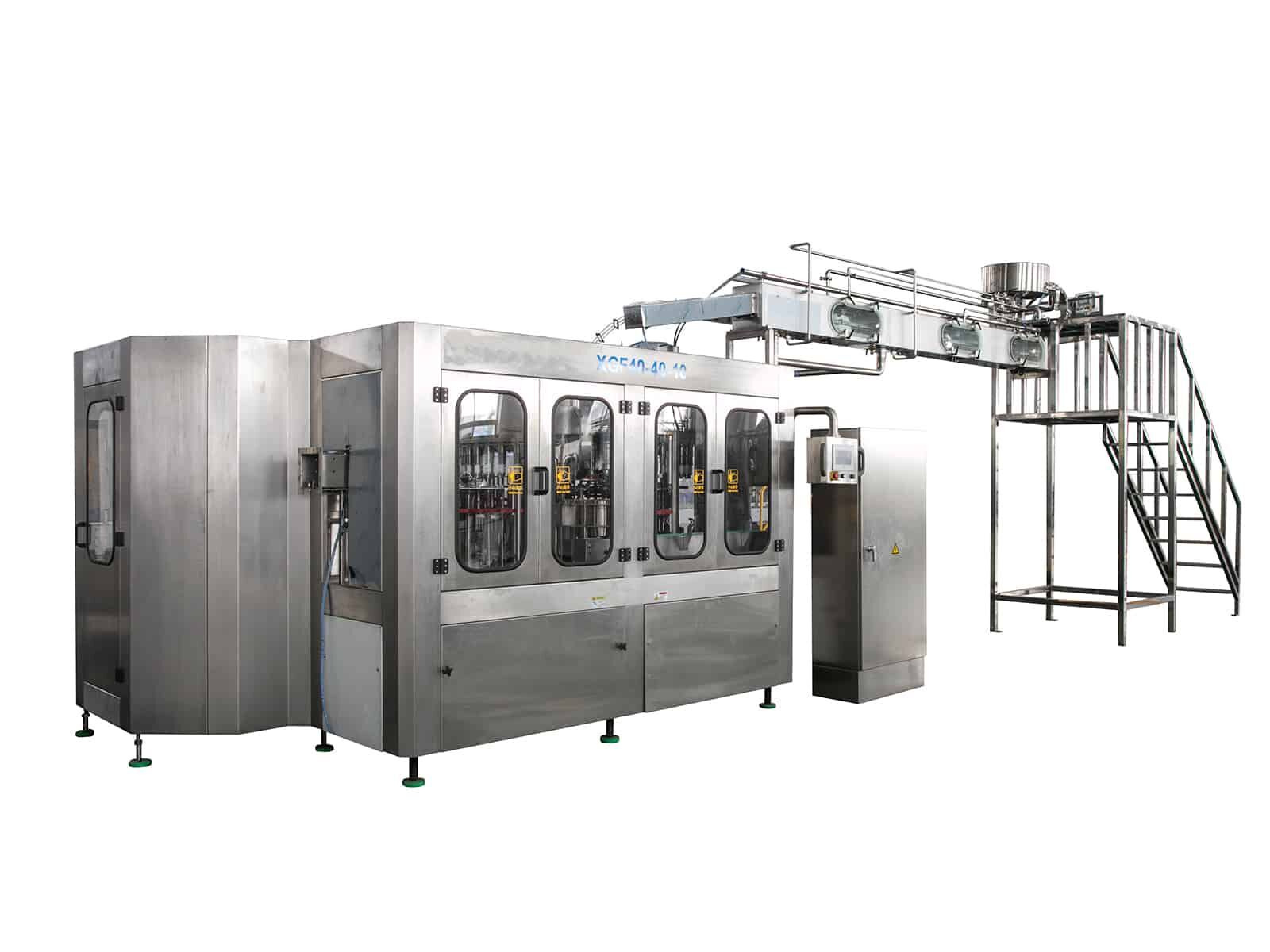
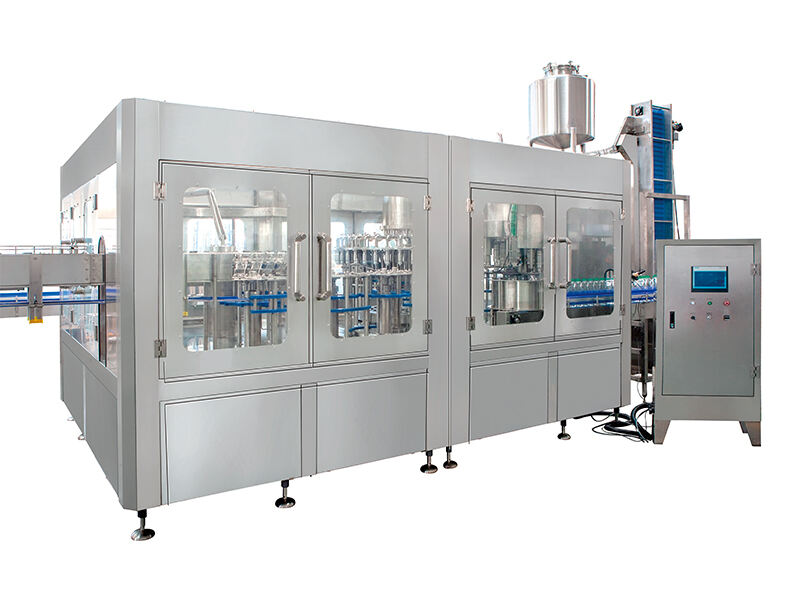
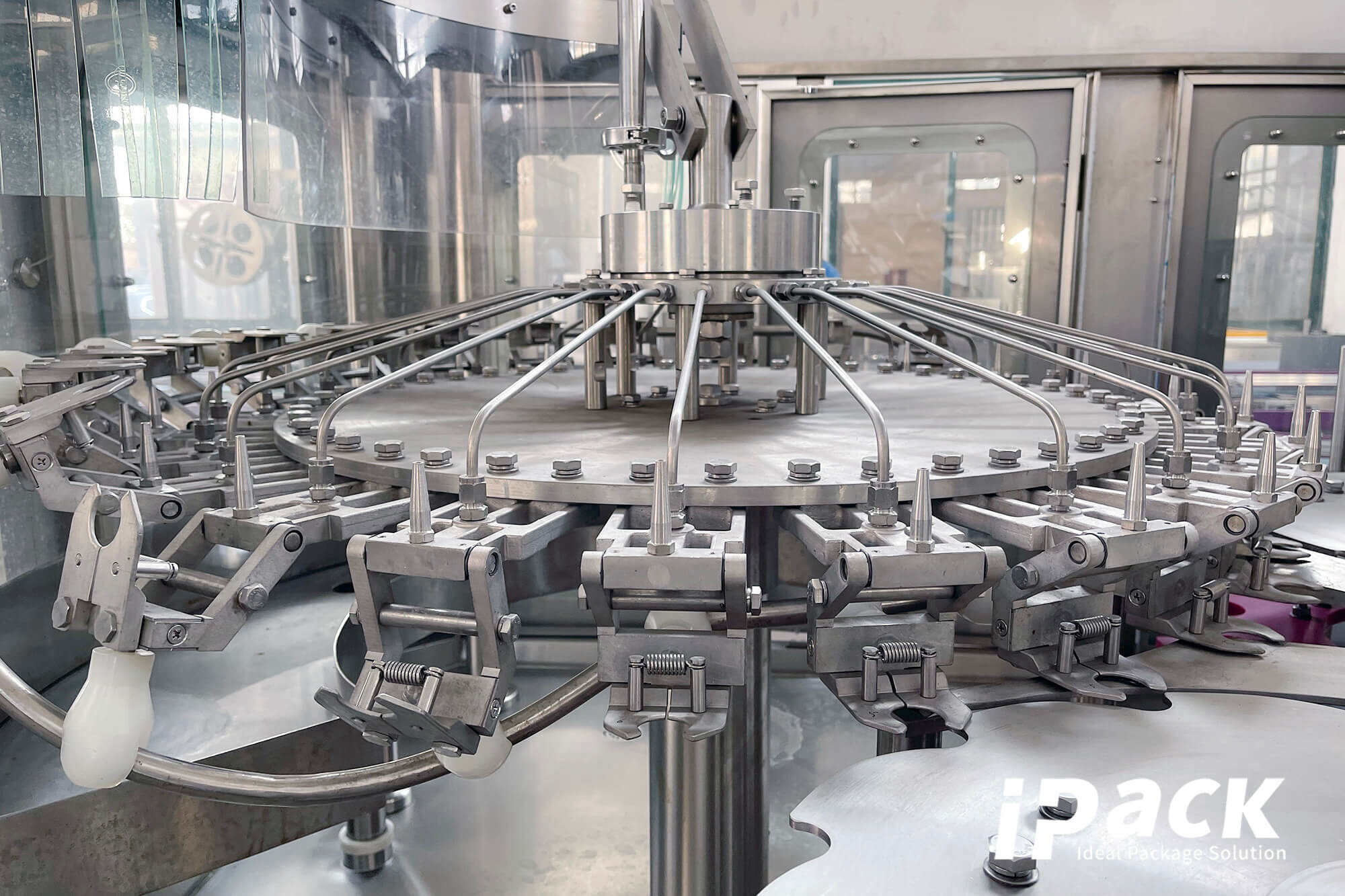
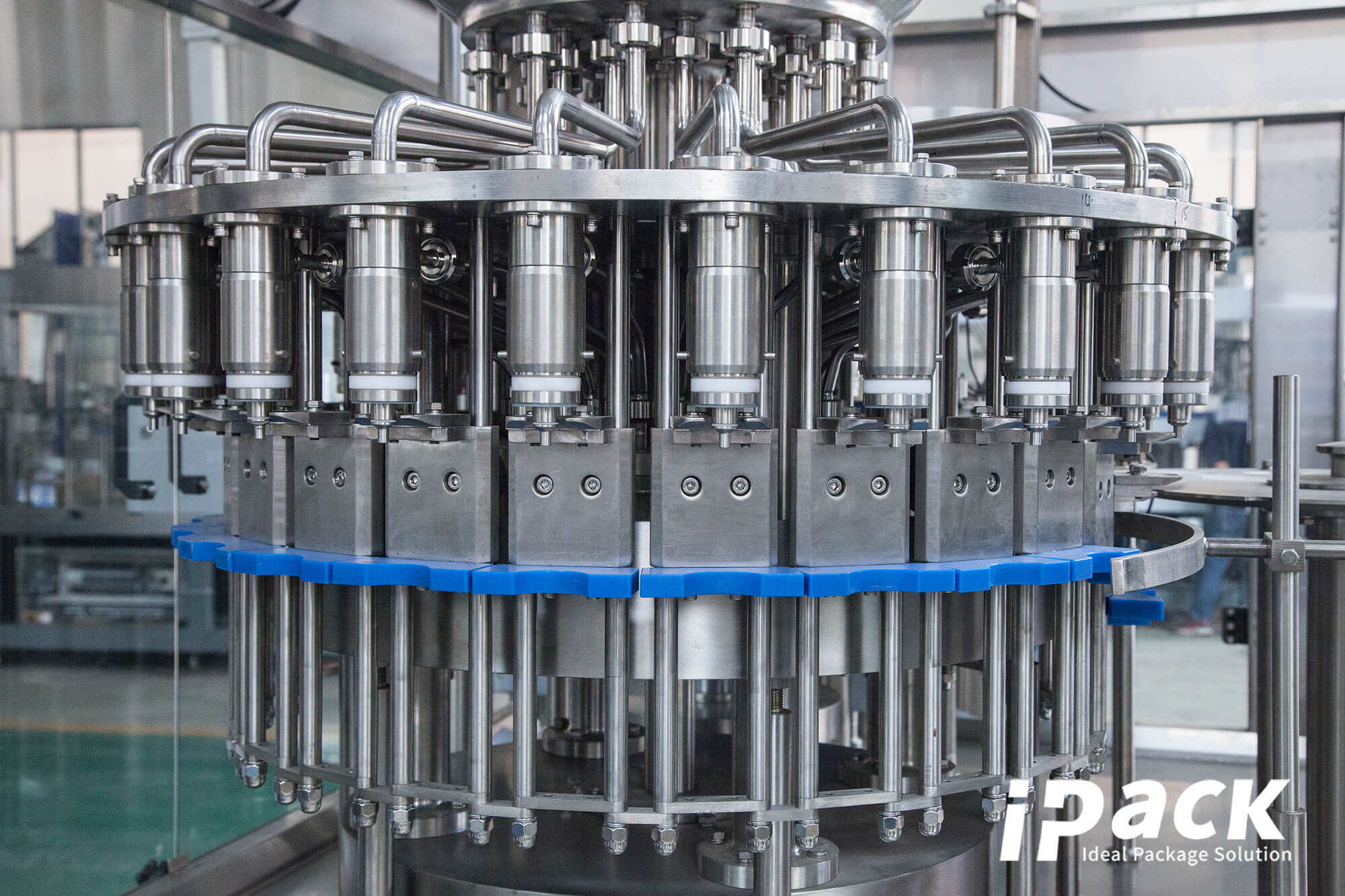
Mineral water filling machines are critical for preserving the unique value of mineral water—its natural mineral composition and purity—which defines its market position. Unlike regular drinking water, mineral water’s appeal lies in its inherent minerals (e.g., calcium, magnesium, potassium) that consumers seek for health benefits. Manual filling or generic equipment risks disrupting this value: over-agitation can alter mineral stability, while open systems expose water to contaminants that dilute its purity or introduce impurities. These specialized machines solve this with closed-loop, low-turbulence filling systems: they gently transfer mineral water from sealed storage tanks to bottles, avoid air contact, and sterilize bottles pre-filling to maintain the water’s natural mineral profile. Without this, mineral water loses its core selling point, reducing its competitiveness in the premium beverage market.
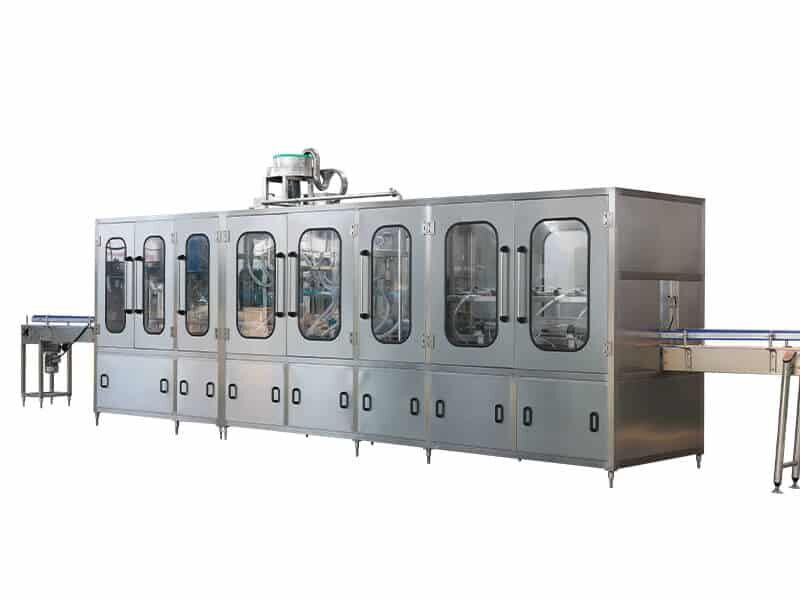
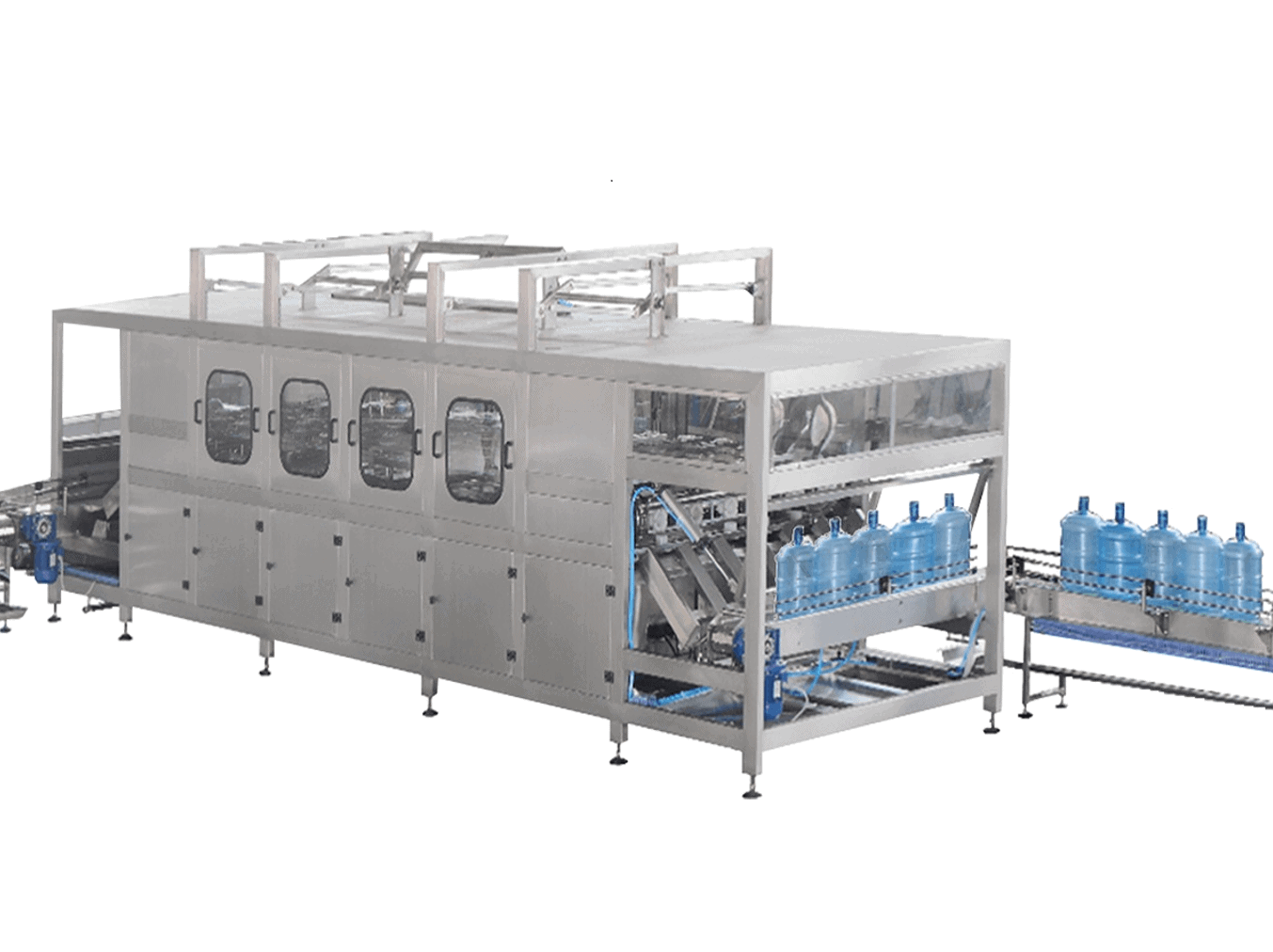
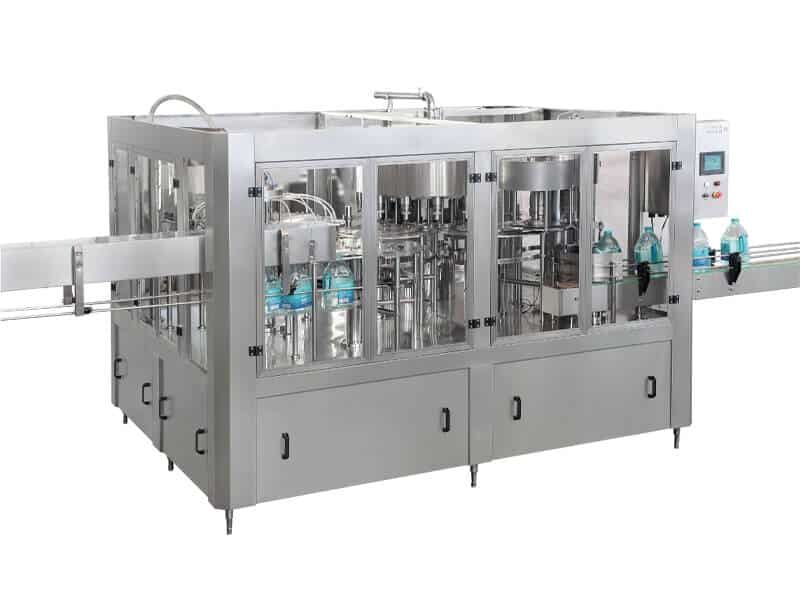
These machines address the efficiency and scalability needs unique to mineral water operations, which often balance quality with demand fluctuations. Many mineral water brands start as regional businesses, sourcing from specific natural springs and producing small batches to maintain authenticity. Entry-level semi-automatic mineral water filling machines handle 150–400 bottles per hour, ideal for these small-scale operations without sacrificing precision. As brands grow to national or international markets, fully automatic models scale to 2,000+ bottles per hour, integrating seamlessly with spring water sourcing systems to maintain consistent flow. This flexibility lets brands avoid the two biggest risks: underinvesting (missing out on growth) or overinvesting (wasting resources on unused capacity) while keeping production aligned with their premium positioning.
Mineral water filling machines are essential for meeting strict regulatory standards and building long-term consumer trust—two pillars of success in the premium water sector. Mineral water is heavily regulated globally: authorities (e.g., EU’s Mineral Water Directive, FDA guidelines) require precise labeling of mineral content, strict hygiene controls, and traceability of sourcing to filling. These machines support compliance with built-in features: they ensure uniform filling volumes (so each bottle has the exact mineral content stated on the label), log production data for audits, and use food-grade materials that won’t react with minerals. For consumers, consistent quality and transparent compliance justify the higher price of mineral water; for brands, this trust translates to repeat purchases and loyalty. Without a reliable filling machine, even the highest-quality mineral water risks failing audits or disappointing customers, undermining its market potential.
 EN
EN