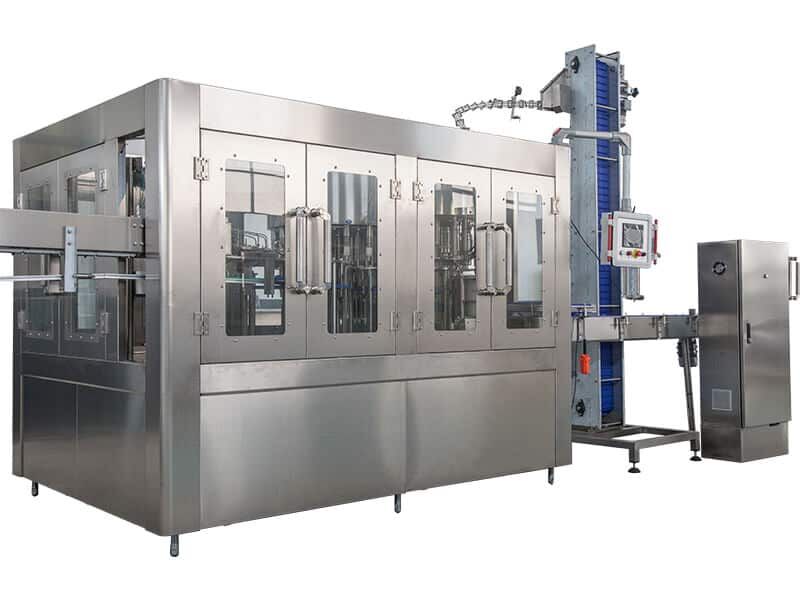
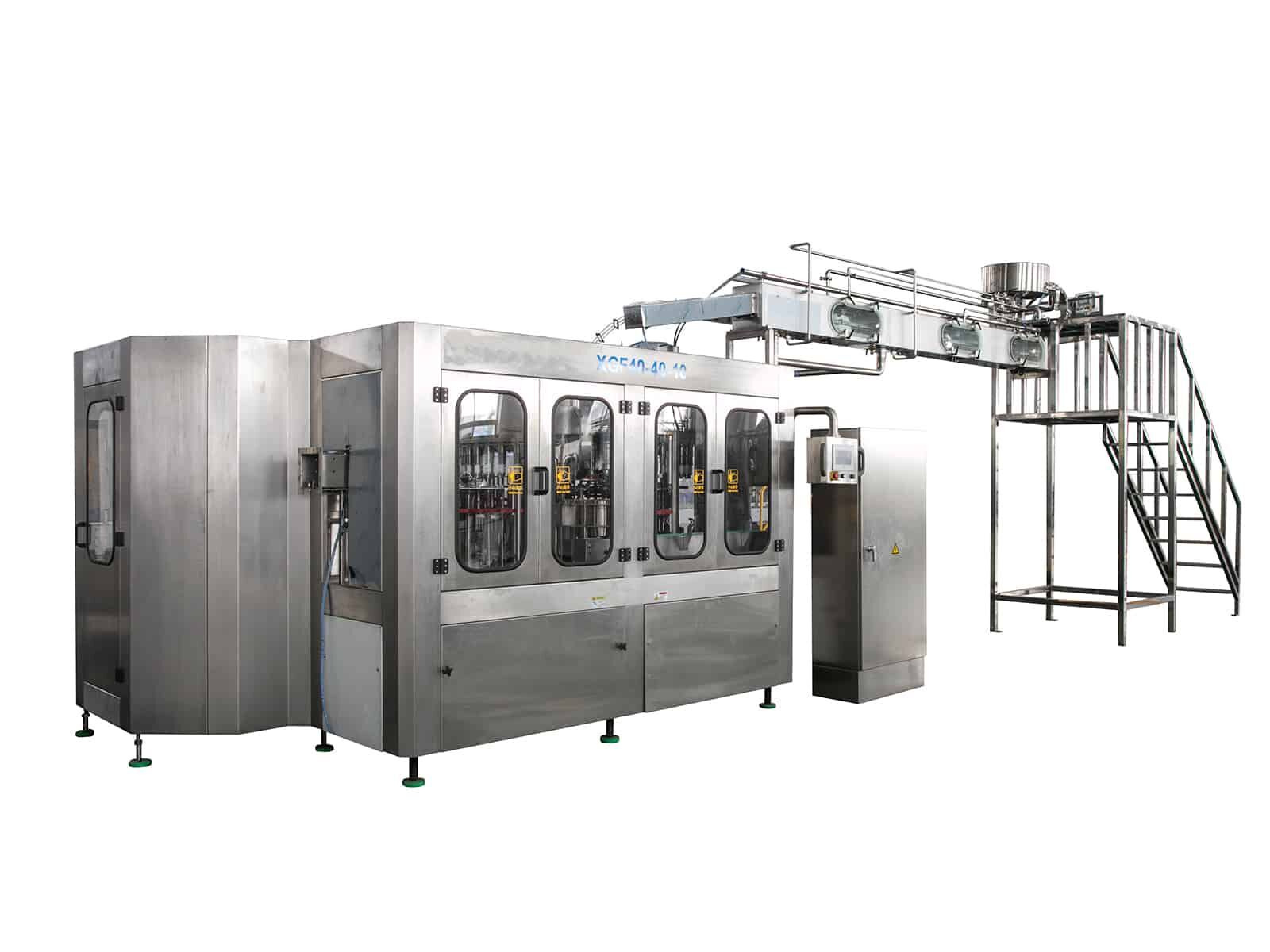
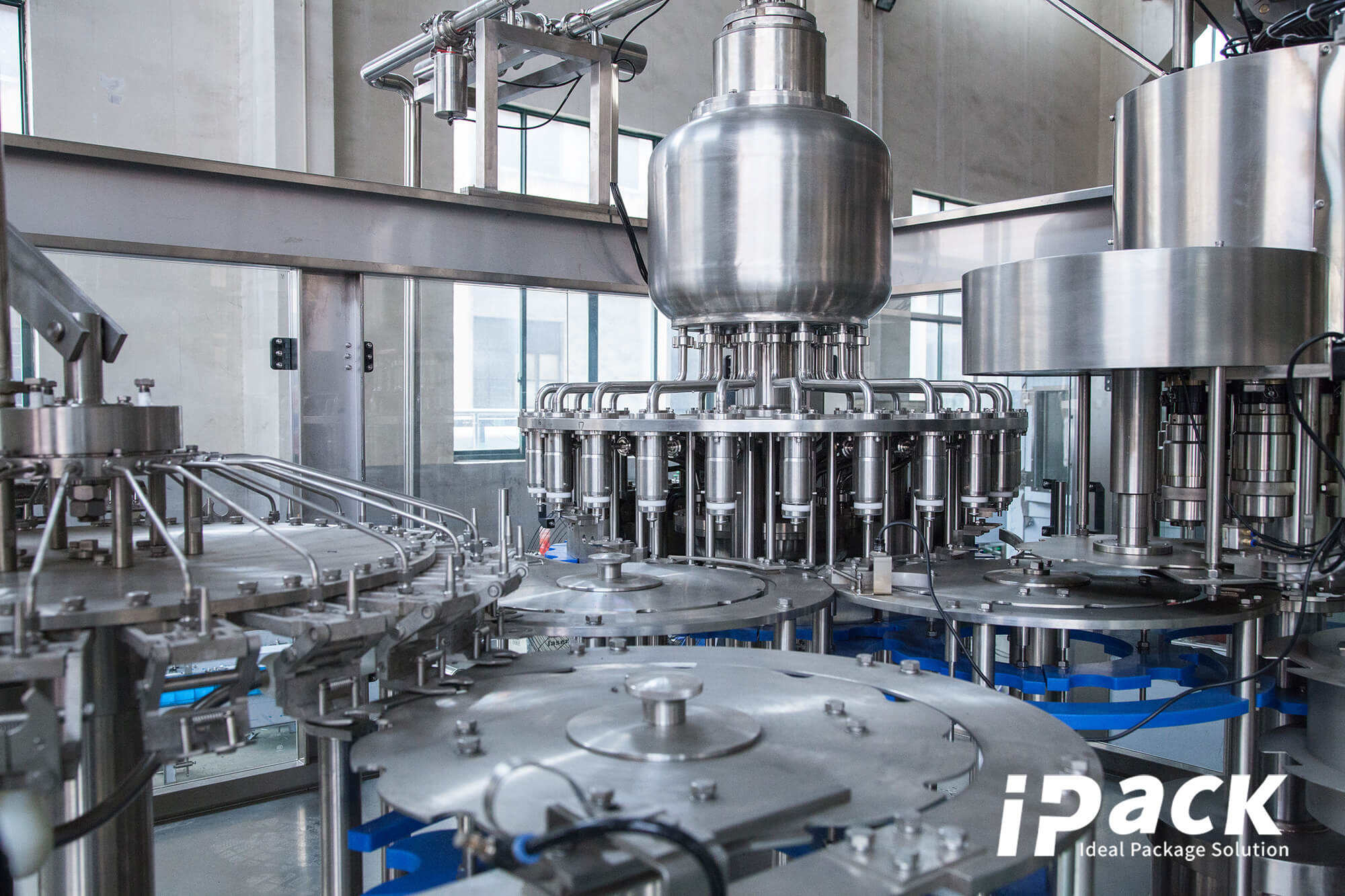
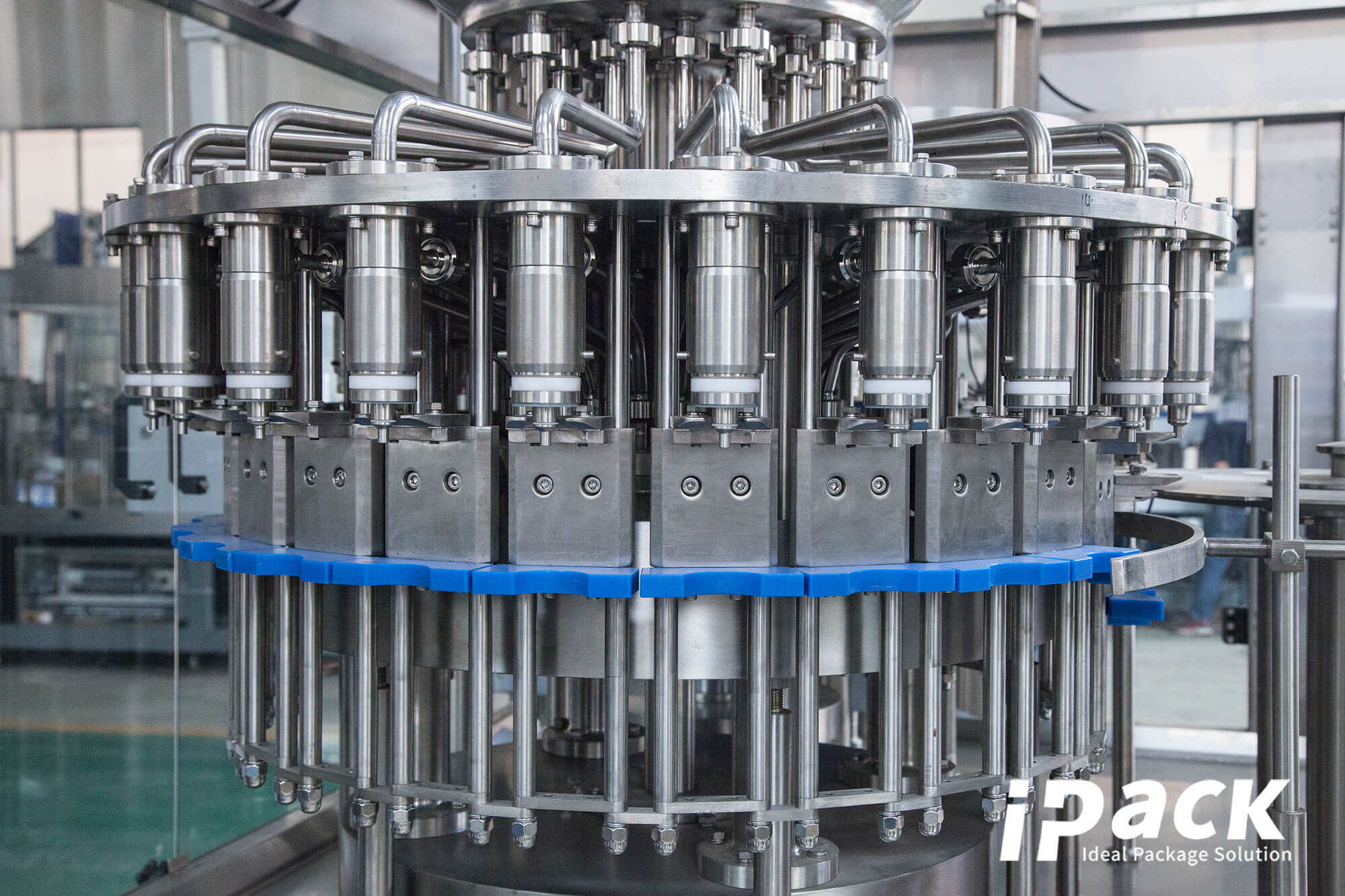
The Significance of Water Bottle Filling Machines for Beverage & Water Businesses
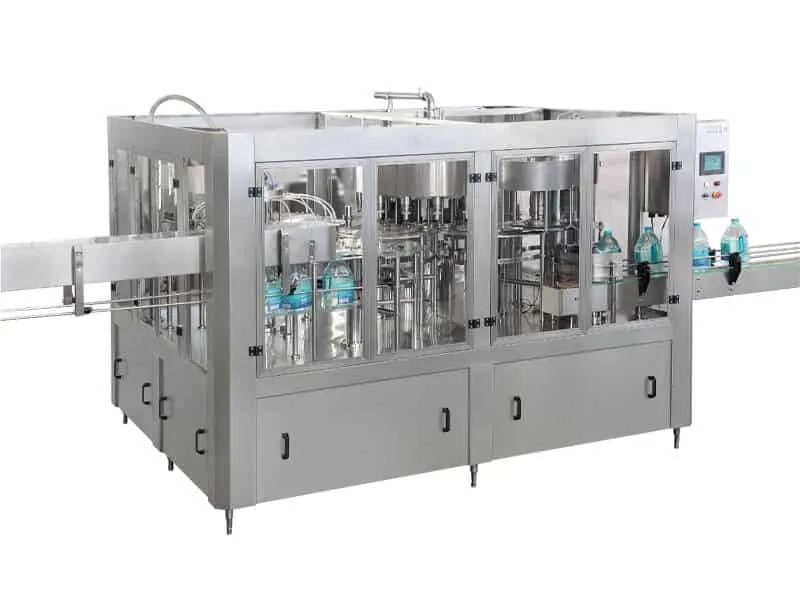
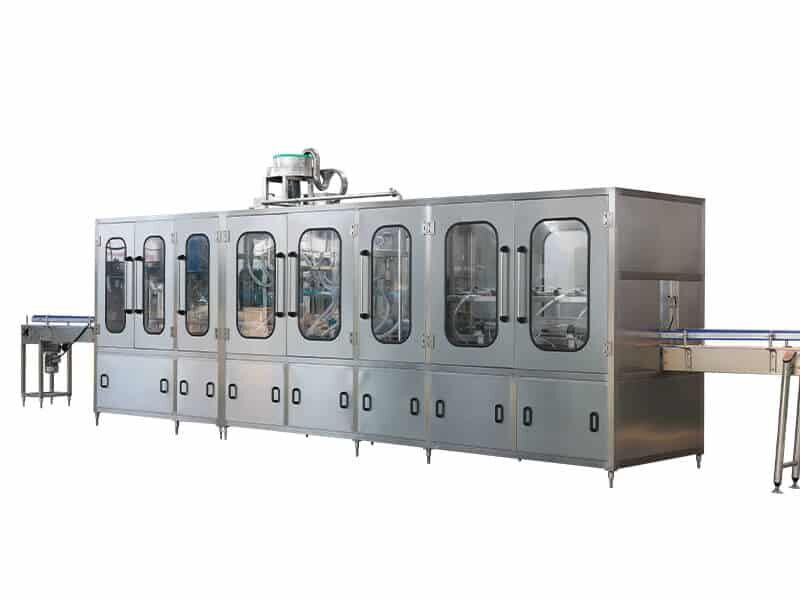
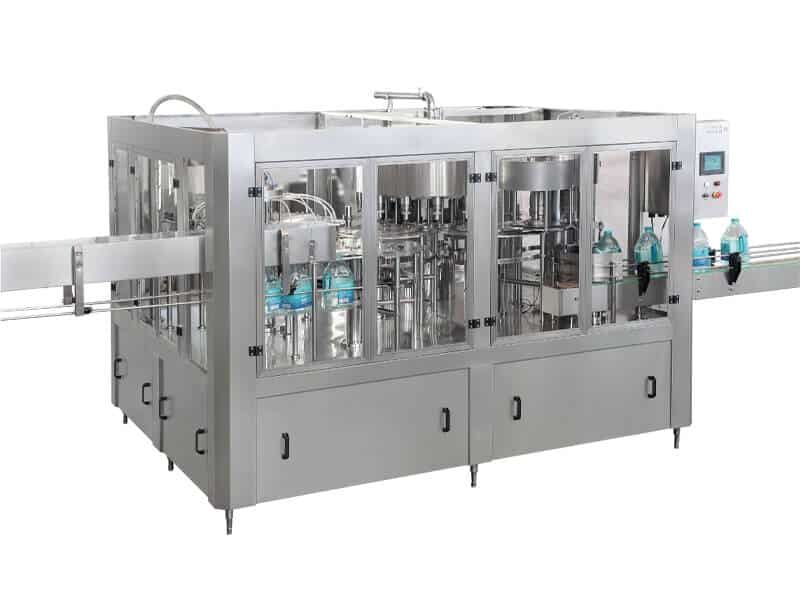
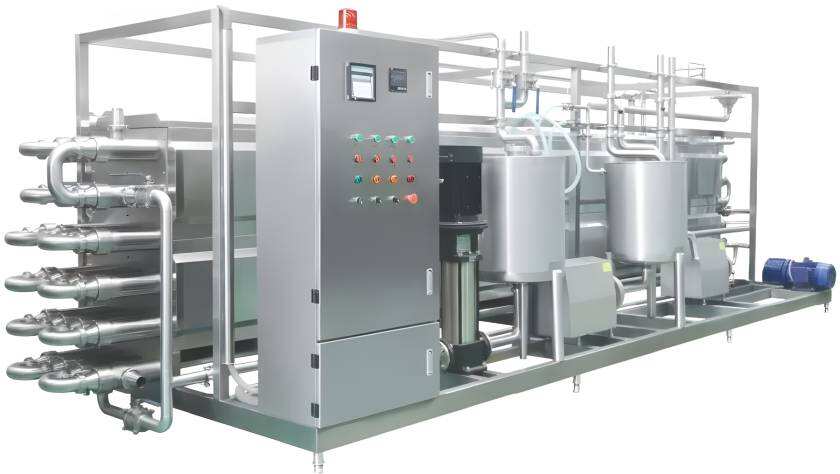
Water bottle filling machines are a linchpin for operational efficiency, directly addressing the limitations of manual filling that hold businesses back. Manual processes—relying on workers to pour, measure, and seal bottles—are slow (typically 50–100 bottles per hour) and error-prone: human inconsistency leads to underfilled/overfilled bottles, spills (wasting 8–12% of water), and sky-high labor costs for scaling. In contrast, even entry-level semi-automatic water bottle filling machines process 200–500 bottles per hour, while fully automatic lines hit 2,000+ per hour. This speed cuts labor expenses by 40–50%, slashes waste to under 2%, and lets businesses meet peak demand (e.g., summer bottled water rushes or holiday beverage surges) without overstaffing. For both small startups and large manufacturers, this efficiency translates to faster time-to-market and higher profit margins.
These machines are non-negotiable for upholding water safety and regulatory compliance—critical for brand survival in the beverage industry. Water is highly susceptible to contamination: manual filling exposes it to human contact, unsterilized tools, or airborne particles, risking bacterial growth (e.g., E. coli) and violations of global standards (FDA, EU Food Safety Authority, or local health codes). Water bottle filling machines mitigate this with closed-loop systems: they automatically rinse/sterilize bottles pre-filling, use sealed pipelines to avoid air exposure, and ensure tight cap sealing to prevent post-filling contamination. Additionally, precise volume control guarantees every bottle meets labeled specifications—eliminating customer complaints about inconsistent sizes and avoiding costly product recalls. For consumers, this safety builds trust; for businesses, it protects long-term brand reputation.
Water bottle filling machines enable businesses to adapt to evolving market demands, turning a piece of equipment into a strategic growth tool. Today’s consumers want diversity: 200ml “on-the-go” mini bottles, 1.5L family packs, and specialty options (flavored water, electrolyte-infused drinks). Manual filling can’t keep up—switching between bottle sizes or product types takes hours of retooling. Modern water bottle filling machines solve this with modular, adjustable designs: they can shift between sizes in 10–15 minutes and handle different viscosities (e.g., thicker functional drinks) without overhauls. This flexibility lets small brands launch niche products (e.g., local mineral water) and large manufacturers test new lines quickly. It also supports scalability: startups can start with a compact semi-automatic machine and upgrade to a fully automatic line as they grow, avoiding overinvestment. In a market where agility wins, this adaptability keeps businesses competitive.
 EN
EN