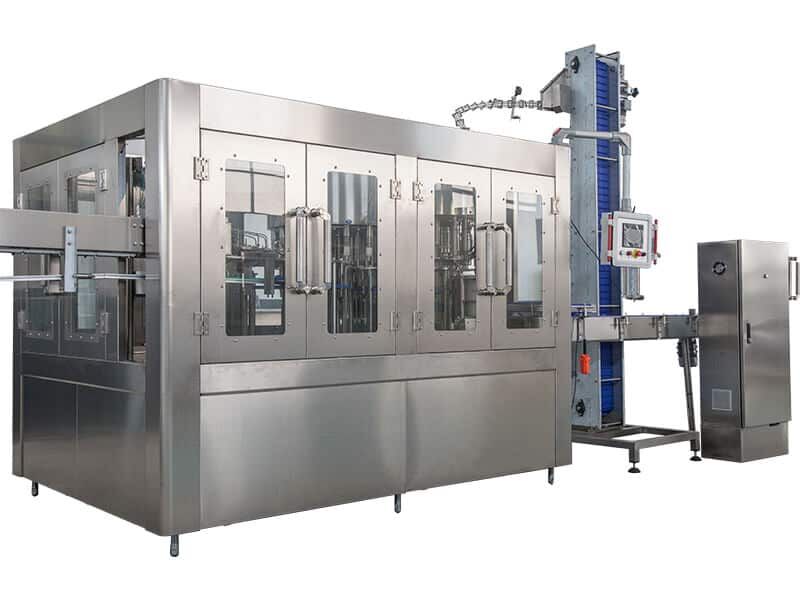
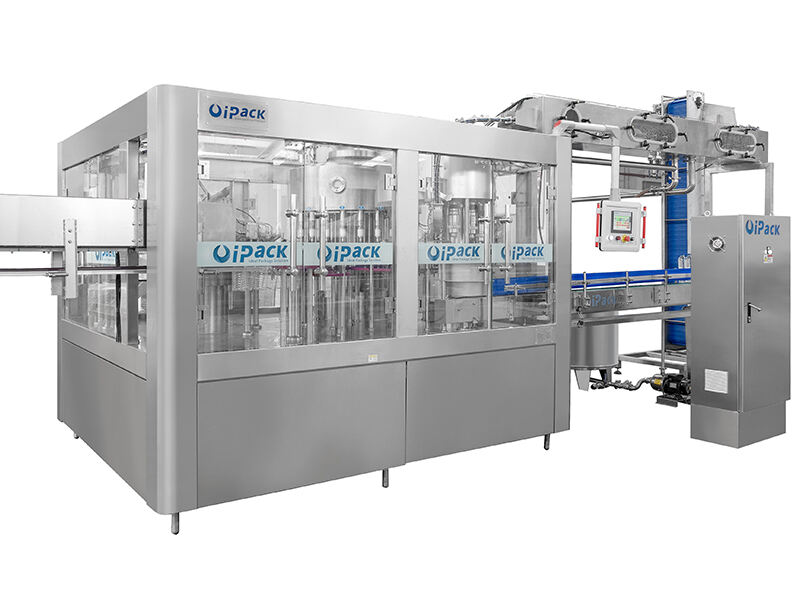
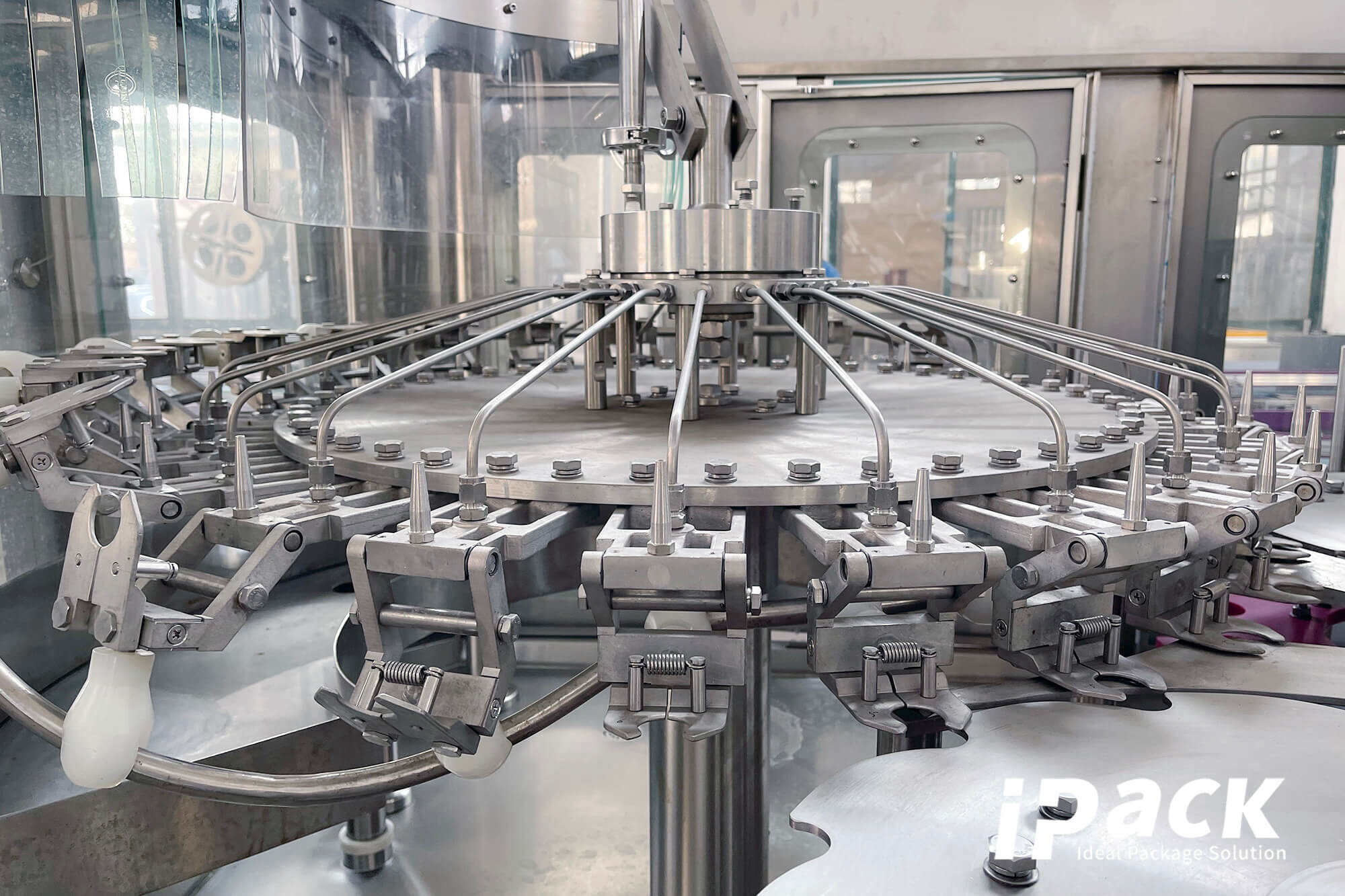
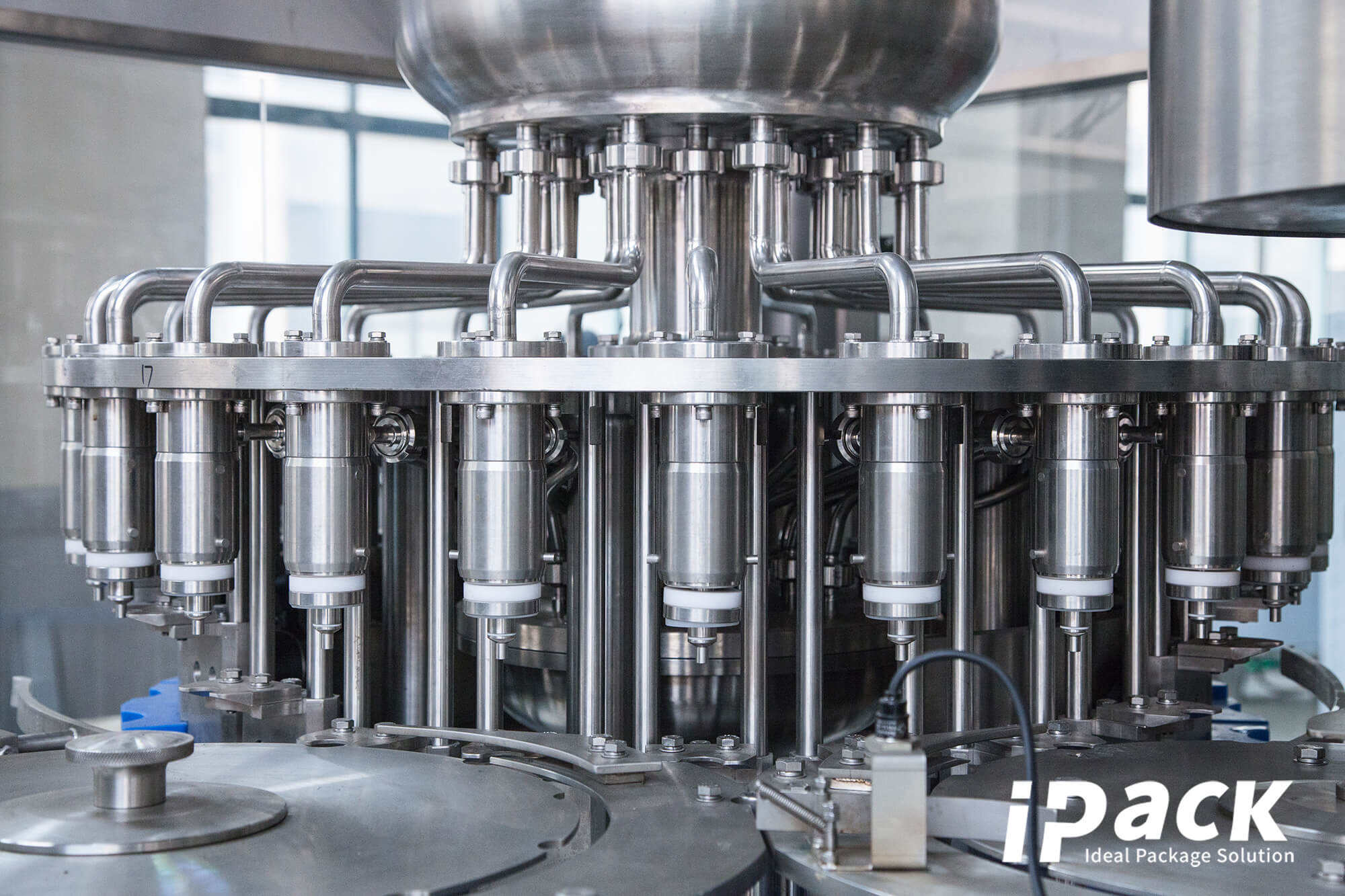
The Significance of Water Bottle Filling Machines for Modern Water & Beverage Businesses
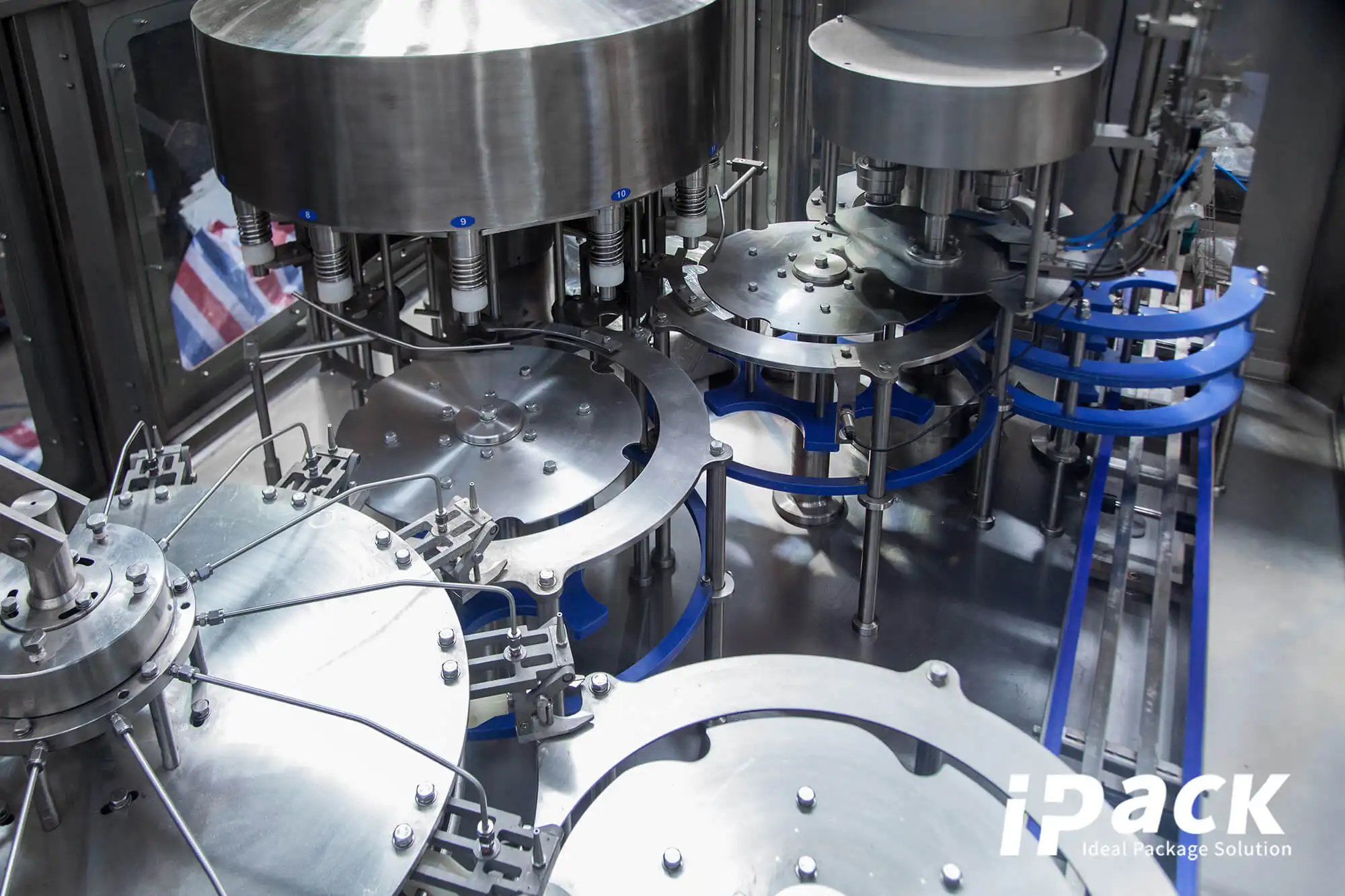
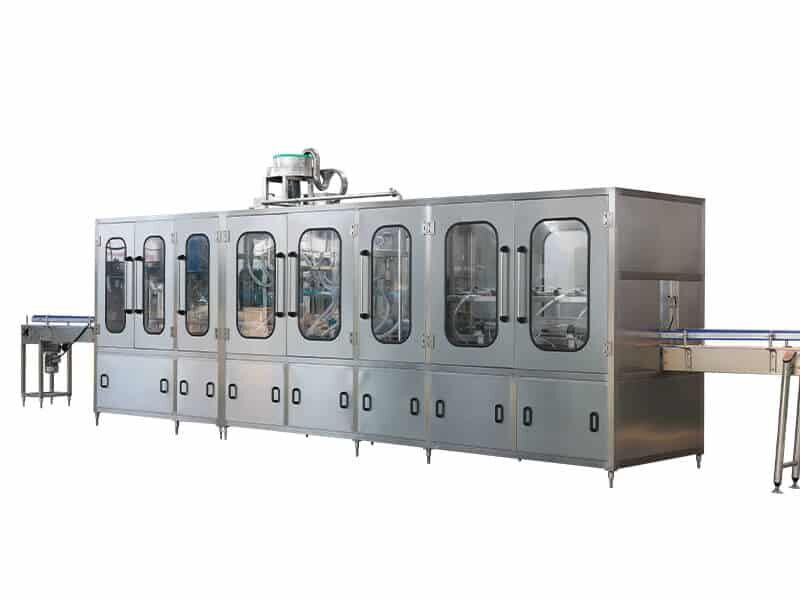
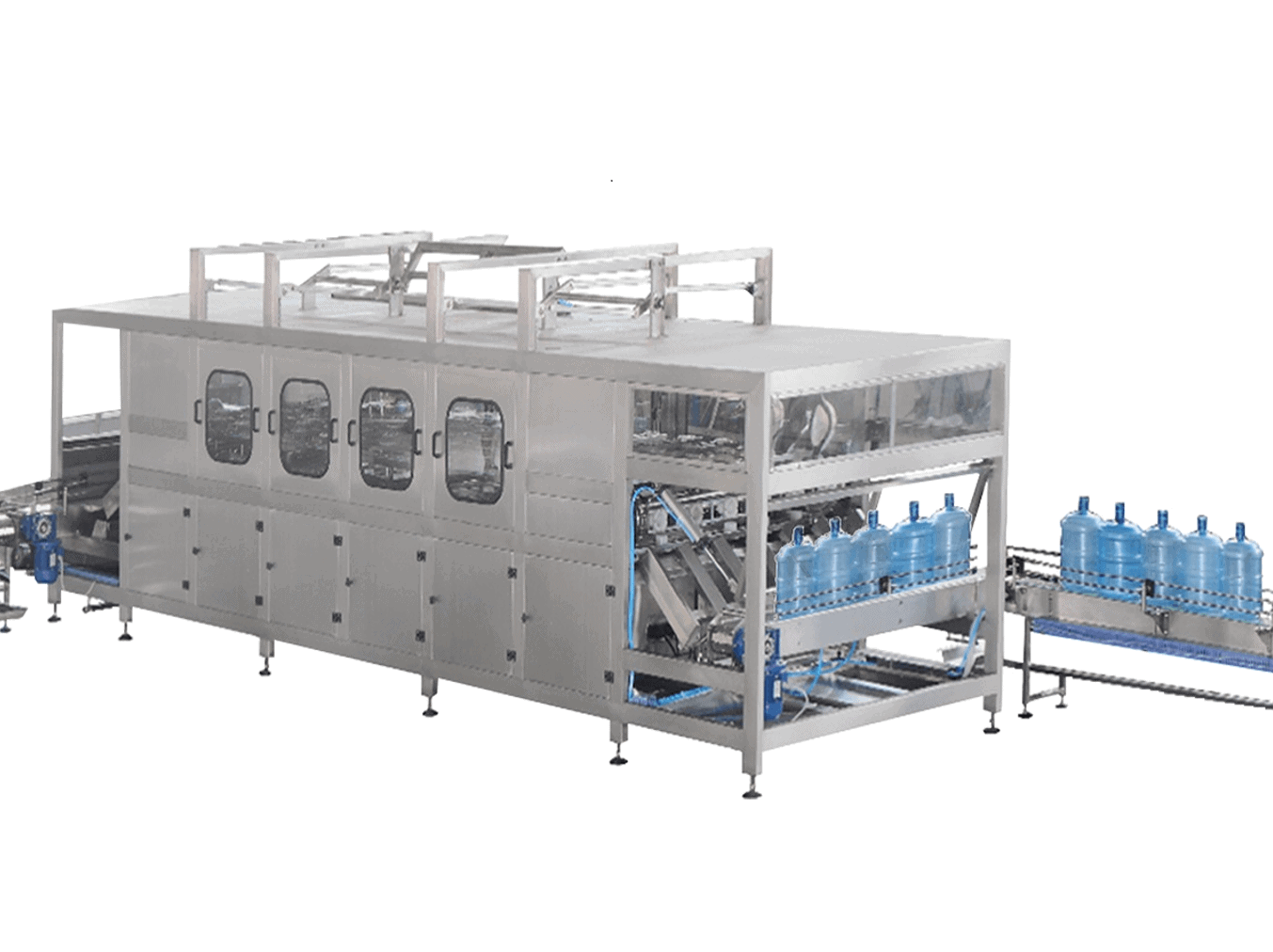
Water bottle filling machines are foundational to solving production efficiency pain points for water-related businesses, large and small. Manual filling—once common for small operations—struggles with slow output, inconsistent water volumes, and high labor costs; a single worker can only fill dozens of bottles per hour, and human error often leads to spills or underfilled products. In contrast, even entry-level semi-automatic water bottle filling machines can handle 200–500 bottles per hour, while fully automatic lines scale to thousands. This efficiency boost lets businesses meet peak demand (e.g., summer bottled water surges) without overstaffing, reduces product waste from spills, and frees up teams to focus on higher-value tasks like quality control or sales—directly improving operational profitability.
These machines are critical for upholding water safety and product quality, two non-negotiables in the beverage industry. Water is highly susceptible to contamination; manual filling exposes it to human contact, unsterilized tools, or airborne particles, risking bacterial growth and non-compliance with food safety standards (such as FDA or local health regulations). Water bottle filling machines address this by integrating closed-loop systems: they automatically rinse and sterilize bottles before filling, use sealed pipelines to avoid air exposure, and ensure tight cap sealing to prevent post-filling contamination. For consumers, consistent, hygienic packaging builds trust in brands—while for businesses, it eliminates the risk of costly product recalls or reputational damage from safety incidents.
Water bottle filling machines also enable businesses to adapt to evolving market demands, a key factor in long-term competitiveness. Today’s consumers expect diverse options: mini 200ml bottles for on-the-go sipping, 1.5L family-sized containers, and specialty variants like flavored or electrolyte-infused water. Most modern filling machines are modular or adjustable—they can switch between bottle sizes, adjust filling speeds for different viscosities (e.g., thicker functional water), and integrate with other equipment (like labelers or packagers) as a business grows. For small startups, this means starting with a compact semi-automatic machine and scaling up without replacing entire lines; for established brands, it allows quick launches of new products to capture niche markets. This adaptability turns the machine from a one-time purchase into a strategic asset that supports business expansion.
 EN
EN