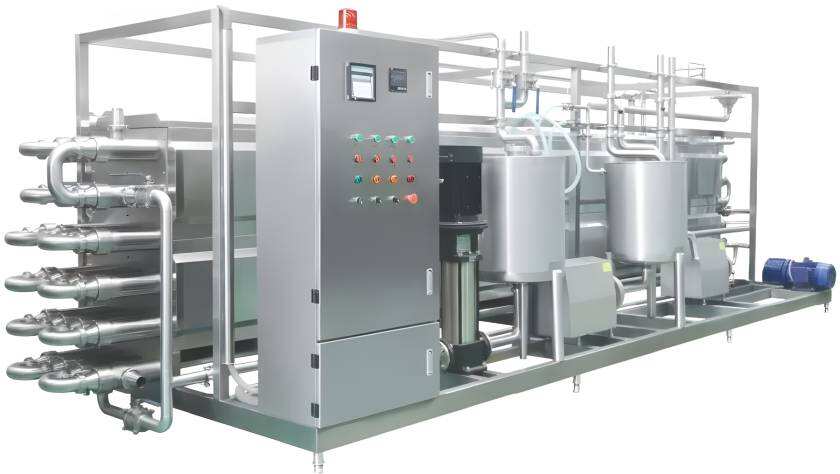
Water Packing Machine: Core Application Areas for Water-Related Businesses
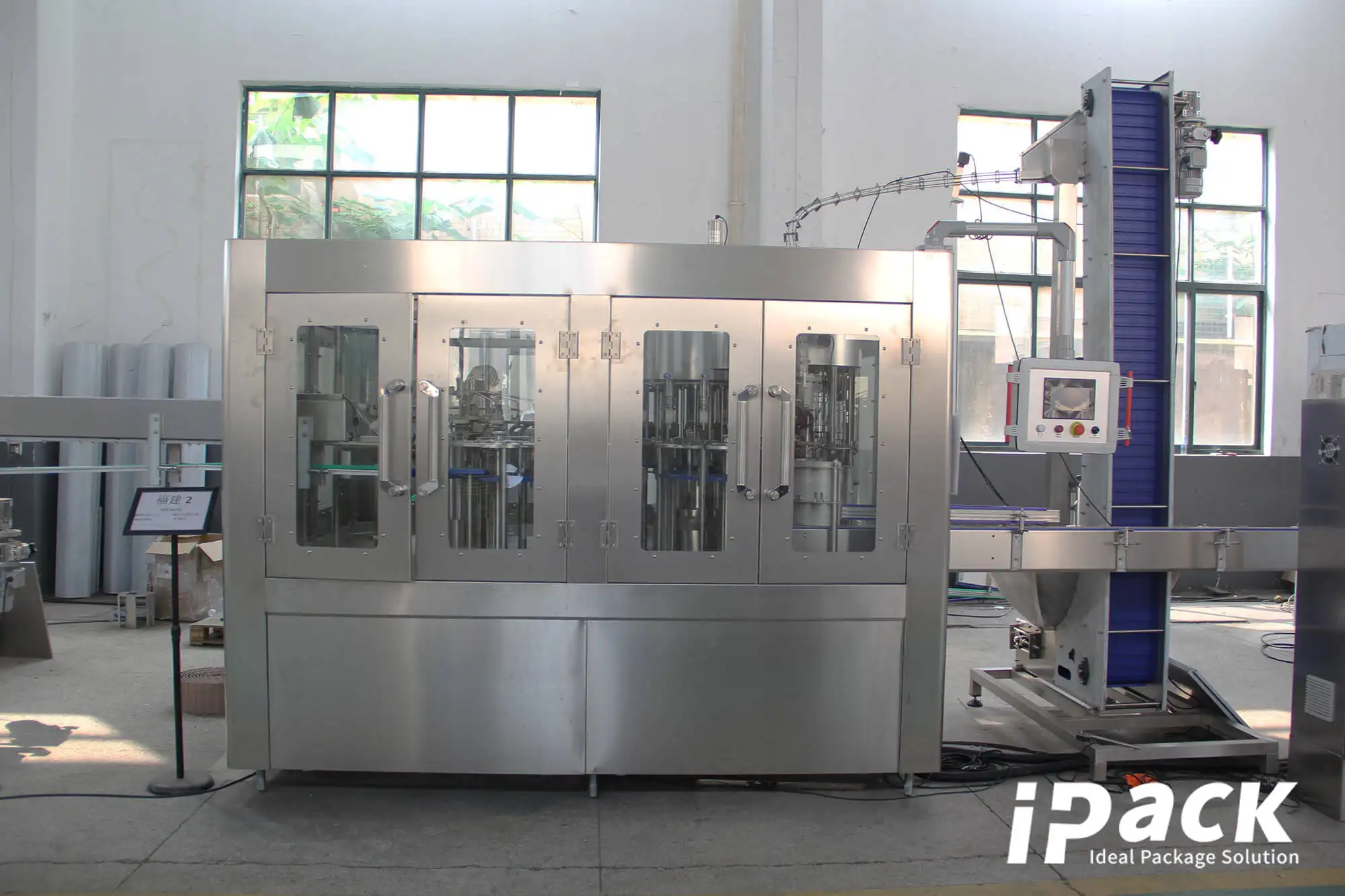
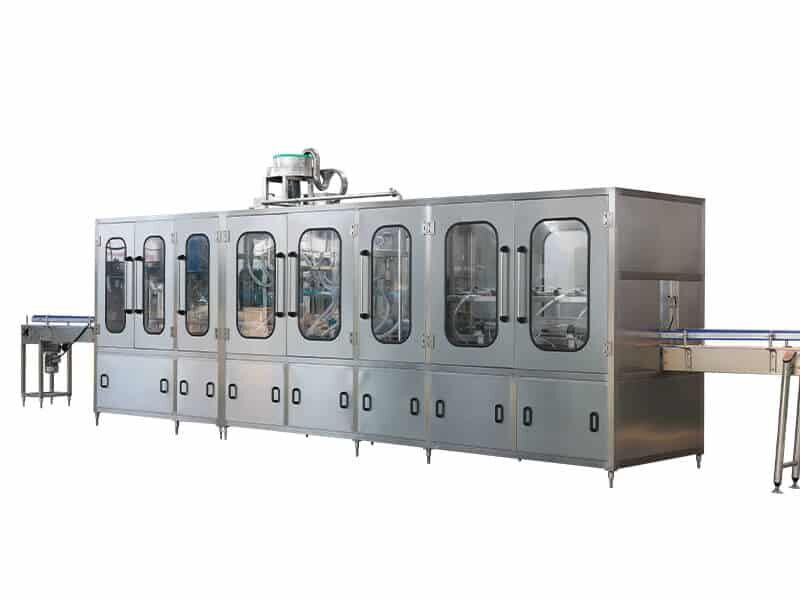
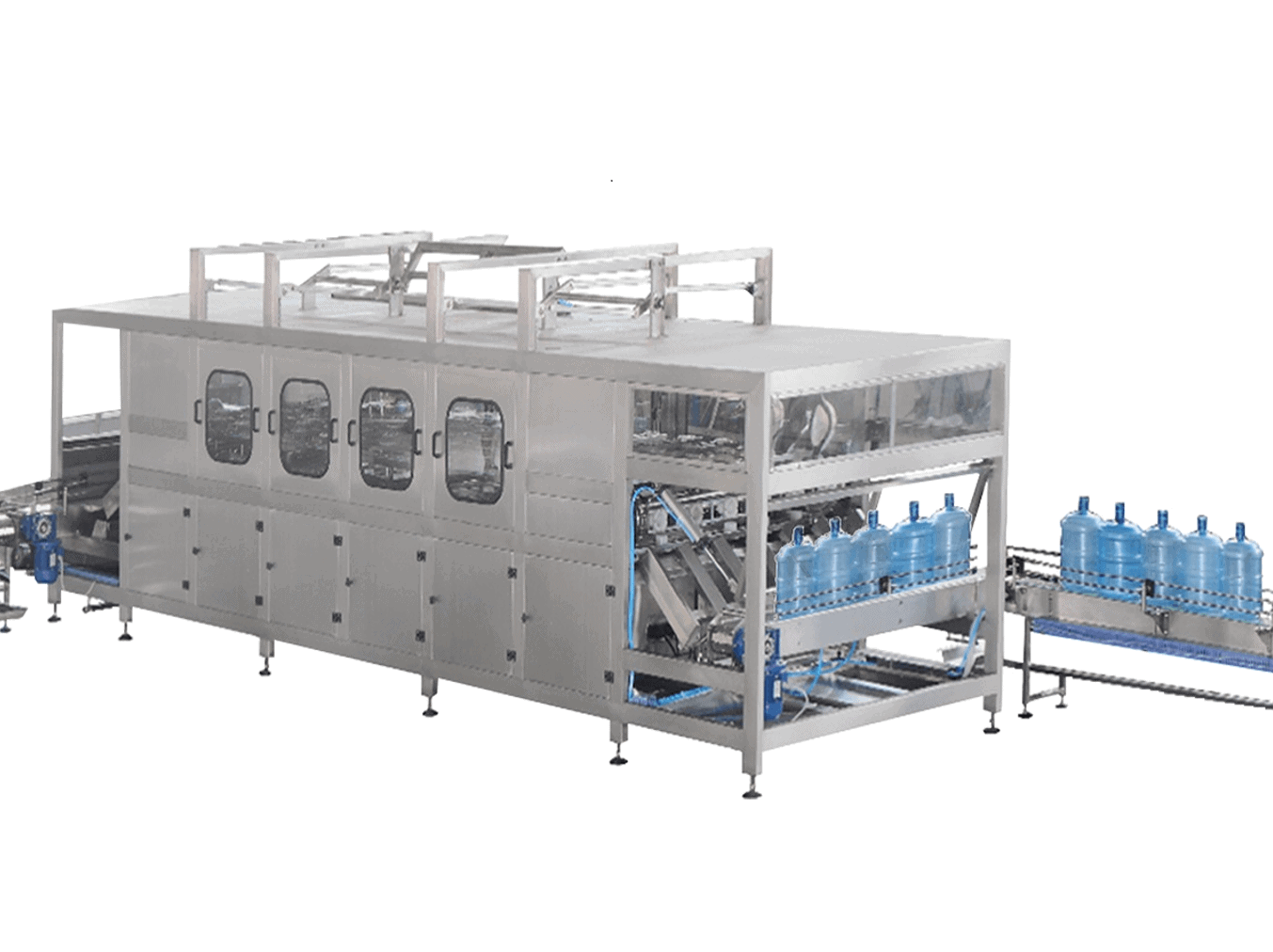
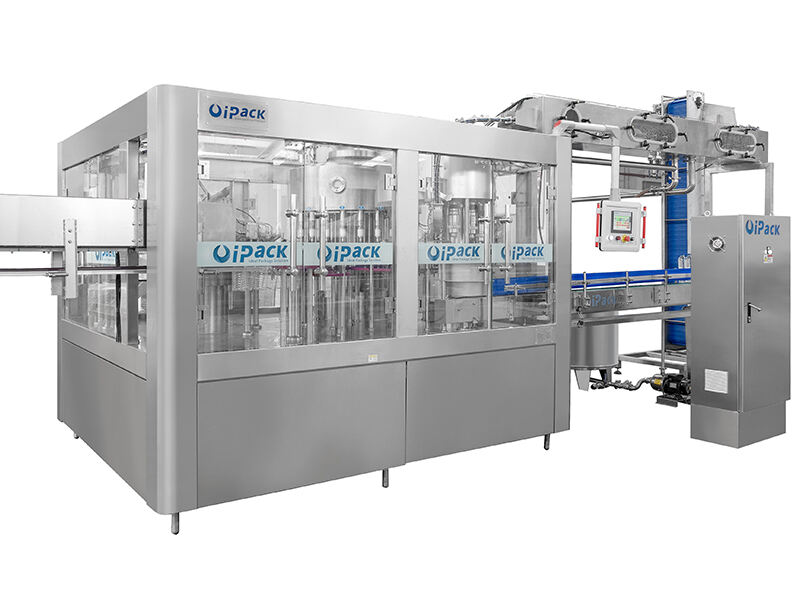
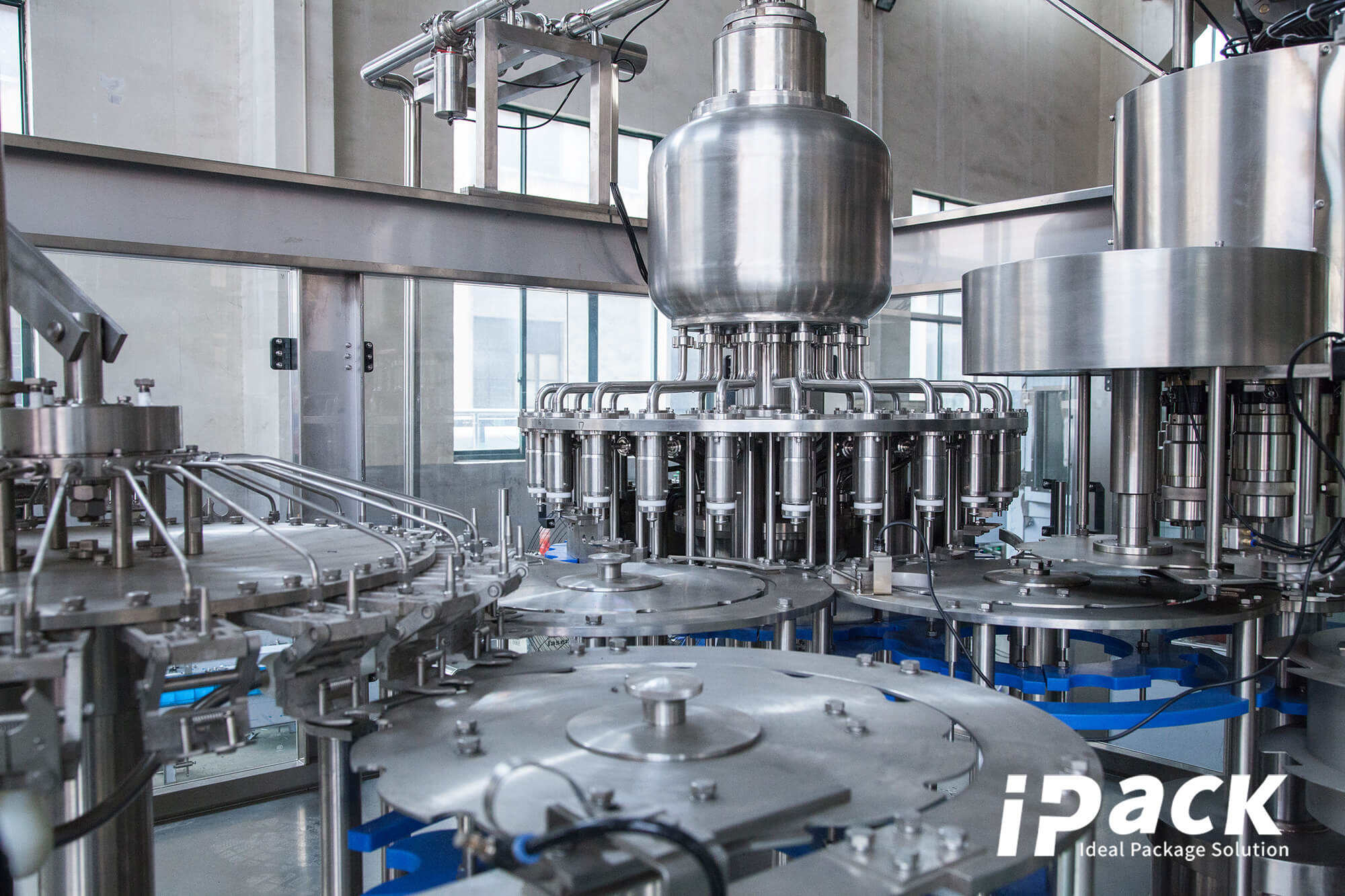
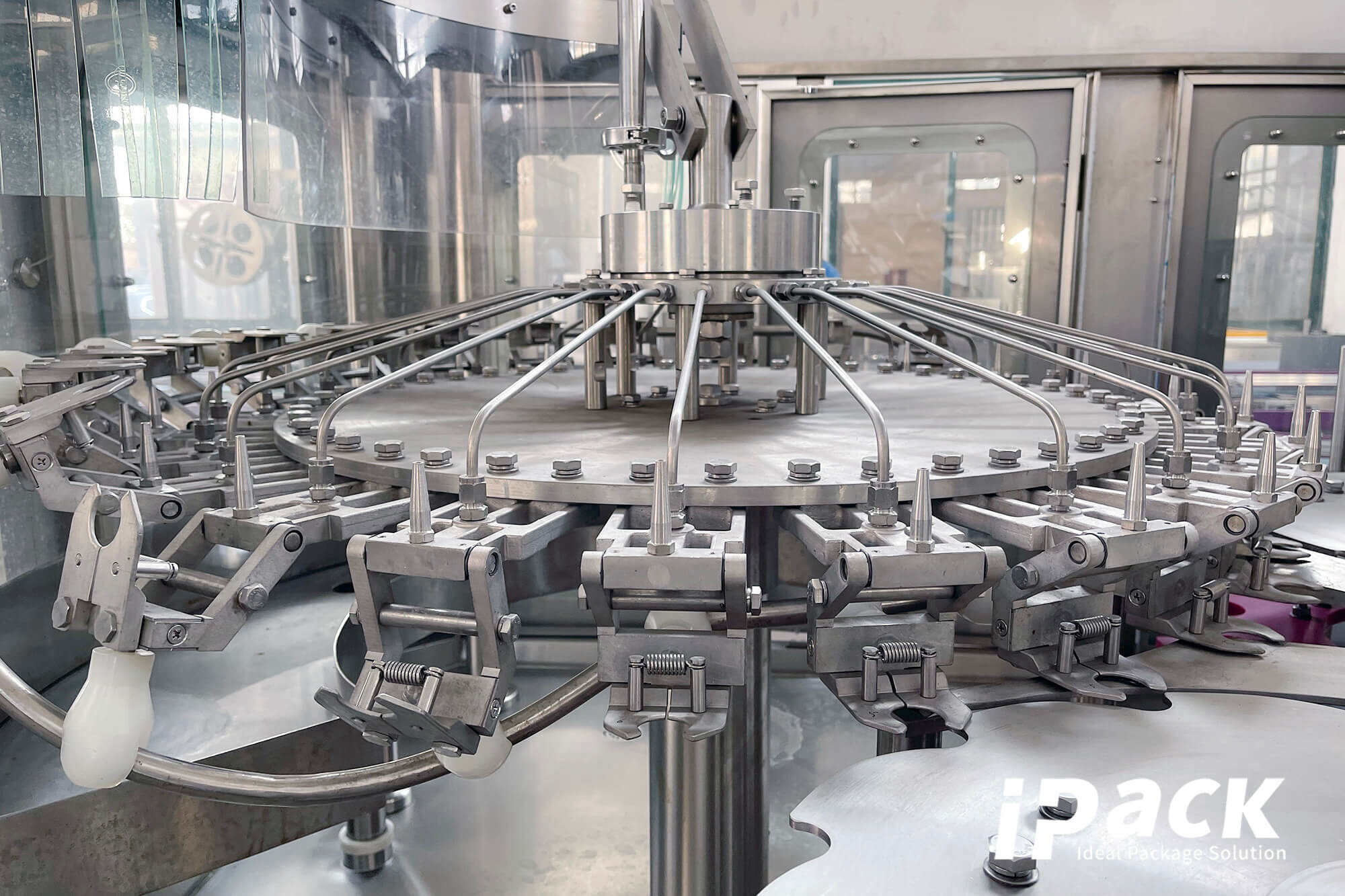
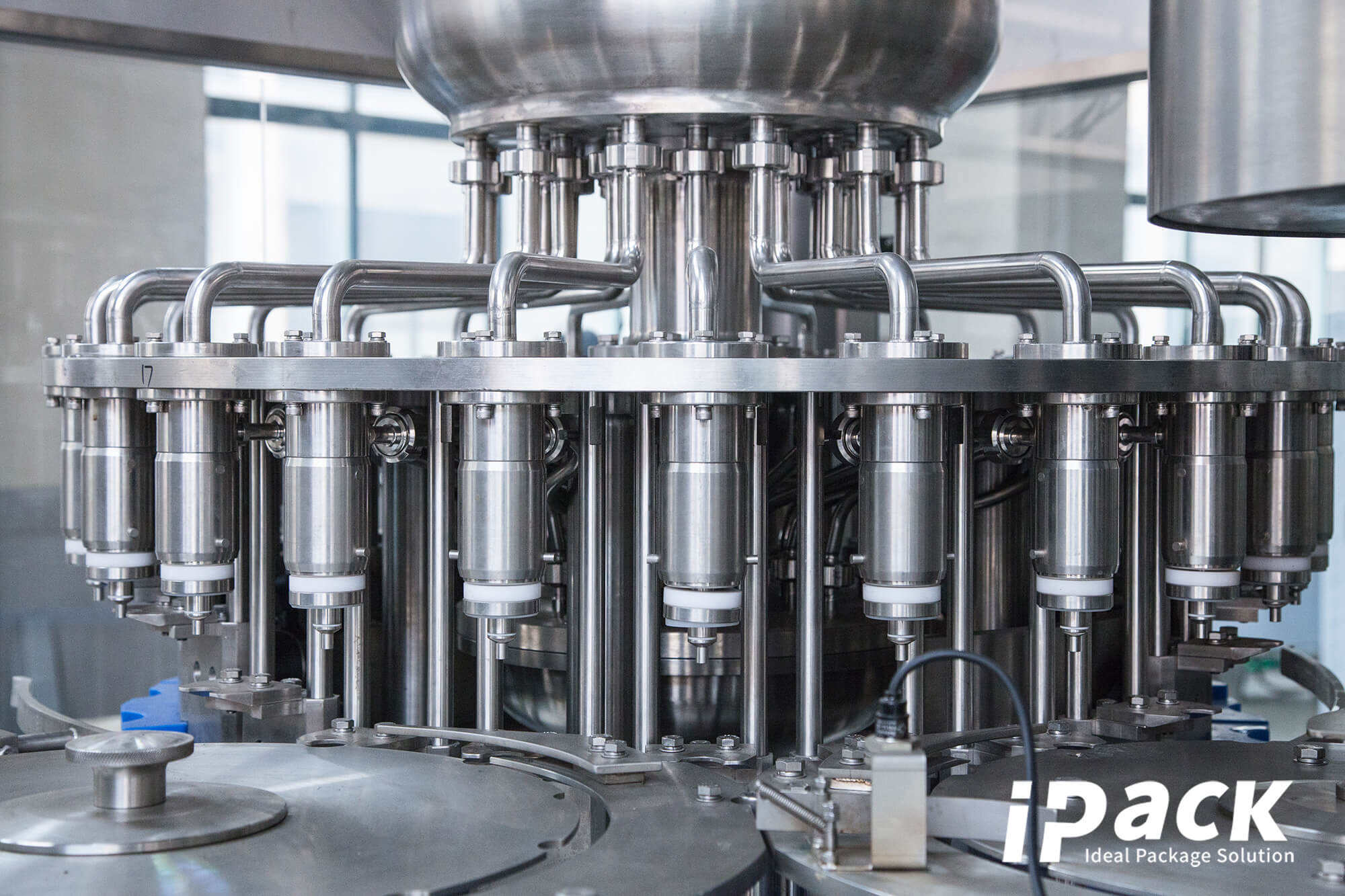
Large-scale bottled water manufacturing plants are the primary application scenario for water packing machines, as they require high-efficiency equipment to handle mass production. These plants typically produce mainstream products such as 500ml portable bottled water, 1.5L family-sized bottles, and 19L barreled water for commercial use. Water packing machines here integrate key functions like automatic bottle feeding, precise filling, cap sealing, label pasting, and carton packing into a single assembly line. This not only cuts down on manual labor costs but also ensures consistent packaging quality—for instance, avoiding water leakage from poorly sealed caps and maintaining uniform label placement—critical for meeting the high standards of large-scale distribution and brand reputation.
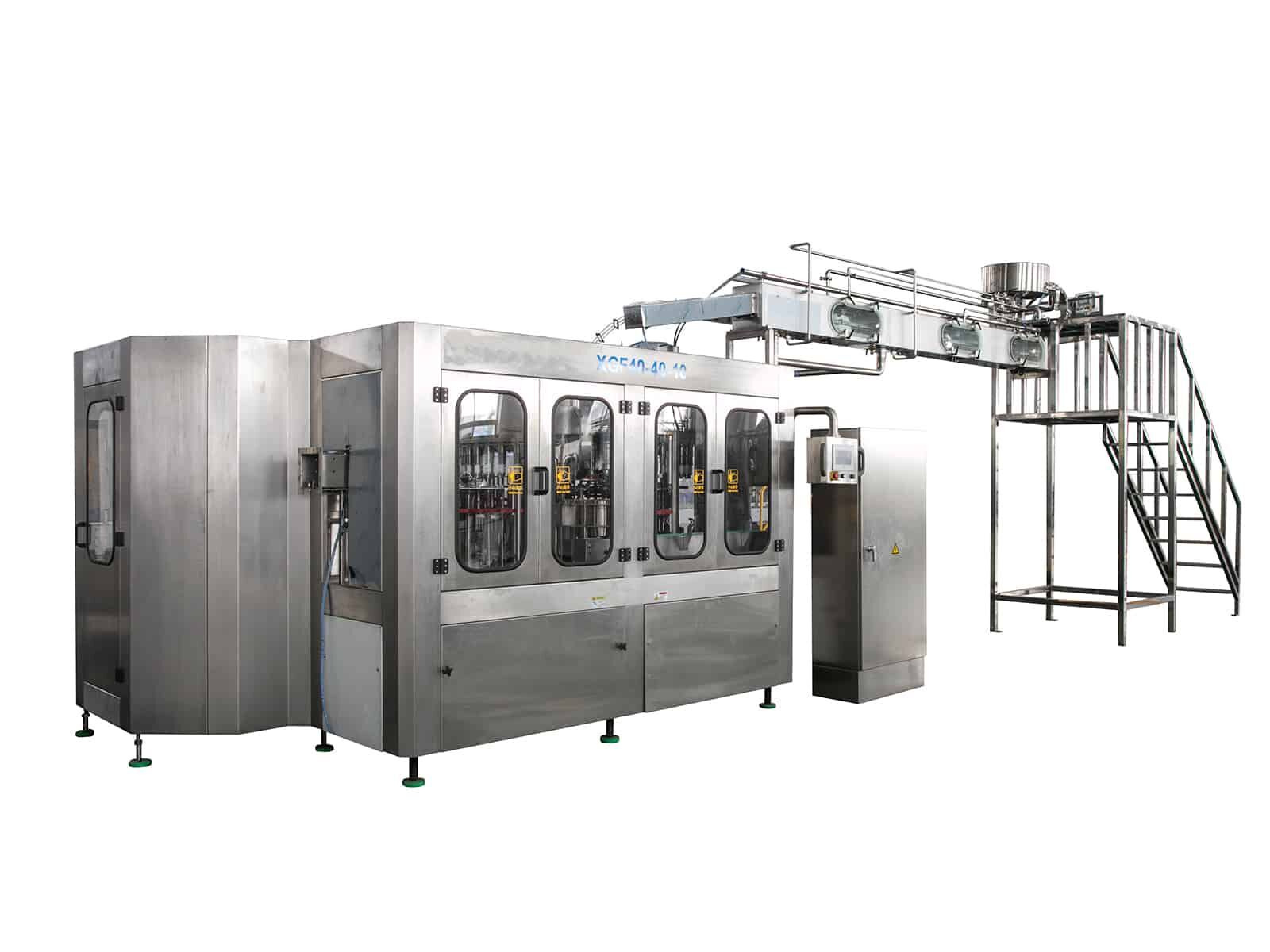
Small and medium-sized (SME) beverage and water enterprises form another key application area, as they need flexible and cost-effective packaging solutions. These businesses often have diverse product lines, such as local flavored water, functional electrolyte water, or small-batch mineral water, and their production volumes fluctuate. Water packing machines for SMEs are usually semi-automatic or modular designs: they can easily switch between different bottle sizes (from 200ml mini bottles to 2L large ones) and shapes (slim, square, or cylindrical) without major equipment overhauls. This flexibility lets SMEs launch new products quickly—like a seasonal fruit-infused water line—and control upfront investment, making it easier to compete in local or niche markets.
On-site and eco-focused retail scenarios are an emerging application field for compact water packing machines, driven by convenience and sustainability trends. Convenience stores, gas stations, and community supermarkets now use small, portable water packing machines to offer "on-demand" bottled water. Customers can choose a reusable or disposable bottle, have it filled with filtered, purified water, and sealed on the spot—reducing the need to stock pre-packaged water and cutting down on plastic waste. Event organizers also rely on these machines for concerts, marathons, and outdoor festivals: they provide fresh, hygienically packed bottled water to attendees without the hassle of transporting large quantities of pre-packaged products. Additionally, eco-friendly brands focused on zero-waste initiatives use these machines to set up in-store refill-and-pack stations, aligning with consumer demand for greener shopping options.
 EN
EN