Application Areas of Automatic Bottle Filling Systems
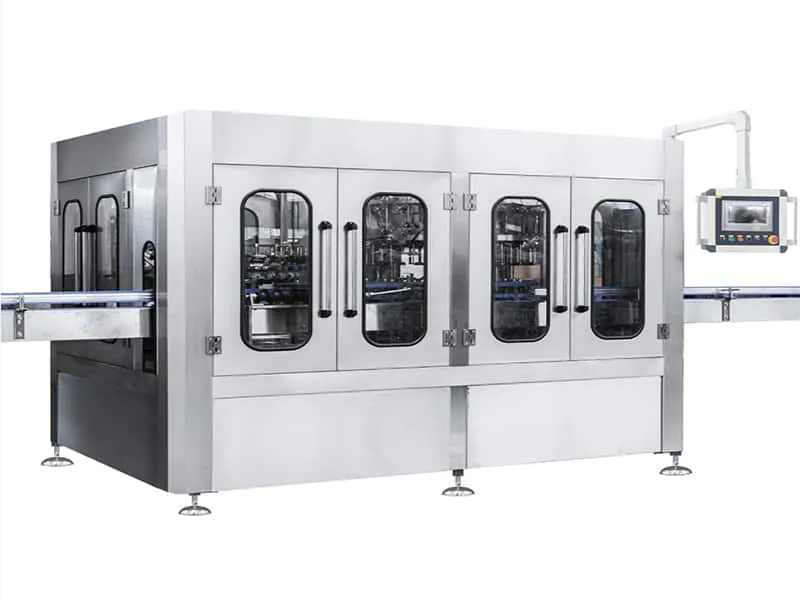
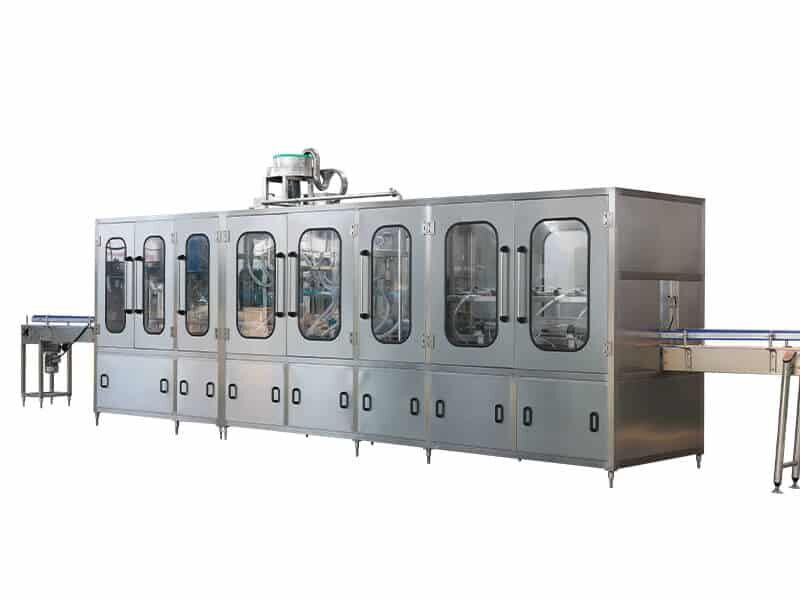
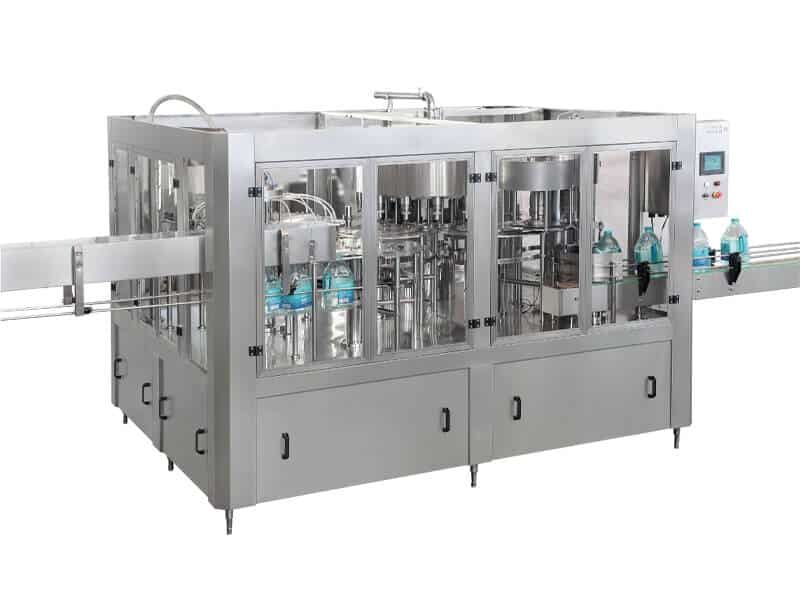
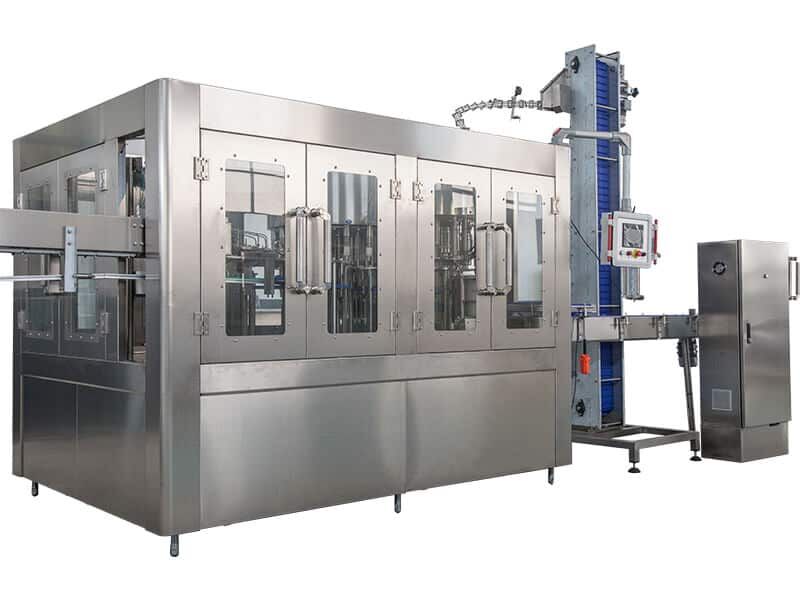
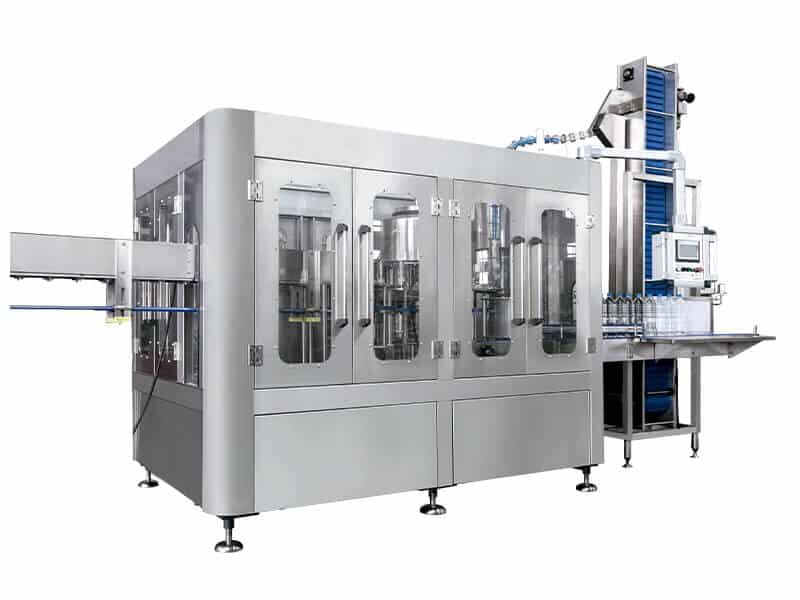
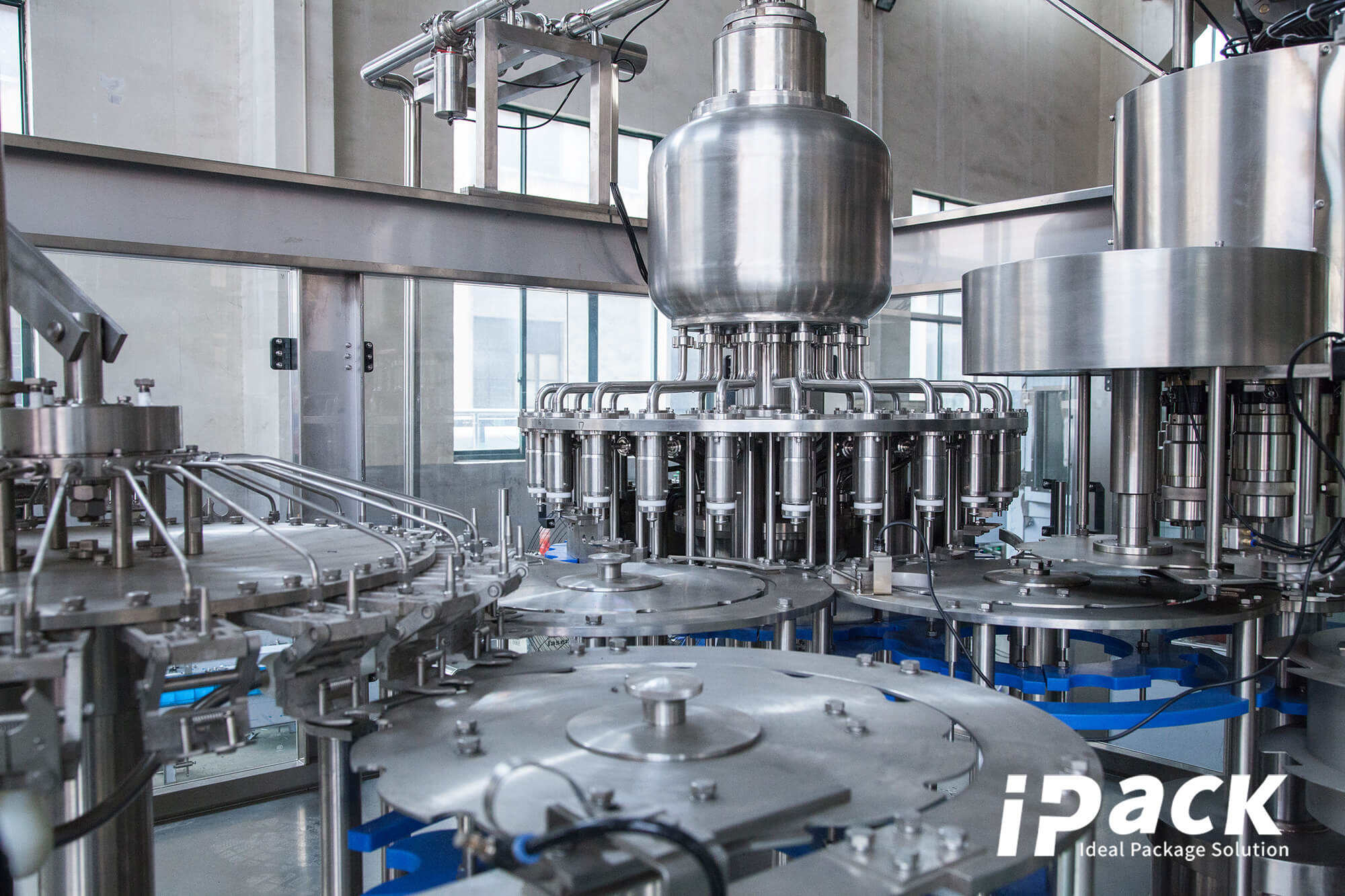
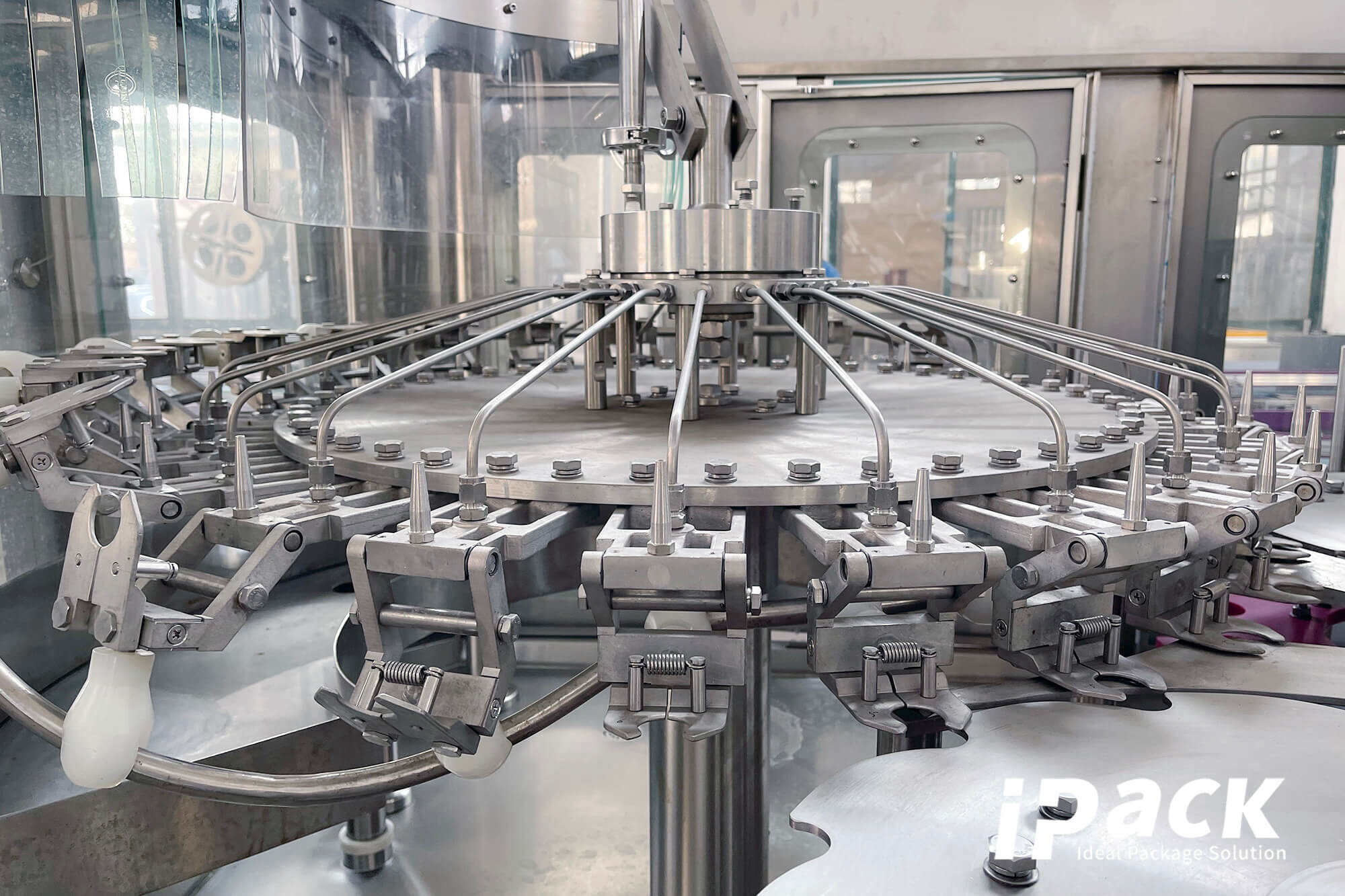
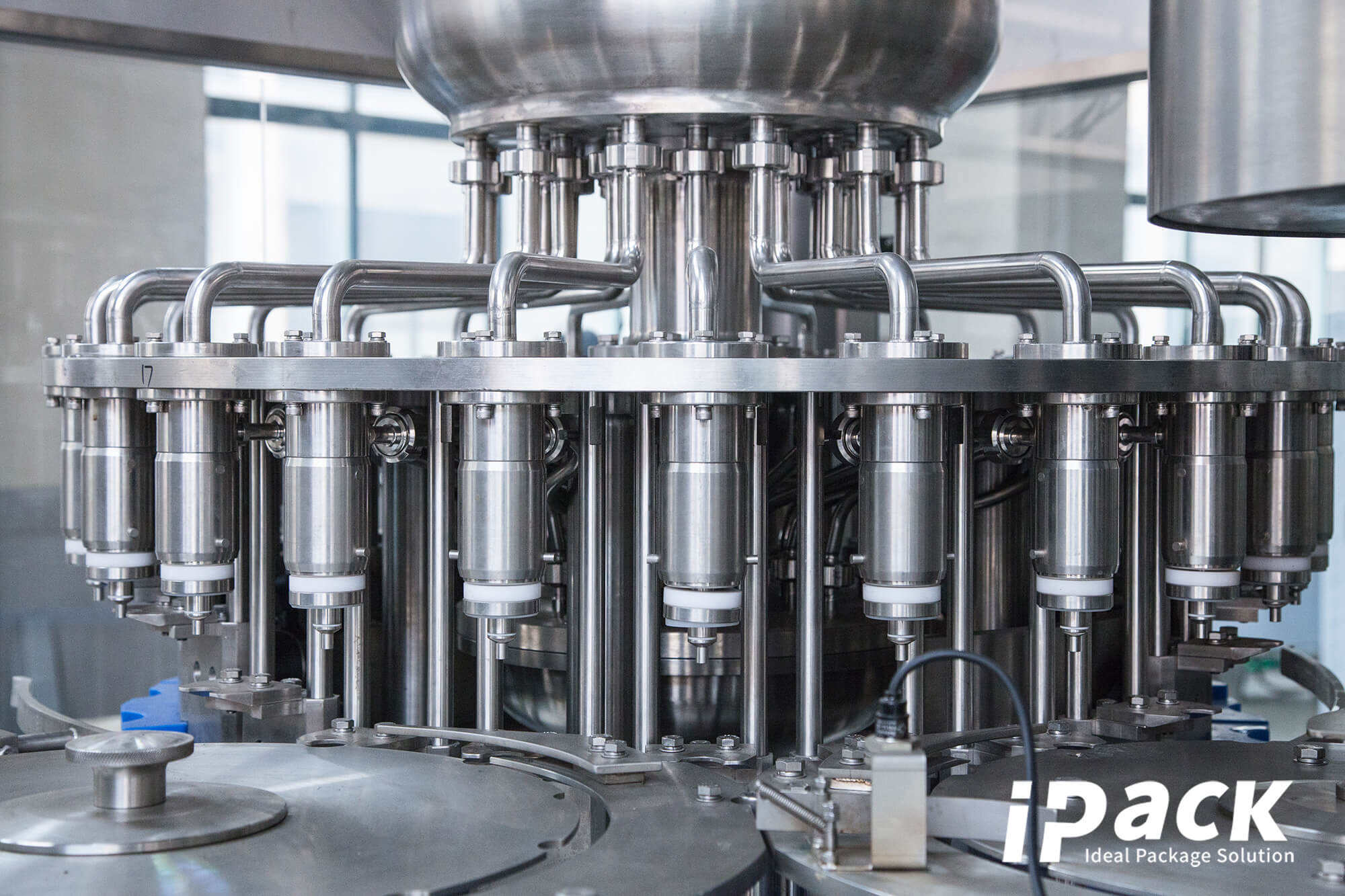
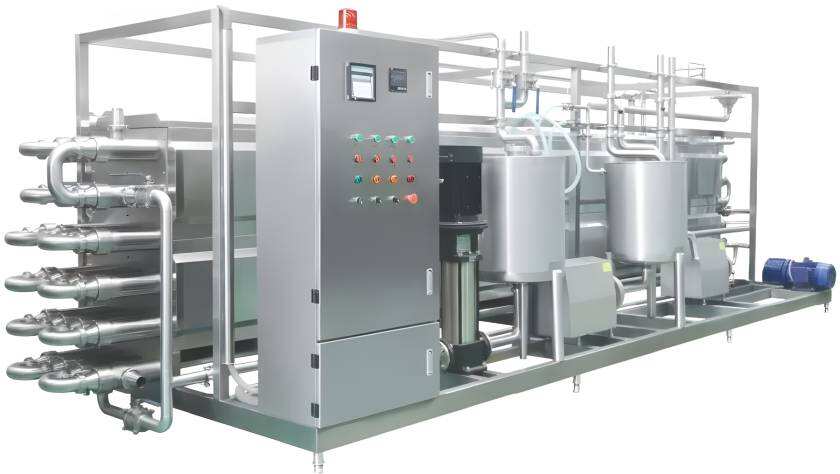
Large-scale food and beverage manufacturers form the core application area for automatic bottle filling systems. These enterprises—producing high-volume products like bottled water, carbonated drinks, fruit juices, dairy beverages, and liquid condiments (soy sauce, vinegar)—rely on the system’s full automation to streamline production. A typical automatic bottle filling system integrates bottle washing, precision filling, capping, labeling, and quality inspection into one continuous line, with throughputs ranging from 5,000 to 30,000 bottles per hour. This not only eliminates manual errors (such as inconsistent filling levels or hygiene risks) but also ensures strict compliance with industry standards (e.g., FDA, ISO) — critical for meeting the supply demands of national retail chains, supermarkets, and global distributors while maintaining brand reputation.
Small and medium-sized enterprises (SMEs) and niche product brands are a fast-growing application segment. As consumers increasingly seek personalized, high-value products—like craft sodas, organic cold-pressed juices, functional mineral water, or small-batch herbal infusions—SMEs need flexible solutions that avoid overinvestment. Automatic bottle filling systems cater to this with modular designs: businesses can start with a compact line (1,000 to 5,000 bottles per hour) focused on core filling functions, then add modules (e.g., custom labeling, eco-friendly packaging adapters, or flavor-dosing units) as sales grow. This scalability lets SMEs launch small-batch, differentiated products, compete in regional markets, and target niche groups (health-conscious consumers, eco-friendly buyers) without sacrificing production efficiency or quality.
Cross-industry applications expand the system’s versatility beyond food and beverage. The pharmaceutical industry uses specialized automatic bottle filling systems for liquid medications (oral syrups, antibiotics), dietary supplements (vitamin drops, protein shakes), and medical-grade liquids—equipped with sterile chambers, anti-contamination seals, and precise volumetric dosing to meet strict pharmaceutical regulations. The cosmetics and personal care industry also relies on these systems for filling bottles of toners, serums, facial mists, and haircare liquids; gentle filling technologies protect sensitive ingredients (e.g., probiotics, natural extracts) from oxidation or damage. Additionally, the household chemical sector (liquid detergents, fabric softeners) uses durable, corrosion-resistant automatic filling systems to handle non-food liquids, ensuring efficient, consistent packaging for everyday consumer products.
 EN
EN